The Life and Legacy of Tony Dow: Born in 1945
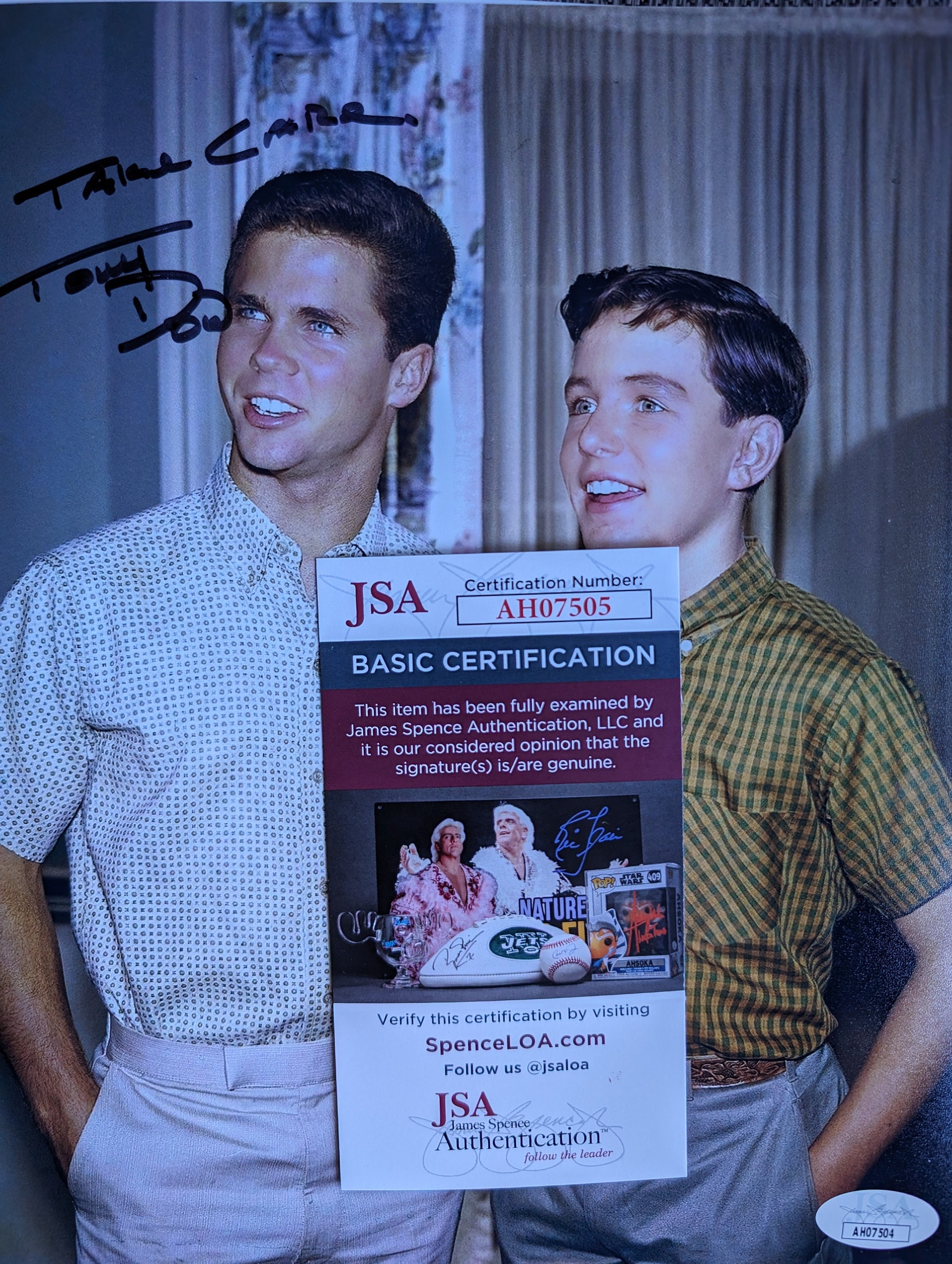
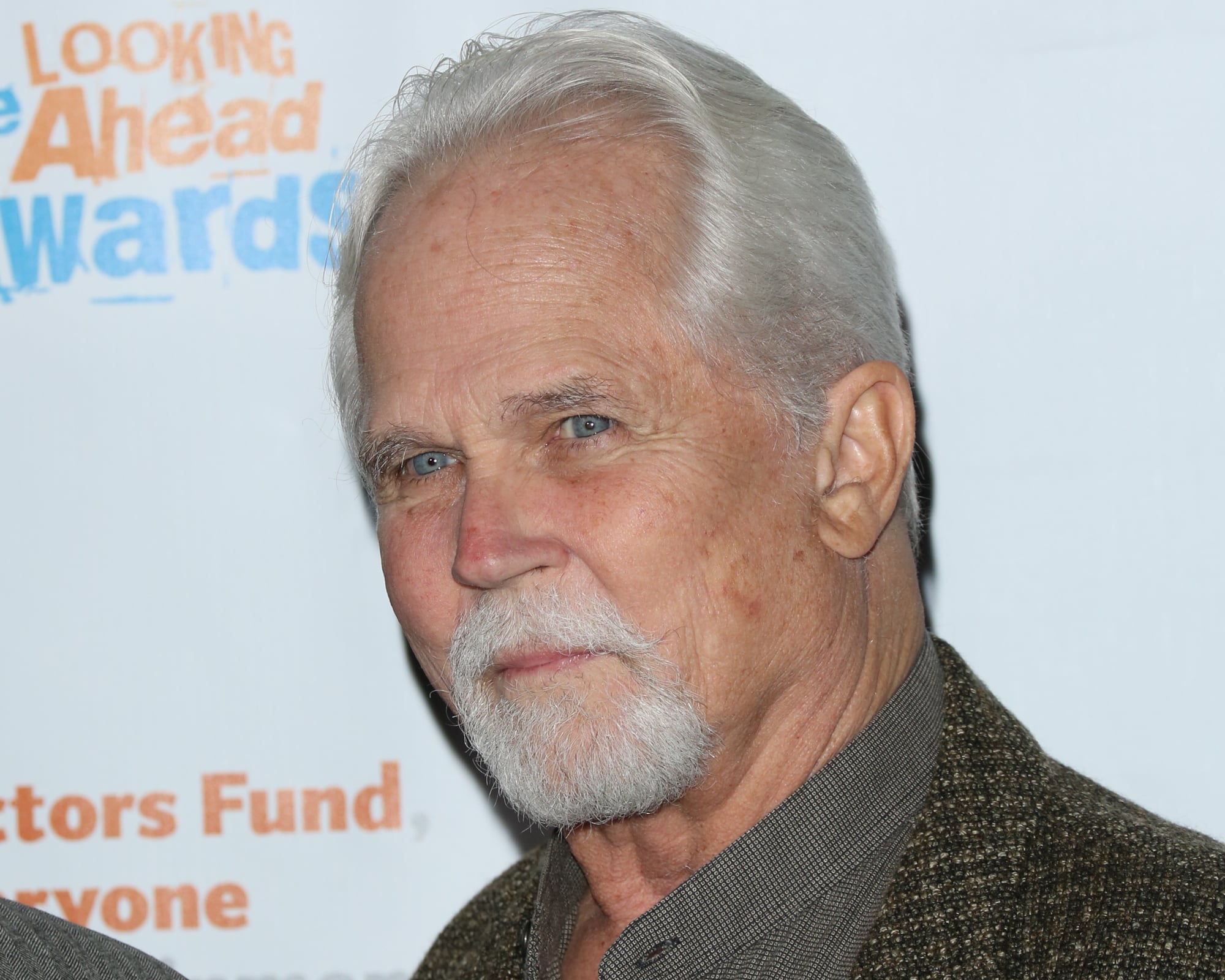
Tony Dow, an American actor, director, and sculptor, was born on April 13, 1945, in Hollywood, California. He is best known for his long-standing role as Wally Cleaver on the iconic television series Leave It to Beaver, a performance t...
Tony Dow, an American actor, director, and sculptor, was born on April 13, 1945, in Hollywood, California. He is best known for his long-standing role as Wally Cleaver on the iconic television series Leave It to Beaver, a performance that made him a central figure in American pop culture during the mid-20th century.
Contents
Beyond his initial fame as a child actor, Dow’s life trajectory encompassed a transition into behind-the-scenes production work, a successful career in fine art, and a multifaceted engagement with the entertainment industry that spanned several decades. Understanding his life involves looking at the convergence of mid-century television production, the challenges of transition for child stars, and his evolution into a respected visual artist.
Early Life and the Hollywood Start
Born to Muriel Virginia (née Montrose) and John Stevens Dow, Tony Dow grew up in a family connected to the film industry; his mother was a stuntwoman. His path to stardom was not the result of a lifelong theatrical ambition but rather an opportunistic encounter. In 1957, at the age of 12, Dow accompanied a friend to an audition for a new television pilot. While his friend did not secure the part, the producers noticed Dow’s natural presence and asked him to read for the role of Wally Cleaver.
The casting of Dow as the elder, responsible brother to Theodore "Beaver" Cleaver (played by Jerry Mathers) proved to be a pivotal decision for the success of Leave It to Beaver. The show, which premiered in 1957 and ran until 1963, depicted an idealized version of middle-class American family life. Dow’s portrayal of Wally—a character who navigated the trials of adolescence, sports, and school with a level-headed demeanor—made him an archetype of the relatable teenage boy for audiences of that era.
Life After Leave It to Beaver
The conclusion of Leave It to Beaver in 1963 presented the common challenge faced by many child actors: the difficulty of shedding an iconic persona. Unlike some of his contemporaries who struggled to secure professional footing afterward, Dow remained active in the entertainment industry.
During the late 1960s, he served in the United States National Guard, a commitment that took him away from Hollywood for a period. Upon returning, he continued to act in various television programs, including appearances on The Mod Squad, Adam-12, and Emergency!. However, Dow eventually found a more sustainable passion for creative control, leading him to transition from the front of the camera to the director’s chair and the production suite.
Transition to Production and Directing
Dow successfully pivoted to behind-the-scenes work in the 1980s and 1990s. His experience on television sets provided him with an intimate knowledge of narrative structure and pacing. He became a prolific director for episodic television, working on shows such as The New Leave It to Beaver, Harry and the Hendersons, Coach, and Babylon 5.
This transition is often cited by industry historians as a notable example of a child star successfully reinventing their career path. By shifting his focus to directing, Dow was able to apply his decades of experience to the technical and artistic orchestration of television production, moving away from the typecasting that often plagues actors who rise to fame at a young age.
The Artistic Evolution: Sculpture
Parallel to his career in television, Dow pursued a serious career as a sculptor. His work, which primarily involved abstract bronze pieces, was not merely a hobby; it garnered professional recognition within the art community. His sculptures were exhibited in galleries, including the Societe Nationale des Beaux-Arts in the Carrousel du Louvre in 2008.
Dow’s work as a sculptor allowed him to explore artistic expression independent of the scripts and characters that defined his early fame. This pursuit highlighted his technical proficiency and his ability to construct form, a sharp contrast to the linear storytelling of television. It serves as a reminder that the individuals behind iconic cultural symbols often possess depths and talents that exist far outside the scope of their public roles.
Comparison of Career Milestones
The following table outlines the diverse stages of Tony Dow’s career, reflecting his shift from acting to production and fine art.
| Era | Primary Focus | Notable Contributions |
|---|---|---|
| 1957–1963 | Child/Teen Acting | Leave It to Beaver (Wally Cleaver) |
| 1965–1975 | Acting/Service | Guest roles in Adam-12, Mod Squad, National Guard |
| 1980s–1990s | Directing/Producing | The New Leave It to Beaver, Babylon 5 |
| 2000s–2020s | Fine Art | Abstract bronze sculpture and exhibitions |
Frequently Asked Questions
What was Tony Dow’s most famous role?
Tony Dow is most famously known for portraying Wally Cleaver on the classic television sitcom Leave It to Beaver. He played this character throughout the series' entire run from 1957 to 1963, and reprised the role in the television movie Still the Beaver (1983) and the subsequent series The New Leave It to Beaver (1985–1989).
Did Tony Dow continue to act after Leave It to Beaver?
Yes, he continued to act for many years after the show ended. He appeared in various guest-starring roles on popular television series throughout the 1970s and 80s. However, he gradually shifted his professional focus toward directing and producing, which allowed him to maintain a consistent career in the industry while moving away from the spotlight of performance.
How did Tony Dow transition into sculpture?
Dow discovered his talent for sculpture later in life. He utilized his creative energy to explore abstract forms, working extensively in bronze. He viewed his art as a way to express himself outside the rigid structure of acting, eventually gaining recognition for his work in both domestic and international art exhibitions.
Where was Tony Dow born?
Tony Dow was born in Hollywood, California. His birth in the center of the American film industry, combined with his mother’s professional background as a stuntwoman, placed him in proximity to the entertainment world early in his life, which facilitated his entry into acting as a young teenager.
What is the significance of 1945 in his biography?
1945 represents the year of his birth, marking the generation that would come to define mid-century television. His career spanned the transition of television from a burgeoning medium to an established cultural institution, and his own life reflects the professional pivots common to that generation of performers.
Professional Legacy
Tony Dow’s career provides a window into the evolution of American television. From the pristine, black-and-white family portrayals of the 1950s to the complex, effects-driven productions of the 1990s, Dow remained a steady presence. His move from the front of the screen to the directorial chair, and finally to the quiet, introspective world of fine art sculpture, underscores a life defined by creative evolution.
For those interested in the history of mid-century media, Dow stands as an important figure whose work—both on camera and behind it—helped shape the television landscape for generations. His ability to navigate the pressures of fame while building a life grounded in diverse artistic pursuits remains a subject of study for those interested in the long-term trajectories of successful entertainers.
Image Gallery