Understanding Cash Cow Title Loans: A Comprehensive Guide to Auto Equity Lending
A "Cash Cow" title loan is a high-interest, short-term secured loan where a borrower pledges their vehicle title as collateral to obtain immediate cash. These loans are characterized by rapid approval processes, minimal credit checks,...
A "Cash Cow" title loan is a high-interest, short-term secured loan where a borrower pledges their vehicle title as collateral to obtain immediate cash. These loans are characterized by rapid approval processes, minimal credit checks, and high Annual Percentage Rates (APR), often placing the borrower’s vehicle at risk of repossession if the repayment terms are not strictly met.
Contents
The Mechanics of Auto Title Loans
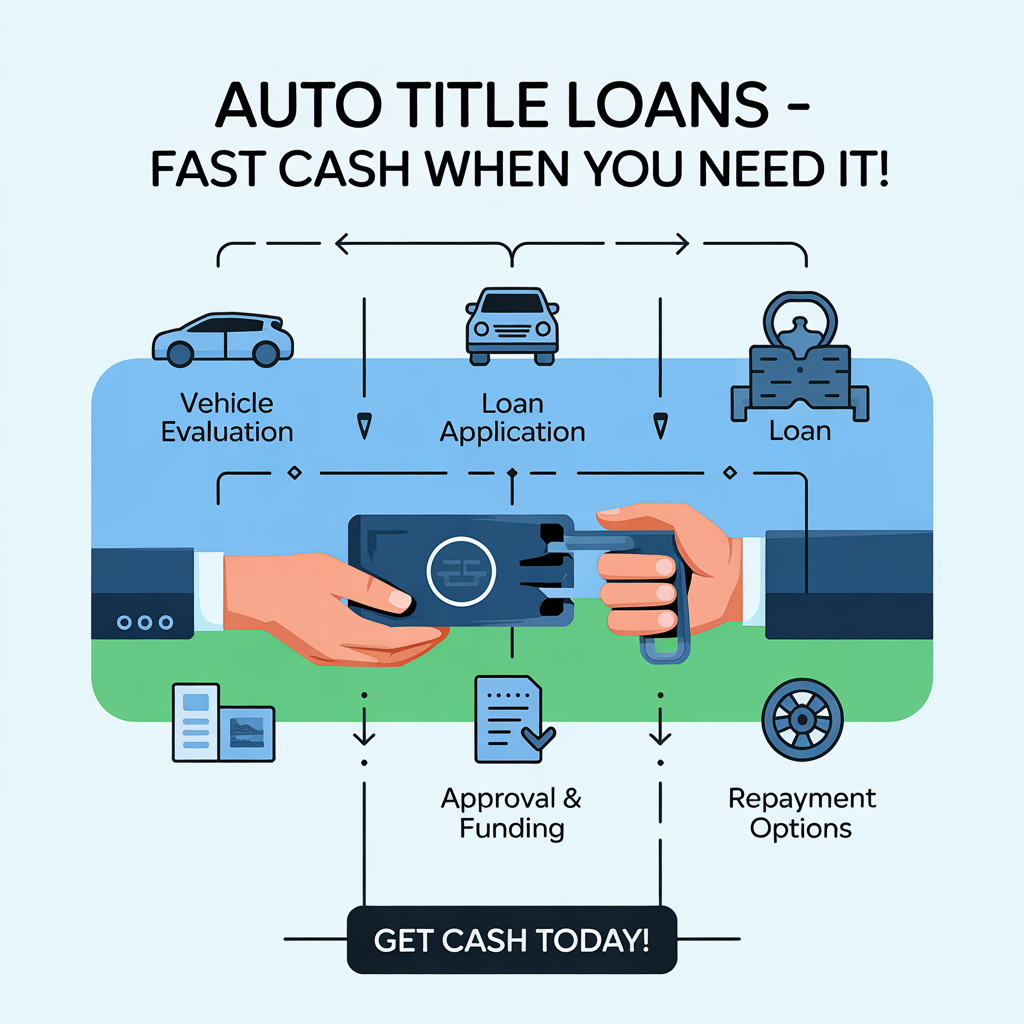
Auto title loans, sometimes colloquially referred to under various brand names or marketing terms like "Cash Cow," function as secured debt. Unlike traditional personal loans from a bank or credit union, which often rely on credit scores and income verification, these loans prioritize the equity available in your vehicle.
When you apply for a title loan, you are essentially leveraging the value of your car, truck, or motorcycle. The lender performs a valuation of the vehicle to determine how much they are willing to lend—typically a fraction of the vehicle’s wholesale value. If approved, the lender places a lien on your title. This means the lender becomes a legal lienholder on your vehicle’s ownership document, providing them the right to repossess the car should you fail to adhere to the loan agreement.
Prerequisites for Eligibility
Securing a title loan generally requires fulfilling a specific set of criteria that vary slightly by state regulations and individual lender policies. In 2026, most lenders mandate the following:
- Vehicle Ownership: You must hold a "clean" or "clear" title. This means you own the vehicle outright, and there are no existing liens or outstanding loans from a bank or previous financier attached to the car.
- Vehicle Inspection: Lenders will perform a physical inspection or require clear photographs of the vehicle to assess its condition, mileage, and current market value.
- Proof of Income: While these loans are not always credit-dependent, lenders require evidence that you have a steady stream of income to cover the repayment schedule.
- Identification and Residency: Government-issued photo identification and proof of address are standard requirements to prevent fraud and ensure compliance with regional lending laws.
- Insurance: Many lenders require the borrower to maintain comprehensive and collision insurance on the vehicle for the duration of the loan.
The Cost of Borrowing: APR and Fees
The most significant aspect of any title loan is the cost of borrowing. Because these loans are considered high-risk for the lender, the interest rates—calculated as an Annual Percentage Rate (APR)—are significantly higher than those of conventional loans.
It is common for title loans to carry triple-digit APRs. For example, a loan might appear affordable because the monthly payment is low, but that payment may consist almost entirely of interest, leaving the principal balance untouched. When interest compounds monthly, the total cost of the loan can quickly exceed the initial amount borrowed. Borrowers must also account for additional fees, such as:
- Loan Origination Fees: Administrative costs for processing the application.
- Lien Filing Fees: Costs paid to the Department of Motor Vehicles (DMV) to register the lender's lien.
- Late Payment Fees: Penalties incurred if a payment is not received by the due date.
- Repossession Fees: Charges passed on to the borrower if the lender must seize the vehicle.
Comparative Lending Table
Understanding the landscape of alternative lending helps clarify where title loans sit within the financial spectrum.
| Feature | Bank/Credit Union Loan | Auto Title Loan |
|---|---|---|
| Primary Requirement | Credit Score / Income | Vehicle Equity |
| Speed of Funding | 3–7 Business Days | 24–48 Hours |
| Interest Rates | Low to Moderate | Extremely High |
| Collateral Required | Usually Unsecured | Vehicle Title |
| Repossession Risk | None (Default affects credit) | High (Vehicle seizure) |
Risks and Legal Protections
The primary danger of a title loan is the "debt trap." Because the payments are often structured as interest-only or balloon payments (a large final payment), many borrowers find themselves unable to pay off the principal. This leads to "rolling over" the loan—taking out a new loan to pay the old one—which incurs new fees and interest, effectively ballooning the debt.
Borrowers should be aware that state laws significantly influence the legitimacy and fairness of title lending. Some states strictly prohibit title loans, while others cap the interest rates lenders can charge. Before entering any agreement, check the regulatory status of title lending in your specific jurisdiction through your state’s Attorney General’s office or the Consumer Financial Protection Bureau (CFPB).
Alternatives to Consider
Before committing to a high-interest vehicle equity loan, explore lower-cost alternatives:
- Personal Loans: Check with local credit unions, which often offer smaller, low-interest emergency loans to members.
- Payment Plans: Contact your utility providers or creditors to request a hardship extension or a deferred payment plan.
- Non-Profit Assistance: Organizations like local community action agencies or charities may provide short-term assistance for essential expenses.
- Employer Advances: Some companies provide salary advances to employees in emergency situations.
Frequently Asked Questions
What happens if I cannot pay my title loan on time? If you fail to make payments, the lender has the right to initiate repossession. Once the grace period expires, they can seize the vehicle, sell it at auction, and apply the proceeds to your outstanding balance. You are usually still responsible for any remaining balance if the auction price does not cover the loan and repossession costs.
Can I keep driving my car while the loan is active? Yes, in most cases, you retain possession of your vehicle while you are making payments. The lender holds the title, but you keep the keys. However, failure to comply with the contract terms will result in the loss of that privilege.
Are title loans reported to credit bureaus? It depends on the lender. Some title lenders report payment history to the major credit bureaus, while others do not. If they do not report, making payments on time will not help improve your credit score, but defaulting may still result in aggressive collection efforts.
How is the value of my car determined? Lenders typically use standardized automotive valuation tools, such as the Kelley Blue Book or similar wholesale valuation guides, to determine the "pawn value" of your vehicle.
Is it possible to negotiate the terms of a title loan? While the terms are often non-negotiable at the point of sale, you can always ask for a clear explanation of the APR, the total cost of the loan, and the exact terms of the payoff. If a lender refuses to provide a clear summary, it is a significant warning sign.
Next Steps for Borrowers
If you are currently considering an auto title loan, start by reviewing your budget to determine the absolute maximum monthly payment you can afford. Next, research the legal interest rate caps in your state to ensure the lender is compliant. Always obtain a copy of the loan agreement before signing and verify that there are no prepayment penalties, allowing you to pay off the loan early to save on interest. If you are struggling with systemic financial hardship, consider reaching out to a certified credit counselor who can provide non-biased advice on managing debt.
Image Gallery