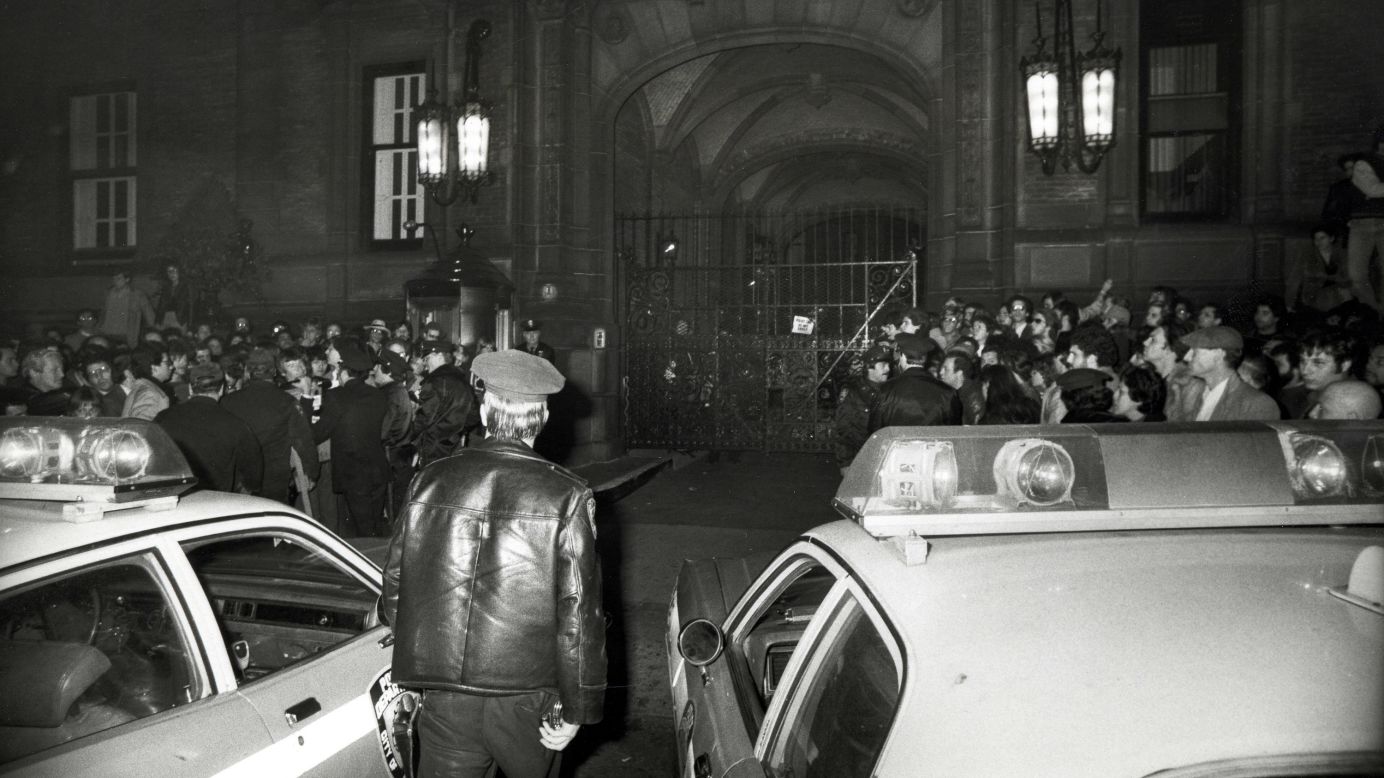
The Tragedy of John Lennon’s Death: A Detailed Timeline and Legacy Analysis
On December 8, 1980, John Lennon was shot and killed outside his home at the Dakota apartment building in New York City. He was struck four times by bullets fired from a .38-caliber revolver held by Mark David Chapman. Lennon was rushe...
On December 8, 1980, John Lennon was shot and killed outside his home at the Dakota apartment building in New York City. He was struck four times by bullets fired from a .38-caliber revolver held by Mark David Chapman. Lennon was rushed to Roosevelt Hospital, where he was pronounced dead at 11:15 PM due to massive blood loss.
Contents
The assassination of John Lennon remains one of the most transformative moments in the history of popular culture. It did more than end the life of a musical icon; it shattered the lingering optimism of the 1960s and fundamentally altered the relationship between public figures and their fans. As we look back from the perspective of 2026, the event continues to be studied for its psychological, social, and security implications. To understand how John Lennon died, one must look at the specific sequence of events on that cold December Monday, the motives of his killer, and the immediate medical realities that made his survival impossible.
The Final Hours of December 8, 1980
John Lennon’s final day was a whirlwind of professional activity, marked by a sense of creative renewal following the release of his comeback album, Double Fantasy. After five years of self-imposed retirement to raise his son Sean, Lennon was fully re-engaged with the public eye.
The day began at the Dakota with a photo session for Rolling Stone magazine. Photographer Annie Leibovitz arrived to take portraits of Lennon and his wife, Yoko Ono. It was during this session that the iconic image of a nude Lennon clinging to a fully clothed Ono was captured—a photograph that would later become the definitive cover image of the magazine's tribute issue. Following the shoot, Lennon gave what would be his final interview to Dave Sholin for the RKO Radio Network. During the conversation, Lennon spoke optimistically about his future, his safety in New York, and his excitement about touring again.
At approximately 5:00 PM, Lennon and Ono left the Dakota to head to the Record Plant studio to work on the song "Walking on Thin Ice." As they walked toward their limousine, they were approached by several fans seeking autographs. Among them was Mark David Chapman. Chapman handed Lennon a copy of Double Fantasy, which Lennon signed. A photographer and fan named Paul Goresh captured a photograph of this interaction—the chilling image of a smiling Lennon unknowingly signing an autograph for his future assassin.
The Shooting at the Dakota
Lennon and Ono returned to the Dakota at approximately 10:50 PM. Rather than having the limousine pull into the secure courtyard of the building, Lennon opted to be dropped off at the curb to walk the short distance under the archway, reportedly so he could say goodnight to fans who might still be waiting.
As Lennon walked past Chapman, who was standing in the shadows of the archway, Chapman called out, "Mr. Lennon?" (though some witnesses later disputed whether he spoke at all). Chapman then dropped into a combat stance and fired five hollow-point bullets from a Charter Arms .38 Special revolver.
Four of the five bullets struck Lennon. Two hit him in the left side of his back, and two hit his left shoulder. The bullets were designed to expand upon impact, causing catastrophic internal damage. Lennon managed to stumble up the steps into the building’s reception area, gasping "I'm shot" before collapsing. The Dakota’s doorman, Jose Perdomo, disarmed Chapman, who famously sat on the sidewalk and began reading J.D. Salinger’s The Catcher in the Rye until the police arrived.
Emergency Response and Medical Reality
The first police officers on the scene were Steve Spiro and Peter Cullen. Shortly thereafter, Officers Herb Frauenberger and Tony Palma arrived. Recognizing the severity of Lennon’s wounds and realizing that waiting for an ambulance could be fatal, Palma and Frauenberger lifted Lennon into the back of their patrol car and sped toward Roosevelt Hospital.
During the harrowing ride, Officer James Moran, who was in another patrol car accompanying them, reportedly asked Lennon if he knew who he was. Lennon allegedly responded with a faint nod or a groan, though the exact nature of his final words remains a subject of historical debate.
At Roosevelt Hospital, a medical team led by Dr. Stephan Lynn worked feverishly to save him. The damage, however, was insurmountable. The hollow-point bullets had shredded Lennon’s major blood vessels, including his aorta and the subclavian artery. He had lost approximately 80% of his blood volume before arriving. Despite open-heart massage and multiple transfusions, Lennon could not be resuscitated. Dr. Lynn officially pronounced him dead at 11:15 PM. The cause of death was officially listed as hypovolemic shock caused by massive hemorrhage.
Medical Breakdown of Injuries
| Injury Site | Damage Incurred | Clinical Consequence |
|---|---|---|
| Left Back (Upper) | Penetration of the lung and major vessels | Severe internal bleeding and respiratory failure |
| Left Back (Lower) | Damage to the aorta | Rapid loss of blood pressure and systemic shock |
| Left Shoulder | Bone fragmentation and arterial damage | Contributed to the overall blood loss |
| Internal Organs | Bullet expansion caused "tunneling" | Irreparable tissue damage to the chest cavity |
The Perpetrator: Mark David Chapman
The death of John Lennon was not a political assassination or a complex conspiracy, but the act of a deeply disturbed individual seeking notoriety. Mark David Chapman was a 25-year-old former security guard from Hawaii who had become obsessed with Lennon. His obsession was a volatile mix of hero worship and religious resentment.
Chapman had been a fan of the Beatles, but his mental health deteriorated in the years leading up to 1980. He became obsessed with the novel The Catcher in the Rye and its protagonist, Holden Caulfield, who despises "phonies." Chapman began to view Lennon as a hypocrite—a man who sang about having "no possessions" while living a life of immense wealth in a luxury New York apartment.
Psychological evaluations conducted after his arrest suggested that Chapman suffered from various delusions and a desperate need to "become someone" by killing someone famous. He had traveled to New York earlier in the year with the intent to kill Lennon but had hesitated. On December 8, he followed through, remaining at the scene specifically to ensure he was identified as the shooter.
The Global Reaction and Immediate Aftermath
The news of Lennon’s death spread with unprecedented speed for the era. Howard Cosell, the legendary sports commentator, broke the news to millions of Americans during a broadcast of Monday Night Football. The shock was instantaneous.
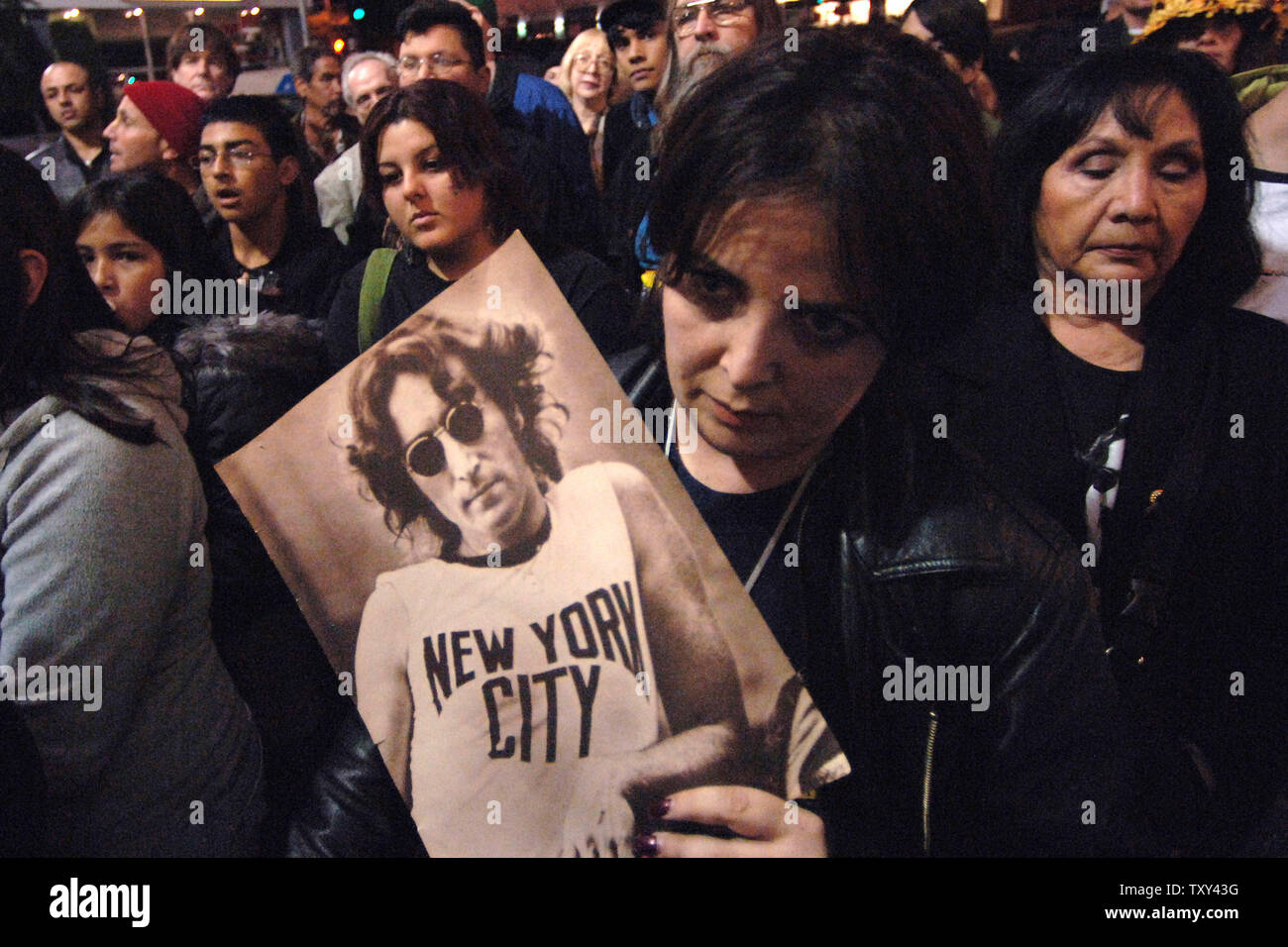
In the days following the shooting, thousands of people gathered outside the Dakota, singing Lennon’s songs and holding candlelight vigils. On December 14, 1980, millions of people around the world observed ten minutes of silence in response to a request from Yoko Ono. In New York City alone, over 100,000 people gathered in Central Park.
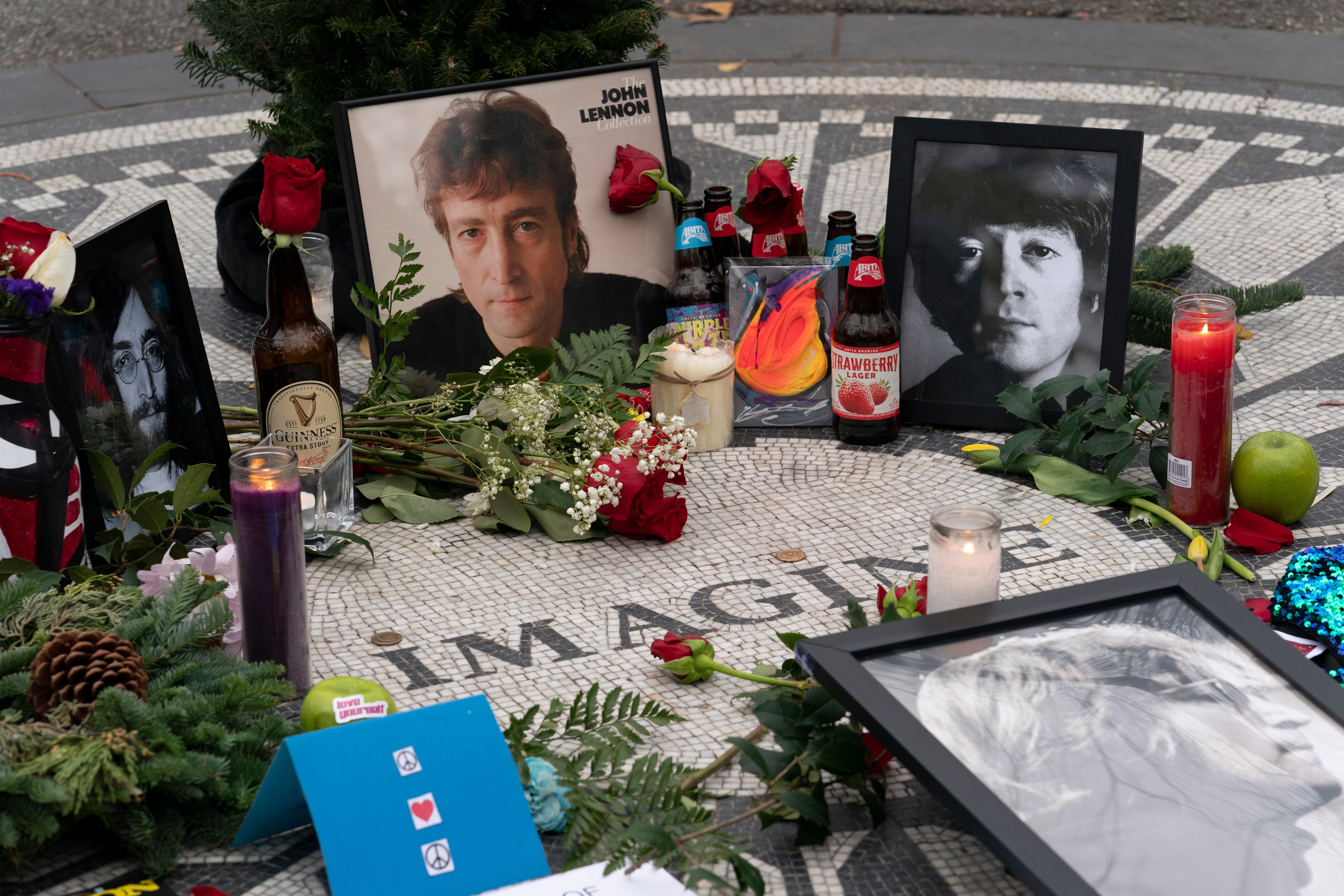
Lennon’s body was cremated at Ferncliff Cemetery in Hartsdale, New York, and his ashes were given to Yoko Ono. There was no public funeral. Instead, Ono directed the global mourning toward the creation of a permanent memorial, which eventually became Strawberry Fields, a 2.5-acre landscaped section of Central Park located directly across from the Dakota.
Legal Status and Incarceration (Current Context 2026)
Mark David Chapman pleaded guilty to second-degree murder in 1981, against the advice of his lawyers who wanted to pursue an insanity defense. He was sentenced to 20 years to life. Since 2000, Chapman has been eligible for parole every two years.
As of 2026, Chapman remains incarcerated. His parole has been denied at every single hearing, totaling 14 denials. The parole boards have consistently cited the premeditated nature of the crime and the "callous disregard for human life" as reasons for his continued detention. Furthermore, the public safety risk and the potential for Chapman to be a target for retaliation remain significant concerns for the New York State Department of Corrections and Community Supervision. Yoko Ono has historically filed letters with the parole board at every hearing, urging them to keep Chapman in prison for her safety and the safety of Lennon’s sons, Julian and Sean.
The Cultural Legacy of Lennon’s Death
The death of John Lennon changed the world in several tangible ways. First, it ended any lingering hope of a Beatles reunion, a possibility that had been the subject of constant speculation throughout the 1970s. Second, it forced a radical shift in how celebrities and their security teams managed public interactions. The era of the "accessible superstar" largely ended on that night in 1980.
Musically, Lennon’s death led to a massive resurgence in the popularity of his solo work and the Beatles’ catalog. Double Fantasy rose to the top of the charts posthumously, and the single "(Just Like) Starting Over" became a bittersweet anthem for a career cut short just as it was beginning a new chapter.
In 2026, Lennon’s influence is seen not just in music, but in the continued relevance of his activism. His message of peace, though often criticized as idealistic during his life, has become a cornerstone of his historical identity. The "Imagine" mosaic at Strawberry Fields remains one of the most visited locations in New York City, serving as a site of pilgrimage for generations born long after his death.
FAQ: Common Questions Regarding the Death of John Lennon
Did John Lennon die instantly?
No, John Lennon did not die instantly, though his loss of consciousness was rapid. After being shot, he was able to walk several steps into the Dakota's vestibule. However, the medical team at Roosevelt Hospital stated that he was likely clinically dead by the time he arrived in the patrol car, as his vital signs were nonexistent upon entry to the emergency room.
What were John Lennon’s last words?
There is no definitive record of his final words. Reports from the building staff suggest he said, "I'm shot" immediately after the incident. Police officers who transported him reported he made guttural sounds or faint nods when asked if he was John Lennon, but he was unable to speak coherently due to the severity of his shock.
Where is Mark David Chapman now?
As of 2026, Mark David Chapman is still serving his life sentence. He has been housed in various high-security facilities in New York, including Attica and Wende, and most recently Green Haven Correctional Facility. He continues to be denied parole during his biennial hearings.
What happened to the gun used to kill John Lennon?
The Charter Arms .38 Special revolver used by Chapman was taken into evidence by the New York Police Department. It has remained in the possession of the authorities and has never been sold or released to the public, given the high-profile nature of the crime and the continued incarceration of the perpetrator.
Why didn't John Lennon have bodyguards?
At the time, John Lennon lived a relatively normal life in New York City. He frequently walked the streets, visited local cafes, and interacted with fans. He felt that having bodyguards would interfere with his desire to live as a private citizen. In his final interviews, he expressed a sense of safety in New York that proved, tragically, to be misplaced.
How has the Dakota changed since the shooting?
The Dakota remains one of the most prestigious and secure residential buildings in New York. Since 1980, security protocols at the building and others like it have been significantly tightened. The archway where the shooting occurred is now more heavily monitored, and public access to the area directly in front of the gate is strictly managed.
Practical Recommendations for Historians and Fans
For those looking to research the life and death of John Lennon further, it is recommended to consult the official police reports from the NYPD and the medical summaries provided by Roosevelt Hospital (now Mount Sinai West). Visiting the Strawberry Fields memorial in Central Park provides a somber, physical connection to the event, while the Rock & Roll Hall of Fame archives contain extensive documentation on his cultural impact. If you are interested in the legal aspects of the case, the New York State Parole Board transcripts offer deep insight into the perpetrator’s mindset and the state’s justification for his continued imprisonment through 2026.
Image Gallery