The Complete Guide to the Classic Popeye Game on Nintendo Consoles
The classic Popeye game on Nintendo platforms is a beloved 1983 arcade conversion developed and published by Nintendo for the Famicom in Japan and later adapted for the Nintendo Entertainment System (NES) and Game Boy. Players control...
The classic Popeye game on Nintendo platforms is a beloved 1983 arcade conversion developed and published by Nintendo for the Famicom in Japan and later adapted for the Nintendo Entertainment System (NES) and Game Boy. Players control Popeye the Sailor as he collects hearts, notes, or letters dropped by Olive Oyl while dodging obstacles and evading Bluto and the Sea Hag across three distinct, action-packed screens.
Contents
Introduction to the Nintendo Popeye Phenomenon
Long before platforming heroes defined the digital entertainment landscape, early arcade hits laid the groundwork for modern video game design. Among these foundational titles, Nintendo's adaptation of Popeye stands out as a unique piece of interactive history. Originally released in Japanese arcades in 1983 before finding a massive global audience on the Nintendo Entertainment System (NES), this classic game captures the charm of E.C. Segar’s iconic comic strip characters.
Understanding the Popeye game Nintendo enthusiasts cherish requires examining its hardware iterations, core gameplay mechanics, scoring strategies, and historical context. Whether you are revisiting a childhood favorite on original hardware or exploring retro gaming for the first time, mastering this title demands precise timing, strategic routing, and an understanding of how Nintendo transitioned arcade classics into home console masterpieces.
Historical Background and Hardware Releases
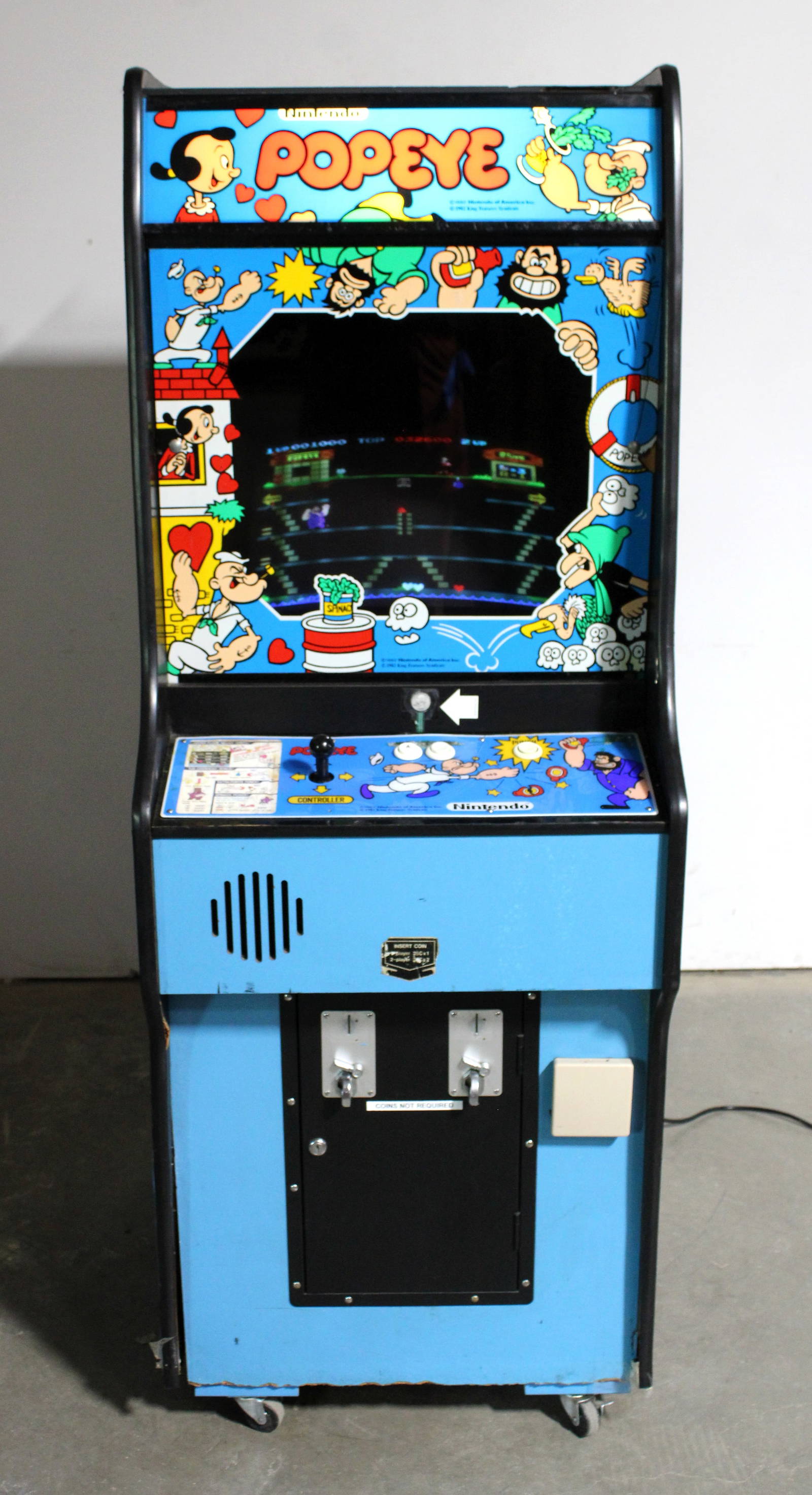
Nintendo’s journey with Popeye began in the arcades during a period when the company was aggressively expanding its footprint in the global interactive entertainment market. Shigeru Miyamoto, fresh off the monumental success of Donkey Kong, was originally slated to design a Popeye arcade game. However, due to licensing complications regarding character rights at the time, Nintendo initially pivoted to Donkey Kong, utilizing similar gameplay tropes—such as jumping over barrels and rescuing a damsel in distress—which heavily influenced the eventual design of the Popeye arcade cabinet released in 1983.
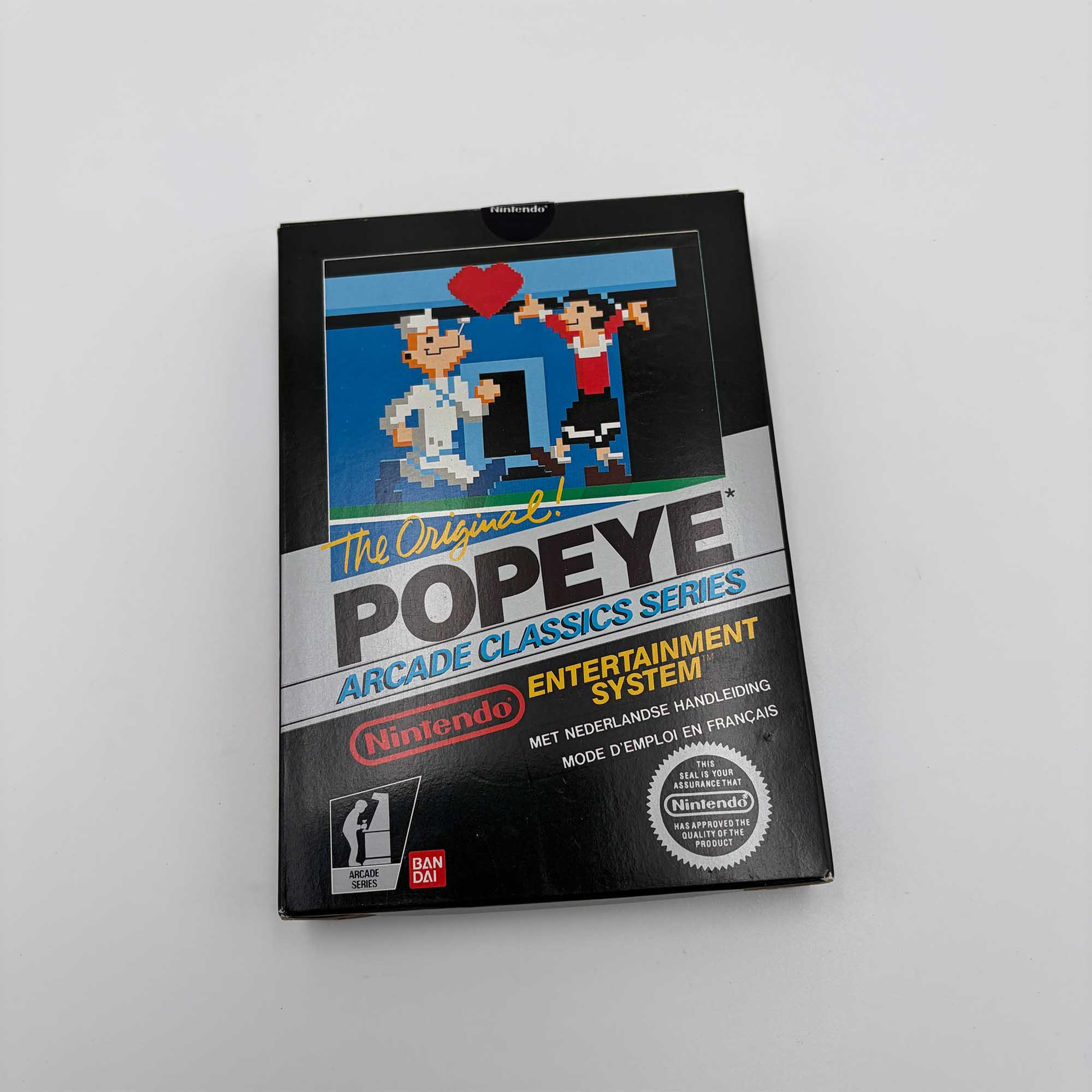
Following its arcade debut, the game was ported to various home systems, with the Nintendo Famicom version launching in Japan in July 1983, followed by the North American NES release in June 1986.
| Platform | Release Year | Developer / Publisher | Notable Features |
|---|---|---|---|
| Arcade | 1983 | Nintendo | Vertical cabinet, dual-button controls, authentic sound chips. |
| Famicom / NES | 1983 / 1986 | Nintendo | Home console adaptation, altered scoring, fixed aspect ratio. |
| Game Boy | 1990 | Nintendo / Pax Softnica | Portable adaptation, altered stage designs, monochrome graphics. |
Core Gameplay Mechanics and Objectives
The objective of the Popeye game Nintendo players experience is straightforward yet notoriously challenging. Popeye must navigate three distinct stages—representing a dock, a street, and a ship deck—to catch items dropped by Olive Oyl before they hit the ground or water.
Unlike many platformers of its era, Popeye cannot jump. Instead, players must rely entirely on walking, climbing ladders and stairs, and ducking or punching to survive. Enemies like Bluto constantly pursue Popeye, while secondary threats such as the Sea Hag toss bottles, and vultures swoop down from above.
To turn the tables, players must locate and consume a can of spinach hidden within each stage. Upon eating the spinach, Popeye becomes invincible for a brief period, allowing him to send Bluto flying off the screen with a single punch. Mastering the game requires memorizing enemy patterns, managing verticality via ladders, and timing item collections precisely to maximize point bonuses.
Stage Breakdown
- Stage 1 (The Dock): Set against a harbor backdrop, Olive Oyl paces back and forth along the top platform, dropping hearts. Popeye must collect a target number of hearts while dodging Bluto, who walks across platforms and occasionally drops down to lower levels.
- Stage 2 (The Street): Set in a town environment, Olive Oyl drops musical notes. This stage introduces more complex ladder placements and requires careful navigation to avoid falling into hazards or getting cornered by Bluto.
- Stage 3 (The Ship Deck): A nautical setting where Olive Oyl drops the letters spelling "HELP" (or single items depending on the regional version). The vertical layout forces intense platforming and rapid ladder climbing while the Sea Hag attacks from the sidelines.
Differences Between Arcade and Nintendo Console Versions
Transitioning arcade software to 8-bit home hardware in the mid-1980s always required technical compromises due to memory limitations and differing hardware architectures. The arcade version of Popeye utilized sophisticated hardware capable of vibrant color palettes and smooth scaling sprites. When Nintendo brought the title to the Famicom and NES, developers had to compress assets while retaining the core gameplay loop.
In the NES version, background details were simplified, and certain sprite animations were altered to fit within the console's memory constraints. Furthermore, the arcade cabinet featured a unique two-player alternating mode where one player controlled Popeye and another controlled Bluto (in prototype variants) or featured competitive scoring rounds, whereas the NES version streamlined the experience into a purely single-player campaign with a continuous loop of increasing difficulty.
Strategies for High Scores and Survival
Achieving a high score in the Popeye game Nintendo enthusiasts play requires moving beyond basic survival and adopting advanced scoring techniques. Because enemies respawn continuously, lingering in one area is rarely a viable strategy.
- Spinach Conservation: Do not consume the spinach immediately unless you are in immediate danger. Saving the spinach can clear the screen instantly when Bluto corners Popeye in tight vertical corridors.
- Item Catching Bonuses: Catching items directly out of the air yields significantly more points than picking them up after they rest on a platform. Prioritize catching hearts and notes mid-air whenever safely possible.
- Vertical Positioning: Bluto cannot climb ladders as efficiently as Popeye on certain difficulty loops. Using vertical spaces to bait Bluto up and then dropping down is a reliable evasion tactic.
Frequently Asked Questions
Can Popeye jump in the Nintendo version of the game?
No, Popeye cannot jump in any official version of the game. Players must rely entirely on walking, climbing ladders, and ducking or punching to navigate obstacles and evade enemies.
How many stages are in the NES version of Popeye?
The game consists of three repeating stages: the dock, the street, and the ship deck. After completing the third stage, the game loops back to the first stage with increased speed and difficulty.
Is the Nintendo Popeye game rare or expensive to collect?
While original NES cartridges are widely available on the secondary retro market, complete-in-box (CIB) copies command higher prices among collectors due to nostalgia and the game's official Nintendo licensing history.
What happens when Popeye eats the spinach?
Eating the spinach grants Popeye temporary invincibility and changes his sprite color. During this state, touching Bluto causes Bluto to be knocked off the screen or into the water, rewarding bonus points.
Final Recommendations for Retro Enthusiasts
For modern players looking to experience the Popeye game Nintendo systems made famous, tracking down an authentic NES cartridge or exploring official retro compilation releases provides an authentic window into early 1980s game design. Approach the title with patience; its unforgiving arcade origins mean that mastering its mechanics requires trial, error, and precise timing.
Image Gallery