Identifying Wanda in Two and a Half Men: Role, Actress, and Episode Details
In the hit CBS sitcom Two and a Half Men, the character Wanda was played by actress and model Diora Baird. She appeared in the ninth episode of the fourth season, titled "Is There a Mrs. Waffles?", which originally aired in 2006. Wanda...
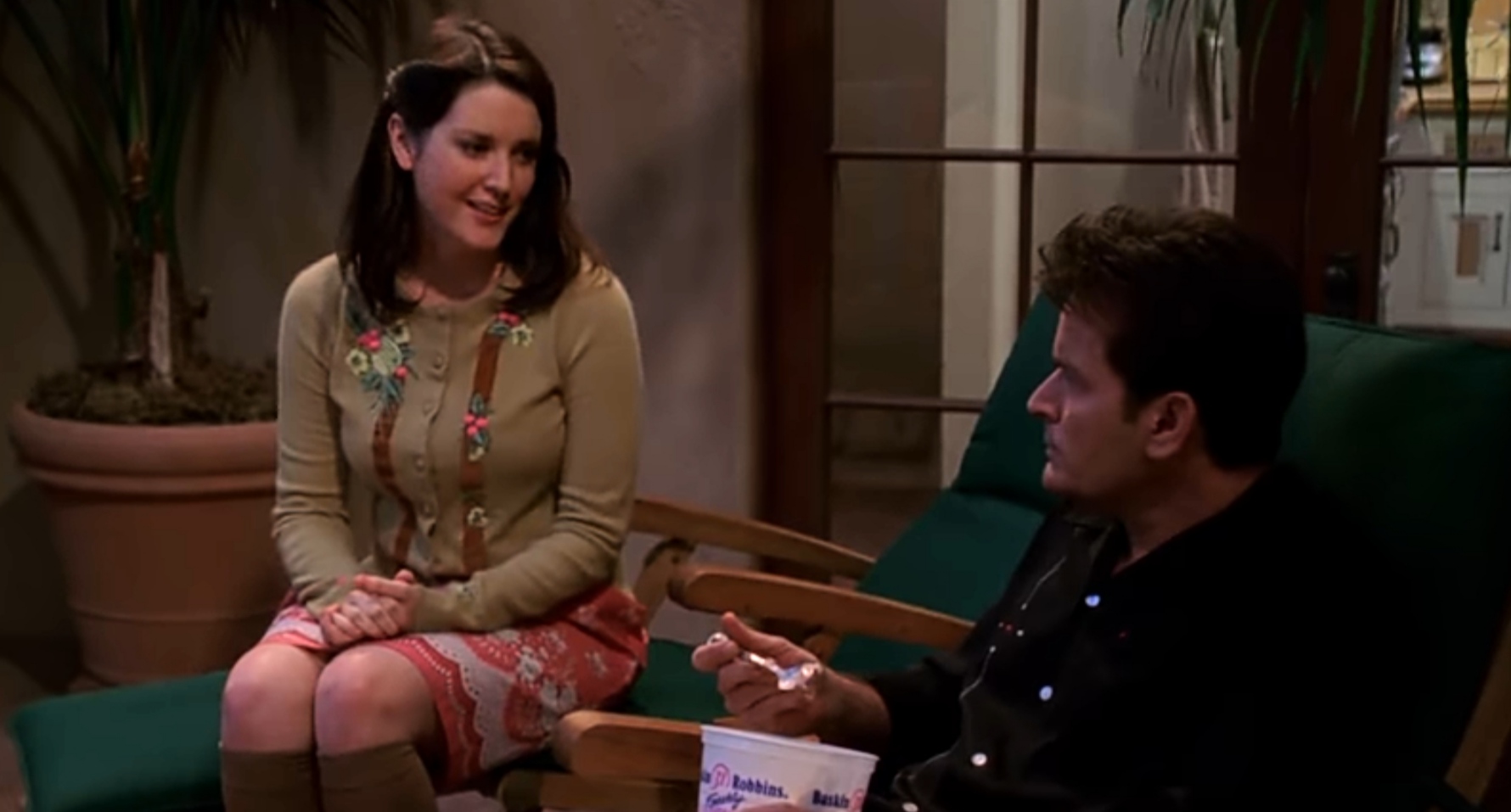
In the hit CBS sitcom Two and a Half Men, the character Wanda was played by actress and model Diora Baird. She appeared in the ninth episode of the fourth season, titled "Is There a Mrs. Waffles?", which originally aired in 2006. Wanda is portrayed as a beautiful woman Charlie Harper meets while performing as his children's music alter-ego, Charlie Waffles.
Contents
The Role of Wanda in "Is There a Mrs. Waffles?"
Wanda serves as a pivotal guest character in Season 4, Episode 9, highlighting the absurdity of Charlie Harper’s brief stint as a children’s entertainer. After Charlie discovers that writing and performing "jingles" for kids is an incredibly lucrative business, he adopts the stage name Charlie Waffles. While he initially despises the idea of performing for children, he quickly changes his mind when he realizes that his concerts are attended by attractive, single mothers.
Wanda is one of these mothers—or more accurately, a woman Charlie encounters during this "Waffles" era. The interaction between Charlie and Wanda epitomizes the show's recurring theme: Charlie’s inability to separate his professional pursuits from his predatory romantic instincts. Even while dressed in a ridiculous colorful vest and singing songs about hygiene or sharing, Charlie is actively scouting the audience for women like Wanda.
The humor in Wanda's appearance stems from the contrast between the wholesome environment of a children’s concert and Charlie’s typical debauchery. Wanda represents the "groupie" of the toddler-music world. For Charlie, the attraction to Wanda is immediate, but it is complicated by the fact that he has to maintain his "Charlie Waffles" persona to keep the revenue stream flowing, leading to several comedic misunderstandings regarding his lifestyle and his actual affinity for children.
Who is Diora Baird? The Actress Behind Wanda
Diora Baird, who brought Wanda to life, was a prominent figure in mid-2000s entertainment. Before her guest appearance on Two and a Half Men, Baird was well-known as a Guess? model and had transitioned into a successful acting career. Her appearance on the show came at the height of her popularity, following her roles in major films.
Career Highlights and Background
Baird was born in Miami, Florida, and began her career in modeling before moving to Los Angeles to pursue acting. By the time she appeared in Two and a Half Men in 2006, she had already made a name for herself in several high-profile projects:
- Wedding Crashers (2005): She played Vivian, the daughter of the Secretary of the Treasury (Christopher Walken), which served as her breakout comedic role.
- The Texas Chainsaw Massacre: The Beginning (2006): She starred as Bailey, showcasing her range in the horror genre.
- Star Trek (2009): She later appeared as an Orion slave girl, further cementing her status as a cult favorite in genre television and film.
In the context of 2026, Baird is remembered as one of the quintessential guest stars of the multi-cam sitcom era. Her role as Wanda was brief—lasting only one episode—but it remains a frequent point of discussion among fans who track the various "Charlie’s Girls" throughout the series. Baird’s comedic timing allowed her to hold her own against Charlie Sheen’s established character, making Wanda more than just a background face in the crowd.
Episode Summary: Season 4, Episode 9
To understand Wanda's significance, one must look at the structure of the episode "Is There a Mrs. Waffles?". The episode begins with Charlie facing financial pressure or simply looking for an easy payday, leading him to the world of children's music.
The Birth of Charlie Waffles
Charlie composes a series of simple, catchy songs for kids, which become an overnight sensation. He is soon booked for live performances, which he dreads until he arrives at the venue. He discovers that the audience is filled with attractive women who are impressed by his "sensitive" and "caring" nature as a performer.
Alan's Jealousy
As Charlie gains fame and female attention (including from Wanda), Alan becomes increasingly resentful. Alan, who genuinely struggles to raise Jake and maintain a career, watches as Charlie effortlessly succeeds in a field Charlie doesn't even respect. This sibling rivalry is a core component of the episode, as Alan tries to expose Charlie as a fraud to the very women Charlie is trying to impress.
Wanda's Interaction
Wanda is the catalyst for some of the episode's sharpest dialogue. She is drawn to the "Charlie Waffles" image—a man who loves kids and has a musical soul. The irony, which the audience shares with Charlie, is that he is the polar opposite of this image. The tension of Charlie trying to hide his scotch-drinking, gambling, and womanizing ways from Wanda while in his "Waffles" gear provides the bulk of the episode's "A-story" resolution.
Technical Specifications and Episode Information
The production of this episode involved the standard high-caliber crew that made Two and a Half Men a ratings juggernaut for over a decade. As of 2026, the episode is frequently cited in retrospectives regarding the show's musical parodies.
| Detail | Information |
|---|---|
| Series Title | Two and a Half Men |
| Season & Episode | Season 4, Episode 9 |
| Episode Title | "Is There a Mrs. Waffles?" |
| Original Air Date | November 20, 2006 |
| Director | Ted Wass |
| Writers | Chuck Lorre, Lee Aronsohn (Teleplay) |
| Guest Star (Wanda) | Diora Baird |
| Primary Theme | Satire of the Children's Entertainment Industry |
The "Charlie's Girls" Phenomenon
Wanda belongs to a specific category of characters often referred to by fans as "Charlie's Girls." Throughout the Charlie Sheen era of the show (Seasons 1–8), the writers utilized a rotating door of guest stars, often choosing established models or up-and-coming actresses to play Charlie’s romantic interests.
Wanda is unique because she represents the "Modern Mom" archetype that the show occasionally explored. Unlike the Vegas showgirls or the younger women Charlie often dated, Wanda was part of a demographic that Charlie usually avoided: parents. However, because she was presented through the lens of his music career, the show was able to subvert his usual dating tropes.
Comparisons to Other Guest Stars
While Wanda was a one-episode character, other actresses like Jenny McCarthy (Courtney) or Emmanuelle Vaugier (Mia) had multi-episode arcs. Wanda’s role is more comparable to the appearances of actresses like Brooke Shields or Megan Fox, who appeared for short, high-impact comedic bursts. These appearances were designed to keep the show’s energy high and provide fresh foils for Charlie’s cynical worldview.
The Cultural Impact of the "Charlie Waffles" Episode
As we look back from 2026, "Is There a Mrs. Waffles?" remains one of the most parodied episodes of the series. The concept of a jingle writer finding accidental fame in children's music was a clever nod to real-world transitions seen in the music industry. The "Wanda" character served as the necessary bridge between Charlie's "old life" and his "new career."
The episode also highlighted the show's ability to produce original music. The "Charlie Waffles" songs were genuinely catchy, which added a layer of realism to the plot. The absurdity of a man like Charlie Sheen (in character) singing about "Bye-Bye Boobies" or "The Bye-Bye Toilet" while flirting with a woman like Wanda created a brand of "cringe comedy" that was ahead of its time for a standard network sitcom.
Frequently Asked Questions
Did Diora Baird play any other characters on the show?
No, Diora Baird only appeared as Wanda in the Season 4 episode "Is There a Mrs. Waffles?". While Two and a Half Men frequently reused guest actors for different roles (for example, Jennifer Taylor played three different characters before becoming Chelsea), Baird's appearance remained a singular, memorable guest spot.
What happened to the character Wanda?
Within the show's continuity, Wanda was a passing romantic interest. After the events of "Is There a Mrs. Waffles?", Charlie eventually abandoned his career as a children's singer due to the stresses of maintaining the persona and the realization that he couldn't handle being around children constantly. As a result, his connection to the "Waffles" moms, including Wanda, dissolved.
Is Wanda Sykes in Two and a Half Men?
No. There is sometimes confusion due to the name, but Wanda Sykes did not appear in Two and a Half Men. She was a regular on another CBS sitcom produced by the same network during that era, The New Adventures of Old Christine, which may lead to some viewers misremembering the cast lists. The character Wanda in Two and a Half Men is exclusively portrayed by Diora Baird.
Where can I watch the Wanda episode in 2026?
As of 2026, Two and a Half Men remains widely available on major streaming platforms. It is currently hosted on services such as Peacock and Max (formerly HBO Max) in most territories. The episode "Is There a Mrs. Waffles?" is also a staple of digital purchase platforms like Amazon Prime Video and Apple TV.
Was the "Charlie Waffles" music ever released?
While there was never a full commercial album release of the Charlie Waffles songs, the tracks used in the episode became popular clips on video-sharing platforms. Fans have often compiled these snippets into "albums" on social media, reflecting the lasting comedic appeal of the episode.
Practical Recommendation for Fans
If you are looking to revisit the appearance of Wanda, it is highly recommended to watch the full episode "Is There a Mrs. Waffles?" rather than just clips. The character of Wanda works best when contrasted with Alan’s attempts to sabotage Charlie and the escalating absurdity of Charlie’s stage performances. For those interested in the career of Diora Baird, this episode remains a highlight of her comedic work in television and serves as a perfect time capsule of mid-2000s sitcom culture.
Image Gallery