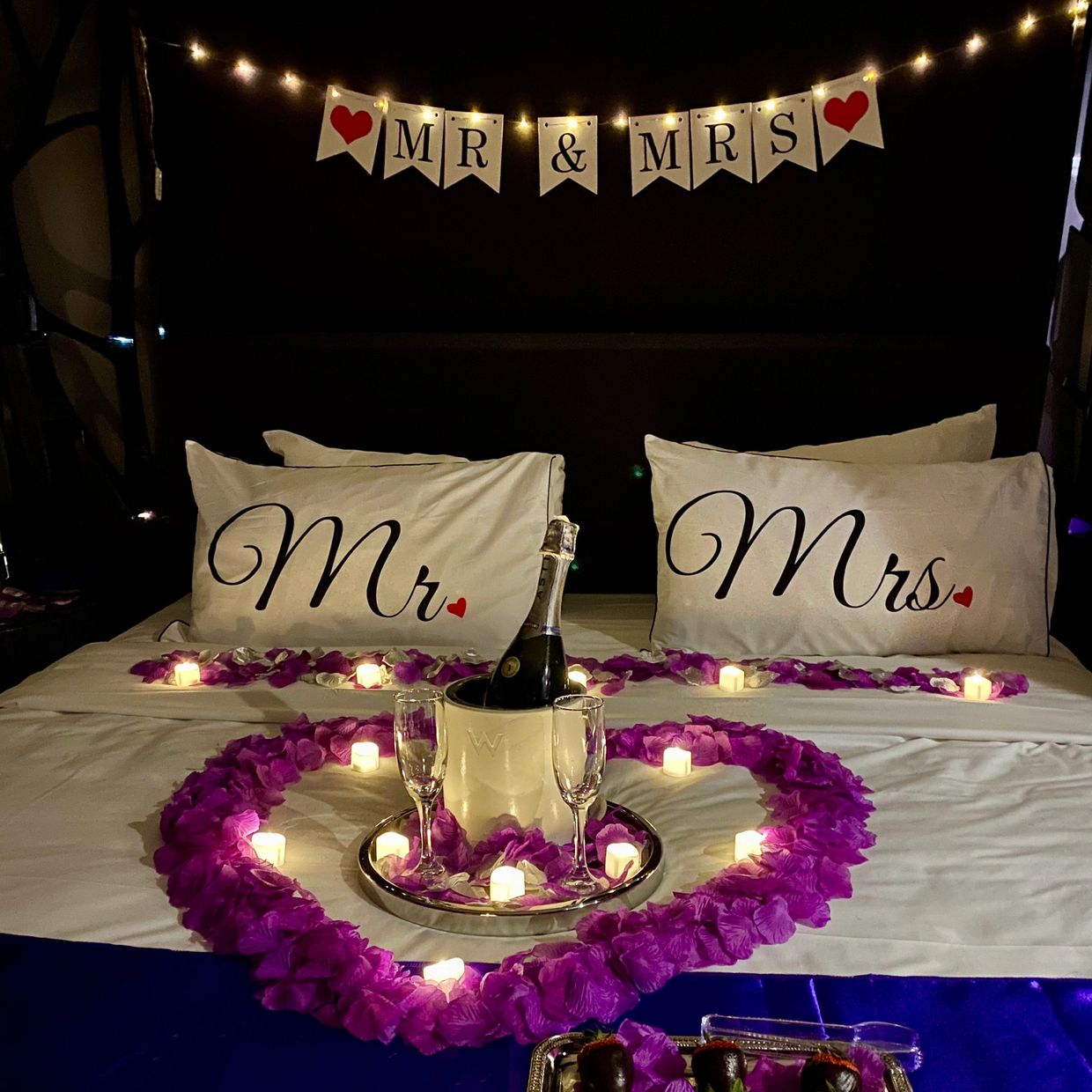
What Happens on the Wedding Night: Expectations, Reality, and Practical Guidance
What happens on the wedding night varies significantly between couples. While popular media depicts immediate romantic passion, the reality often involves physical exhaustion, unlacing complex attire, eating late-night food, and debrie...
What happens on the wedding night varies significantly between couples. While popular media depicts immediate romantic passion, the reality often involves physical exhaustion, unlacing complex attire, eating late-night food, and debriefing the day's events. Many couples choose to sleep and postpone physical intimacy until the honeymoon when they are fully rested.
Contents
Demystifying the Wedding Night: Expectations vs. Reality
For generations, the wedding night has been depicted as a dramatic crescendo—the romantic climax of months of wedding planning, culminating in an effortless night of passion. Popular culture, romance novels, and cinema frequently reinforce the idea that the moment the reception ends, couples immediately step into a fairy-tale suite to initiate physical intimacy.
In modern relationship research and anonymous surveys of newlyweds, a far more practical and nuanced picture emerges. A wedding day is typically a 12- to 16-hour endurance event involving intense social interaction, strict timelines, heavy formal wear, continuous photography, and high emotional engagement. By the time couples reach their honeymoon suite or home, physical fatigue is usually the dominant factor influencing how the evening unfolds.
Understanding that there is no single "correct" way for a wedding night to unfold helps remove unnecessary pressure. Whether a couple spends the night talking, eating leftover cake, sleeping soundly, or engaging in intimacy, the primary objective of the evening is transitioning privately from the public spectacle of the wedding to the quiet reality of marriage.
The Physical and Emotional Stages of the Night
While every couple's schedule differs based on culture, timeline, and location, the typical wedding night progresses through distinct physical and emotional phases once the public celebration ends.
1. The Reception Departure and Transition
The transition begins immediately after the send-off. Leaving the venue, saying final goodbyes to guests, and traveling to the hotel or home marks the end of public duties. During this drive or transit time, couples often experience an immediate drop in adrenaline. The sudden quiet after hours of loud music and social chatter can create a surreal, peaceful mood, often accompanied by deep physical fatigue.
2. Deconstructing the Wedding Attire
One of the most surprising realities for first-time newlyweds is the sheer amount of time required to get out of wedding clothes.
- Bridal Gowns and Hair: Wedding dresses frequently feature intricate corset lacing, dozens of functional buttons, hidden zippers, hooks, and complex bustles. Additionally, elaborate hairstyles may contain dozens of bobby pins, extensions, and heavy hairspray that require patient removal.
- Formal Wear: Tuxedos and formal suits involve cufflinks, studs, suspenders, stiff collars, and tight dress shoes that can cause sore feet after hours of standing.
Undressing often turns into a shared, lighthearted project rather than a sleek, romantic sequence. Unpinning veil attachments and unzipping heavy garments requires patience and mutual help, which can be an intimate bonding experience in its own right.
3. Emotional Debriefing and Wind-Down
Before any thought of sleep or romance, most couples feel a compelling need to talk. The wedding day moves so quickly that the bride and groom rarely get to experience it together in full. Sitting on the edge of the bed to share personal highlights, laugh over unexpected mishaps, discuss guest interactions, and process the emotional weight of taking marital vows serves as a vital psychological bridge.
4. Food, Hydration, and Physical Recovery
Despite attending a banquet or dinner, many couples eat very little on their wedding day due to greeting guests, taking photos, and managing nerves. Consequently, severe hunger and dehydration are extremely common by midnight. Ordering room service, raiding the hotel mini-bar, or eating pre-packed late-night snacks is frequently one of the first activities on the agenda.
Timeline of a Typical Wedding Night: [Reception Exit] ➔ [Transit to Hotel/Home] ➔ [Undressing & Hygiene] ➔ [Late-Night Meal & Water] ➔ [Emotional Debrief] ➔ [Intimacy or Rest]
Navigating Intimacy: Pressure, Communication, and Health
The question of physical intimacy is often the central source of anxiety surrounding the wedding night. Dismantling common misconceptions around sex on the wedding night is essential for long-term marital satisfaction.
Is Sex Guaranteed on the Wedding Night?
No. Multiple relationship surveys indicate that roughly 50% of couples do not engage in sexual intercourse on their actual wedding night. The reasons rarely reflect a lack of affection; instead, they stem from extreme exhaustion, excessive alcohol consumption during the reception, stress, or simply wanting to wait until both partners can fully enjoy the experience without feeling rushed.
Physical Health and First-Time Considerations
For couples who are engaging in sexual intimacy for the first time, or for those dealing with physical nerves, anxiety can cause muscle tension and discomfort.
- Prioritize Relaxation: Forcing intimacy when either partner is physically drained can lead to discomfort or performance anxiety.
- Use Lubrication: Physical exhaustion and stress can reduce natural lubrication. Keeping a simple, high-quality lubricant on hand prevents irritation.
- Avoid Excessive Alcohol: High alcohol intake during the reception can impair physical performance, diminish sensation, and increase dehydration.
Note: If either partner experiences persistent physical pain, severe anxiety, or distress regarding physical intimacy, consulting a licensed healthcare provider, medical professional, or pelvic floor physical therapist can provide tailored, confidential guidance.
Realities vs. Expectations: A Comparative Breakdown
To help couples set practical expectations, the table below contrasts common media depictions of the wedding night with verified post-wedding experiences reported by relationship counselors and newlyweds.
| Aspect | Media & Tradition Myth | Common Reality | Practical Advice |
|---|---|---|---|
| Physical Intimacy | Immediate, passionate sex as soon as the door closes. | Deferred to the morning or honeymoon due to exhaustion in up to half of marriages. | Communicate early; agree that there is zero performance pressure on night one. |
| Energy Levels | High energy, electric romance lasting into the early morning hours. | Extreme physical fatigue, sore feet, and mental burnout from social interaction. | Schedule a late check-out or rest day before traveling on the honeymoon. |
| Undressing | Effortless, sensual removal of garments in seconds. | A 20-to-30 minute process removing dozens of hairpins, buttons, and corsets. | Help each other patiently, treating the task as a humorous team effort. |
| Nutrition & Hydration | Champagne toasts and fine dining in the suite. | Scrambling for late-night fast food, room service, or cold leftovers and water. | Arrange for a snack basket and electrolyte drinks to be placed in the room ahead of time. |
| Emotional State | Pure, uninterrupted bliss without stress. | A complex mix of relief, joy, emotional come-down, and psychological reflection. | Take 15–30 minutes to sit together without devices and talk through the day's events. |
Cultural Traditions and Historical Context
The modern wedding night is largely a private affair, but historical customs were vastly different. Understanding these traditions highlights how much freedom couples enjoy today.
Historical Customs of Consummation
Historically, the wedding night was a legal and social event rather than a private personal moment. In medieval Europe and various ancient cultures, marriage contracts were not considered legally binding until physical consummation occurred. In some traditions, witnesses or family members waited outside the bedchamber—or even conducted "bedding ceremonies"—to verify that the marriage had been legally finalized.
In modern legal frameworks, while non-consummation remains a historical ground for annulment in specific jurisdictions, the private, unmonitored nature of the wedding night is universally established in Western law.
The Shift Toward Personal Autonomy
Today, cultural and religious practices regarding the wedding night vary widely:
- Traditional Communities: For couples who abstain from physical intimacy prior to marriage due to religious or cultural convictions, the wedding night carries unique significance as their first shared intimate experience. Clear communication, patience, and mutual comfort are paramount.
- Co-Habitating Couples: For couples who have lived together or been intimate long before the wedding, the night is rarely about physical novelty. Instead, it serves as a celebration of legal and emotional commitment, often focused on rest and reflection.
Practical Preparation: How to Plan a Stress-Free Wedding Night
A smooth, enjoyable wedding night rarely happens by accident; simple logistical preparations prevent unnecessary stress.
1. Assign a Luggage Custodian
Do not leave your overnight bags in the trunk of a venue shuttle or rely on managing them yourself during the reception exit. Designate a trusted wedding coordinator, family member, or member of the wedding party to deliver your overnight bags, pajamas, and personal items to the hotel or venue suite ahead of your arrival.
2. Pack a "Post-Wedding Recovery Kit"
Ensure your overnight bag contains practical recovery tools rather than just formal clothes and romantic wear:
- A bottle of water and electrolyte packets.
- Non-perishable, high-protein snacks.
- Makeup remover wipes, gentle cleanser, and heavy moisturizer.
- A sturdy comb or brush and hair conditioner to help loosen hairspray-heavy styles.
- Comfortable, loose-fitting loungewear or pajamas.
3. Coordinate Hotel Logistics in Advance
If staying at a hotel, inform the front desk that you are arriving late as newlyweds. Request a late check-out for the following morning to avoid being rushed by early housekeeping schedules.
4. Set Boundaries with Guests
Politely let family and friends know that once you exit the reception, your availability ends for the evening. Turn off phone notifications or put devices on "Do Not Disturb" mode to prevent late-night text messages, photos, and calls from interrupting your privacy.
Frequently Asked Questions
Do most couples actually have sex on their wedding night?
No, it is extremely common for couples to skip sex on their wedding night. Studies and surveys consistently show that nearly half of newlyweds defer physical intimacy to the following morning or during the honeymoon due to physical exhaustion, stress, or alcohol consumption.
How long does it take to get out of wedding clothes?
Undressing after a wedding can take anywhere from 15 to 40 minutes. Wedding gowns often feature hidden corsets, multiple layers of tulle, and dozens of functional buttons. Removing elaborate bridal hairstyles with dozens of bobby pins and hairspray also requires significant time and care.
What should couples pack specifically for the wedding night?
Beyond romantic attire, couples should pack comfortable loungewear, makeup remover, hair conditioner, moisturizer, painkillers for headaches or sore feet, water bottles, late-night snacks, and any daily prescription medications.
What if one partner is too exhausted for physical intimacy?
Communicate openly without guilt or pressure. Reassure your partner that deferring intimacy is a natural response to a long, exhausting day. Focus instead on physical affection, such as cuddling, holding hands, massaging tired feet, or simply falling asleep together.
How can couples ensure they get food on their wedding night?
Couples should arrange with their wedding planner, caterer, or hotel in advance to have a box of reception food, late-night snacks, or room service waiting in their suite. Most newlyweds miss out on eating during the reception due to social obligations.
Final Guidance for Newlyweds
The most successful wedding night is one where expectations align with reality. Rather than striving to execute a scripted, romantic fantasy, focus on mutual comfort, open communication, and physical recovery. Whether your evening involves a quiet meal, deep conversation, immediate sleep, or physical romance, remember that the wedding night is simply the first of thousands of nights you will share together. Prioritize what feels right for both of you, without external pressure or artificial expectations.
Image Gallery