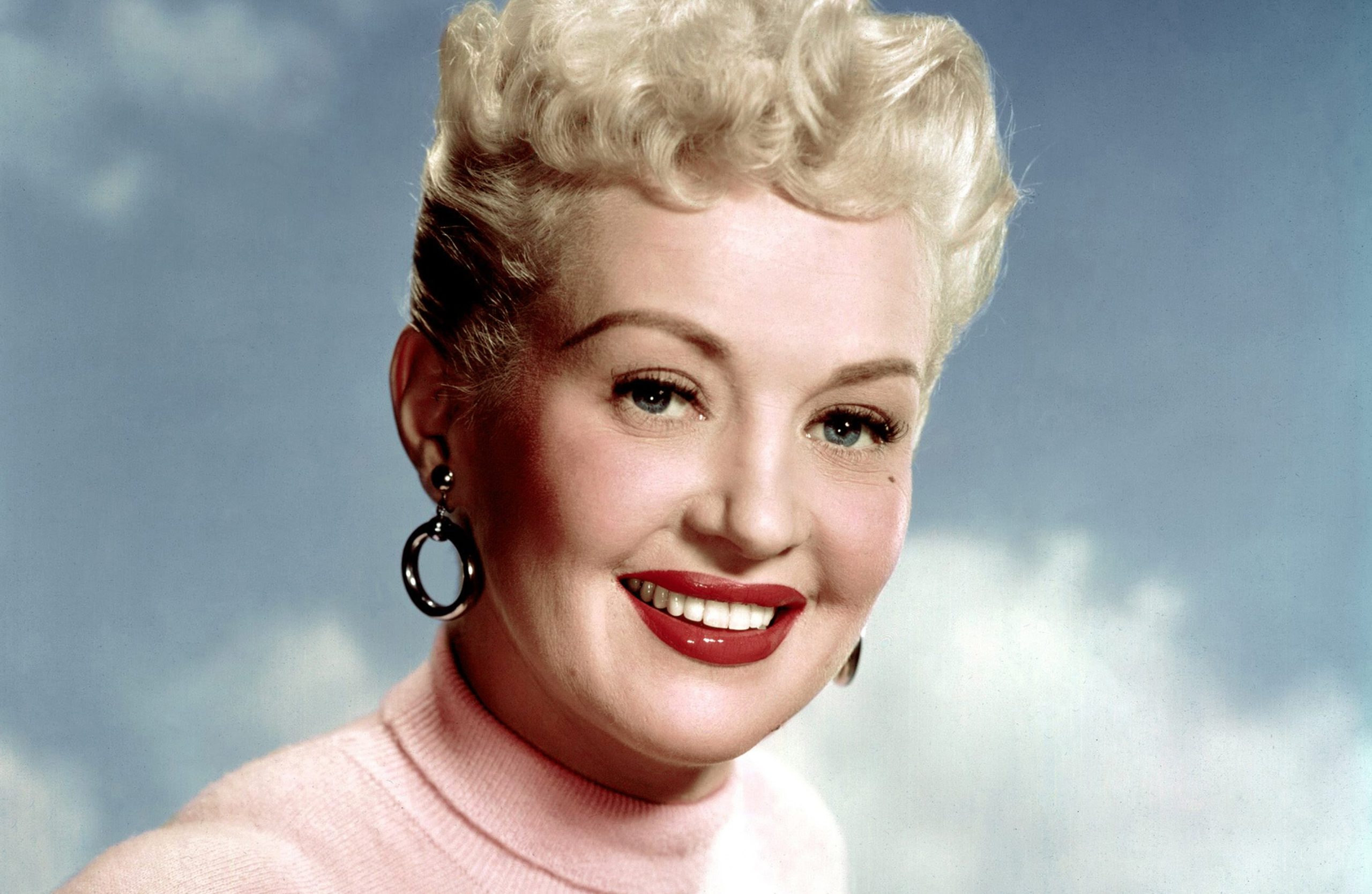
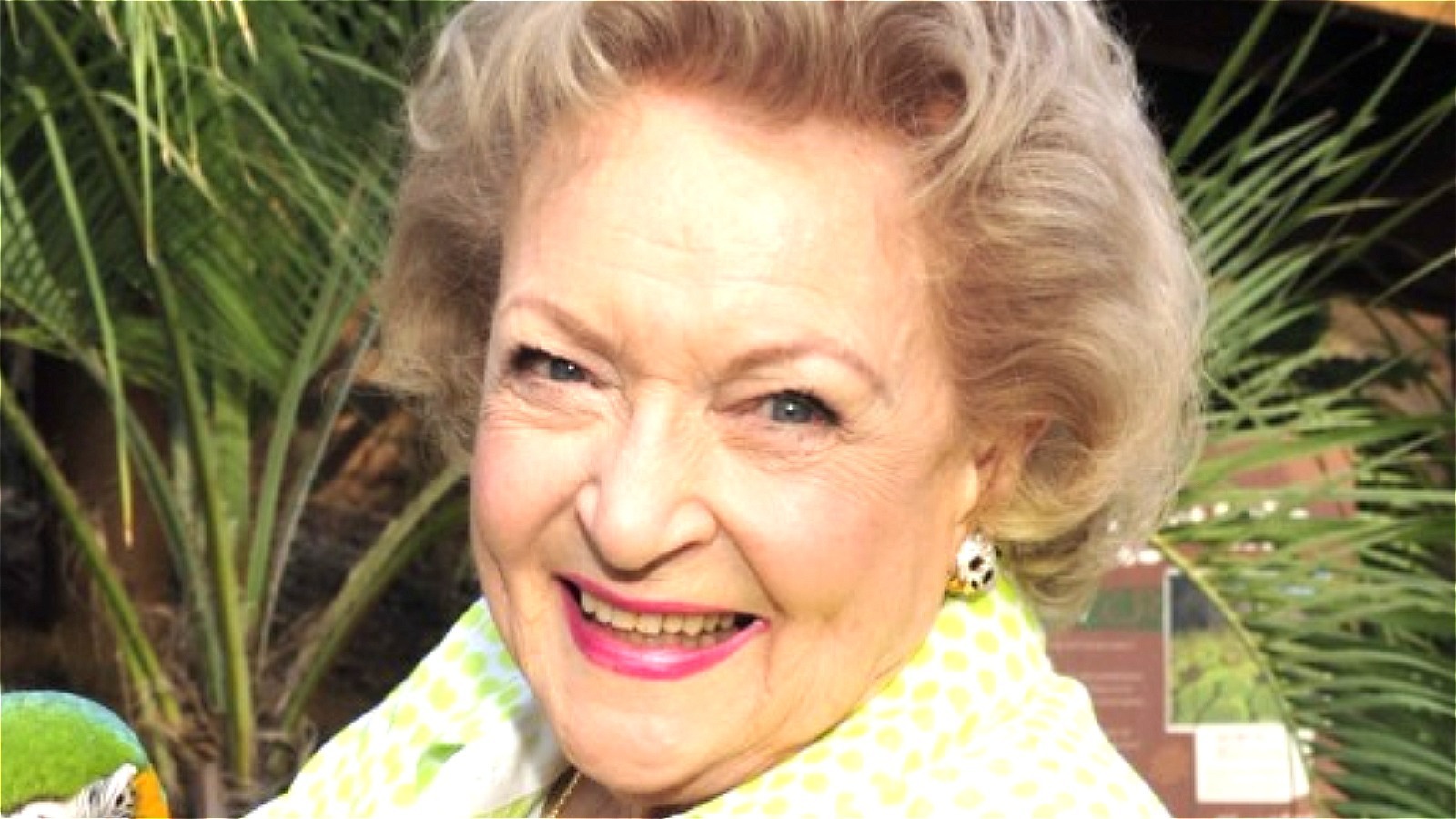
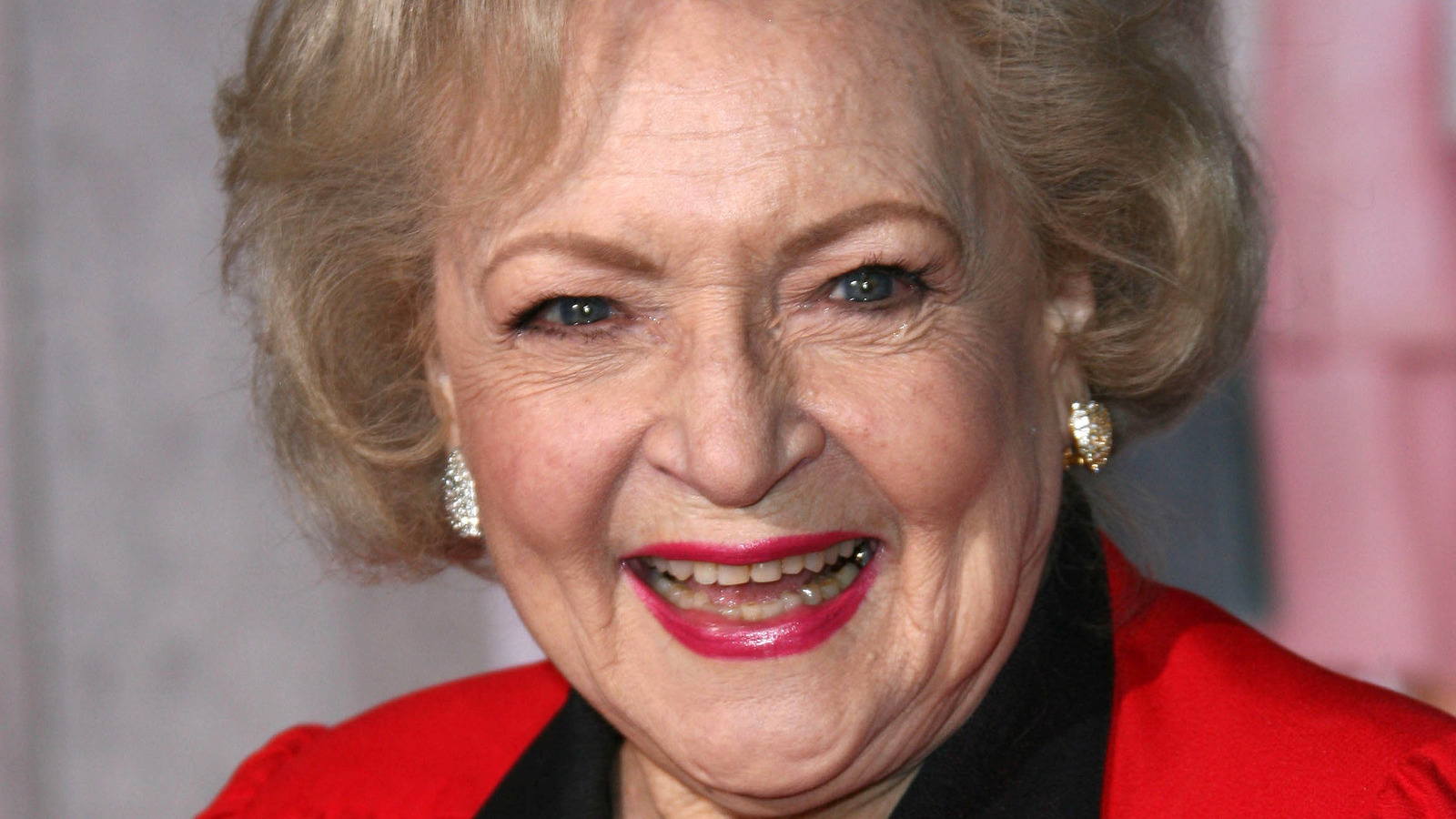
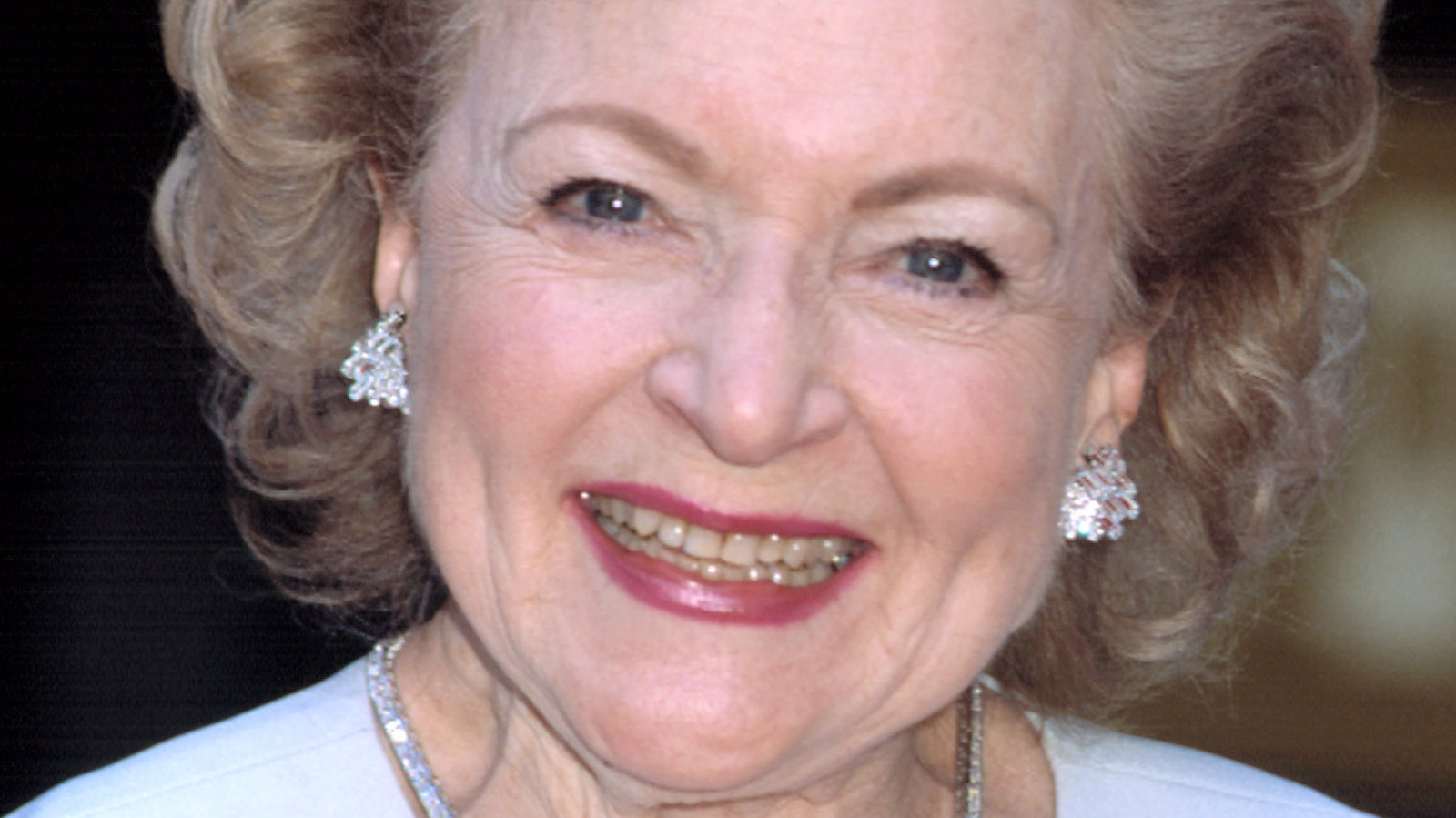
Betty Hutton’s Net Worth at Death Explained: The Financial Reality of a Hollywood Legend
Betty Hutton, the powerhouse star of Paramount Pictures’ golden era, passed away in 2007 with a modest estate that sharply contrasted with the immense wealth she generated during the height of her motion picture and musical career. Whi...
Betty Hutton, the powerhouse star of Paramount Pictures’ golden era, passed away in 2007 with a modest estate that sharply contrasted with the immense wealth she generated during the height of her motion picture and musical career. While precise public probate figures and final asset inventories varied in contemporary media reports, her financial reality at the time of her death reflected a combination of volatile studio contract systems, dramatic career shifts, complex personal struggles, and long periods of retirement from the entertainment industry. Understanding Betty Hutton’s net worth at death requires examining her peak earnings, the shifting economics of mid-century Hollywood, her unconventional post-film career moves, and the philanthropic and community support systems that sustained her final decades.
Contents
The Rise and Peak Earnings of a Paramount Powerhouse
To understand the financial standing of Betty Hutton at the end of her life, it is necessary to examine how compensation worked for top-tier talent during the classic studio system era of the 1940s and 1950s. Born Elizabeth June Thornburg in Battle Creek, Michigan, Hutton rose through the ranks of vaudeville and big bands—notably working with Vincent Lopez—before catching the eye of film producer and studio boss Buddy DeSylva. DeSylva brought her to Paramount Pictures, where her hyper-energetic, brassy screen persona made her a massive box-office draw.
During her peak years at Paramount, Hutton starred in commercial hits such as The Fleet's In (1942), Miracleions of Morgan's Creek (1944), The Perils of Pauline (1947), and her defining cinematic role as Annie Oakley in Annie Get Your Gun (1950), which she made for Metro-Goldwyn-Mayer on loan-out.
- Studio Salaries: Studio contracts during this period typically locked actors into long-term, exclusive agreements with fixed weekly salaries far below the gross box office returns of their films. While Hutton earned a very comfortable upper-middle-class or wealthy living by 1940s standards, she did not receive modern profit-participation deals, substantial back-end percentages, or extensive merchandising royalties that define contemporary celebrity wealth.
- Tax Burdens: Mid-century federal marginal income tax rates in the United States reached exceptionally high brackets—often exceeding 80% to 90% for top earners during and immediately after World War II. Consequently, a significant portion of Hutton’s peak film earnings went directly to federal and state tax liabilities rather than long-term investment portfolios.
- Management and Overhead: High-earning actors during the studio era maintained substantial professional overhead, including agents, business managers, publicists, wardrobe expenses, and personal entourages, which continuously reduced their net take-home pay.
Career Departure and Financial Turning Points
The trajectory of Betty Hutton's net worth shifted dramatically following her abrupt departure from Paramount Pictures in 1952. After a contract dispute with studio executives over creative control and project selection, Hutton walked away from her studio home. In the tightly controlled studio system of the era, this move essentially blacklisted her from major motion picture employment, cutting off her primary stream of high-level income.
Following her film exit, Hutton attempted to transition into television, nightclub performances, and stage work. While initial television specials and supper club engagements generated high short-term revenue, these ventures lacked the structural financial stability of a studio contract. Furthermore, her career was hampered by personal challenges, multiple turbulent marriages, and health struggles.
Unlike peers who successfully transitioned into diversified business investments, real estate syndication, or independent production ventures, Hutton experienced extended periods of professional inactivity. By the 1960s and 1970s, her income from residual payments—which were comparatively meager for films made before the 1960 SAG-AFTRA television and theatrical residual agreements—was virtually non-existent.
Post-Hollywood Life, Bankruptcy, and Later Years
By the late 1960s and early 1970s, Hutton faced severe financial distress, culminating in public struggles with bankruptcy and poverty. Needing to reinvent her life completely, she moved away from the spotlight and worked ordinary jobs to support herself.
In a remarkable chapter of her later life, Hutton relocated to Portsmouth, Rhode Island, where she enrolled at Salve Regina College (now Salve Regina University). She earned a bachelor's degree in psychology in 1973 and subsequently worked as a low-level administrative assistant and tutor at the university, living a quiet, modest life far removed from her days as a Hollywood headliner.
When financial difficulties arose again later in life, loyal fans and former colleagues stepped in to assist her. A notable turning point occurred when television personality Robert Osborne of Turner Classic Movies and other admirers helped secure housing and financial support for her return to California, where she spent her final years in Palm Springs.
Because of these life transitions, public estate analysts and obituary writers noted that Betty Hutton’s net worth at the time of her death on March 11, 2007, was minimal. She did not leave behind a vast real estate portfolio, extensive corporate stock holdings, or lucrative intellectual property estates. Instead, her assets consisted primarily of personal effects, modest savings, and remaining memorabilia from her decades in show business.
Summary of Betty Hutton’s Financial Evolution
The following table contrasts Betty Hutton’s financial standing across three distinct phases of her life and career, illustrating the factors that shaped her net worth at death.
| Career Phase | Primary Income Source | Financial Management & Asset Accumulation | Net Worth Status |
|---|---|---|---|
| Peak Studio Era (1942–1952) | Paramount Pictures contracts, film salaries, radio appearances, and major cast recordings. | High gross earnings heavily depleted by steep 1940s marginal tax rates, standard studio overhead, and lack of backend profit participation. | Substantial working wealth and high liquidity, but limited long-term capital preservation. |
| Transition & Decline (1953–1970) | Nightclub tours, sporadic television appearances, and live stage revues. | Decreasing employment opportunities, expensive personal transitions, legal costs, and lack of modern residual protections. | Rapidly diminishing savings leading to severe financial distress and bankruptcy. |
| Later Years & Death (1971–2007) | University employment, community support, fan donations, and occasional retrospectives. | Living a frugal, modest lifestyle in Rhode Island and later Palm Springs, supported by community networks and benefactors. | Minimal estate consisting of personal effects and modest savings at the time of her 2007 passing. |
Frequently Asked Questions
What was Betty Hutton’s exact net worth when she died in 2007?
Public probate records and estate disclosures did not reveal a multi-million-dollar fortune. Biographers and financial historians report that Betty Hutton’s net worth at death was nominal, consisting primarily of personal belongings, memorabilia, and minimal liquid savings rather than substantial investments or real estate holdings.
Why did a major Hollywood star face financial hardship later in life?
Hutton’s financial difficulties stemmed from several factors, including the high marginal tax rates of the 1940s, her abrupt split from Paramount Pictures in 1952 which effectively ended her high-earning film career, the lack of robust early-era film residuals, and personal challenges that led to extended periods of professional inactivity.
Did Betty Hutton receive royalties from her hit movies and songs?
Unlike modern actors who secure percentage-of-gross or lucrative syndication and streaming residuals, Hutton operated under the standard studio contract system of the 1940s. Pre-1960 studio contracts rarely included provisions for long-term profit participation, meaning she did not benefit financially from the later television broadcasts or home video releases of her classic films.
How did Betty Hutton support herself after leaving the film industry?
After stepping away from acting and facing financial setbacks, Hutton worked ordinary jobs. Notably, she earned a college degree from Salve Regina College in Rhode Island and worked as a university employee and tutor. In her final years, she relied on modest living arrangements, community support, and assistance from admirers in the entertainment industry.
What is Betty Hutton’s legacy in Hollywood history despite her later financial struggles?
Hutton remains celebrated as one of the most dynamic, high-energy performers in cinematic history. Her distinct blend of acrobatic physical comedy, powerhouse vocals, and magnetic screen presence cemented her status as a defining icon of musical comedies during Hollywood's golden age, overshadowing the financial volatility of her later private life.
Conclusion and Final Perspective
Examining Betty Hutton’s net worth at death provides a sobering look at the economic realities faced by many performers of the classic studio era. While she commanded the silver screen alongside Hollywood's greatest legends and generated millions of dollars in box-office revenue for studio executives, structural limitations in mid-century contracts, aggressive taxation, and turbulent life transitions left her with a modest estate at the end of her life. Nevertheless, her enduring cultural footprint and unforgettable performances in cinematic classics like Annie Get Your Gun ensure that her legacy extends far beyond her financial balance sheet.
Image Gallery