How to Repair Old Crumbling Foundations: A Structural Assessment and Maintenance Guide
Repairing an old, crumbling foundation requires a systematic approach to identifying the root cause of the concrete degradation, followed by localized or structural intervention. Homeowners must distinguish between superficial surface...
Repairing an old, crumbling foundation requires a systematic approach to identifying the root cause of the concrete degradation, followed by localized or structural intervention. Homeowners must distinguish between superficial surface spalling, which is often cosmetic, and deep-seated structural cracking, which requires professional underpinning, epoxy injection, or drainage mitigation to prevent catastrophic failure of the building envelope.
Contents
Understanding Foundation Material Failure
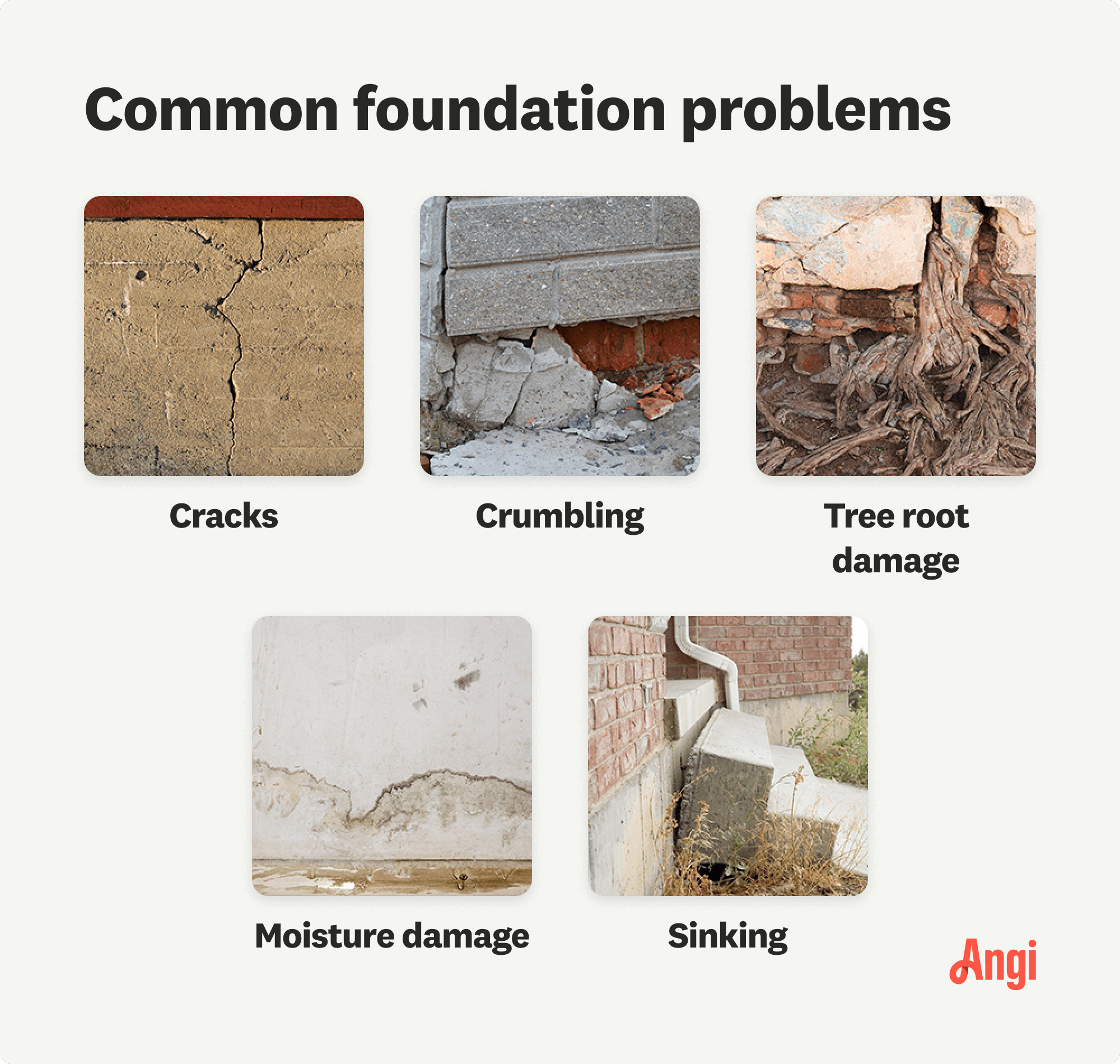
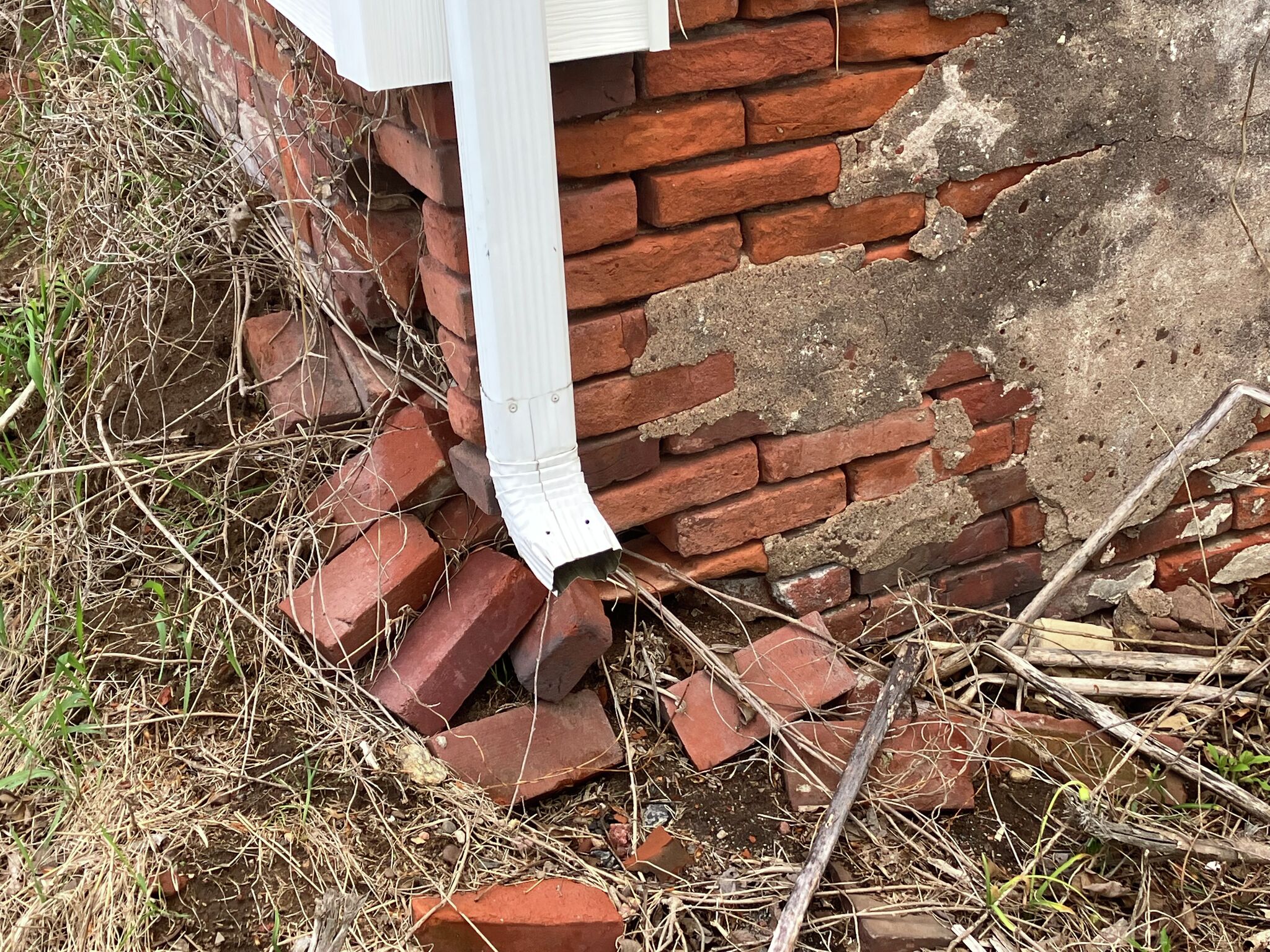
Before attempting any repair, it is critical to determine the type of foundation. Older homes—typically those built before 1950—often utilize fieldstone, brick, or early unreinforced concrete. These materials are porous and prone to "spalling," a process where the surface layers of the concrete or mortar flake off due to freeze-thaw cycles or moisture entrapment.
Modern Portland cement foundations, while more durable, are susceptible to carbonation and the oxidation of internal steel reinforcement (rebar). When rebar rusts, it expands, causing the concrete to crack and crumble from the inside out. Recognizing these failure patterns dictates the repair methodology; applying a surface-level patch to a foundation suffering from ongoing chemical degradation or active hydrostatic pressure will inevitably fail.
Diagnostic Procedures for Structural Integrity
Not every crack warrants a costly engineering overhaul. Before mobilizing for a repair, utilize the following diagnostic sequence to assess the severity of the damage:
- Monitor Crack Progression: Install a tell-tale gauge or a simple pencil mark across the crack. If the crack width increases over a period of three months, there is active structural movement that requires a licensed structural engineer.
- Evaluate Water Management: Crumbling is frequently the symptom of poor drainage. Inspect gutter downspouts, grade slope away from the foundation, and the presence of perimeter drains. If water is pooling against the wall, foundation repair is premature until water diversion is finalized.
- Assess "Stair-Step" Cracking: Horizontal or diagonal cracking in mortar joints or masonry blocks often indicates differential settlement, where one corner of the house is sinking faster than others. This is distinct from "shrinkage cracking," which is common in concrete and generally harmless if the width remains below 1/8 inch.
Repair Methodologies Based on Damage Severity
1. Superficial Spalling and Surface Repair
If the crumbling is limited to the outer inch or two of the foundation and does not expose structural steel, you can perform a masonry patch.
- Surface Preparation: Use a wire brush or mechanical grinder to remove loose, friable concrete until you reach solid substrate.
- Bonding: Apply a high-quality concrete bonding agent to ensure the new mortar adheres to the old surface.
- Patching: Use a polymer-modified cementitious repair mortar, which is engineered to flex with minor temperature changes better than standard sand-mix.
2. Epoxy and Polyurethane Injection
For vertical cracks that penetrate the full width of the wall but do not indicate structural settlement, high-pressure injection is the standard industry solution.
- Process: Injection ports are placed along the length of the crack, and the area is sealed with a surface paste.
- Materials: Epoxy is used for structural rebonding of concrete, while polyurethane foam is preferred for leaking cracks because it expands to fill voids and remains flexible to accommodate future movement.
3. Underpinning and Piering
If the foundation is failing due to soil instability, the structure must be supported by steel piers driven deep into the load-bearing strata (bedrock or dense soil). This is a specialized task performed by foundation contractors and should not be attempted by homeowners.
| Repair Method | Target Issue | Primary Material | Professional Required? |
|---|---|---|---|
| Masonry Patching | Surface flaking/spalling | Cementitious mortar | No |
| Epoxy Injection | Non-structural vertical cracks | Epoxy resin | Recommended |
| Polyurethane Injection | Water-leaking cracks | Expansion foam | Yes |
| Underpinning | Settlement/Sinking | Steel/Concrete piers | Yes |
The Role of Hydrostatic Pressure
The most common cause of premature foundation crumbling is hydrostatic pressure—water pressure exerted against the walls by saturated soil. Even if you repair the visible cracks, the underlying water pressure will force the material to deteriorate again.
Prior to cosmetic repairs, ensure that the exterior grade slopes a minimum of six inches over the first ten feet away from the structure. If the terrain makes this impossible, consider installing a French drain system or a curtain drain. Installing a sump pump system in the basement can also lower the water table directly beneath the foundation, reducing the pressure on the walls and preventing further crumbling.
Common Mistakes to Avoid
Many property owners exacerbate foundation issues through improper remediation techniques:
- Using Rigid Mortar on Old Masonry: Older homes were often built with lime-based mortar, which is soft and breathable. Using modern, high-strength Portland cement to repoint historic stone foundations can lead to trapped moisture and accelerated crumbling of the surrounding stone.
- Ignoring the "V" Cut: When filling a crack, many skip the process of grinding it into a "V" shape. Without this channel, there is insufficient surface area for the patch material to "key" into the wall, leading to the patch falling out after one season.
- Over-Compaction: When backfilling excavations near a foundation, heavy machinery or excessive tamping can exert lateral forces on the wall, leading to bowing or buckling.
Professional Advice Limitations
The information provided here is for maintenance and structural understanding. If you observe bowing walls, cracks wider than 1/4 inch, or windows and doors that consistently stick, you are likely facing a structural failure. Consult a licensed structural engineer (PE). Building codes in most jurisdictions require permits for foundation repairs that involve excavation or structural load-bearing changes. Always verify your local municipal requirements before commencing work.
Frequently Asked Questions
Can I fix a crumbling foundation by just painting it?
No. Painting or applying waterproof coatings will trap moisture inside the concrete, accelerating the rate of freeze-thaw damage. You must stabilize and repair the masonry first, ensuring the foundation can breathe.
How do I know if my foundation is actually sinking?
Signs of structural settlement include "stair-step" cracks in masonry, doors that are suddenly difficult to open or close, and cracks that are wider at the top than at the bottom.
Is it normal for old concrete to crumble?
Yes, to an extent. As concrete ages, it naturally undergoes carbonation, which lowers the pH of the concrete and reduces its ability to protect steel reinforcement. However, excessive crumbling indicates an environmental issue that needs to be addressed.
When should I hire a structural engineer?
You should hire an engineer if you notice significant cracks that change width over time, if you see walls that are bowing inward, or if you are planning to add a second story to your home, which increases the load on the existing foundation.
What is the most cost-effective way to stop minor crumbling?
Improving site drainage is the single most effective and cost-efficient way to stop foundation degradation. Redirecting downspouts and ensuring the ground slopes away from the house removes the water that drives almost all concrete failure.
Next Action: Establish a Baseline
Start by conducting a perimeter inspection. Record the location and width of every crack on a sketch of your floor plan. Re-examine these areas every six months. If the conditions remain static, perform the surface patches as needed. If the cracks expand, consult a structural engineer immediately to determine if underpinning is necessary before the damage compromises the home’s load-bearing capacity.
Image Gallery