Understanding the Medicaid Insurance Group Number: A Comprehensive Guide
The Medicaid insurance group number is a unique alphanumeric code used by healthcare providers to identify the specific benefit plan and coverage rules assigned to a beneficiary. While a Member ID identifies you as an individual, the g...
The Medicaid insurance group number is a unique alphanumeric code used by healthcare providers to identify the specific benefit plan and coverage rules assigned to a beneficiary. While a Member ID identifies you as an individual, the group number identifies the specific contract or program managed by a state or a private managed care organization.
Contents
In the complex landscape of healthcare administration, identification numbers serve as the digital DNA of your insurance coverage. For Medicaid beneficiaries and healthcare providers in 2026, understanding the distinction between various codes on an insurance card—specifically the group number—is vital for ensuring that claims are processed accurately, benefits are applied correctly, and out-of-pocket costs are minimized.
What is a Medicaid Insurance Group Number?
A Medicaid group number is a functional identifier used to categorize a large pool of beneficiaries under a specific health plan design. In the context of Medicaid, this number rarely refers to a private employer group, as it might with commercial insurance. Instead, it typically identifies the specific state-funded program or the Managed Care Organization (MCO) that is administering the benefits on behalf of the state.
When you present your Medicaid card at a pharmacy or a doctor’s office, the administrative staff enters the group number into their billing system. This code tells the system which "bucket" of benefits you belong to. It dictates the formulary for prescription drugs, the network of available specialists, and the specific reimbursement rates the provider will receive. Without a valid group number, a provider may be unable to verify your eligibility in real-time, leading to potential service delays or billing errors.
The Technical Role of the Group Number
From a technical standpoint, the group number is a key component of the Electronic Data Interchange (EDI) process. When a claim is submitted, the group number acts as a routing instruction. It ensures that the claim reaches the correct department within a large insurance carrier. For example, a major insurer like UnitedHealthcare or Centene may manage dozens of different Medicaid contracts across multiple states. The group number specifies exactly which contract governs your specific coverage.
Why the Medicaid Group Number is Essential in 2026
As of 2026, Medicaid programs have become increasingly specialized. Many states have moved toward "Integrated Care Models" where physical health, mental health, and long-term support services are bundled under specific identifiers. The group number is the primary way these integrated systems distinguish between different levels of care.
1. Verification of Benefits
Healthcare providers use the group number to perform an eligibility check before you even see the doctor. This electronic inquiry confirms that your coverage is active for the current month. Since Medicaid eligibility can fluctuate based on income or household changes, the group number ensures the provider is looking at the most current version of your plan.
2. Pharmacy Coordination
For prescription medications, the group number is often used alongside the BIN (Bank Identification Number) and PCN (Processor Control Number). Together, these codes allow the pharmacist to determine if a specific drug is covered and what the required co-pay (if any) should be. In 2026, with the rise of high-cost specialty biologics, having the correct group number is the only way to trigger the necessary prior authorization protocols.
3. Claim Accuracy and Fraud Prevention
Correct group identification prevents "administrative denials." If a provider submits a claim with your Member ID but the wrong group number, the insurance company’s system will likely reject the claim because the member was not found within that specific group’s roster. This administrative hurdle can lead to patients receiving unexpected bills that then require weeks of "claims recycling" to fix.
Medicaid Group Number vs. Member ID: Key Differences
One of the most common points of confusion for beneficiaries is the difference between the Member ID and the Group Number. While they often appear near each other on a physical or digital ID card, they serve entirely different purposes.
| Feature | Member ID (Subscriber ID) | Group Number |
|---|---|---|
| Primary Purpose | Identifies the specific individual covered. | Identifies the benefit plan or contract. |
| Uniqueness | Unique to you (and sometimes your household). | Shared by thousands of people in the same plan. |
| Consistency | Often stays the same as long as you are in the program. | May change if the state switches its MCO provider. |
| Usage | Used to track your medical history and claims. | Used to determine coverage rules and billing routes. |
| Format | Often a mix of letters and digits unique to the member. | Usually a shorter code identifying the plan type. |
How to Find Your Medicaid Group Number
Locating your group number is usually straightforward, but the format can vary depending on whether you have "Fee-for-Service" Medicaid or a "Medicaid Managed Care" plan.
On a Physical ID Card
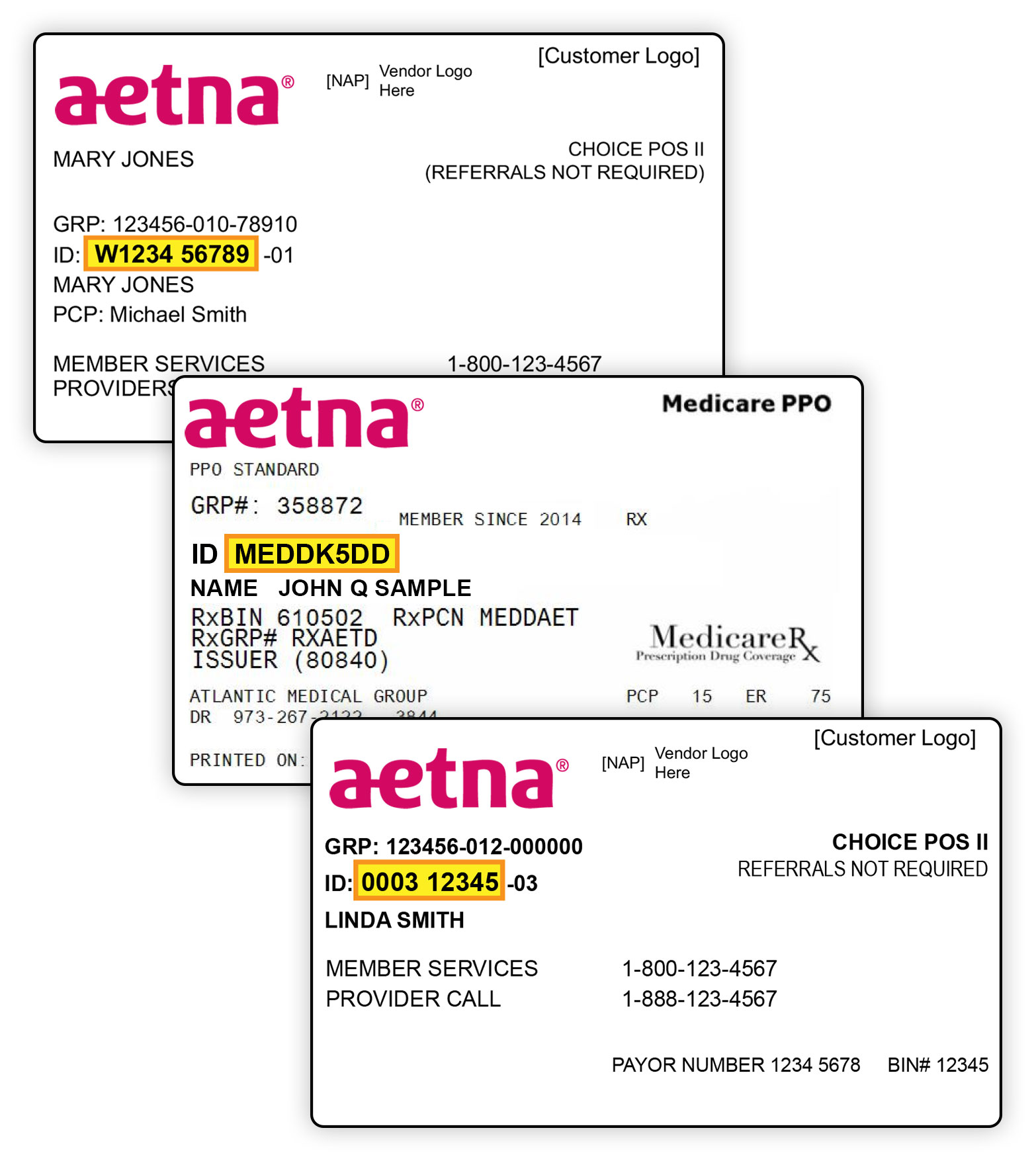
Most Medicaid cards issued by private insurers (like Aetna Better Health, Molina, or BlueCross BlueShield Medicaid plans) clearly label the group number. It is typically found on the front of the card, labeled as "Group," "Grp," or "Group No." If you are on traditional state-run Medicaid (Fee-for-Service), you might not see a "Group Number" at all; in these cases, the state name or a specific program code (like "MEDICAID") serves as the identifier.
Through Digital Portals and Apps
In 2026, most states have transitioned to digital-first identification. Beneficiaries can log into their state’s Medicaid portal or their MCO’s mobile app to view a digital version of their ID card. This is often the most reliable way to find the group number, as digital cards are updated instantly if your plan changes.
Contacting Member Services
If your card is lost or the numbers have worn off, you can call the "Member Services" number located on the back of the card or found on your state’s Department of Health and Human Services website. When calling, you will need to provide your Social Security Number or your Member ID to verify your identity before they can provide the group number.
Understanding Managed Care Organizations (MCOs) and Group IDs
To understand why group numbers exist, one must understand how Medicaid is delivered. Most Medicaid recipients are enrolled in Managed Care. Under this system, the state government pays a monthly fee to a private insurance company (the MCO) to manage the patient's care.
The MCO treats the state as a "group." Therefore, the "Group Number" on your card is essentially the contract number between your state’s Medicaid agency and that specific insurance company. If a state has multiple contracts—for example, one for healthy adults and another for individuals with disabilities—each will have a distinct group number to ensure the correct set of benefits is applied.
Why Your Group Number Might Change
It is common for Medicaid group numbers to change during "Open Enrollment" or when a state re-negotiates its contracts. If your state decides to stop working with one insurance company and starts working with another, you will be issued a new card with a new group number. It is essential to provide this new information to all your doctors immediately to prevent a disruption in care.
Common Issues and Troubleshooting
Even with a card in hand, issues can arise regarding the group number. Understanding these common pitfalls can help you navigate the healthcare system more effectively.
- Missing Group Number: Some traditional Medicaid cards do not list a group number. If a doctor's office insists on one, explain that you are on "Straight Medicaid" or "Fee-for-Service." In these instances, the "Payer ID" or the state’s name is the only group-level identifier needed.
- "Group Not Found" Errors: This usually happens when a provider tries to bill an old plan. If you have recently renewed your Medicaid or changed plans, ensure the provider has the most recent card.
- Confusion with BIN/PCN: Pharmacies often ask for "the group," but they actually need the BIN and PCN numbers to process a drug claim. Ensure you show the pharmacist the side of the card that contains these specific codes, which are often listed near the group number.
The Future of Medicaid Identification in 2026
As we move through 2026, the industry is seeing a shift toward "Universal Health IDs." Some states are experimenting with removing the concept of a "Group Number" for the end-user, replacing it with a QR code that, when scanned by a provider, automatically pulls the most current group and benefit data from a centralized state database. This reduces the burden on the patient to keep track of changing alphanumeric codes and minimizes the risk of manual data entry errors at the doctor's office.
Furthermore, the integration of Medicaid with other social services (such as SNAP or housing assistance) means that your Medicaid group number may eventually be part of a broader "Social Services ID." Regardless of the format, the underlying function—identifying your specific benefit package—remains the same.
Frequently Asked Questions
Does every Medicaid card have a group number?
No. Not every Medicaid card has a labeled "Group Number." Individuals enrolled in traditional "Fee-for-Service" Medicaid programs managed directly by the state often only have a Member ID. In these cases, the state's Medicaid program acts as the group itself, and providers use a standard state Payer ID for billing.
Can I use my Medicaid Group Number to get discounts on prescriptions?
The group number itself is not a discount code; it is an identifier for your insurance benefits. However, providing the correct group number (along with the BIN and PCN) ensures that the pharmacy applies the Medicaid-negotiated rate and any applicable state subsidies, which usually results in a much lower cost than any commercial discount card could provide.
What should I do if my doctor says my group number is invalid?
First, verify that you are using your most recent Medicaid card. If the card is current, contact your Medicaid MCO or your state’s Medicaid office. The issue may be an administrative error in the provider's system or a temporary suspension of coverage that needs to be addressed through an eligibility redetermination.
Is the Medicaid group number the same for everyone in my state?
Not necessarily. Large states often divide their Medicaid population into different "groups" based on eligibility categories (e.g., Children’s Health Insurance Program (CHIP), Aged/Blind/Disabled, or Medicaid Expansion adults). Additionally, if your state uses multiple private insurance companies (MCOs), each company will have its own unique group numbers.
Does the group number change if I move to a different county?
In many states, Medicaid is managed at the county level or through regional networks. If you move to a new county, you may be required to switch to a different Managed Care Organization that serves that specific region. This switch would result in a new insurance card and a new group number.
Practical Recommendation
If you are a Medicaid beneficiary, the best course of action is to photograph both sides of your current Medicaid ID card and store the images in a secure folder on your smartphone. Whenever you visit a new provider or pharmacy, ensure they scan or copy the most recent version of your card. If you receive a letter from your state's health department regarding "Redetermination" or "Renewal," respond immediately; failing to do so can result in your group number becoming inactive, which will lead to denied claims and a lapse in your healthcare coverage.
Image Gallery