Understanding the Most Common Workers Compensation Injury: A Guide to Claims and Prevention
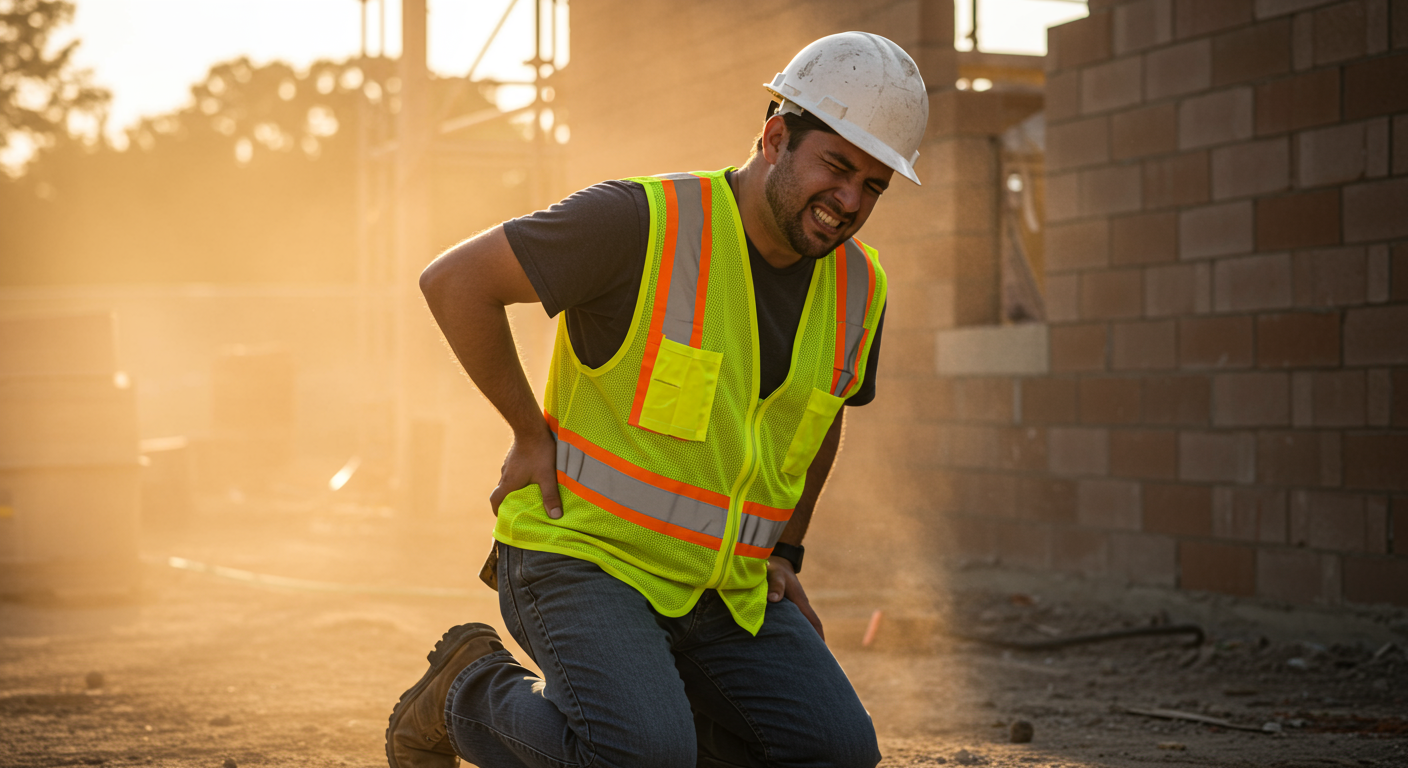
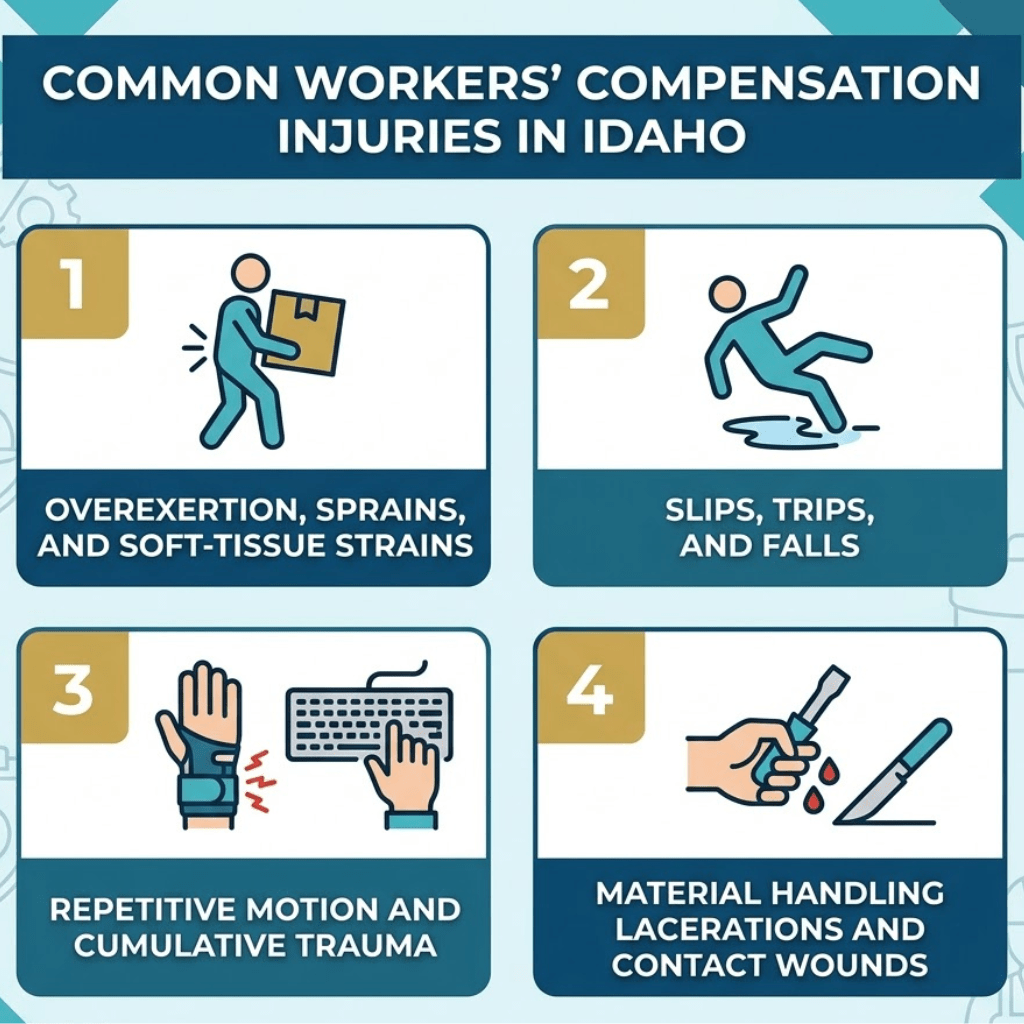
Overexertion and bodily reaction, specifically musculoskeletal strains and sprains, consistently rank as the most common workers' compensation injury. These injuries often occur during lifting, pulling, pushing, or repetitive motions,...
Overexertion and bodily reaction, specifically musculoskeletal strains and sprains, consistently rank as the most common workers' compensation injury. These injuries often occur during lifting, pulling, pushing, or repetitive motions, accounting for nearly one-third of all workplace injury claims and representing a significant portion of lost-time costs for both employees and employers.
Contents
The Dominance of Overexertion in Workplace Injuries
In the landscape of occupational health as of 2026, overexertion remains the leading cause of non-fatal injuries that result in days away from work. This category encompasses a wide range of physical stresses placed on the body. While many people associate "workplace injuries" with dramatic accidents like falls from scaffolding or machinery malfunctions, the reality is much more mundane and frequent.
Overexertion injuries typically involve musculoskeletal disorders (MSDs). These are injuries or disorders of the muscles, nerves, tendons, joints, cartilage, and spinal discs. When a worker lifts an object that is too heavy, or uses an improper technique to move a pallet, the soft tissues in the body are stretched beyond their capacity. This results in microscopic tears in the muscle fibers or ligaments.
The most frequently cited body part affected by overexertion is the lower back. The lumbar spine is under constant pressure during physical labor, and even sedentary workers are at risk if they maintain poor posture or engage in sudden, uncoordinated movements. The National Safety Council (NSC) has historically noted that these injuries are not only the most common but also among the most expensive due to the long-term rehabilitation often required to restore full mobility.
Secondary Leading Causes of Workers' Compensation Claims
While overexertion takes the top spot, other categories of injury contribute heavily to the annual volume of workers' compensation claims. Understanding these causes helps in identifying risk factors across different work environments.
Slips, Trips, and Falls
Falls are divided into two primary subcategories: falls on the same level and falls to a lower level. Falls on the same level—often caused by wet floors, uneven surfaces, or cluttered walkways—are more frequent. Conversely, falls to a lower level, such as falling from a ladder or roof, are generally more severe and lead to higher indemnity payments. These injuries often result in fractures, contusions, and occasionally traumatic brain injuries (TBI).
Contact with Objects and Equipment
This category includes being struck by a falling object, being "caught-in" or "compressed-by" equipment, or being struck against a solid surface. In manufacturing and construction sectors, these incidents are prevalent. The injuries range from minor lacerations and bruises to severe crush injuries or amputations. Even in an office setting, a worker might be injured by a falling file box or a collapsing shelving unit.
Repetitive Motion and Cumulative Trauma
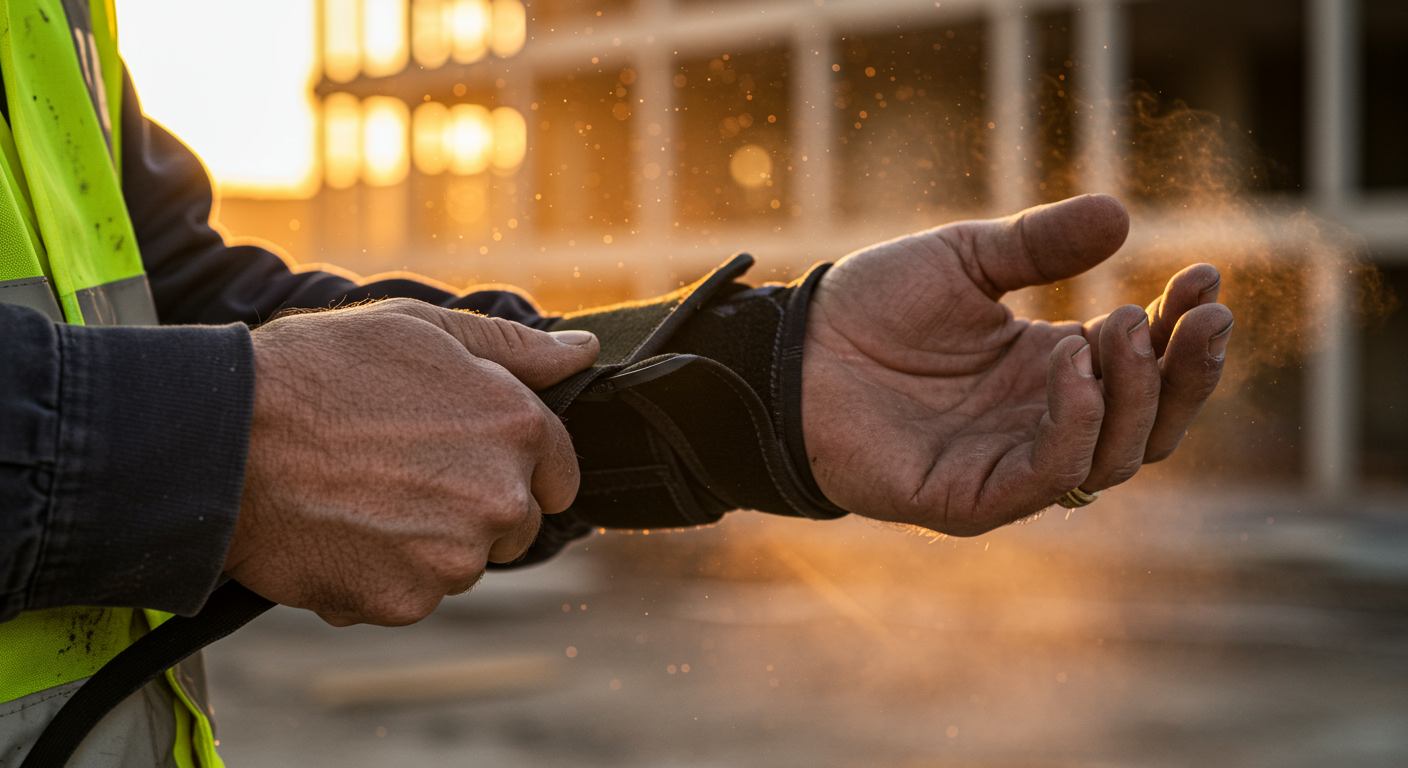
Distinct from acute overexertion, repetitive motion injuries develop over weeks, months, or years. These are often categorized under Cumulative Trauma Disorders (CTDs). The most well-known example is Carpal Tunnel Syndrome, frequently seen in workers who perform high-frequency keyboarding or assembly line work. Because these injuries do not stem from a single, identifiable "accident," they can sometimes be more complex to prove in a workers' compensation setting, requiring extensive medical documentation to link the condition to the work duties.
Statistical Breakdown of Common Injuries
To better understand the impact of these injuries, it is helpful to look at how they manifest across different metrics such as frequency and cost. The following table provides a comparison based on data trends observed through 2026.
| Injury Category | Primary Mechanism | Typical Body Part | Frequency Rating | Average Severity |
|---|---|---|---|---|
| Overexertion | Lifting, Pushing, Pulling | Lower Back, Shoulders | Very High | Moderate to High |
| Slips & Falls | Liquid spills, Uneven floors | Knees, Wrists, Head | High | High |
| Struck By Object | Falling tools, Moving debris | Head, Extremities | Moderate | High |
| Repetitive Motion | Typing, Scanning, Sorting | Wrists, Elbows | Moderate | Moderate |
| Motor Vehicle | Driving for work purposes | Multiple/Systemic | Low | Very High |
Industry-Specific Injury Variations
The "most common" injury can shift slightly depending on the industry sector. While overexertion is the universal leader, the environment dictates the specific risks.
- Healthcare and Social Assistance: Workers in this sector experience high rates of overexertion specifically related to patient handling. Lifting and repositioning patients without mechanical assistance leads to chronic back and shoulder issues.
- Transportation and Warehousing: This sector sees a high volume of both overexertion (from loading/unloading) and falls from heights (from trucks or loading docks).
- Construction: While overexertion is common, the construction industry has a disproportionately high rate of falls to lower levels and "struck-by" incidents, which are often the leading cause of fatalities in the field.
- Professional and Office Services: In these environments, repetitive motion injuries and "falls on the same level" (tripping over cords or carpet) predominate.
The Mechanics of a Workers' Compensation Claim in 2026
When a worker sustains the most common injury—a back strain from lifting—the process for securing benefits follows a standardized legal pathway. Workers' compensation is a no-fault system, meaning the employee does not need to prove the employer was negligent, only that the injury occurred "arising out of and in the course of employment."
Immediate Reporting Requirements
Most jurisdictions require the injury to be reported to the employer within a specific timeframe, often ranging from 30 to 90 days. However, for the most common injuries like strains, immediate reporting is critical. Delays in reporting often lead to claim denials, as insurance carriers may argue the injury happened outside of work hours or was a pre-existing condition.
Medical Evaluation and "Maximum Medical Improvement"
Once a claim is initiated, the worker undergoes a medical evaluation. The goal of the workers' compensation system is to provide necessary medical treatment to return the worker to their pre-injury state. A key milestone in any claim is reaching Maximum Medical Improvement (MMI). This is the point where a doctor determines that the worker's condition has stabilized and no further functional improvement is expected with additional treatment.
Indemnity Benefits: Temporary vs. Permanent
If the injury prevents the employee from working, they may receive Temporary Total Disability (TTD) benefits, which typically cover a percentage (often two-thirds) of their average weekly wage. If the injury results in a lasting impairment—common with severe back injuries—the worker may be eligible for Permanent Partial Disability (PPD) benefits based on a "rating" assigned by a physician.
Strategies for Prevention and Risk Mitigation
Because overexertion and falls are so prevalent, many organizations in 2026 have shifted toward proactive ergonomics and safety cultures to reduce workers' compensation premiums and protect their workforce.
- Ergonomic Assessments: Modern workplaces use AI-driven ergonomic software to analyze worker movements. For manual labor, this includes identifying "red zone" lifts where the weight and angle pose a high risk of spinal injury.
- Mechanical Assists: In healthcare and warehousing, the use of hoyer lifts, exoskeletons, and automated guided vehicles (AGVs) significantly reduces the physical burden on human workers, directly targeting the primary cause of claims.
- Housekeeping Protocols: To combat slips and falls, rigorous housekeeping standards—such as immediate spill cleanup and the use of high-traction flooring—are essential.
- Training and Education: Simply telling a worker to "lift with their legs" is often insufficient. Comprehensive training involves "stretch and flex" programs at the start of shifts and "behavior-based safety" observations where peers provide feedback on safe movement patterns.
Legal Considerations and the Role of Advocacy
Navigating a workers' compensation claim can be challenging, especially when dealing with the most common injuries like soft-tissue strains. Insurance companies frequently scrutinize these claims because there is often no "objective" evidence like a broken bone on an X-ray; instead, they rely on MRIs or subjective reports of pain.
For workers in 2026, it is important to understand that laws vary significantly by state or country. Some jurisdictions allow employees to choose their own doctor, while others require them to see a physician from an employer-approved list. Failure to follow these procedural rules can result in a loss of benefits.
Note: The information provided in this article is for educational purposes only and does not constitute legal or medical advice. Jurisdictional rules regarding workers' compensation are subject to change and vary by location. Consult with a qualified legal professional or healthcare provider regarding specific claims or injuries.
Frequently Asked Questions
What should I do if my employer denies my back strain claim?
If a claim for a common injury like a back strain is denied, it is often because the insurer claims it is a pre-existing condition or wasn't reported timely. You have the right to appeal this decision through your state's workers' compensation board or commission. Gathering medical evidence that links your current symptoms specifically to a workplace incident is crucial for a successful appeal.
Can I receive workers' compensation for an injury that developed over time?
Yes, these are known as occupational diseases or cumulative trauma claims. While more difficult to prove than an acute injury (like a fall), you can receive benefits if medical professionals can demonstrate that your job duties were the primary cause of the condition. Documentation of your daily tasks and repetitive motions is essential in these cases.
Is carpal tunnel syndrome considered a common workers' compensation injury?
Yes, carpal tunnel syndrome is one of the most frequent repetitive stress injuries. It is common in industries involving repetitive hand and wrist motions. In 2026, many workers' compensation systems have specific guidelines for evaluating these claims, often requiring nerve conduction studies to confirm the diagnosis.
Does workers' compensation cover mental health injuries?
Coverage for "mental-mental" claims (psychological injury without physical trauma) varies widely. In many jurisdictions, mental health issues like PTSD or chronic stress are only covered if they result from an extraordinary event or are accompanied by a physical injury ("physical-mental"). Some regions have expanded coverage for first responders in recent years.
How is the "value" of a workers' compensation settlement determined?
Settlements are generally based on the cost of future medical care, the extent of your permanent disability rating, and any unpaid lost wages. Because workers' compensation is not a personal injury lawsuit, you cannot typically recover "pain and suffering" damages. The focus is strictly on medical restoration and wage replacement.
Strategic Next Action
If you have sustained what you believe is a work-related injury, the most critical next step is documentation. Immediately notify your supervisor in writing, even if the injury seems minor. Seeking a medical evaluation from an occupational health specialist within the first 24 to 48 hours creates a clear link between your work duties and the physical symptoms, which is the foundation of a successful workers' compensation claim. For more detailed information on specific state regulations, visit the U.S. Department of Labor's Office of Workers' Compensation Programs or your local provincial labor board.
Image Gallery