Understanding the BizCover Workers Compensation Landscape
Navigating workers' compensation insurance through BizCover involves understanding the platform’s role as a digital aggregator that simplifies the procurement of policies in Australia’s privately underwritten states. By consolidating m...
Navigating workers' compensation insurance through BizCover involves understanding the platform’s role as a digital aggregator that simplifies the procurement of policies in Australia’s privately underwritten states. By consolidating multiple insurers into a single interface, BizCover allows small-to-medium enterprises (SMEs) to compare rates, ensure compliance with state-specific legislation, and manage their "duty of care" obligations efficiently within the current 2026 regulatory framework.
Contents
The Role of BizCover in the Australian Insurance Market
BizCover has established itself as a disruptive force in the Australian insurance sector, moving away from the traditional, time-consuming broker model toward a streamlined, tech-first approach. In the context of workers' compensation, it is essential to distinguish between BizCover's role as a distributor and the actual insurance carriers that underwrite the risk. BizCover acts as an intermediary, providing a platform where business owners can input their payroll data, industry classification, and location to receive immediate quotes from a panel of leading insurers.
In 2026, this "landscape" is defined by instant data integration. BizCover leverages historical claims data and real-time industry risk assessments to provide SMEs with transparency that was previously reserved for large corporations with dedicated risk managers. For a business owner, the "landscape" isn't just about a policy document; it is about the digital ecosystem that allows for rapid certificate generation, which is often a prerequisite for winning contracts or entering worksites.
The Jurisdictional Divide: Where BizCover Operates
The most critical factor in understanding workers' compensation through BizCover is the geographical split of Australian insurance regulation. Australia does not have a single, unified workers' compensation scheme; instead, it is managed on a state-by-state basis. This creates two distinct environments for BizCover users.
Privately Underwritten Markets
In Western Australia (WA), Tasmania (TAS), the Northern Territory (NT), and the Australian Capital Territory (ACT), workers' compensation is "privately underwritten." In these jurisdictions, private insurance companies compete for business. This is the primary landscape where BizCover’s comparison engine shines. Users can compare different insurers—such as QBE, GIO, or Allianz—to find the most competitive premium based on their specific risk profile.
Managed or Monopolistic Markets
Conversely, in New South Wales (NSW), Victoria (VIC), Queensland (QLD), and South Australia (SA), the schemes are managed by government authorities (such as icare in NSW or WorkSafe in Victoria). In these states, premiums are generally set by the regulator, and there is often a single "agent" or the government itself acts as the insurer. While BizCover provides extensive guidance and supplementary business insurance (like Public Liability) in these states, the workers' compensation landscape here is less about "shopping around" and more about compliance with the state-mandated provider.
Defining the "Worker" in 2026
A common point of confusion in the BizCover landscape is determining exactly who needs to be covered. As of 2026, the definition of a "worker" has become increasingly nuanced due to the prevalence of hybrid work and the gig economy. Generally, if you employ people, you are legally required to have workers' compensation insurance. However, the definition often extends beyond full-time staff to include:
- Part-time and Casual Employees: These workers are entitled to the same protections as full-time staff.
- Contractors and Sub-contractors: In many states, if a contractor provides only labor and works primarily for one business, they may be deemed a "worker" for insurance purposes.
- Apprentices and Trainees: These individuals must be covered, often under specific wage-declaration rules.
- Working Directors: In some jurisdictions, company directors are considered employees of their own company and must be included in the policy.
Failing to correctly identify these individuals during the BizCover application process can lead to significant under-insurance risks or heavy penalties from state regulators during an audit.
How Premiums are Calculated: The Data Behind the Quote
When using the BizCover platform, the premium isn't a random figure; it is the result of a precise calculation based on several variables. Understanding these variables allows business owners to manage their costs more effectively.
- Remuneration (Payroll): This is the most significant factor. It includes gross salaries, superannuation, bonuses, and fringe benefits. In 2026, precision in reporting "estimated wages" vs. "actual wages" at the end of the policy period is vital for avoiding premium "wash-up" invoices.
- Workplace Industry Classification (WIC): Every business is assigned a code based on its primary activity. A roofing company has a much higher WIC rate than an accounting firm because the statistical likelihood of a high-cost injury is greater. BizCover’s interface assists in selecting the correct WIC, but the responsibility for accuracy remains with the business owner.
- Claims History: For larger SMEs, an "experience rating" may apply. If your business has a history of frequent or expensive claims, insurers will view you as a higher risk, and your premium will rise accordingly.
- State Levies and GST: The final price on the BizCover quote includes mandatory government levies used to fund the broader state compensation system and the regulatory bodies like Safe Work Australia.
Comparison of State Schemes in the BizCover Landscape
The following table outlines how the workers' compensation landscape differs across the regions where BizCover operates or provides guidance.
| Jurisdiction | Scheme Type | Primary Regulator | Role of Private Insurers |
|---|---|---|---|
| WA, TAS, NT, ACT | Private Market | e.g., WorkCover WA | Competitive; multiple options via BizCover. |
| NSW | Managed Fund | icare NSW | Agents manage claims; premiums set by icare. |
| Victoria | Centralised | WorkSafe Victoria | Agents (e.g., Allianz, EML) manage for the state. |
| Queensland | Monopolistic | WorkSafe QLD | Purely government-run via WorkCover Queensland. |
| South Australia | Centralised | ReturnToWorkSA | Managed through specific agents (e.g., EML, Gallagher Bassett). |
Common Pitfalls to Avoid on the BizCover Platform
While BizCover simplifies the process, the "landscape" is fraught with potential errors for the uninformed user. One of the most frequent mistakes is misclassification of industry. If an employer selects an "Office-based" classification to save money but actually operates a "Light Manufacturing" facility, the insurer may void the policy or refuse a claim when an injury occurs in the factory.
Another pitfall is the under-reporting of contractors. Many small businesses assume that because a contractor has their own ABN (Australian Business Number), they do not need to be covered. However, state laws often "deem" these contractors to be workers if they don't meet specific independence criteria. BizCover’s platform often prompts for this information, but users must consult with legal or tax advisors if the relationship is ambiguous.
Finally, businesses often neglect the annual declaration of wages. Workers' compensation is a "hindsight" product. You pay based on an estimate at the start of the year, and at the end of the year, you must declare what you actually paid. If your business grew faster than expected, you might owe a significant adjustment premium.
Step-by-Step: Securing Coverage via BizCover
For businesses in private-market states, the process of navigating the BizCover workers' compensation landscape follows a logical progression:
- Information Gathering: Collate your total estimated remuneration for the upcoming 12 months, including superannuation and all "deemed" workers.
- Industry Selection: Use the BizCover search tool to find the WIC that most accurately describes your primary business activity. If you have two distinct business arms, you may need to speak to a consultant about split-rates.
- Quote Comparison: Review the quotes from different insurers. Look beyond just the price; consider the insurer’s reputation for claims management and their digital portal capabilities.
- Binding the Policy: Once a selection is made, payment is usually required upfront or via premium funding (monthly installments).
- Certificate of Currency: Immediately upon binding, BizCover provides a Certificate of Currency. This document is your proof of insurance and is essential for compliance and contractual obligations.
The Importance of Return-to-Work Programs
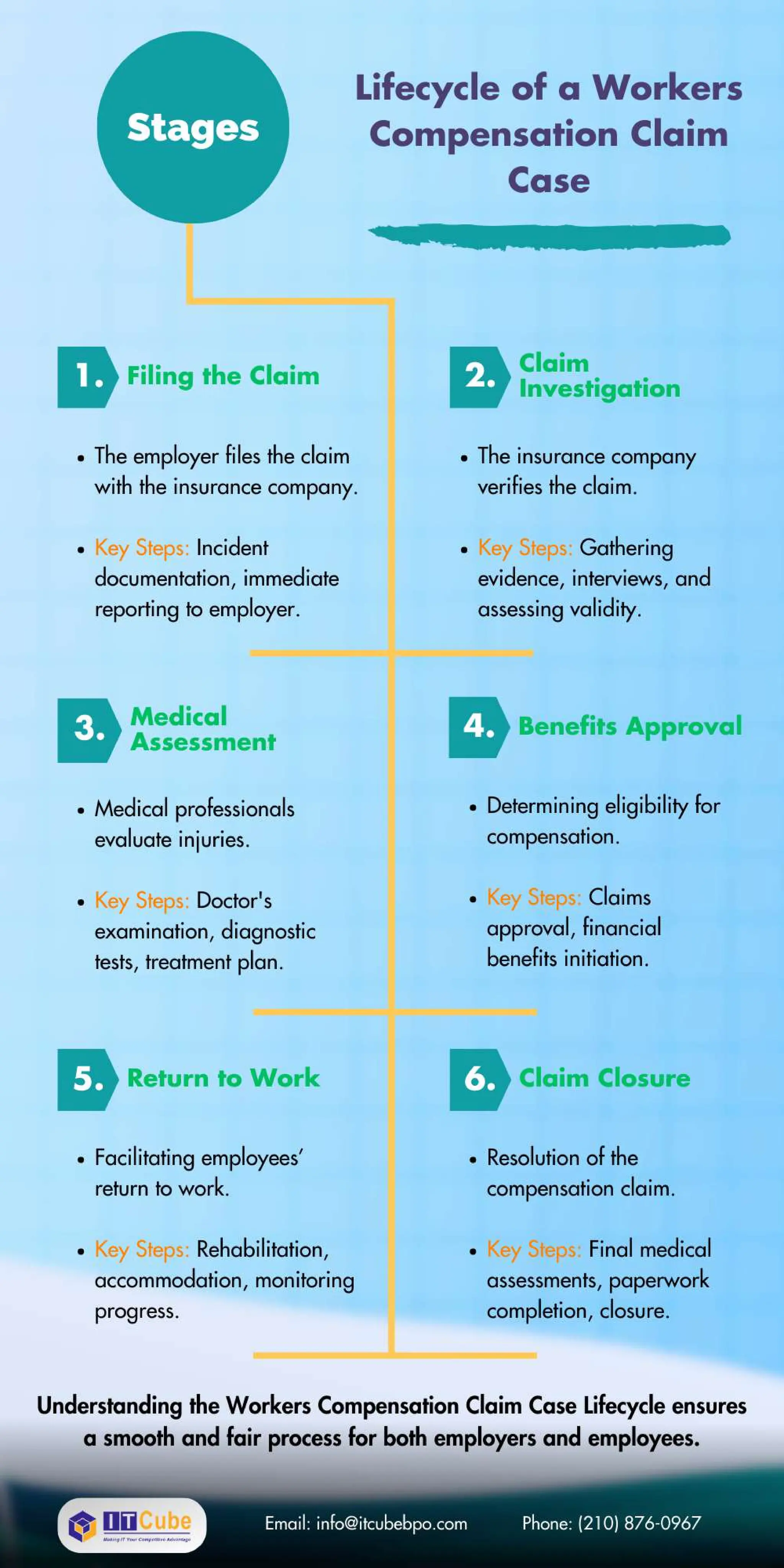
In the 2026 landscape, insurance isn't just about paying for medical bills; it's about getting employees back to work. BizCover’s partner insurers often provide resources for "Return-to-Work" (RTW) plans. As an employer, you have a legal obligation to support an injured worker’s recovery. This involves providing "suitable duties" that accommodate their injury.
Effective RTW programs are the most successful way to lower your premiums over time. By reducing the "lost time" associated with a claim, you minimize the impact on your experience rating. The BizCover platform often links to these value-added services, encouraging a proactive approach to workplace safety.
Frequently Asked Questions
Does BizCover provide workers' compensation for all Australian states?
BizCover facilitates the purchase of workers' compensation insurance primarily in states with private markets, such as WA, TAS, NT, and the ACT. For states like NSW, VIC, QLD, and SA, where the government manages the scheme, BizCover provides information and helps businesses secure other necessary covers (like Public Liability), but the workers' compensation policy must typically be handled through the state's specific authority or designated agents.
Is workers' compensation mandatory if I am a sole trader?
If you are a pure sole trader with no employees, you generally cannot cover yourself under a workers' compensation policy in most Australian states. Instead, you should consider Personal Accident and Illness insurance, which BizCover also offers. However, the moment you hire an employee or a deemed worker, workers' compensation becomes a legal requirement.
How does BizCover handle policy renewals?
BizCover typically sends a renewal invitation several weeks before your current policy expires. This invitation will ask you to update your estimated payroll and any changes to your business activities. It is a critical time to ensure your coverage remains accurate, as your business size or risk profile may have changed over the preceding year.
Can I cancel my policy mid-year if I stop employing staff?
Yes, policies can generally be cancelled if you no longer have employees. However, the insurer will perform a final "wages audit" to ensure that the premium paid for the portion of the year you were active matches the actual wages paid during that time. You may receive a pro-rata refund, or you may owe an adjustment if your payroll was higher than estimated.
What happens if I fail to get workers' compensation insurance?
The consequences are severe. Regulators in every state have the power to issue heavy fines, which often exceed the cost of the premium itself. Furthermore, if an uninsured worker is injured, the employer may be held personally liable for the full cost of the claim, including medical expenses and lost wages, which can reach hundreds of thousands of dollars.
Practical Recommendation
To effectively manage your position within the BizCover workers' compensation landscape, you should perform a quarterly payroll review. By comparing your actual spending on wages and superannuation against the estimate you provided to BizCover, you can avoid "premium shock" at the end of the year. Additionally, always verify the worker status of any new contractors before they start on-site to ensure your policy limits and declarations remain compliant with state laws. For definitive guidance on state-specific legal definitions, refer to the Safe Work Australia website or your respective state regulator.
Image Gallery