Navigating Life Insurance for Schizophrenia: Eligibility, Options, and Application Strategies
Securing life insurance for schizophrenia is entirely possible, though underwriters view the condition through a specific lens of stability, treatment adherence, and functional capacity. While historical policies often featured blanket...
Securing life insurance for schizophrenia is entirely possible, though underwriters view the condition through a specific lens of stability, treatment adherence, and functional capacity. While historical policies often featured blanket denials for psychiatric conditions, modern underwriting practices evaluate applicants based on individual symptom control, employment history, and overall lifestyle stability rather than the diagnosis alone.
Contents
Understanding How Life Insurance Underwriters View Schizophrenia
When you apply for life insurance with a diagnosis of schizophrenia, insurance carriers do not look at the medical label in isolation. Instead, underwriter risk assessment relies on a comprehensive evaluation of how well the condition is managed and the stability it affords your daily life. Underwriters look past the stigma to examine hard data points regarding your health, treatment history, and long-term prognosis.
To an insurance company, untreated or unstable mental health conditions represent a higher statistical risk regarding accidental injury, self-harm, or secondary health complications. Conversely, an applicant who has maintained a stable job, consistent housing, and a long-term relationship with a mental health professional presents a significantly lower risk profile. Underwriters want to see that the condition is a manageable part of your life rather than a source of acute crisis.
Key Risk Factors Examined by Underwriters
Underwriters weigh several specific variables when calculating your risk class and determining your premium rates:
- Age of Onset and Diagnosis History: The date you were diagnosed and how long you have lived with the condition matter. A diagnosis established many years ago with a proven track record of stability is viewed more favorably than a very recent, highly volatile diagnosis.
- Frequency and Severity of Episodes: Underwriters examine how often you experience psychotic episodes, mood disturbances, or cognitive disruptions, as well as whether these episodes require emergency room visits or inpatient psychiatric hospitalization.
- Hospitalizations: Recent psychiatric hospitalizations heavily impact underwriting. A clean record free of inpatient stays for several years significantly improves your chances of securing standard or near-standard rates.
- Substance Use History: Co-occurring conditions, particularly substance abuse or alcohol dependence, complicate applications. Dual diagnoses drastically increase perceived risk unless there is a verifiable, long-term history of sobriety and recovery.
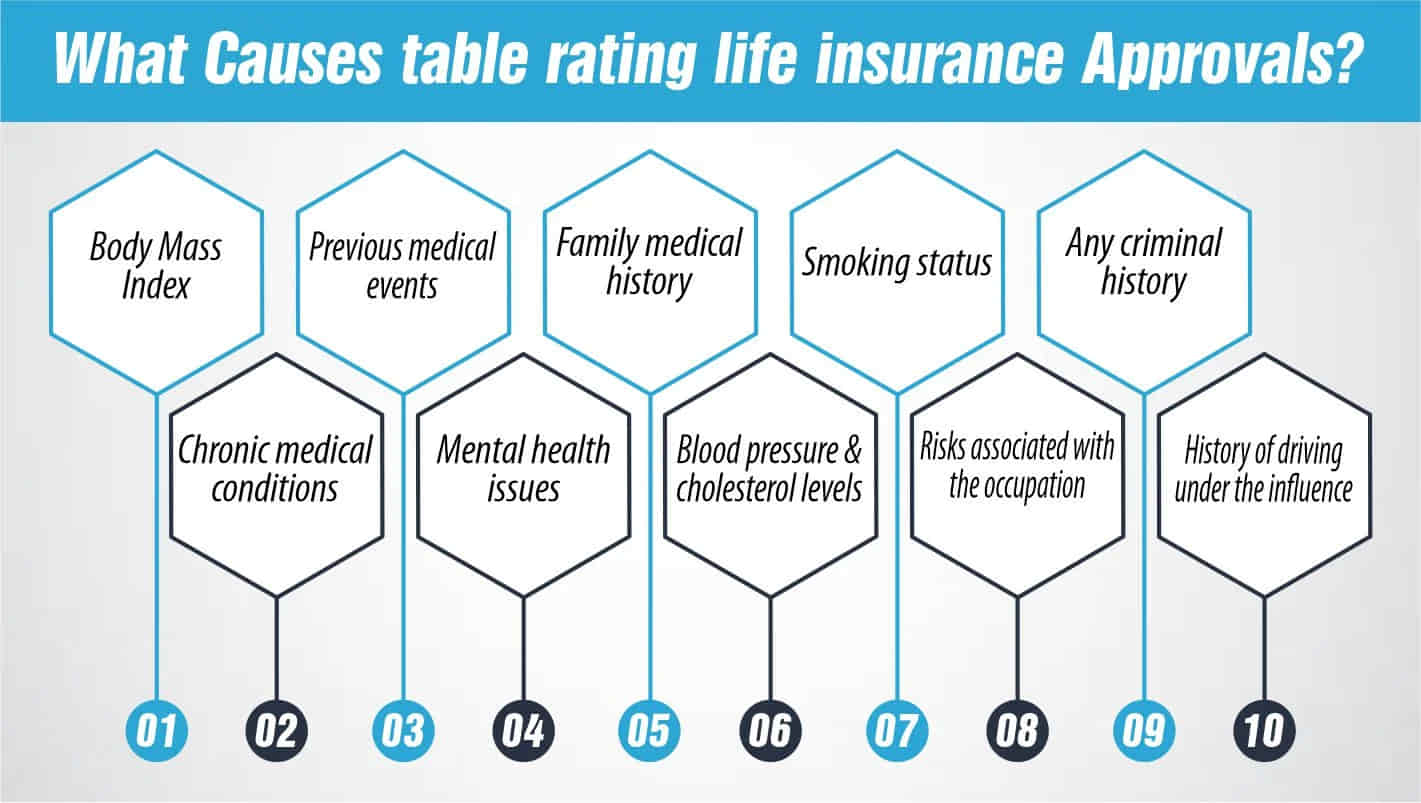
- Overall Physical Health: Schizophrenia is often accompanied by metabolic side effects from medications, such as weight gain, high blood pressure, or elevated cholesterol. Underwriters look at your complete physical health profile, including lab results and cardiovascular markers.
The Role of Treatment Adherence and Medical Documentation
The single most influential factor in securing affordable life insurance with schizophrenia is demonstrating consistent treatment adherence. Underwriters prefer applicants who work collaboratively with licensed psychiatrists and therapists, attend scheduled follow-up appointments, and take prescribed medications exactly as directed. Skipping doses, frequent changes in medication due to non-compliance, or a defiant attitude toward medical supervision will immediately raise red flags.
Providing thorough, up-to-date medical records is essential during the application process. Your insurance carrier will request an Attending Physician Statement (APS) from your treating psychiatrist. To expedite this process and present the strongest possible case, gather the following documentation before applying:
- A detailed treatment timeline outlining your diagnosis date and history of care.
- Current medication lists, dosages, and notes on how well you tolerate them.
- Notes from recent psychiatric evaluations confirming your cognitive stability and psychological well-being.
- Records of employment or occupational achievements demonstrating regular, sustained functioning in a workplace setting.
Types of Life Insurance Policies Available
Your eligibility for specific life insurance products depends heavily on the severity of your symptoms and how recently you have experienced a major health crisis. Understanding the differences between policy types helps you select the coverage option that matches your current health status and financial goals.
| Policy Type | Medical Exam Required? | Best For | Typical Underwriting Strictness |
|---|---|---|---|
| Term Life Insurance | Yes (Usually) | High stability, long-term income replacement, budget-friendly premiums | Moderate to Strict |
| Whole Life Insurance | Varies | Lifetime coverage, cash value accumulation, estate planning | Moderate to Strict |
| Simplified Issue | No | Individuals with mild symptoms who want to skip the medical exam | Moderate |
| Guaranteed Issue | No | Individuals with severe, recent hospitalizations or uncontrolled symptoms | None (Acceptance is guaranteed) |
Term Life Insurance
Term life insurance provides high coverage amounts for a specified period, such as 10, 20, or 30 years. If your schizophrenia is well-controlled, you have been stable on your medication for multiple years, and you maintain steady employment, you may qualify for a traditional term policy. While you may not secure a "Preferred Plus" rating due to the underlying medical history, standard rates are frequently attainable for stable applicants.
Whole Life and Permanent Insurance
Permanent policies, including whole life and universal life, provide coverage for your entire life and build cash value over time. Like term policies, these require full underwriting if you want affordable rates. Securing a permanent policy early in life while your condition remains stable locks in level premiums and ensures lifelong protection for your dependents.
Guaranteed Issue Life Insurance
If your schizophrenia is difficult to control, involves frequent hospitalizations, or includes co-occurring complications, traditional fully underwritten policies may deny coverage. In these scenarios, guaranteed issue life insurance serves as a viable alternative. These policies require no medical exam and ask no health-related questions. Anyone within the eligible age range—typically 45 to 85—is accepted automatically. However, these policies feature lower maximum death benefits, higher premiums per dollar of coverage, and a graded death benefit period, meaning full payouts are only made if you pass away after the policy has been active for a specified waiting period, usually two years.
Comparing Underwriting Outcomes for Schizophrenia
| Health Status Scenario | Potential Underwriting Outcome | Expected Rate Class |
|---|---|---|
| Mild / Fully Controlled | Approved with standard or near-standard rates | Standard to Standard Plus |
| Moderate / Occasional Adjustments | Approved with a table rating (higher premiums) | Table A to Table D |
| Severe / Recent Hospitalizations | Postponed until stability is proven, or directed to guaranteed issue | Substandard or Guaranteed Acceptance |
Strategic Steps for Applying for Coverage
Navigating the application process requires careful preparation to avoid unnecessary delays, denials, or avoidable premium hikes. Taking a structured approach ensures that insurance carriers see an accurate, positive picture of your overall health and lifestyle stability.
- Work with an Independent Broker: Do not apply directly to a single captive insurance company. An independent insurance broker has access to multiple carriers and knows which companies specialize in underwriting mental health conditions favorably. They can perform an anonymous pre-assessment to match you with the right insurer before submitting a formal application.
- Be Completely Honest on Your Application: Never omit or misrepresent your medical history. Insurance companies verify medical records through the Medical Information Bureau (MIB) and prescription database checks. Non-disclosure of a schizophrenia diagnosis results in immediate application denial or policy rescission down the line.
- Demonstrate Social and Economic Stability: Underwriters look closely at your life outside of clinical notes. Maintaining stable employment, owning a home, volunteering, or raising a family strongly supports your case by proving that the condition does not impair your ability to function successfully in society.
- Consider Waiting After a Major Event: If you have experienced a recent psychotic break, medication change, or hospitalization, wait. Underwriters generally look for a minimum window of 12 to 24 months of total stability following any major acute psychiatric event. Applying after a prolonged period of wellness yields dramatically better financial outcomes.
Frequently Asked Questions
Can I be denied life insurance solely because I have schizophrenia?
Technically, insurance companies evaluate each applicant on an individual basis, but a history of unstable mental illness can lead to formal denials from traditional carriers. However, denial from one company does not mean coverage is impossible. Independent brokers can source specialized high-risk carriers or alternative products like guaranteed issue policies that do not screen for medical history.
Will my life insurance rates be higher if I take antipsychotic medications?
Underwriters focus primarily on the underlying condition and your clinical stability rather than the medication itself. However, certain medications can cause physical side effects such as weight gain, elevated blood sugar, or high blood pressure. If these side effects are present, underwriters evaluate them as part of your overall physical health profile, which can occasionally influence your final rate class.
Is it better to apply for term life insurance or whole life insurance with schizophrenia?
The choice between term and whole life depends on your financial goals and your budget. Term life insurance offers significantly higher death benefits for lower monthly costs, making it ideal for income replacement during your working years. Whole life insurance offers permanent protection and cash value accumulation, but premiums are substantially higher. Both require similar underwriting scrutiny unless you opt for a guaranteed issue product.
What should I do if my application for life insurance is declined?
If a traditional carrier declines your application, do not panic or attempt to hide the denial on future applications. Instead, consult with your independent broker to determine the exact reason for the decision. You can use this feedback to pursue guaranteed issue insurance, explore group life insurance policies available through an employer, or wait until you have established a longer period of documented medical stability before reapplying.
Next Actions and Moving Forward
Securing life insurance when living with schizophrenia requires patience, preparation, and professional guidance. Begin by gathering your complete medical history, confirming your treatment adherence, and consulting with an experienced independent insurance broker who understands mental health underwriting guidelines. By showcasing your stability, employment history, and commitment to wellness, you can successfully protect your family's financial future.
Image Gallery