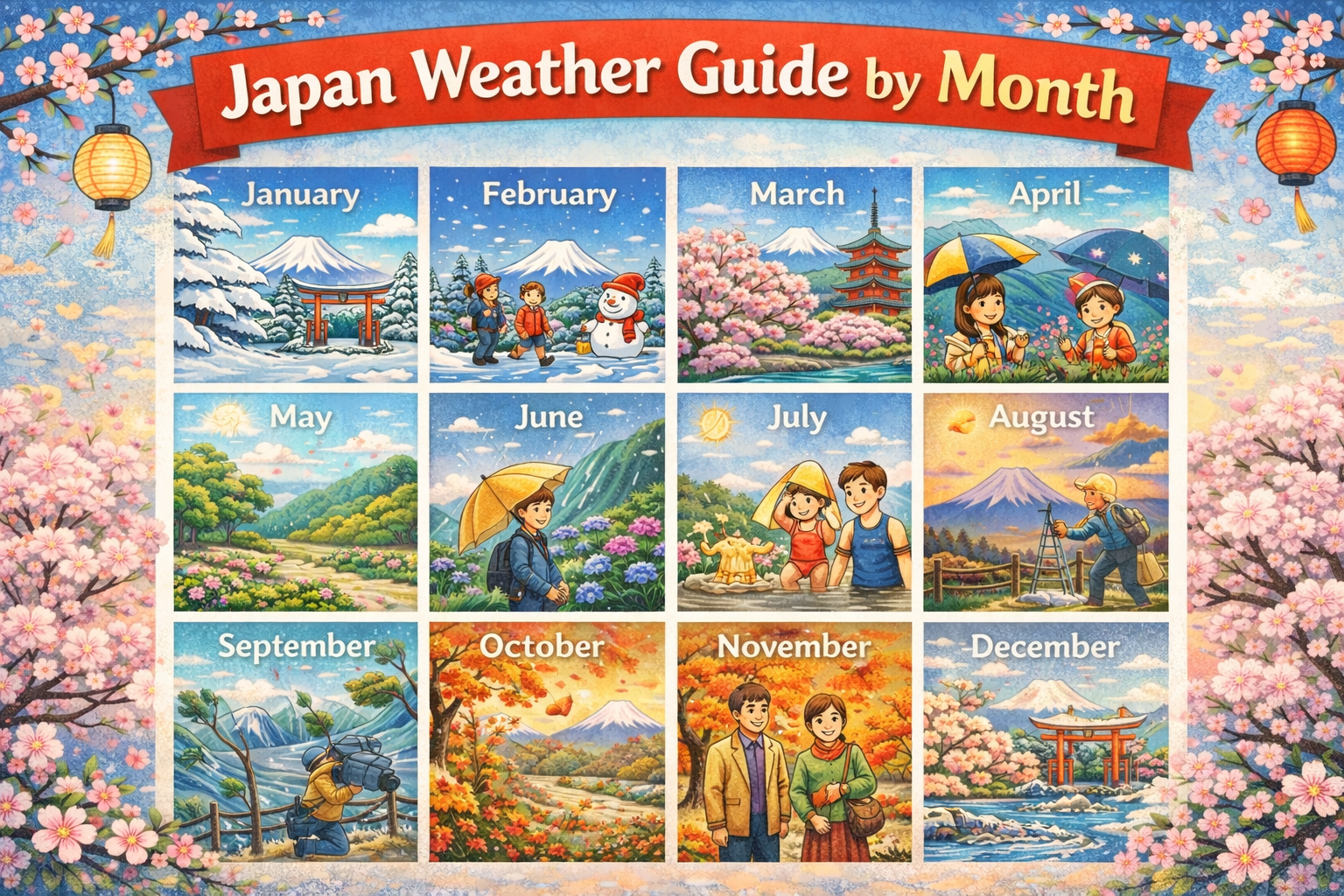
Weather in Japan in March: A Seasonal Snapshot
March marks Japan’s official transition from winter to spring, offering mild daytime temperatures, low humidity, and the initial appearance of the world-famous cherry blossoms. Across major metropolitan areas like Tokyo, Kyoto, and Osa...
March marks Japan’s official transition from winter to spring, offering mild daytime temperatures, low humidity, and the initial appearance of the world-famous cherry blossoms. Across major metropolitan areas like Tokyo, Kyoto, and Osaka, average daily high temperatures reach 13°C to 16°C (55°F to 61°F), while crisp nights require warm layering.
Contents
- Early March: Crisp winter air, plum blossoms (Ume) in full bloom
- Daytime: 11°C - 13°C (52°F - 55°F)
- Nighttime: 3°C - 5°C (37°F - 41°F)
- Mid-March: Mild spring breezes, noticeable warming trend
- Daytime: 13°C - 15°C (55°F - 59°F)
- Nighttime: 5°C - 7°C (41°F - 45°F)
- Late March: Cherry blossoms (Sakura) begin opening (Kaika)
- Daytime: 15°C - 17°C (59°F - 63°F)
- Nighttime: 7°C - 9°C (45°F - 48°F)
Traveling through Japan in March offers a uniquely dynamic experience. In the northern island of Hokkaido, winter sports continue in full swing with substantial snowpack, while the subtropical southern islands of Okinawa enjoy pleasant balmy conditions. Understanding these distinct regional variations is essential for planning an efficient itinerary, choosing appropriate clothing, and experiencing seasonal highlights ranging from late-season skiing to early-bloom cherry blossom viewing (hanami).
March Climate Overview: The Transition from Winter to Spring
March in Japan is characterized by volatile yet generally improving weather patterns. As the Siberian high-pressure system weakens, atmospheric patterns shift, bringing periodic warm air masses from the south interspersed with brief cold snaps from the north.
Across central Honshu, humidity levels remain relatively low compared to the summer months, making outdoor exploration comfortable. Sunshine hours increase significantly compared to January and February, although passing rain fronts (nansei) become more frequent toward the second half of the month.
Key climate characteristics during March include:
- Increasing Day Length: Sunlight hours expand to approximately 11 to 12 hours per day across central regions, providing ample daylight for sightseeing.
- Significant Temperature Swings: Diurnal temperature variation can exceed 10°C (18°F) in a single day. Crisp, cold mornings often give way to comfortable, sunny afternoons before temperatures drop rapidly after sunset.
- Low to Moderate Rainfall: March is moderate in terms of precipitation. While not as dry as December or January, it sees far less rainfall than the June rainy season (tsuyu) or autumn typhoon season.
Regional Weather Breakdown Across Japan
Because Japan stretches across multiple climatic zones—from subarctic in the north to subtropical in the south—weather conditions in March vary significantly depending on your destination.
- Hokkaido & Northern Tohoku: Winter Conditions & Snowpack
- Central Honshu (Tokyo/Kyoto): Crisp Mornings & Mild Days
- Southern Kyushu: Spring Warmth & Early Blooms
- Okinawa Islands: Subtropical & Mild Sea Winds
Tokyo and the Kanto Region
In Tokyo and the surrounding Kanto plain, March brings a distinct shift toward spring. Early March maintains a winter bite, but by late March, spring is fully established.
- Average High Temperature: 14°C (57°F)
- Average Low Temperature: 5°C (41°F)
- Precipitation: ~115 mm spread over 9 to 10 rainy days.
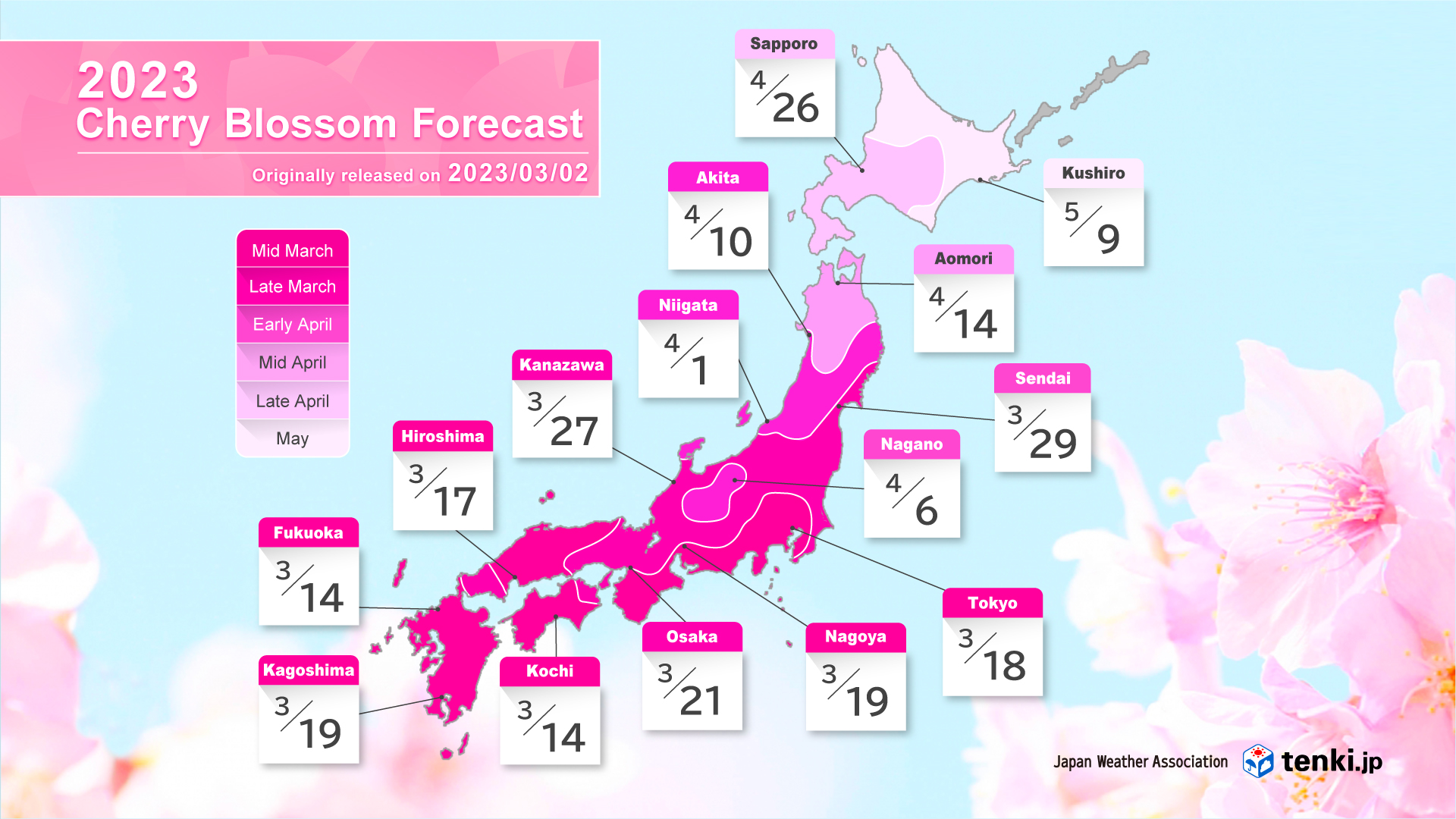
Clear, crisp skies dominate the first half of the month. Travelers visiting Tokyo in late March often experience kaika—the opening of the first cherry blossoms—typically observed at the Yasukuni Shrine reference tree monitored by the Japan Meteorological Agency.
Kyoto, Osaka, and the Kansai Region
The Kansai region experiences temperatures very similar to Tokyo, though inland areas like Kyoto can feel slightly colder during early morning hours due to the surrounding mountain basin.
- Average High Temperature: 15°C (59°F)
- Average Low Temperature: 4°C to 6°C (39°F to 43°F)
- Precipitation: ~125 mm across 10 days.
Kyoto’s historical temples and gardens begin coming alive in March. Early in the month, plum blossoms (ume) color sites like Kitano Tenmangu Shrine, while mid-to-late March introduces early spring foliage and initial cherry blossoms along the Philosopher's Path.
Hokkaido and Northern Tohoku
For travelers seeking snow rather than spring flowers, Hokkaido and northern Honshu remain solidly in winter’s grip throughout March.
- Average High Temperature (Sapporo): 4°C (39°F)
- Average Low Temperature (Sapporo): -4°C (25°F)
- Precipitation/Snowfall: ~75 mm water equivalent; heavy snowpack remains intact.
Major ski resorts in Niseko, Rusutsu, and Furano operate at full capacity throughout March. Spring skiing conditions predominate, featuring milder temperatures and clearer skies than the freezing, storm-heavy months of January and February.
Okinawa and the Southern Islands
The southernmost prefecture of Okinawa offers subarctic contrast, functioning as a warm sanctuary long before the rest of the nation sheds winter gear.
- Average High Temperature (Naha): 21°C (70°F)
- Average Low Temperature (Naha): 16°C (61°F)
- Precipitation: ~160 mm.
While sea temperatures (around 21°C to 22°C) can be slightly cool for casual swimming without a wetsuit, beach season officially opens in late March across several Okinawan islands.
The Japan Alps and Snow Country (Nagano, Niigata, Gifu)
Mountainous central Japan maintains significant snow coverage. Valleys begin to melt out toward late March, but elevated ski resorts such as Hakuba, Nozawa Onsen, and Yuzawa remain active. Daytime highs in alpine towns hover around 6°C to 9°C (43°F to 48°F), while sub-zero temperatures persist overnight.
Comparative Regional Climate Table (March Historical Averages)
The following table summarizes average meteorological metrics for major Japanese destinations during the month of March.
| Region / City | Avg High °C (°F) | Avg Low °C (°F) | Historical Rain (mm) | Weather Character & Seasonal Highlight |
|---|---|---|---|---|
| Sapporo (Hokkaido) | 4°C (39°F) | -4°C (25°F) | 75 mm | Late-season powder skiing; frozen landscapes |
| Sendai (Tohoku) | 10°C (50°F) | 1°C (34°F) | 70 mm | Cool spring air; late plum blossoms |
| Tokyo (Kanto) | 14°C (57°F) | 5°C (41°F) | 115 mm | Mild days; early cherry blossom blooms (sakura) |
| Kanazawa (Hokuriku) | 11°C (52°F) | 3°C (37°F) | 130 mm | Cool coastal breeze; transitional snow-to-rain |
| Kyoto (Kansai) | 15°C (59°F) | 5°C (41°F) | 125 mm | Ideal temple walking conditions; plum to cherry transition |
| Hiroshima (Chugoku) | 15°C (59°F) | 5°C (41°F) | 120 mm | Moderate spring weather; coastal mildness |
| Fukuoka (Kyushu) | 16°C (61°F) | 7°C (45°F) | 110 mm | Early cherry blossoms; warm afternoon sun |
| Naha (Okinawa) | 21°C (70°F) | 16°C (61°F) | 160 mm | Subtropical warmth; official beach opening season |
Cherry Blossom (Sakura) Timeline and Spring Floral Displays
One of the main draws for March travel to Japan is the arrival of spring flora. However, understanding the exact blooming timeline is crucial for managing expectations.
- Early March: Plum Blossoms (Ume) - Vibrant Pink & Fragrant
- Mid-March: Early Cherry Varieties (Kawazu-zakura / Peach)
- Late March: Main Sakura Season Opens (Somei Yoshino Kaika)
Plum Blossoms vs. Cherry Blossoms
- Early to Mid-March (Ume / Plum Blossoms): Before the cherry blossoms arrive, Japanese plum trees bloom in brilliant shades of dark pink, magenta, and white. They emit a sweet, fruity scent and are less vulnerable to cold weather than cherry blossoms. Key viewing locations include Kairakuen Garden in Mito and Hanegi Park in Tokyo.
- Late March (Sakura / Cherry Blossoms): The iconic Somei Yoshino cherry tree variety usually begins its blooming sequence (kaika) in southern Kyushu (Fukuoka, Kagoshima) around mid-to-late March, progressing quickly to Tokyo, Kyoto, and Osaka by the last week of the month.
Understanding Bloom Forecast Terminology
When tracking spring forecasts via the official Japan Tourism Agency or local meteorology outlets, pay attention to these key terms:
- Kaika (开花): The opening of the first five to six blossoms on a monitored reference tree. This marks the official start of the cherry blossom season in a given region.
- Mankai (满开): Full bloom, occurring roughly 7 to 10 days after kaika. At this stage, 80% or more of the tree canopy is open.
If your trip falls in early or mid-March, you are unlikely to see full-bloom Somei Yoshino cherry trees in Tokyo or Kyoto. However, you can see early-blooming varieties such as Kawazu-zakura, which bloom from mid-February through early March in coastal areas like the Izu Peninsula.
What to Pack for Travel in March: Layering Strategy
Because temperatures shift dramatically from day to night—and vary considerably by region—the most effective packing strategy relies on versatile layering.
- Base Layer: Breathable cotton shirt or light thermal underwear
- Mid Layer: Fleece sweater, knit cardigan, or light vest
- Outer Layer: Windproof trench coat, denim jacket, or down coat
- Accessories: Comfortable walking shoes, packable umbrella
Essential Clothing Items
- Outerwear: A medium-weight coat, trench coat, or insulated windbreaker is ideal for Honshu (Tokyo/Kyoto). In Hokkaido or alpine zones, a heavy winter down jacket is still required.
- Mid-Layers: Sweaters, cardigans, or lightweight fleece pullovers that can be removed as temperatures rise in the afternoon.
- Base Layers: Moisture-wicking short-sleeve or long-sleeve shirts. Thermal innerwear (such as Uniqlo Heattech) is useful for early March mornings or night outdoor events.
- Footwear: Comfortable, broken-in walking shoes. Sightseeing in Japan involves extensive walking across paved streets, gravel temple paths, and stairs. Choose shoes that slip on and off easily, as many historical sights, restaurants, and accommodations require removing shoes.
- Rain Gear: A compact, wind-resistant travel umbrella. Rain showers in March are generally light to moderate, but an umbrella is essential. Compact umbrellas are also easily purchased at local convenience stores across Japan.
Top Seasonal Activities and Events in March
March offers several unique cultural festivals and seasonal pursuits that align with the changing climate.
- Hina Matsuri (Mar 3): Traditional Doll Displays
- Sumo Spring Tournament: 15-Day Event in Osaka
- Spring Skiing & Onsen: Hokkaido & Japan Alps Resorts
- Early Hanami Parties: Late March City Parks
1. Spring Grand Sumo Tournament (Osaka)
Held annually in mid-March at the Edion Arena in Osaka, this 15-day official tournament (basho) offers visitors a chance to see top-ranked professional sumo wrestlers compete. Tickets generally go on sale in early February and sell out quickly.
2. Hina Matsuri (Doll's Festival)
Celebrated on March 3rd, Hina Matsuri is a traditional celebration wishing health and happiness for young girls. Shinto shrines, historical residences, and public spaces across Japan display elaborate multi-tiered platforms featuring ornamental dolls (hina-ningyo) dressed in ancient imperial court attire.
3. Spring Skiing and Outdoor Onsen
March provides optimal conditions for combining winter sports with traditional hot spring (onsen) relaxation. Resort towns like Hakuba (Nagano), Echigo-Yuzawa (Niigata), and Jozankei (Hokkaido) feature pleasant outdoor thermal baths set against snowy mountain backdrops.
4. Night Illuminations and Early Hanami
Toward the end of March, major municipal parks and castle grounds—such as Tokyo's Ueno Park, Meguro River, and Kyoto's Nijo Castle—install evening illuminations over blooming plum and early cherry trees. Night temperatures remain cool (around 5°C to 8°C / 41°F to 46°F), so warm outer layers are recommended for evening light shows.
Frequently Asked Questions
Is March a good time to visit Japan?
Yes, March is an excellent month to visit. It combines comfortable daytime temperatures for walking, low rainfall compared to summer, lower tourist crowds in early-to-mid March relative to the April peak peak season, and the start of spring floral displays.
Will I see cherry blossoms in Japan in early March?
In early March, main-season cherry blossoms (Somei Yoshino) are generally not yet in bloom in Tokyo, Kyoto, or Osaka. However, you can see dark pink plum blossoms (ume) and early-blooming cherry varieties like Kawazu-zakura, particularly in coastal towns on the Izu Peninsula or in specialized gardens.
Does it snow in Japan during March?
Snow is rare in Tokyo, Kyoto, and Osaka during March, though brief flurries occasionally occur early in the month. However, northern regions like Hokkaido, Tohoku, and the mountainous areas of Nagano and Niigata experience consistent snowpack and active ski seasons throughout the entire month.
How rainy is Japan in March?
March brings light to moderate rainfall. On average, central Honshu sees 9 to 10 rainy days during the month, yielding around 110–125 mm of total precipitation. It is significantly drier than the summer rainy season (tsuyu) in June or the autumn typhoon season.
What should I wear in Tokyo during late March?
Late March in Tokyo brings daily highs of 15°C to 17°C (59°F to 63°F) and lows of around 7°C to 9°C (45°F to 48°F). Pack a versatile medium coat or trench coat, long pants, comfortable walking shoes, and removable layers like knit sweaters or cardigans for warmer afternoons.
Final Practical Recommendations
When planning a trip to Japan in March:
- Tailor Your Itinerary to the Weather: If you want warm spring days and early flowers, focus on Kyushu, Kansai, and Tokyo in mid-to-late March. If you want winter landscapes and world-class ski slopes, head north to Hokkaido or into the central Japan Alps.
- Monitor Official Spring Bloom Forecasts: Keep an eye on seasonal updates from the Japan Meteorological Corporation starting in late January to track updated kaika (first bloom) and mankai (full bloom) dates for your specific destinations.
- Book Travel Early for Late March: Accommodation demand increases sharply toward the final week of March as domestic and international travelers arrive for peak cherry blossom season. Secure lodging and high-speed rail reservations well in advance.
Image Gallery