Comprehensive Guide to Medication for Multiple Sclerosis in 2026
Medication for multiple sclerosis (MS) primarily focuses on disease-modifying therapies (DMTs) that reduce the frequency of relapses and slow the accumulation of physical disability. These treatments include self-administered injectabl...
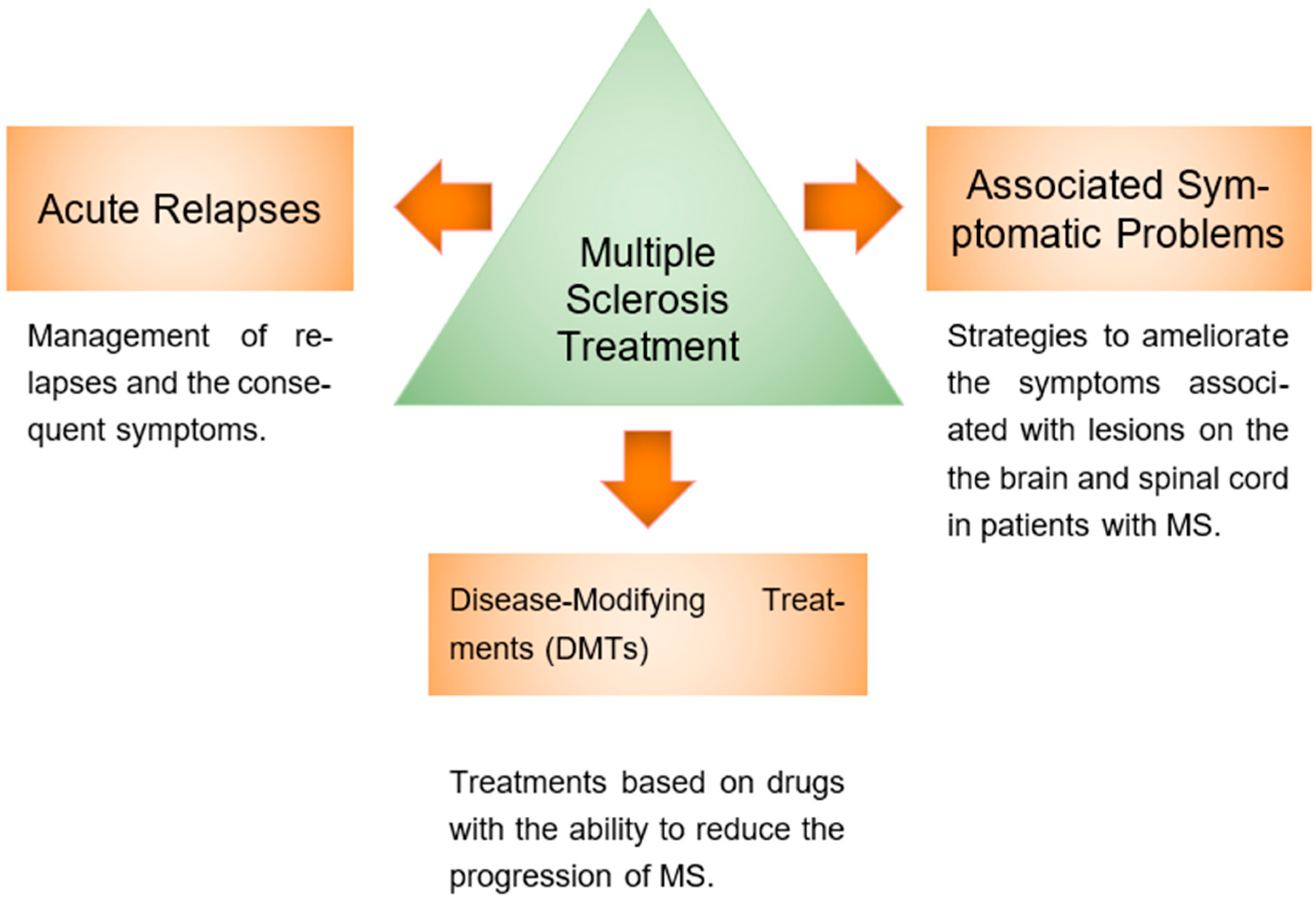
Medication for multiple sclerosis (MS) primarily focuses on disease-modifying therapies (DMTs) that reduce the frequency of relapses and slow the accumulation of physical disability. These treatments include self-administered injectables, daily oral tablets, and high-efficacy intravenous infusions. Additionally, clinical management involves acute steroid treatments for relapses and various medications to alleviate specific symptoms like spasticity and fatigue.
Contents
Multiple sclerosis is a chronic autoimmune condition where the immune system mistakenly attacks the protective myelin sheath surrounding nerve fibers in the central nervous system. As of 2026, the landscape of MS medication has evolved toward "high-efficacy" early intervention, moving away from the older "escalation therapy" model. Modern treatments are more targeted, aiming not just to manage symptoms but to achieve "No Evidence of Disease Activity" (NEDA).
Disease-Modifying Therapies (DMTs): The Foundation of MS Care
Disease-modifying therapies are the cornerstone of long-term MS management. Unlike symptomatic treatments, DMTs target the underlying biological processes of the disease to prevent new lesions from forming in the brain and spinal cord.
Injectable Medications
Injectable therapies were the first DMTs available and remain a staple for patients who prefer a well-established safety profile. These are typically used for Relapsing-Remitting Multiple Sclerosis (RRMS).
- Interferon Betas (Avonex, Rebif, Betaseron, Plegridy): These medications mimic naturally occurring proteins in the body to reduce inflammation. While effective, they often cause "flu-like" symptoms following injection, which can usually be managed with over-the-counter pain relievers.
- Glatiramer Acetate (Copaxone, Glatopa): This is a synthetic protein that simulates myelin basic protein. It is thought to act as a "decoy," diverting the immune attack away from the patient's actual myelin. It is known for having a very high safety profile, making it a frequent choice for women planning pregnancy, although injection site reactions (redness or lumps) are common.
Oral Medications
Oral DMTs offer greater convenience than injectables and often provide higher efficacy by utilizing different mechanisms to sequester or inhibit reactive immune cells.
- S1P Receptor Modulators (Gilenya, Mayzent, Zeposia, Ponvory): These drugs work by "trapping" lymphocytes (white blood cells) in the lymph nodes, preventing them from entering the central nervous system. Mayzent (Siponimod) was notably the first oral drug specifically approved for active Secondary Progressive MS (SPMS).
- Fumarates (Tecfidera, Vumerity): These medications activate the Nrf2 pathway, which helps protect cells against oxidative stress and reduces inflammation. Vumerity is a newer chemical formulation designed to cause fewer gastrointestinal side effects than its predecessor, Tecfidera.
- Cladribine (Mavenclad): This is a unique "immune reconstitution" therapy. Taken as two short courses of tablets a year apart, it selectively depletes T and B cells, allowing the immune system to "reset" itself.
Infusion and High-Efficacy Therapies
For patients with highly active MS or those who have not responded to other treatments, monoclonal antibodies delivered via infusion or high-frequency injection are often recommended.
- Anti-CD20 Therapies (Ocrevus, Kesimpta, Briumvi): These drugs target and deplete B-cells that express the CD20 marker, which are heavily implicated in MS-related damage. Ocrevus (Ocrelizumab) remains a gold standard as it is the first and primary treatment approved for Primary Progressive MS (PPMS) as well as RRMS. Kesimpta (Ofatumumab) offers similar B-cell depletion but is delivered via a monthly self-injection.
- Natalizumab (Tysabri): This is a highly effective infusion that prevents immune cells from crossing the blood-brain barrier. However, its use is closely monitored through the TOUCH Prescribing Program due to the risk of Progressive Multifocal Leukoencephalopathy (PML), a rare but serious brain infection caused by the JC virus.
- Alemtuzumab (Lemtrada): Reserved for cases where other drugs have failed, this therapy significantly depletes the immune system. It requires intensive monitoring for several years due to the risk of secondary autoimmune conditions, such as thyroid disorders.
Comparison of Leading MS Disease-Modifying Therapies (2026)
| Medication Class | Common Brand Names | Administration Route | Typical Frequency | Primary MS Type |
|---|---|---|---|---|
| Interferons | Avonex, Rebif | Injection (IM/Sub-Q) | Weekly to 3x Weekly | RRMS |
| Glatiramoids | Copaxone, Glatopa | Injection (Sub-Q) | 3x Weekly or Daily | RRMS, CIS |
| S1P Modulators | Zeposia, Mayzent | Oral Tablet | Daily | RRMS, Active SPMS |
| Fumarates | Vumerity, Bafiertam | Oral Capsule | Twice Daily | RRMS |
| Anti-CD20 | Ocrevus, Briumvi | IV Infusion | Every 6 Months | RRMS, PPMS |
| Integrin Blockers | Tysabri | IV Infusion | Every 4 to 6 Weeks | Highly Active RRMS |
| Selective Anti-Metabolite | Mavenclad | Oral Tablet | 2 Small Annual Cycles | RRMS, Active SPMS |
Managing Acute Relapses (Flare-ups)
When a patient experiences a "relapse" or "exacerbation"—defined as new or worsening neurological symptoms lasting at least 24 hours—the immediate goal is to reduce inflammation quickly.
The standard treatment for acute relapses is a high-dose course of corticosteroids, such as intravenous Methylprednisolone (Solu-Medrol) or high-dose oral Prednisone. These medications do not provide long-term disease modification, but they shorten the duration of the flare-up and accelerate recovery. In severe cases where steroids are ineffective, Plasmapheresis (Plasma Exchange) may be used to "clean" the blood of the antibodies attacking the nervous system.
Symptomatic Medications: Improving Quality of Life
While DMTs work on the "future" of the disease, symptomatic medications address the "present" challenges. MS affects everyone differently, necessitating a tailored approach to symptom management.
- Spasticity (Muscle Stiffness): Baclofen and Tizanidine are the most common muscle relaxants. For severe spasticity, a Baclofen pump may be surgically implanted.
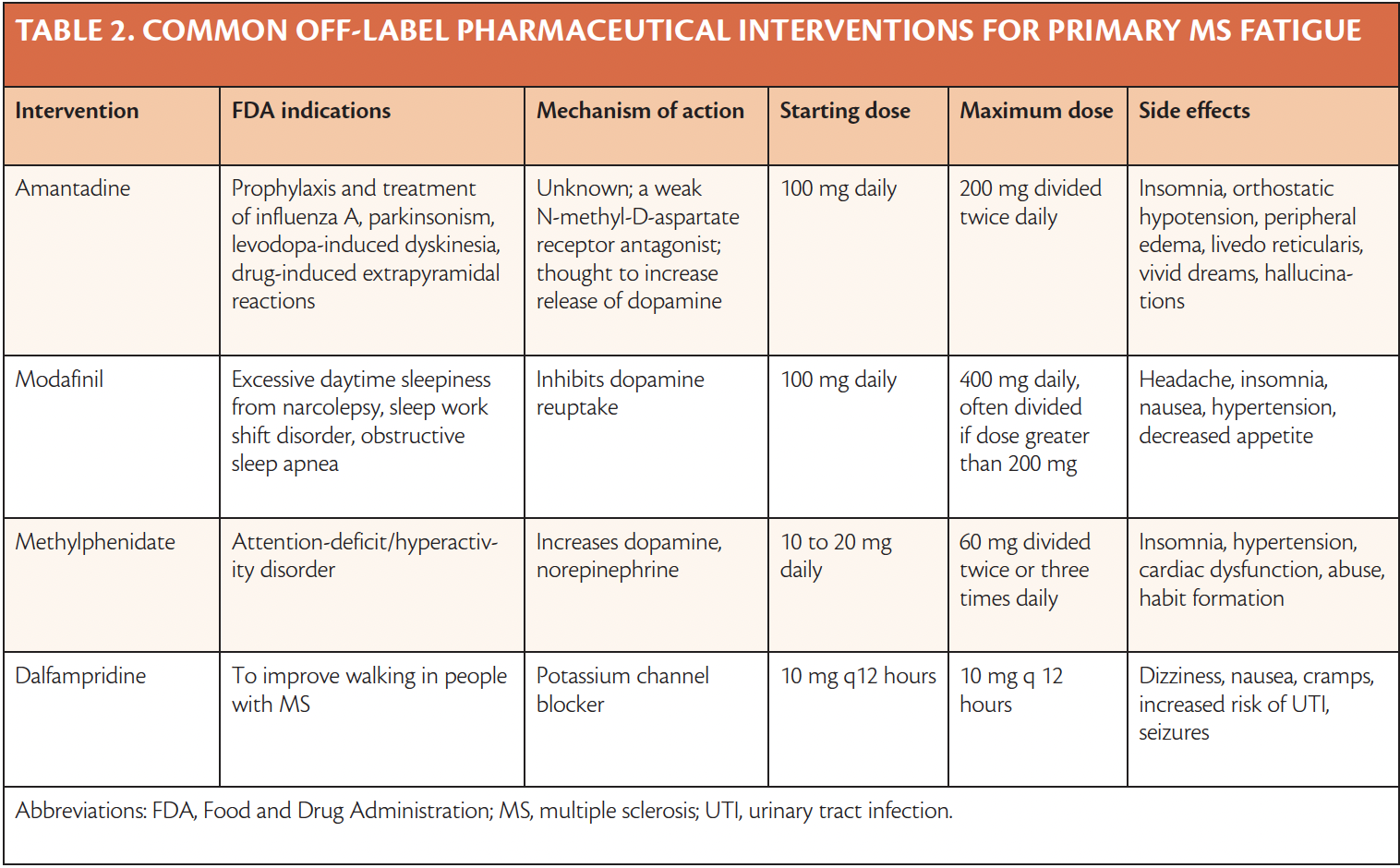
- Fatigue: This is often the most debilitating symptom. Medications like Modafinil (Provigil) or Amantadine are frequently prescribed off-label to help patients maintain alertness.
- Walking Impairment: Dalfampridine (Ampyra) is a potassium channel blocker specifically indicated to improve walking speed in MS patients by enhancing nerve conduction.
- Nerve Pain and Dysesthesia: Medications originally developed for seizures or depression, such as Gabapentin (Neurontin), Pregabalin (Lyrica), or Amitriptyline, are effective in managing the "burning" or "stabbing" sensations of MS neuropathy.
- Bladder and Bowel Dysfunction: Anticholinergics like Oxybutynin help with urinary urgency, while various stool softeners or fiber supplements manage constipation.
Cost, Access, and the Rise of Biosimilars
By 2026, the cost of MS medication remains a significant concern, but the landscape is shifting due to the increased availability of biosimilars and generic versions of oral therapies. Biosimilars for monoclonal antibodies (like those for Tysabri) have entered the market, providing more affordable options for healthcare systems and patients.
Most manufacturers offer robust Patient Assistance Programs (PAPs) to help cover co-pays, which can otherwise reach thousands of dollars per month. It is essential for patients to work with their neurology team and specialty pharmacies to navigate prior authorization requirements imposed by insurance carriers.
Safety Monitoring and Risks
All MS medications carry a balance of benefits and risks. Because most DMTs alter the immune system, patients are at an increased risk for infections.
- Infection Monitoring: Regular blood tests (Complete Blood Counts) are required to ensure white blood cell levels do not drop too low (lymphopenia).
- Liver Function: Many oral medications require baseline and periodic liver enzyme testing.
- Macular Edema: S1P modulators (like Gilenya) require initial ophthalmologic exams to check for swelling in the retina.
- Cardiac Screening: Some medications require a "first-dose observation" to monitor for bradycardia (slow heart rate).
Frequently Asked Questions
Can I switch MS medications if one isn't working? Yes, switching is common. If a patient experiences new lesions on an MRI or frequent relapses while on a "low-efficacy" drug, neurologists often recommend "escalating" to a high-efficacy infusion or oral medication. This proactive approach aims to prevent permanent disability.
Is there a medication that can cure Multiple Sclerosis? Currently, there is no cure for MS. However, the medications available in 2026 are exceptionally effective at preventing further damage. Research into "remyelination" therapies—drugs that could potentially repair the damaged myelin—is ongoing in clinical trials.
Are MS medications safe during pregnancy? Some medications, like Glatiramer acetate, have long histories of safety, while others, like Teriflunomide (Aubagio) or Cladribine, are strictly contraindicated due to the risk of birth defects. Patients of childbearing age must discuss family planning with their neurologist before starting a DMT.
What is the difference between a generic and a biosimilar? Generics are exact chemical copies of small-molecule oral drugs (like Dimethyl Fumarate). Biosimilars are "highly similar" versions of complex biologic drugs (like monoclonal antibodies). Both undergo rigorous testing to ensure they have the same clinical effect and safety profile as the original brand-name drug.
How do I know if my MS medication is working? Success is typically measured by "stability." This means no new relapses, no worsening of physical disability scores (EDSS), and no "enhancing" or new T2 lesions on annual or semi-annual MRI scans.
Final Recommendation for Patients
Choosing an MS medication is a highly individualized decision that should be made in consultation with a MS specialist (neurologist). In 2026, the clinical consensus favors early, high-efficacy treatment to preserve as much neurological "reserve" as possible. Patients should prioritize adherence to their prescribed regimen and maintain an open dialogue with their care team regarding side effects, as many adverse reactions can be managed with dose adjustments or supplemental treatments.
Image Gallery