How Disney World Prepares for Hurricanes
Walt Disney World in Florida maintains an exceptionally rigorous and sophisticated emergency management framework designed to protect hundreds of thousands of guests, tens of thousands of cast members, and billions of dollars in infras...
Walt Disney World in Florida maintains an exceptionally rigorous and sophisticated emergency management framework designed to protect hundreds of thousands of guests, tens of thousands of cast members, and billions of dollars in infrastructure from severe tropical weather. Operating massive theme parks, sprawling resort hotels, and extensive utility networks in a region prone to severe seasonal storms requires a multi-layered operational blueprint. This year-round preparation involves specialized meteorological monitoring, robust facility engineering, comprehensive supply chain coordination, and meticulously rehearsed shelter protocols that allow the sprawling resort complex to weather major atmospheric events safely.
Contents
The Meteorological Infrastructure and Early Warning Systems
Long before a tropical depression forms out in the Atlantic Ocean or the Caribbean Sea, the emergency management team at Walt Disney World maintains constant vigilance. The resort does not rely solely on public weather broadcasts; instead, it operates a dedicated, sophisticated meteorological command center. This unit tracks developing systems in real-time using advanced forecasting models, Doppler radar feeds, and direct communication channels with the National Hurricane Center and local emergency management agencies.
When a storm enters the designated monitoring zone or triggers a watch or warning for Central Florida, the resort’s emergency operations team convenes. This cross-functional unit includes representatives from resort operations, transportation, engineering, public relations, and security. By analyzing storm tracks, wind shear data, and projected precipitation levels days in advance, leadership can initiate staged operational adjustments long before the first bands of a hurricane reach property lines.
The primary objective of this early warning phase is risk mitigation and clear communication. Leadership establishes decision-making timelines to determine when park hours will be modified, when outdoor entertainment will be suspended, and when properties will transition into sheltering modes. This proactive approach prevents chaotic scrambles and ensures that guests and staff have ample time to secure their locations.
Structural Engineering and Wind-Resistant Infrastructure
Much of Walt Disney World's resilience against hurricanes is built directly into its physical infrastructure. Florida building codes are among the strictest in the nation regarding wind loads, particularly in coastal and high-tourism regions, and Disney’s engineering standards often exceed baseline municipal requirements.
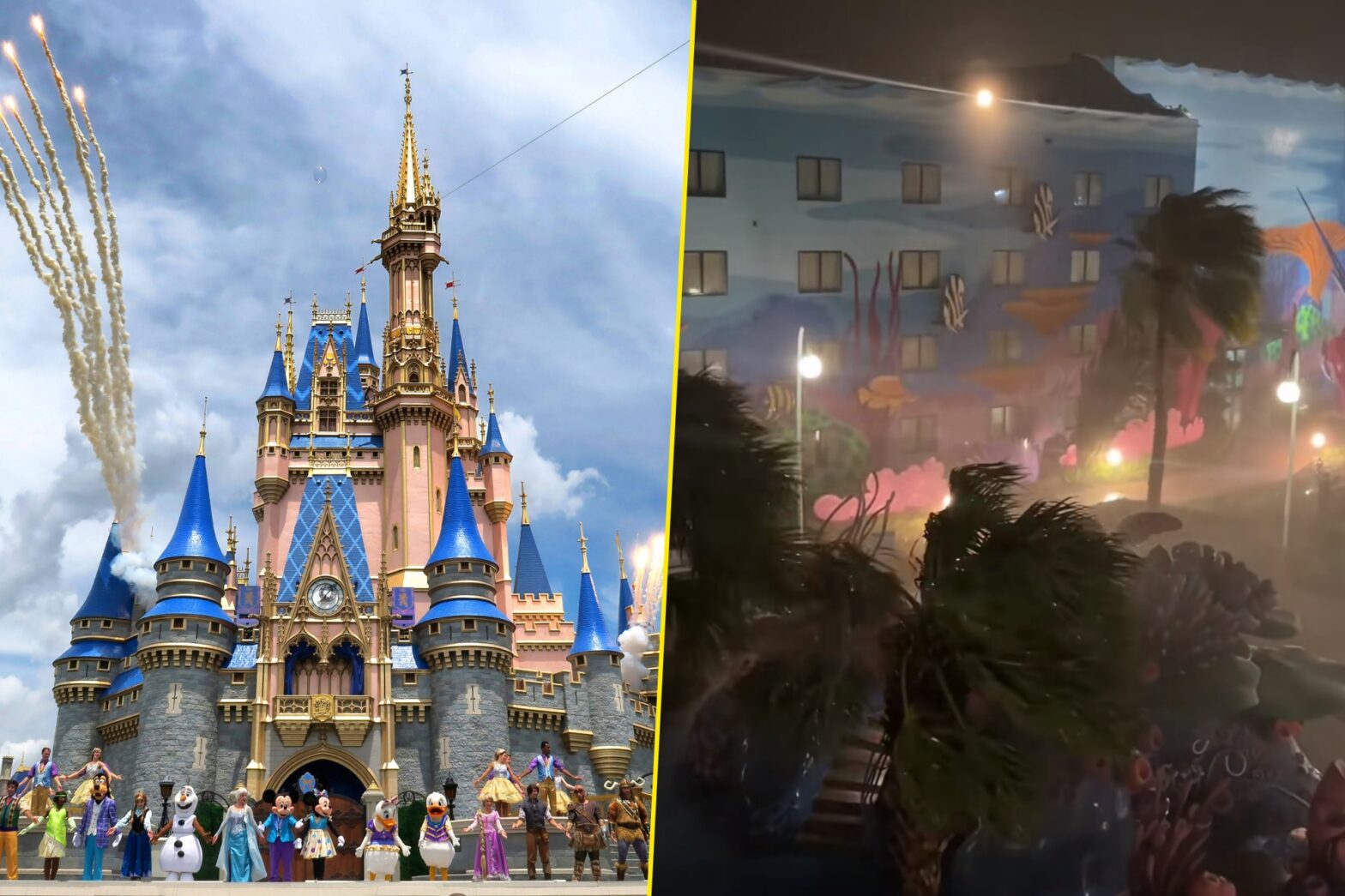
Theme park structures, resort hotels, and backstage facilities utilize heavy reinforced concrete, structural steel frames, and impact-resistant glazing. Iconic structures—such as Cinderella Castle at Magic Kingdom—are frequently the subject of urban myths regarding whether they can be disassembled or lowered into the ground during a storm. In reality, these structures are engineered to withstand sustained hurricane-force winds right where they stand. Cinderella Castle, for instance, is constructed of heavy steel framing and reinforced concrete, designed to endure severe wind loads without structural compromise.
Furthermore, Disney meticulously manages its property landscape to minimize wind-induced hazards. Grounds maintenance teams perform routine tree pruning and canopy thinning throughout the year. During the approach of a high-wind event, landscaping crews secure or remove potential projectiles, including outdoor furniture, umbrellas, signage, and construction equipment, preventing them from becoming dangerous airborne hazards.
Resort Operations and Guest Care During Severe Weather
When a hurricane forces the temporary closure of the theme parks, Walt Disney World shifts its primary focus to the care and feeding of guests currently staying at on-property resort hotels. Unlike tourists staying in off-site vacation rentals or standard motels that may face mandatory evacuations or utility failures, guests residing at Disney-owned and operated resort hotels remain within a controlled, self-sufficient ecosystem.
Disney resort hotels are designed to function independently for extended periods if municipal water, power, or supply lines are disrupted. Each resort maintains emergency generator capacity capable of powering critical life-safety systems, refrigeration units, basic lighting, and kitchen operations.
To manage guest needs during a park closure or a shelter-in-place order, resort cast members execute structured hospitality plans:
- Food and Beverage Continuity: Resort kitchens stockpile shelf-stable goods, bottled water, and emergency rations. Quick-service locations transition to simplified, high-volume menus, and pre-packaged meal kits are often made available for purchase or distribution directly in resort lobbies.
- In-Room Entertainment: During peak storm hours when guests are required to remain inside their hotel rooms for safety, Disney expands in-room television programming, adding complimentary movie channels and up-to-the-minute resort operational updates broadcast by resort leadership.
- Cast Member Recreation and Distraction: To maintain morale and manage guest anxiety—particularly among families with young children—cast members organize impromptu recreational activities in resort lobbies. These may include character appearances, board games, trivia contests, and crafts, creating a sense of normalcy and community amid severe weather.
| Operational Phase | Key Actions Taken | Primary Focus |
|---|---|---|
| Preparedness (June–November) | Facility audits, supply inventory, staff training, and landscaping maintenance. | System readiness and risk reduction. |
| Pre-Storm Monitoring (72–48 Hours) | Meteorological tracking, leadership briefings, and guest communication. | Early decision-making and timeline establishment. |
| Active Storm (Park Closure) | Suspension of park operations, securing of loose assets, and indoor sheltering. | Life safety, property protection, and essential services. |
| Post-Storm Recovery (24–48 Hours) | Damage assessment, debris cleanup, infrastructure checks, and phased reopening. | Safe restoration of normal operations. |
Supply Chain Management and On-Property Self-Sufficiency
Maintaining a massive entertainment complex requires vast logistical capabilities, which become even more critical during a natural disaster. Walt Disney World operates its own central distribution centers and warehousing facilities on property, allowing the resort to stockpile essential commodities well in advance of the Atlantic hurricane season, which officially runs from June 1 through November 30.
The warehousing network holds substantial reserves of non-perishable food items, potable water, medical supplies, fuel for emergency vehicles and backup generators, and maintenance equipment such as chainsaws, portable pumps, and heavy-duty plastic sheeting. By maintaining these reserves on-site, Disney avoids immediate reliance on external delivery trucks that cannot safely navigate closed regional highways during a storm.
Additionally, utility independence is a major component of Disney's storm readiness. The property features comprehensive water management and drainage systems, including major canals, retention ponds, and pumping stations designed to handle the torrential rainfall associated with tropical systems. These engineering controls prevent widespread catastrophic flooding across the thousands of acres comprising the resort, protecting both guest areas and sensitive backstage infrastructure.
Cast Member Ride-Out Crews and Dedication
While millions of visitors experience Walt Disney World as a vacation destination, the operation relies heavily on a dedicated workforce of local residents. When a severe hurricane threatens Central Florida, Disney activates specialized "Ride-Out Crews." These are designated teams of operational, engineering, culinary, and security cast members who voluntarily agree to remain on property during the storm to maintain essential functions.
Disney provides accommodations, meals, and supplies for Ride-Out Crews within the resort hotels, often allowing them to bring their immediate families or pets in specific scenarios to ensure peace of mind while they work. These teams work in shifts throughout the height of the storm, monitoring systems, clearing drains, preparing food, and assisting guests. Their presence ensures that the moment a storm passes and conditions are verified as safe, recovery operations can begin immediately without waiting for regional transit corridors to reopen.
Post-Storm Assessment and Phased Reopening Protocols
Once a hurricane has moved past Central Florida and the National Weather Service lifts local warnings, Walt Disney World does not simply throw open its gates. A meticulous, step-by-step recovery protocol is initiated to ensure the absolute safety of the property before any guests or non-essential staff are permitted back into operational areas.
The recovery process follows a strict sequence:
- Initial Reconnaissance: Safety and engineering teams conduct preliminary sweeps of all properties, checking for downed power lines, compromised structures, fallen trees, and standing water hazards.
- Infrastructure Verification: Specialists test all critical utilities, including electrical grids, potable water systems, gas lines, and communication networks, ensuring everything meets safety compliance standards.
- Ride and Attraction Engineering Inspections: Mechanical engineers perform rigorous diagnostic checks on every roller coaster, dark ride, and transportation system (such as the Monorail and Disney Skyliner), inspecting tracks, sensors, and structural tie-downs.
- Phased Reopening: Disney typically prioritizes reopening Disney Springs and resort amenities first, followed sequentially by individual theme parks once their respective environments are fully cleared and sanitized.
This cautious, methodical approach has allowed Walt Disney World to maintain an exceptional safety record throughout decades of exposure to severe Florida weather, proving that meticulous planning and engineering resilience are just as vital to the magic as the entertainment itself.
Frequently Asked Questions
What happens to my vacation reservation if a hurricane hits Disney World?
Walt Disney World maintains a flexible severe weather policy. When a hurricane warning is issued by the National Hurricane Center for the Orlando area or your place of residence within seven days of your scheduled arrival, you can reschedule or cancel your vacation package and most room-only reservations booked directly through Disney without cancellation or change penalties imposed by Disney.
Are the theme parks completely safe during a hurricane?
Yes. Theme parks are engineered to strict Florida building codes capable of withstanding hurricane-force winds. During active severe weather, parks are closed to the public, and guests are safely sheltered inside resort hotels or designated sturdy structures where facility maintenance and security personnel manage operations continuously.
Do Disney resort hotels lose power during hurricanes?
While commercial power grids across Central Florida can experience disruptions during severe storms, Disney resort hotels are equipped with robust emergency backup generators. These generators maintain power for essential life-safety systems, basic lighting, refrigeration, and limited food service operations throughout the duration of an outage.
Can guests leave their resort hotel rooms during a hurricane?
During the peak of a hurricane when sustained high winds and severe weather affect the property, guests are generally asked to shelter in place within their hotel rooms for their own safety. Once the storm passes and exterior conditions are verified as safe by emergency management teams, movement around the resort property is gradually permitted.
How do cast members get to work during a hurricane?
Cast members who are not part of the pre-assigned Ride-Out Crews are instructed to stay home and remain safe during active hurricane conditions. Walt Disney World suspends normal park operations and non-essential shifts until the storm has cleared and local infrastructure and roadways are deemed safe for travel.
Are pets allowed at Disney resort hotels during a hurricane?
Disney permits pets at several designated, pet-friendly resort properties (such as Disney's Art of Animation Resort, Disney's Port Orleans Resort - Riverside, Disney's Yacht Club Resort, and the Cabins at Disney's Fort Wilderness Resort) under specific guidelines. During declared emergency situations, these pet policies remain active for registered guests, though advance reservations and vaccination verifications are strictly required.
To ensure a seamless travel experience during the Atlantic hurricane season, travelers planning a trip to Central Florida between June and November should monitor official weather channels, review Disney's official travel policies, and consider purchasing comprehensive travel insurance to cover unexpected transportation delays or regional disruptions.
Image Gallery