Understanding Advertising Injury Coverage in Commercial Liability
Advertising injury coverage is a key component of standard Commercial General Liability (CGL) policies, bundled under Coverage B as "Personal and Advertising Injury Liability." It protects businesses against third-party lawsuits claimi...
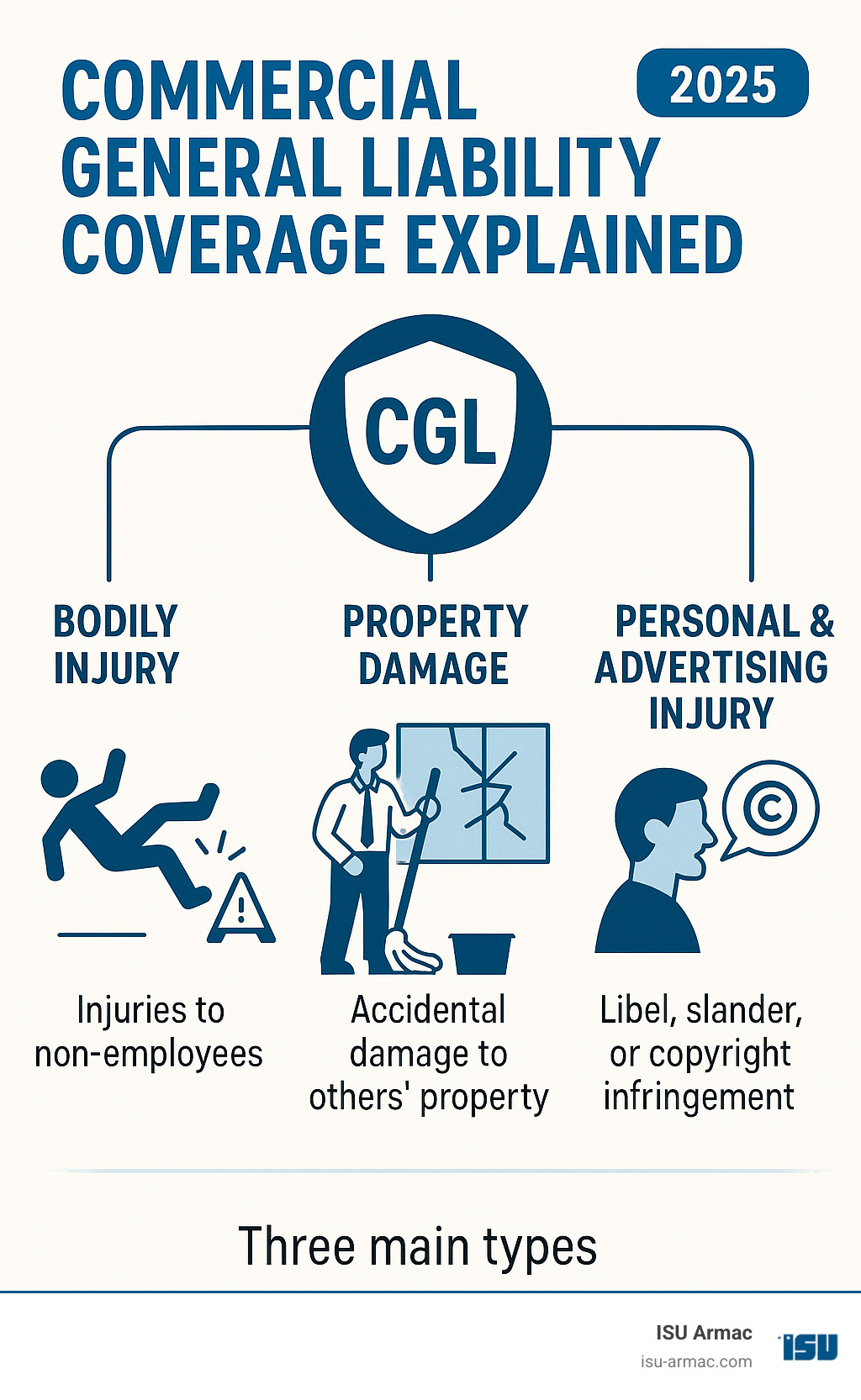
Advertising injury coverage is a key component of standard Commercial General Liability (CGL) policies, bundled under Coverage B as "Personal and Advertising Injury Liability." It protects businesses against third-party lawsuits claiming financial or reputational harm resulting from promotional, marketing, or advertising activities, such as libel, slander, copyright infringement in ads, or trade dress violations.
Contents
What Is Advertising Injury Coverage?
In commercial liability insurance, advertising injury coverage safeguards a business against legal liability arising from offences committed while promoting its products, services, or brand. Standard business insurance policies separate general liability into distinct operational risk buckets. While Coverage A addresses physical harms—specifically bodily injury and property damage—Coverage B addresses non-physical personal and advertising injuries.
Under standard Insurance Services Office (ISO) policy forms (such as the standard ISO CG 00 01 form), coverage is triggered when an offense occurs in the course of advertising the named insured’s goods, products, or services. The policy provides financial defense against eligible lawsuits, covering attorney fees, court costs, settlements, and court-awarded judgments up to the policy's specified Coverage B limits.
Because marketing channels have expanded across digital ecosystems, search engines, and social media platforms, the exposure to advertising injury claims has increased significantly. Understanding how commercial general liability defines an "advertisement" and what specific legal offenses fall within this policy umbrella is critical for effective business risk management.
Core Offenses Covered Under Advertising Injury
To trigger coverage under a standard CGL policy, a claim must allege one of the specific torts or offenses enumerated in the policy contract. Insurance carriers strictly interpret these defined offenses.
- ISO Coverage B: Personal & Advertising Injury
- Defamation & Disparagement
- Privacy & Misappropriation
- IP Infringement (Ads/Trade Dress)
1. Libel, Slander, and Commercial Disparagement
Coverage applies when a business publishes written (libel) or oral (slander) statements during a marketing campaign that defame a third party or disparage a competitor’s goods, services, or business practices.
- Example: A competitive advertising campaign explicitly claims that a rival manufacturer uses toxic materials in their goods without empirical proof, leading to lost revenues for the competitor.
2. Violation of Privacy Rights
If a commercial advertisement publishes material that violates an individual’s right to privacy, the resulting legal claim typically falls under advertising injury protection.
- Example: A retail company uses a photo of a customer in a national online promotional campaign without obtaining a signed model release or written consent.
3. Misappropriation of Advertising Ideas
This offense covers claims alleging that a company stole, copied, or wrongfully adopted a competitor's marketing concept, campaign strategy, or advertising style.
- Example: A firm hires a marketing agency's former employee and launches a promotional campaign using proprietary campaign concepts developed for a competing brand.
4. Infringement of Copyright, Trade Dress, or Slogan
Coverage B offers explicit protection for intellectual property violations, but only when those violations involve copyright, trade dress, or marketing slogans within an advertisement.
- Example: A business uses a copyrighted stock photograph in a digital ad campaign without purchasing the appropriate commercial license, or imitates a competitor's recognizable product packaging style in promotional materials.
Key Exclusions in Commercial Liability Policies
While advertising injury coverage provides broad protection against common marketing exposures, commercial liability insurance policies contain critical exclusions. Business owners must recognize where Coverage B ends and where specialized insurance endorsements or separate policies are required.
Intellectual Property Exclusions (Patents and Trademarks)
Standard CGL policies explicitly exclude general patent infringement, trade secret theft, and trademark infringement, except where the trademark claim directly involves trade dress or slogans used within an active advertisement. A business sued for patent infringement or standalone trademark infringement cannot rely on basic advertising injury coverage.
Knowing Violation of Rights
Insurance policies exist to cover unintentional or accidental torts. If an insured business intentionally publishes material known to be false or knowingly infringes upon another party's copyright with deliberate intent to cause harm, the insurer will deny coverage.
Breach of Contract
Claims asserting that a business breached an implied or explicit contract in an advertisement are routinely excluded. For instance, if an ad promises specific delivery schedules or service terms that the business fails to fulfill, resulting contractual litigation is not covered under advertising injury.
Incorrect Quality or Price Indications
Standard commercial liability policies exclude claims arising out of the failure of goods, products, or services to conform with advertised quality, performance, or price standards. False advertising claims brought under regulatory statutes (such as FTC enforcement actions or Lanham Act false advertising disputes) generally fall outside Coverage B scope.
Specialized Media and Internet Businesses
Policies contain a mandatory exclusion for businesses whose primary operation is publishing, broadcasting, advertising agency services, web design, or content creation. Because advertising is the core deliverable of media companies, they must purchase specialized Media Liability Insurance or Errors and Omissions (E&O) policies rather than relying on standard CGL Coverage B.
Comparing Commercial Liability Coverages
To ensure complete coverage, risk managers must distinguish how advertising injury fits into the broader commercial insurance framework.
| Insurance Category | Policy Section / Type | Core Focus | Typical Triggers Covered | Key Exclusions |
|---|---|---|---|---|
| Bodily Injury & Property Damage | CGL Coverage A | Physical damage or bodily harm caused by operations or products. | Slip-and-fall accidents, property damage during service calls, product defects causing physical injury. | Intentional acts, professional errors, advertising harms, cyber breaches. |
| Personal & Advertising Injury | CGL Coverage B | Reputational, intellectual, and personal offenses linked to marketing or privacy. | Libel, slander, trade dress infringement in ads, unauthorized use of ad concepts. | Patent infringement, intentional false statements, price non-conformance, media/publisher core operations. |
| Media Liability / E&O | Professional Liability (Monoline/Rider) | Professional errors, content creation, and publishing liability. | Broad trademark infringement, broad copyright claims, errors in published editorial content. | Bodily injury, physical property damage, intentional fraud. |
| Cyber Liability | Commercial Cyber Policy | Data breaches, network security failures, and online privacy events. | Unauthorized access to customer PII, ransomware attacks, electronic data loss. | Physical property destruction, traditional offline slander/libel. |
The Three-Prong Test: How Advertising Injury Claims Trigger
For an insurer to accept defense obligations under Coverage B for an advertising injury claim, courts and claims adjusters typically apply a strict three-prong legal test:
1. Covered Offense?: Allegation matches a policy-defined tort
2. Advertising Context?: Action occurred in an "advertisement"
3. Direct Causation?: Injury caused directly by the advertisement
The Claim Must Alleged a Covered Offense: The lawsuit must explicitly allege one of the specific offenses listed in the policy contract (e.g., copyright infringement in an ad, trade dress copying, or disparagement).
The Offense Must Occur in an "Advertisement": Standard CGL policies define an advertisement as a notice given to the public or specific market segments about goods, products, or services to attract customers. Internal business memos or private one-on-one communications generally do not qualify.
Causation Must Be Established: A direct causal link must exist between the advertising activity and the alleged injury. If the offense (such as patent infringement) occurred during product manufacturing rather than in the promotional campaign itself, Coverage B will not apply.
Managing Business Risks and Optimizing Coverage
Businesses can mitigate advertising injury exposures by combining sound marketing operational procedures with optimized policy structure.
Practical Risk Mitigation Strategies
- Implement Content Clearance Protocols: Require legal or compliance review for all outward-facing marketing materials, comparative ad campaigns, and brand taglines prior to publication.
- Secure Proper Licensing and Releases: Maintain strict digital asset management systems requiring proof of commercial licensing for all third-party stock photos, audio tracks, videos, and fonts. Always secure signed model releases from individuals featured in promotional materials.
- Maintain Social Media Rules: Establish corporate social media usage policies for employees to prevent unapproved statements, competitor disparagement, or copyright infringement on corporate channels.
Policy Review Considerations
- Check Aggregate Limits: Advertising injury coverage is subject to a "Personal and Advertising Injury Limit" per person or organization, as well as the overall CGL General Aggregate Limit. Ensure your policy limits align with your brand's digital reach.
- Review Electronic Media Endorsements: Confirm whether your policy includes modern endorsements that explicitly cover digital, web-based, and social media advertising channels.
- Consider Umbrella Insurance: For high-visibility consumer brands, purchase a Commercial Umbrella or Excess Liability policy to extend protection beyond basic CGL Coverage B limits.
Disclaimer: Insurance policy terms, definitions, and legal interpretations vary by carrier and legal jurisdiction. Business owners should consult a licensed commercial insurance broker or legal professional to evaluate specific policy language and exposure profiles.
Frequently Asked Questions
Does advertising injury cover trademark infringement?
Standard CGL policies generally exclude generic trademark infringement. However, coverage may apply if the trademark infringement specifically involves trade dress (the visual appearance or packaging of a product) or a slogan used directly within an advertisement. For comprehensive trademark protection, businesses require specialized Professional Liability or Intellectual Property Insurance.
Are social media posts covered under advertising injury insurance?
Yes, social media posts created by or on behalf of a business to promote products or services generally meet the standard policy definition of an "advertisement." If an official post unintentionally commits a covered offense—such as using a copyrighted image without authorization—Coverage B typically applies, subject to policy exclusions.
Is false advertising covered under commercial general liability?
No. Standard advertising injury coverage excludes claims alleging that a product failed to meet advertised quality, performance, or pricing claims. False advertising lawsuits brought by regulatory agencies (like the FTC) or consumer class actions are excluded under standard CGL forms.
What is the difference between personal injury and advertising injury in a CGL policy?
While both fall under Coverage B, personal injury involves offenses committed against an individual’s legal rights in non-advertising contexts (such as false arrest, malicious prosecution, wrongful eviction, or slander committed during non-promotional business operations). Advertising injury specifically requires that the offense occurred within the course of advertising goods, products, or services.
Does advertising injury cover employee actions on personal accounts?
Generally, no. If an employee posts disparaging remarks or copyrighted material on a personal social media account unrelated to their official job duties or approved corporate marketing campaigns, the policy will likely not respond, as the act was not conducted as an authorized business advertisement.
Recommended Next Steps
- Audit Your Marketing Collateral: Review current advertising assets, websites, taglines, and active social media campaigns to ensure all third-party media is properly licensed and clear of comparative claims that lack substantiation.
- Review Your Policy Schedule: Examine Section II (Coverage B) of your commercial general liability policy to confirm your Personal and Advertising Injury limit and check for restrictive endorsements or exclusions.
- Consult Your Insurance Broker: If your business conducts high-volume digital publishing, operates as a media production agency, or manages proprietary brand assets, consult your commercial insurance professional to assess whether you need supplemental Media Liability, Intellectual Property, or Cyber Liability coverage.
Image Gallery