Exploring the Instacart Banana Commercial: Marketing Strategy and Market Impact
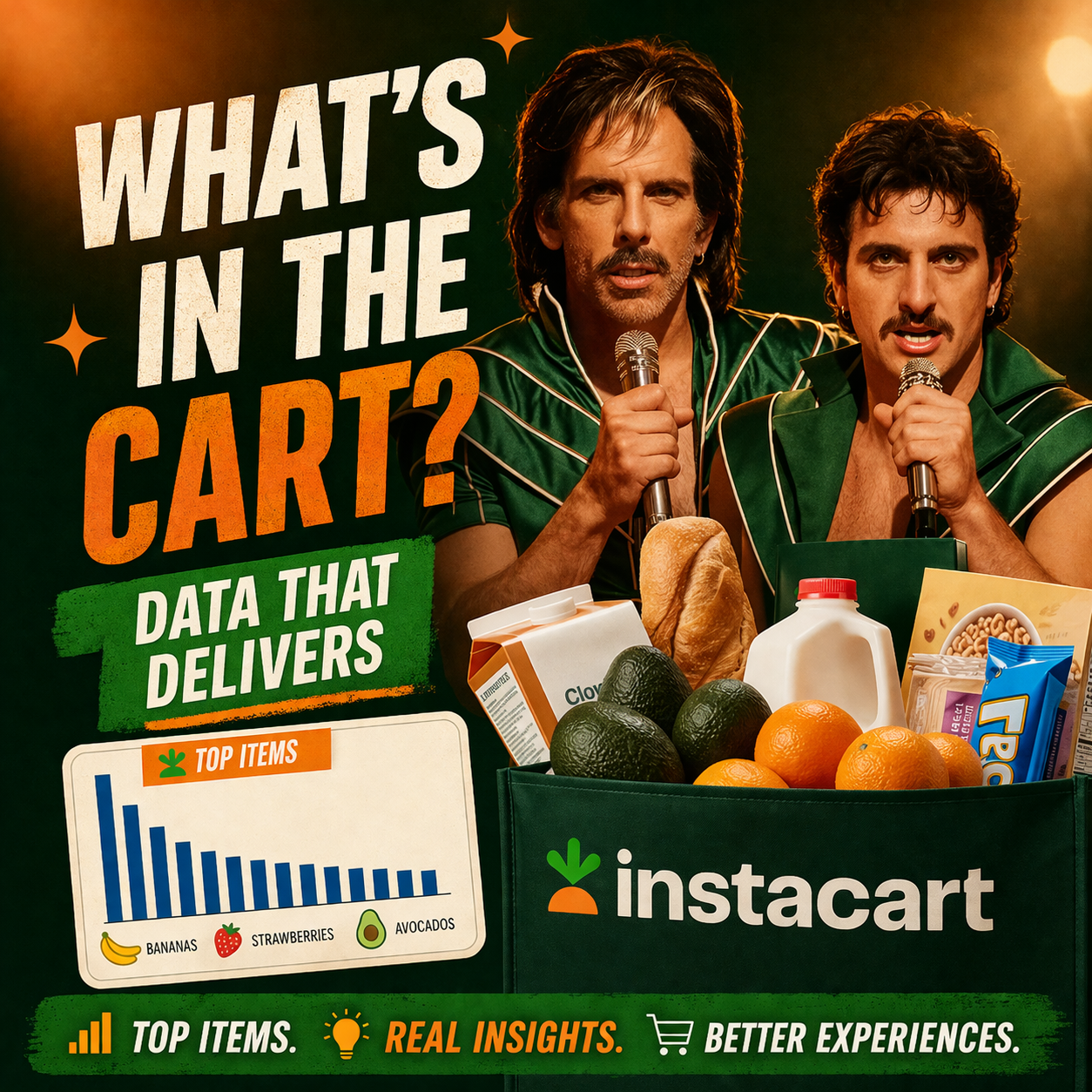
Instacart’s "In the Market" and "Carts" commercial campaigns utilize the banana—the platform’s most frequently ordered item—as a powerful symbol of quality and consumer trust. By highlighting the meticulous selection of produce, these...
Instacart’s "In the Market" and "Carts" commercial campaigns utilize the banana—the platform’s most frequently ordered item—as a powerful symbol of quality and consumer trust. By highlighting the meticulous selection of produce, these advertisements address the primary barrier to digital grocery adoption: the fear that a third-party shopper will not select fresh items.
Contents
The banana holds a unique position in the world of e-commerce. As of 2026, it remains the undisputed king of the grocery cart, serving as a bellwether for overall service quality. For Instacart, the "banana commercial" is not merely an advertisement for fruit; it is a strategic communication tool designed to demonstrate the human element of their technology-driven service. When a shopper in a commercial carefully inspects a bunch of bananas for the perfect ripeness, they are performing a ritual of trust meant to reassure the millions of users who rely on the platform for their weekly essentials.
The Strategic Importance of the Banana in Instacart’s Marketing
To understand why a simple fruit dominates Instacart’s visual branding, one must look at the data. Bananas are consistently the top-selling item on the platform globally. Because they are delicate, ripen quickly, and are subject to individual preference (some prefer green, others spotted), they represent the ultimate test of a personal shopper’s competence.
Instacart’s marketing team, often collaborating with high-profile agencies like Droga5, recognized that if they could convince consumers that an Instacart shopper could pick a perfect banana, they could convince them of anything. The "In the Market" creative direction focuses on the "unboxing" or "selecting" experience, bridging the gap between the digital interface and the physical grocery aisle.
Symbolism and Consumer Psychology
The use of bananas in commercials taps into a specific consumer psychology. Unlike boxed cereal or canned goods, produce is variable. By centering commercials on the "banana test," Instacart addresses "loss of control." The visual narrative usually follows a shopper’s hand—representing the customer’s own hand—navigating the produce section. This "POV" (point of view) cinematography is a deliberate choice to make the remote service feel personal and tactile.
Analyzing the "Carts" and "World is Your Cart" Campaigns
The most prominent iterations of these commercials fall under the broader "The World is Your Cart" and "Carts" brand platforms. These campaigns evolved significantly between 2022 and 2025, moving from celebrity-driven spectacles to more grounded, relatable stories of everyday life.
The Lizzo Collaboration (2022-2023)
One of the most expensive and expansive versions of the "World is Your Cart" campaign featured the artist Lizzo. While the ad was fantastical, featuring groceries appearing in a dreamscape, the core anchor remained the "freshness" of the items. This campaign was pivotal in shifting Instacart from a pandemic-era utility to a lifestyle brand.
The "Carts" Narrative (2024-2026)
Following the high-energy celebrity spots, Instacart pivoted to the "Carts" campaign. These commercials are more cinematic and focuses on the diverse "lives" inside a grocery cart. A single banana might be shown next to baby formula, or a bunch of bananas might be the centerpiece of a "back-to-school" cart. This approach humanizes the data. It tells the viewer that Instacart doesn't just deliver items; it delivers the ingredients for a life well-lived.
| Campaign Title | Primary Focus | Creative Agency | Key Visual Motif |
|---|---|---|---|
| The World is Your Cart | Personal Expression | Droga5 | Surrealist grocery landscapes |
| Carts | Life Stages/Diversity | Droga5 | The "Cart" as a portrait of a person |
| Grocery Besties | Influencer/Social | In-house | Peer-to-peer recommendations |
| In the Market (2025/26) | Quality & Trust | Various | Close-up produce inspections |
Addressing the "Produce Problem" Through Visual Storytelling
The technical depth of these commercials lies in how they solve the "Produce Problem." Market research has long shown that the number one reason consumers hesitate to use grocery delivery is the inability to touch and smell their own produce.
Instacart’s commercials in 2026 have doubled down on "Macro-Cinematography." By using ultra-high-definition shots of banana skins, the misting of kale, and the firmness of avocados, the ads provide a sensory experience that compensates for the lack of physical presence.
Training the Viewer
The commercials also serve as a subtle training manual for both customers and shoppers. By showing a shopper selecting a slightly green bunch of bananas for a "mid-week" delivery, the ad teaches the customer that they can specify ripeness in the app. This reduces "order friction" and increases the "Net Promoter Score" (NPS) for the brand, as expectations are aligned through the visual storytelling of the commercial.
Technological Integration: From Screen to Cart
In the 2026 landscape, the "banana commercial" is rarely just a passive TV spot. It is part of an omnichannel ecosystem.
- Shoppable TV: Many of these commercials now feature QR codes or "press-to-buy" functionality on smart TVs, allowing viewers to add the exact "Cart" seen on screen to their Instacart app.
- Contextual Placement: Instacart places these commercials during cooking shows or fitness broadcasts, where the "freshness" of a banana or a healthy snack is top-of-mind.
- Shopper-Side Affirmation: These ads also target the "Shopper" side of the marketplace. By portraying the shopper as an expert "market navigator," the commercials help with shopper retention and pride, reinforcing the standard of quality expected by the platform.
Competitive Comparison: Instacart vs. DoorDash and Uber Eats
As the delivery market has consolidated, Instacart has used its "In the Market" branding to differentiate itself from generalist delivery services like DoorDash or Uber Eats. While competitors often focus on speed and restaurant delivery, Instacart’s commercials focus on grocery expertise.
The "banana commercial" is the weapon of choice in this battle. DoorDash might show a bag of fast food arriving quickly, but Instacart shows a human being carefully selecting a specific piece of fruit. This distinction is vital for capturing the "Weekly Shop" market, which is significantly more lucrative than the "On-Demand Meal" market. According to Instacart's Corporate Site, the focus on "high-intent grocery" has been a key driver of their 2025-2026 fiscal growth.
Common Misconceptions About the Ads
One common misconception is that these commercials are simply "fruit ads." In reality, they are sophisticated data-driven pieces of content. Instacart uses "A/B testing" on digital versions of these commercials to see which fruit—the banana, the strawberry, or the avocado—drives the highest click-through rate in specific regions.
Another misconception is that the "In the Market" title refers to a single video. It is actually a creative framework that allows for localized versions. A commercial airing in the Midwest might feature different grocery items than one airing in Miami, though the "core banana" often remains a constant due to its universal appeal.
Troubleshooting Order Expectations Based on Commercials
While commercials depict a "perfect" experience, real-world variables can differ. To get the experience shown in the "In the Market" ads, users should follow these steps:
- Use the "Instructions" Feature: The commercial shows a shopper picking the right ripeness because the user (theoretically) requested it. Always leave a note saying, "Green bananas please, for later in the week."
- Monitor Substitutions: If a specific item shown in an ad is out of stock, the shopper will suggest a replacement. High-quality shoppers will mirror the "care" seen in commercials by texting photos of alternatives.
- Check the "Shopper Quality" Metric: Instacart often highlights "Gold" or "Platinum" shoppers in their marketing. Choosing or being matched with highly-rated shoppers increases the likelihood of receiving produce that looks like the commercial.
Frequently Asked Questions
Why does Instacart always use bananas in their commercials?
Bananas are the most-ordered item on the platform. They serve as a universal symbol for "grocery shopping" and act as a benchmark for produce quality. If a service can deliver a non-bruised, correctly ripened banana, consumers trust them with the rest of their list.
Who is the actress or actor in the latest Instacart commercial?
While Instacart has used celebrities like Lizzo and Chloe Fineman in the past, their 2025-2026 "In the Market" campaign primarily features "real-feel" actors or actual Instacart shoppers to emphasize authenticity and relatability over celebrity glamour.
What is the song in the Instacart banana commercial?
The music varies by campaign. The "Carts" campaign has used eclectic tracks ranging from classic soul to modern indie-pop. These songs are chosen to evoke "rhythm and flow," mimicking the movement of a shopper through a store. You can often find the latest tracks via Shazam or Instacart’s official social media channels.
Does Instacart really pick produce as carefully as shown in the ad?
The ads represent the "brand promise." While individual shopper behavior varies, Instacart uses "Quality Incentives" and shopper ratings to encourage the high standards shown in their marketing. Users can directly influence this by providing feedback in the app after delivery.
How can I find the specific "In the Market" commercial online?
Most of Instacart's video assets are archived on their Official YouTube Channel. Searching for "Instacart Carts" or "Instacart World is Your Cart" will typically yield the most relevant results.
Final Recommendation for Consumers
To get the most out of the service advertised in the "banana commercial," you should treat the app as a communication tool rather than just a checklist. The "magic" of the perfect grocery selection shown on screen is a result of active communication between the user and the shopper. By using the "Ripeness" notes and responding to shopper messages in real-time, you can ensure that the market-fresh experience transitions from the screen to your kitchen counter.
Image Gallery