What Time Does Goodwill Drop Off Close? Hours, Rules, and Guidelines
Most Goodwill donation drop-off locations close between 5:00 PM and 7:00 PM Monday through Saturday, and between 4:00 PM and 5:00 PM on Sunday. At locations where the donation center is attached to a retail store, the drop-off area fre...
Most Goodwill donation drop-off locations close between 5:00 PM and 7:00 PM Monday through Saturday, and between 4:00 PM and 5:00 PM on Sunday. At locations where the donation center is attached to a retail store, the drop-off area frequently closes 30 to 60 minutes earlier than the retail shopping doors to allow staff time to secure donations and clear the intake bay.
Contents
Standard Goodwill Donation Drop-Off Operating Hours
Goodwill Industries International is not a centralized retail chain; rather, it operates as a network of more than 150 independent, regional member organizations across the United States and Canada. Because each regional territory manages its own donation logistics, store facilities, and processing hubs, operational schedules vary depending on the municipality, local staffing, and venue layout.
Despite regional differences, most Goodwill locations follow predictable schedule patterns based on site category:
1. Retail Store Attached Drop-Off Sites
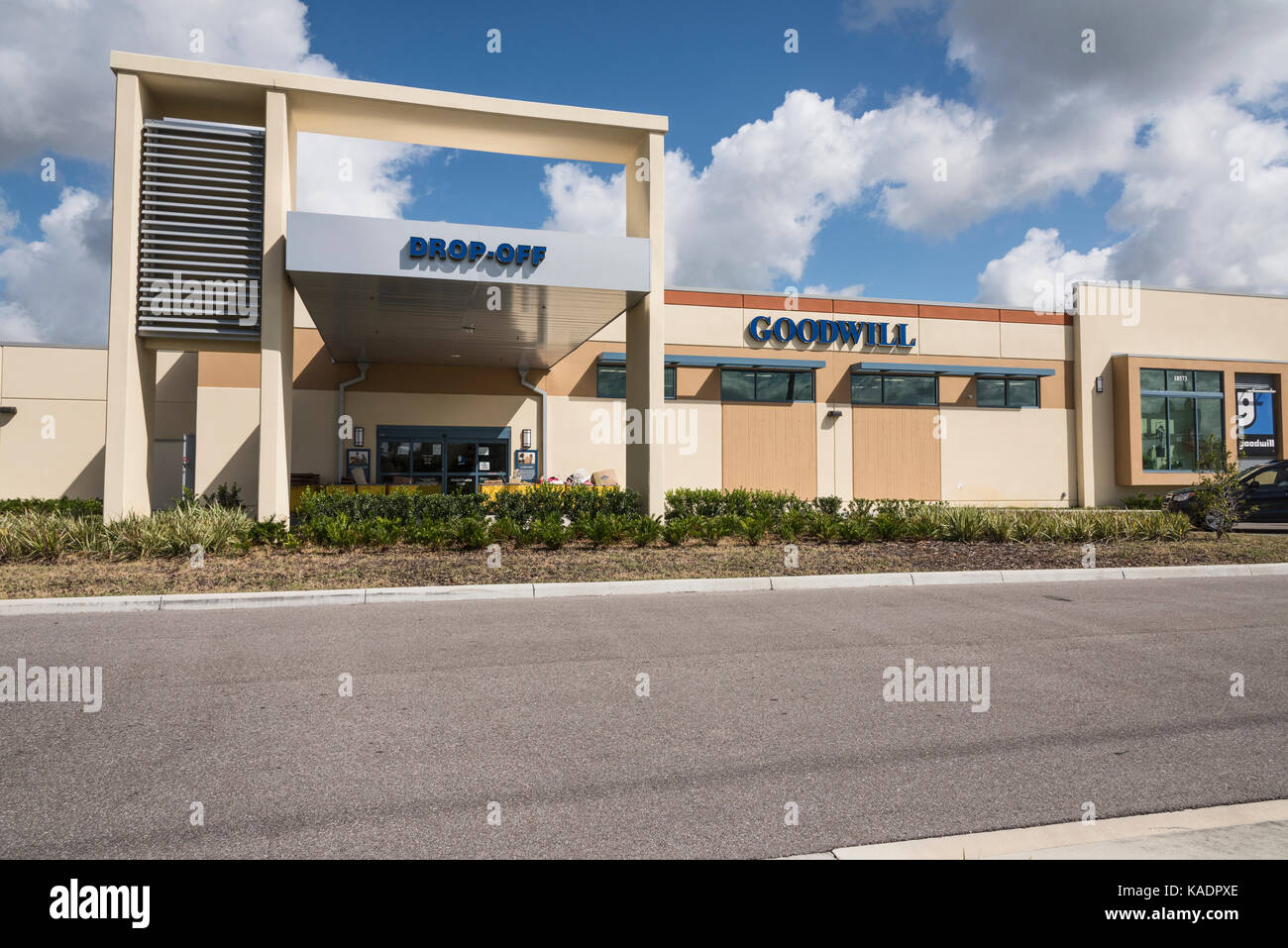
The majority of donors visit drop-off centers connected directly to a Goodwill retail store. While retail shopping hours often extend to 8:00 PM or 9:00 PM on weeknights, donation intake bays operate on shorter schedules.
- Monday – Saturday: Typically open from 9:00 AM or 10:00 AM and close between 6:00 PM and 7:00 PM.
- Sunday: Typically open from 10:00 AM or 11:00 AM and close between 4:00 PM and 5:00 PM.
The early cutoff allows attendants to clear sorting tables, roll heavy donation gaylords (large corrugated boxes on pallets) inside the warehouse, and lock exterior roll-up doors before the store retail staff finishes their evening shift.
2. Standalone Attended Donation Centers (ADCs)
In suburban communities, shopping centers, or high-density urban corridors, Goodwill operates standalone Attended Donation Centers (ADCs). These sites consist of dedicated trailers, drive-thru lanes, or small storefronts built exclusively for receiving items without a retail sales floor.
- Monday – Saturday: Typically operate from 8:00 AM or 9:00 AM until 5:00 PM or 6:00 PM.
- Sunday: Frequently operate on shortened hours (e.g., 10:00 AM to 4:00 PM) or may remain closed entirely depending on local staffing models.
Because standalone ADCs lack full-sized warehouse storage rooms, their operational hours are strictly linked to trailer pickup schedules. Once an intake trailer reaches storage capacity for the day, attendants may pause incoming drop-offs early.
3. Unattended Drop Boxes
While unattended drop-off bins were common in past decades, most regional Goodwill territories have phased them out due to property damage, illegal dumping of hazardous waste, and theft. Where authorized drop boxes remain operational on private commercial property, drop-offs are technically accessible 24 hours a day, though donors are encouraged to deposit items only during daylight hours for personal safety and visibility.
Overview of Drop-Off Hours by Center Type
The following table summarizes standard operating hours, typical cutoffs, and key processing rules for common Goodwill donation site types across North America:
| Location Type | Typical Opening Time | Typical Closing Time | Early Cutoff Window | Receipt Availability |
|---|---|---|---|---|
| Retail Store Intake Bay | 9:00 AM – 10:00 AM | 6:00 PM – 7:00 PM (Mon–Sat)4:00 PM – 5:00 PM (Sun) | 30 to 60 minutes before store close | Printed paper receipt or QR code digital receipt |
| Drive-Thru Donation Center | 8:30 AM – 9:00 AM | 5:30 PM – 6:30 PM (Mon–Sat)4:00 PM – 5:00 PM (Sun) | 30 minutes before site close | Attendant-issued receipt (paper or mobile) |
| Standalone ADC (Trailer/Kiosk) | 9:00 AM | 5:00 PM – 6:00 PM (Mon–Sat)10:00 AM – 4:00 PM (Sun) | At site capacity or posted closing time | Attendant-issued physical receipt |
| Unattended Drop Box (Select Regions) | Open 24/7 | Open 24/7 | N/A (Subject to bin capacity) | Self-service online receipt (where available) |
Why Drop-Off Hours Differ from Store Hours
It is common for donors to arrive at a Goodwill retail store at 7:30 PM expecting to drop off boxes of household goods, only to find the donation doors closed while retail cash registers remain open. Several operational and logistical factors account for this timing structure:
- Donor Arrival at Intake Bay
- Attendant Unloads & Sorts
- Items Binned in Heavy Containers
- Warehouse Lockup & Security Clearance (30-60 Min Pre-Close)
- Retail Store Closes
- Warehouse Lockup Security: Intake bays rely on large industrial overhead garage doors. To protect donated property and secure the facility building, staff must close, latch, and secure these exterior access points before ambient light degrades and the primary retail staff departs.
- Staging and Sorting Capacity: Donated items must be triaged, sorted into heavy containers, and wheeled into designated staging lanes inside the warehouse area. If intake bays accepted donations right up until retail store doors locked, unsorted items would sit on outdoor driveways overnight, creating safety hazards and violating local fire codes.
- Staffing Constraints: Donation attendants are trained in lift safety, hazard identification, and inventory intake. Their shifts are scheduled specifically around daylight transport schedules, ensuring that offloading trucks can transport filled bins to regional processing central hubs before evening transit cutoffs.
Rules Regarding After-Hours Drop-Offs and Unattended Dumping
Dropping off donations outside of operational hours when no attendant is on duty is strictly prohibited across almost all Goodwill regional territories.
1. Illegal Dumping Fines and Legal Liability
Leaving items, furniture, or boxed goods outside a closed donation center, on a sidewalk, or against an exterior wall is classified as illegal dumping under state, provincial, and municipal codes. Goodwill property is regularly monitored by closed-circuit camera systems (CCTV). Violators who dump items after hours may be subject to monetary fines ranging from $250 to over $1,000 depending on the jurisdiction, along with potential citations for property trespassing.
2. Weather Damage and Waste Creation
Items left outside overnight are exposed to rain, dew, snow, and extreme temperatures. High-value donations like clothing, books, upholstery, and electronics quickly suffer water damage, mold growth, or pest infestation. When items are ruined by exposure, Goodwill cannot sell or repurpose them, forcing the non-profit organization to expend financial resources on landfill disposal fees—defeating the charitable intent of the donation.
3. Theft and Vandalism
Unattended donations frequently fall victim to scavenging, theft, or vandalism overnight. Scattered boxes create public litter hazards and compromise personal privacy if mixed records or personal documents are left exposed.
How to Verify Hours for Your Local Goodwill
Because donation center hours depend on regional administration, local labor availability, and seasonal shifts, verifying your specific location's operational hours before driving is recommended.
- Use the Official Goodwill Locator Tool: Visit the official locator at Goodwill.org to search by ZIP code or city. The database lists regional affiliate sites, distinguishing retail store hours from dedicated donation drop-off schedules.
- Check Regional Territory Websites: Regional entities—such as Goodwill Industries of Middle Tennessee, Goodwill of Southwestern Pennsylvania, or Goodwill NYNJ—maintain localized domain sites detailing real-time schedule changes, holiday hours, and facility upgrades.
- Call the Specific Location directly: When transporting large items or high volumes of goods, call the store phone number listed on official map channels. Verify that an attendant will be on-site to assist with unloading and confirm that the intake bay has open warehouse floor space available.
Acceptable vs. Unacceptable Drop-Off Items
To prevent wasted trips and ensure a quick drop-off process, ensure your items align with standard Goodwill intake policies. Acceptance criteria can vary based on local recycling contracts and warehouse capacity.
Commonly Accepted Items
- Apparel and Textiles: Clothing, shoes, boots, belts, hats, linens, towels, and curtains (clean and dry).
- Household Goods: Cookware, dishes, glassware, flatware, small kitchen appliances, and decorative items.
- Media and Entertainment: Hardcover and paperback books, vinyl records, CDs, DVDs, and boxed board games.
- Electronics: Working flat-screen televisions (in participating territories), audio receivers, computer towers, monitors, gaming consoles, and small cables.
- Sporting Goods: Bicycles, golf clubs, fitness hand weights, and camping gear in usable condition.
Commonly Restricted or Refused Items
- Hazardous Materials: Paint, chemicals, auto fluids, batteries, pressurized tanks, and pesticides.
- Large Household Appliances: Full-sized refrigerators, washing machines, dryers, freezers, and stove ranges.
- Heavy/Unsanitary Furniture: Damaged mattresses, box springs, waterbeds, soiled upholstery, or broken particle-board furniture.
- Recalled Consumer Products: Infant car seats, drop-side cribs, broken high chairs, and items flagged under Consumer Product Safety Commission (CPSC) safety alerts.
- Building and Plumbing Supplies: Used toilets, carpet remnants, drywall, doors, and loose lumber (though these may be accepted by specialized organizations such as Habitat for Humanity ReStore).
Tax Receipts and Drop-Off Documentation
Goodwill is a registered 501(c)(3) non-profit organization in the United States, making eligible donations tax-deductible to the extent permitted by tax law.
Obtaining a Receipt During Operational Hours
When you drop off items within official operating hours:
- Paper Receipts: An attendant will inspect your items, assist with unloading, and hand you a pre-printed, paper donation receipt detailing the date and location.
- Digital Receipts: Many regional Goodwill territories utilize digital donor kiosks or mobile QR codes. Donors scan a code at the bay using a smartphone camera to generate a digital receipt, which allows them to log item categories, estimated values, and dates directly into a secure digital record portal.
Valuation and Record Keeping
By federal law, charitable organizations cannot appraise or assign monetary values to donated goods on behalf of the taxpayer. The Internal Revenue Service (IRS) requires donors to determine the fair market value (FMV) of their contributed clothing and household items. Donors filing claims for non-cash charitable contributions exceeding specific annual limits should retain itemized inventory lists alongside their signed Goodwill donation receipts.
Frequently Asked Questions
What time does Goodwill donation drop-off close on Sundays?
Most Goodwill donation drop-off locations close between 4:00 PM and 5:00 PM on Sundays. Sunday hours are generally shorter than weekday schedules across almost all regional territories. Donors should plan to arrive before 3:30 PM on Sundays to ensure adequate intake processing time.
Can I drop off donations 30 minutes before the store closes?
In many cases, no. Donation intake bays often close 30 to 60 minutes before the retail store closes. For example, if a Goodwill retail store closes at 8:00 PM, the donation drop-off center may close at 7:00 PM. Always check specific donation bay schedules rather than relying on store shopping hours.
Is it legal to leave items outside Goodwill after hours?
No. Leaving items outside a closed Goodwill location is considered illegal dumping. It can result in municipal fines, criminal trespassing charges, or law enforcement citations. Unattended items are also susceptible to rain damage, theft, and destruction, which prevents Goodwill from utilizing them for charitable programs.
What should I do if the donation center is full when I arrive?
If an attended donation center or trailer reaches maximum capacity, attendants may temporarily halt incoming drop-offs for safety and storage reasons. If this occurs, you can ask the staff for the nearest alternative regional drop-off facility or return during early operational hours on the next business day.
Do Goodwill donation centers open on major holidays?
Goodwill donation drop-off facilities typically close or operate on modified holiday schedules during major observed holidays, such as Thanksgiving Day, Christmas Day, New Year's Day, and Easter Sunday. Check your local regional territory's website for specific holiday closures.
Practical Checklist Before Driving to Goodwill
To ensure a smooth, quick donation experience, follow these practical steps before heading out:
- Confirm Donation Bay Hours: Double-check your local location's donation bay hours on Goodwill.org or via phone—do not assume donation hours match retail store doors.
- Sort Your Items: Group similar items together in sturdy boxes or bags (e.g., textiles in one bag, glassware in a box with padding) to speed up attendant processing at the intake gate.
- Inspect for Prohibited Goods: Verify that all items are clean, dry, free of mold or hazardous materials, and compliant with safety guidelines.
- Target Off-Peak Times: Visit during early morning hours (between 9:00 AM and 11:00 AM) on mid-week days (Tuesday through Thursday) to avoid peak weekend drive-thru lines.
- Collect Your Receipt: Remember to request your physical or digital receipt from the attendant before driving away for your tax and personal accounting records.
Image Gallery