Understanding the Circumstances of Charley Pride’s Death Due to COVID-19 Complications
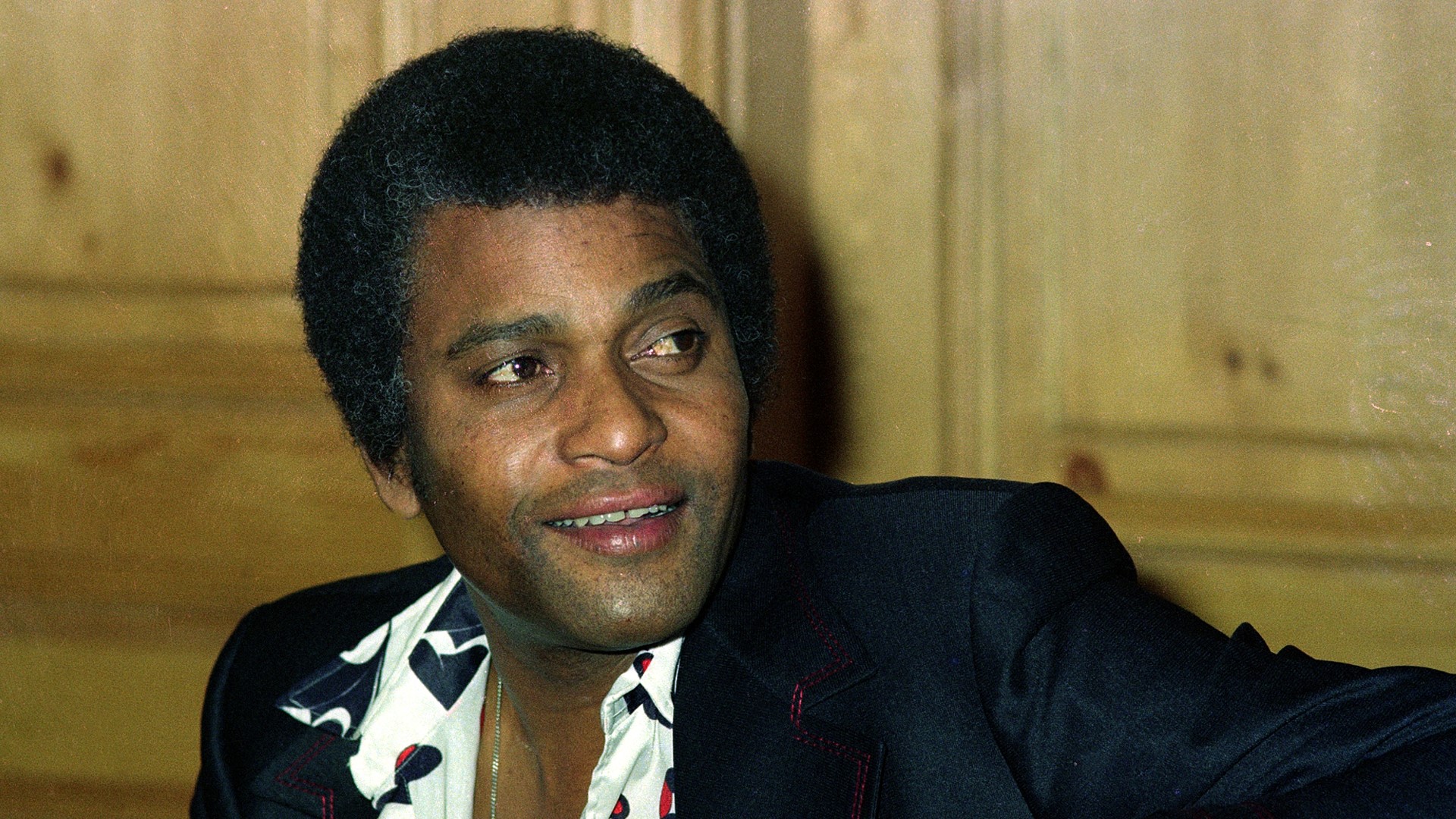
Country music legend Charley Pride died on December 12, 2020, at the age of 86. His passing was attributed to complications arising from COVID-19. At the time of his death, Pride was a pioneering figure in the genre, having broken raci...
Country music legend Charley Pride died on December 12, 2020, at the age of 86. His passing was attributed to complications arising from COVID-19. At the time of his death, Pride was a pioneering figure in the genre, having broken racial barriers to become one of the most successful artists in country music history. His death occurred during a significant surge in the global pandemic, drawing widespread attention to the severity of the virus among older populations and individuals with underlying health concerns.
Contents
The Life and Legacy of Charley Pride
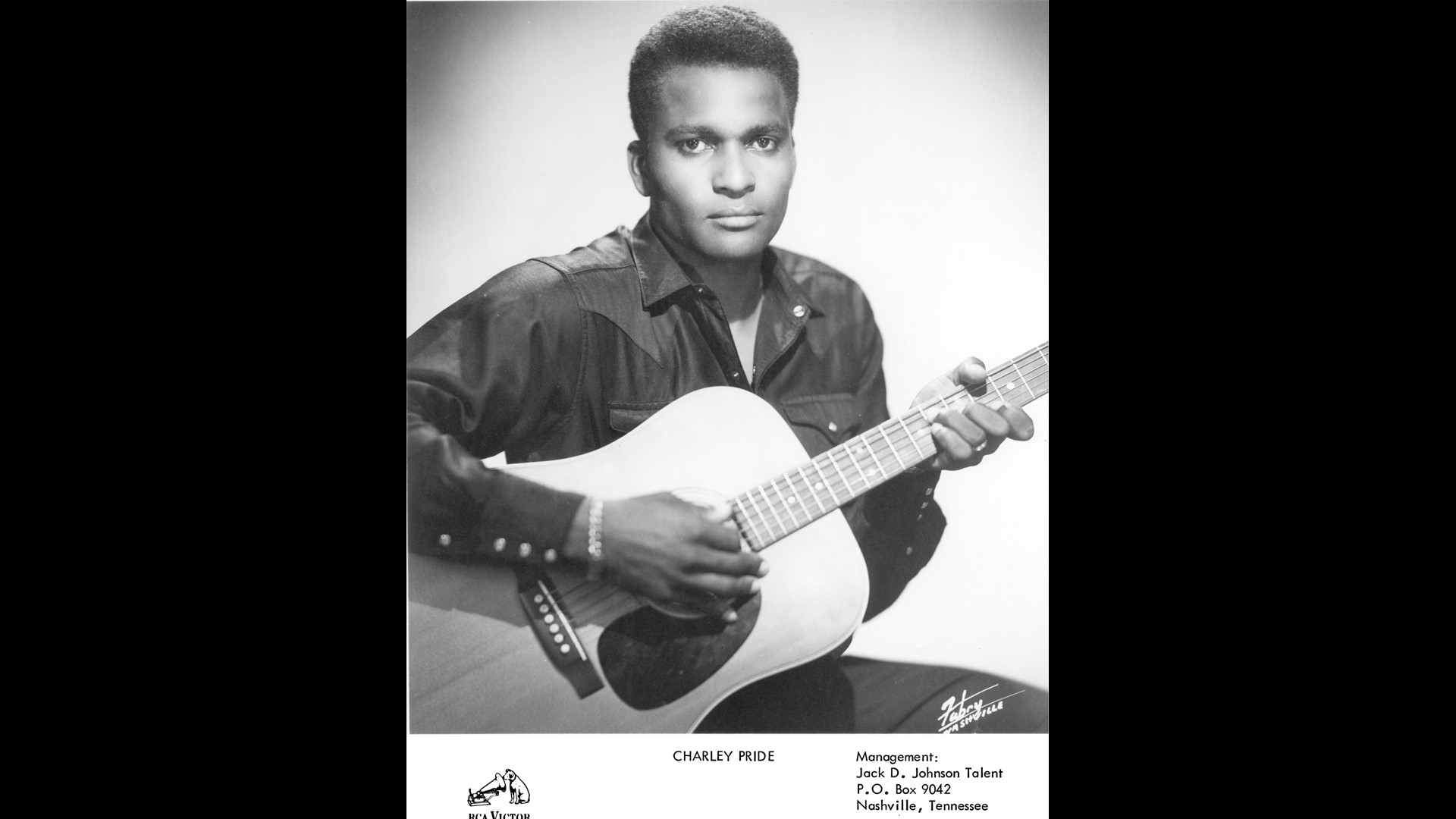
Born in Sledge, Mississippi, in 1934, Charley Pride rose from humble beginnings to become a titan of the music industry. Before finding fame as a singer, he pursued a career in professional baseball, playing in the Negro American League. However, his true calling lay in country music. Over the course of his career, he achieved 29 number-one singles on the Billboard Hot Country Songs chart and was inducted into the Country Music Hall of Fame in 2000.
Pride’s success was not merely a matter of musical talent; it was a cultural milestone. As a Black man in a genre historically dominated by white performers, he navigated significant societal obstacles. His voice—a rich, smooth baritone—commanded respect and crossed demographic boundaries, leading to his status as the first Black artist to perform at the Grand Ole Opry in the modern era and the first to win the Country Music Association's Entertainer of the Year award. His death left a significant void in the American music landscape.
Medical Context: COVID-19 Complications in Older Adults
The term "complications" in the context of COVID-19 refers to the secondary health challenges triggered by the SARS-CoV-2 virus, which often prove more fatal than the primary infection itself. In the case of older adults, the body’s immune response can be overwhelmed, leading to a cascade of systemic failures.
When Charley Pride passed away in December 2020, the medical community was still navigating the peak of the virus’s volatility. COVID-19 complications typically manifest in several ways:
- Acute Respiratory Distress Syndrome (ARDS): A condition where fluid builds up in the lungs, preventing oxygen from reaching the bloodstream, often requiring mechanical ventilation.
- Cytokine Storms: An overreaction of the immune system that causes severe inflammation and can damage multiple organs, including the heart, kidneys, and liver.
- Secondary Infections: Viral pneumonia often weakens the immune system, making patients susceptible to bacterial infections that the body can no longer fight.
- Cardiovascular Stress: The virus can trigger blood clotting issues or exacerbate pre-existing heart conditions, leading to arrhythmias or heart failure.
Given the demographic risk—individuals aged 80 and over experienced the highest mortality rates during the 2020–2021 period—the medical consensus remains that the virus acts as a force multiplier for existing age-related physiological vulnerabilities.
Timeline and Public Response
Charley Pride’s final public appearance was at the 54th Annual Country Music Association (CMA) Awards in November 2020, where he received the Willie Nelson Lifetime Achievement Award. Following his death just weeks later, discussions arose regarding the safety protocols at the event and the broader challenges of public gatherings during the pandemic.
The CMA issued a statement following his passing, noting that all protocols were followed. However, the tragedy served as a somber reminder of the unpredictability of the virus. Because the COVID-19 pandemic was characterized by rapid transmission, even high-profile individuals with access to top-tier healthcare were susceptible to the disease's unpredictable progression. His family and the country music community mourned his loss as the end of an era, highlighting the profound impact the pandemic had on the lives of public figures and the general public alike.
Comparative Risk Factors During the Pandemic
Understanding why certain individuals were more severely affected by COVID-19 involves looking at age, comorbidities, and the state of medical intervention available at the time. The following table illustrates the clinical risk landscape for the demographic segment to which Charley Pride belonged during the 2020 period.
| Risk Category | Clinical Observation |
|---|---|
| Primary Age Factor | Individuals 80+ faced statistically higher mortality rates due to immunosenescence. |
| Respiratory Baseline | Viral infection in older adults frequently progresses rapidly to viral pneumonia. |
| Systemic Impact | Multi-organ failure is more common in patients with pre-existing vascular health issues. |
| Recovery Window | The speed of clinical decline in elderly patients often outpaced the effectiveness of standard oxygen support. |
Preventive Measures and Evolving Guidelines
While the medical narrative surrounding Charley Pride’s death is settled—citing COVID-19 complications—it is essential to interpret this within the historical context of 2020. At that stage of the pandemic, many therapeutic protocols were still being refined. The medical approach shifted significantly between the start of the pandemic and the subsequent years.
Current health guidelines emphasize that for vulnerable populations, the following remain the primary defense mechanisms against severe illness:
- Vaccination Protocols: Maintaining up-to-date immunizations to reduce the risk of severe disease and hospitalization.
- Early Detection: Monitoring oxygen saturation levels and seeking medical evaluation at the onset of respiratory distress.
- Proactive Management: Addressing comorbid conditions, such as hypertension or diabetes, which were identified as significant factors in COVID-19 mortality statistics.
Frequently Asked Questions
Was Charley Pride vaccinated? At the time of his death in December 2020, COVID-19 vaccines had only just received emergency use authorization and were not yet widely available to the general public or even the most vulnerable elderly populations.
Did his music career contribute to his exposure? There is no evidence to suggest his career path directly caused his infection, though public appearances during the late 2020 period involved a higher degree of social interaction than what was recommended for those in high-risk age groups.
What specific "complications" are usually cited? Death certificates and medical reports for COVID-19 patients typically list respiratory failure, pneumonia, or cardiac arrest as the direct cause of death, all of which are considered "complications" resulting from the primary viral infection.
How is his legacy currently being remembered? Charley Pride is honored today as a barrier-breaker. His influence on artists ranging from Darius Rucker to Jimmie Allen remains a core topic in music history, ensuring that his contribution to the genre transcends the circumstances of his passing.
Can medical intervention stop COVID-19 complications? While modern medicine has significantly improved outcomes through antivirals and improved ventilation protocols, in 2020, the disease often progressed with such speed that even intensive care intervention could not always mitigate the systemic damage caused by the virus in elderly patients.
Final Guidance for Readers
The death of Charley Pride underscores the lethal potential of respiratory viruses in older adults. For those managing the health of aging family members or themselves, the primary takeaway is the importance of vigilance regarding respiratory health and the strict adherence to preventative medical guidelines. If you or a loved one belong to a high-risk category, it is vital to maintain regular consultations with primary care physicians to manage baseline health, as these conditions often dictate the body’s ability to survive acute viral stressors.
Image Gallery