How to Evaluate a Company Net Worth
Evaluating a company's net worth requires a comprehensive financial analysis that looks beyond basic bank accounts to examine total assets, liabilities, earnings power, and market conditions. Often referred to as business valuation or...
Evaluating a company's net worth requires a comprehensive financial analysis that looks beyond basic bank accounts to examine total assets, liabilities, earnings power, and market conditions. Often referred to as business valuation or owners' equity, this figure helps stakeholders understand what a firm is truly worth in the current economic landscape of 2026.
Contents
Determining a company’s net worth involves subtracting total liabilities from total assets on the balance sheet, though true economic value often incorporates market capitalization, discounted cash flows, and industry earnings multiples. Analysts typically utilize asset-based, market-based, and income-based approaches to arrive at an accurate valuation.
Understanding the Core Components of Corporate Worth
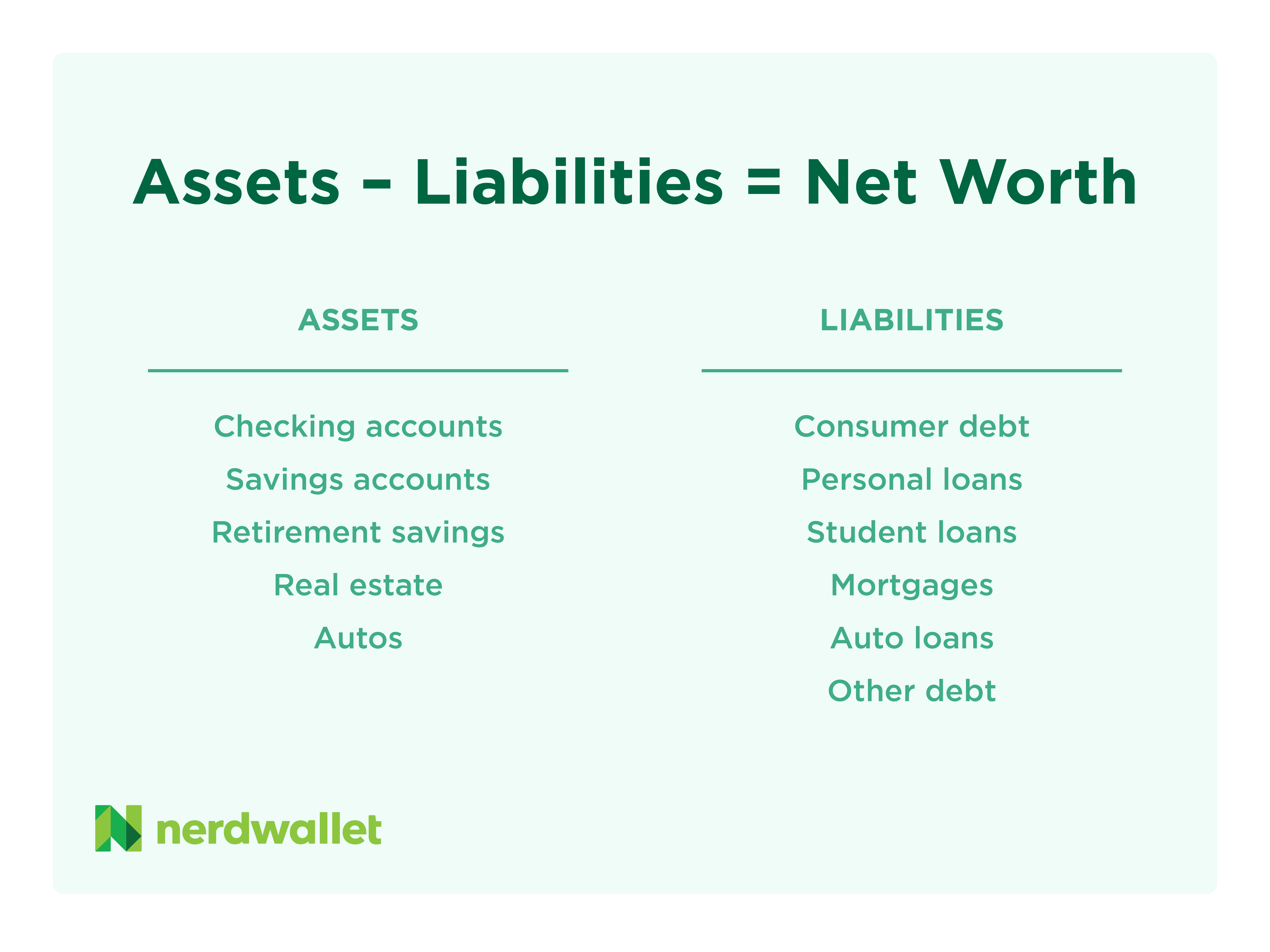
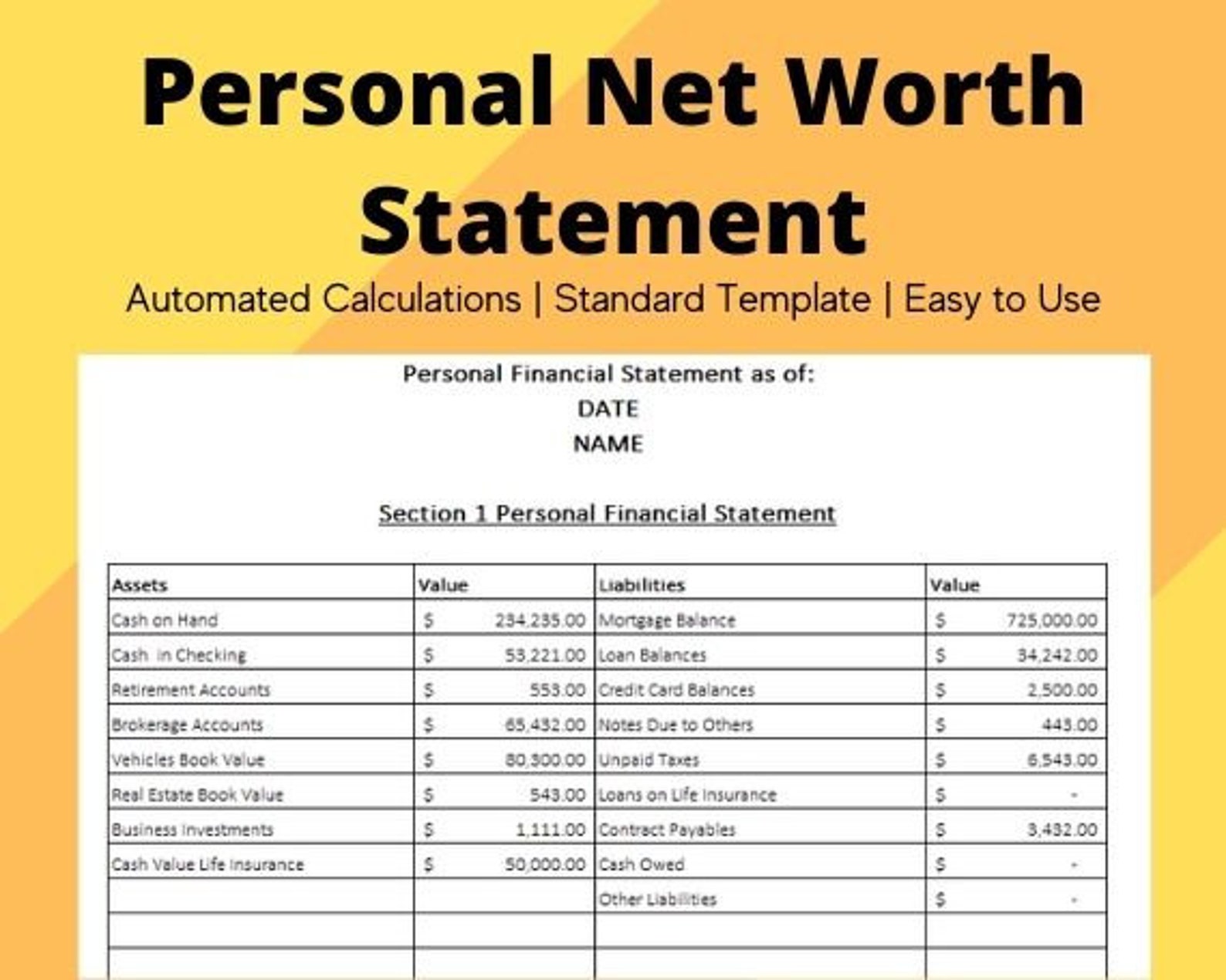
To evaluate a company's net worth accurately, you must first understand the fundamental financial statements that house its economic data. Net worth, in accounting terms, is synonymous with book value or shareholders' equity. It represents the residual interest in the assets of the entity after deducting liabilities.
However, book value rarely tells the whole story. A company may own real estate purchased decades ago that has appreciated significantly, yet it appears on the balance sheet at historical cost minus depreciation. Therefore, professional valuation requires adjusting standard accounting figures to reflect current market realities.
Assets: What the Company Owns
Assets are divided into current assets (cash, accounts receivable, inventory) and non-current assets (property, plant, equipment, and intellectual property). When evaluating net worth, the quality of these assets matters immensely.
- Current Assets: Liquid or near-liquid resources that can be converted to cash within one year. Old inventory or uncollectible accounts receivable can inflate net worth on paper if not properly written down.
- Fixed Assets: Long-term physical resources like machinery, real estate, and vehicles. These require independent appraisal to determine their true liquidation or replacement value.
- Intangible Assets: Patents, trademarks, brand recognition, and proprietary software. While difficult to price, these assets often drive the majority of a modern corporation's actual market value.
Liabilities: What the Company Owes
Liabilities represent all financial obligations and debts owed to outside parties. Just like assets, these are split into current liabilities (accounts payable, short-term loans, accrued expenses) and long-term liabilities (bonds payable, long-term bank debt, pension obligations). A complete evaluation requires scrutinizing off-balance-sheet financing, such as operating leases or pending lawsuits, which can severely diminish net worth.
Primary Methodologies for Company Valuation
Because different businesses operate in diverse industries—from capital-intensive manufacturing to asset-light software development—financial analysts rely on three distinct valuation approaches. Selecting the right method ensures that the resulting net worth figure reflects economic reality rather than arbitrary accounting choices.
1. The Asset-Based Approach
The asset-based approach calculates net worth by determining the net value of all physical and intangible assets. This is most frequently used for holding companies, businesses winding down operations, or capital-heavy firms.
- Going-Concern Net Asset Value: Assumes the business will continue operating, valuing assets at fair market value while accounting for normal working capital needs.
- Liquidation Value: Calculates what would remain if the company ceased operations immediately, sold off its assets quickly, and paid off all debts. This usually yields the lowest valuation figure.
2. The Market-Based Approach
The market-based approach looks at recent transactions for comparable companies within the same industry. This method relies heavily on market multiples, such as the Price-to-Earnings (P/E) ratio or Enterprise Value-to-EBITDA (Earnings Before Interest, Taxes, Depreciation, and Amortization) ratio.
For publicly traded corporations, the market-based net worth is essentially market capitalization (share price multiplied by total shares outstanding) plus total debt minus cash, known as Enterprise Value. For private companies, analysts rely on databases of private business sales to find comparable multiples.
3. The Income-Based Approach
The income-based approach focuses on the company's ability to generate future economic benefits. The most prominent technique here is the Discounted Cash Flow (DCF) model.
A DCF analysis projects a company's free cash flows for a future period (typically five to ten years) and discounts them back to present value using a weighted average cost of capital (WACC). This method is ideal for growing companies whose future earnings potential far outweighs their current physical assets.
| Valuation Approach | Best Used For | Primary Metric Used | Core Limitation |
|---|---|---|---|
| Asset-Based | Real estate firms, holding companies, liquidation scenarios | Fair market value of assets minus liabilities | Ignores future earning power and brand value |
| Market-Based | Mature companies with active public or private comps | Price-to-Earnings (P/E), EV/EBITDA multiples | Hard to find exact matches for unique private businesses |
| Income-Based | Tech startups, high-growth firms, service providers | Discounted Cash Flow (DCF), projected earnings | Relies heavily on speculative long-term financial forecasts |
Step-by-Step Guide to Evaluating Net Worth
Conducting a formal business evaluation requires a structured process. Rushing through the numbers or relying solely on tax returns can lead to severe miscalculations.
Step 1: Gather and Normalize Financial Statements
Collect at least three to five years of income statements, balance sheets, and cash flow statements. Normalize these statements by removing one-time expenses, non-recurring revenue, and owner's personal expenses run through the business (such as personal vehicles or travel). Normalization reveals the true, sustainable earnings power of the enterprise.
Step 2: Adjust Book Value to Fair Market Value
Review the balance sheet line by line. Adjust inventory to current market value, revalue real estate based on recent local appraisals, and remove worthless accounts receivable. If the company holds valuable patents or proprietary technology, obtain an independent intellectual property valuation.
Step 3: Calculate Total Adjusted Liabilities
Sum all short-term and long-term liabilities. Be sure to account for contingent liabilities, such as warranties, environmental remediation costs, or ongoing litigation, which can suddenly drain corporate reserves.
Step 4: Apply the Appropriate Valuation Multiple or Model
Choose the valuation model that fits the business model. For a stable manufacturing firm, a blend of adjusted book value and earnings multiples works best. For a software-as-a-service (SaaS) provider, emphasize recurring revenue multiples and discounted cash flows.
Common Mistakes to Avoid
Evaluating a business is fraught with psychological and technical pitfalls. Avoiding these common errors ensures a more defensible and realistic net worth figure.
- Confusing Revenue with Profit: High top-line revenue is meaningless if high operating costs and debt service leave the company with negative cash flow.
- Ignoring Working Capital Deficits: A company might show strong profits on paper, but if its cash is trapped in slow-paying accounts receivable, it may struggle to meet daily obligations.
- Overvaluing Key-Person Reliance: If a business cannot survive without its founder, its true transferable net worth drops significantly because the enterprise value is tied to an individual rather than scalable systems.
- Using Outdated Multiples: Market conditions shift rapidly. Multiples from previous economic cycles do not accurately reflect current investor sentiment or interest rate environments.
Frequently Asked Questions
What is the difference between book value and market value?
Book value is an accounting measure derived from the balance sheet by subtracting total liabilities from total assets. Market value represents what willing buyers and sellers agree the company is worth in the open market, factoring in future growth, brand strength, and economic conditions.
Can a company have a negative net worth?
Yes. If a company's total liabilities exceed the total fair market value of its assets, it has a negative net worth (often referred to as being balance-sheet insolvent). This is common in early-stage startups that have accumulated heavy losses while funding rapid growth through debt or venture capital.
How do intangible assets impact corporate net worth?
Intangible assets like intellectual property, customer lists, and proprietary software can drastically increase a company's net worth, particularly in technology and pharmaceutical sectors. However, strict accounting rules often keep internally generated intangibles off the balance sheet, requiring analysts to add them back during formal valuations.
Why is EBITDA used so frequently in business evaluations?
EBITDA strips out the effects of financing, accounting decisions, and tax environments, giving evaluators a clear picture of a company's core profitability from normal operations. It serves as a reliable baseline for comparing the operating performance of different companies regardless of their capital structures.
Do I need a certified appraiser to evaluate a company's net worth?
For internal planning, basic financial modeling and spreadsheet calculations may suffice. However, if you are conducting an audit, filing taxes, executing a merger or acquisition, or settling a legal dispute, you should hire a certified valuation analyst (CVA) or accredited senior appraiser (ASA) to ensure legal and regulatory compliance.
Next Actions for Business Owners and Investors
If you are a business owner looking to grow your company's net worth, focus on cleaning up your balance sheet, reducing high-interest debt, and building recurring revenue streams that reduce reliance on any single client or executive. For investors and buyers, always request normalized financial statements and perform thorough due diligence before accepting a company's stated book value at face value. Consulting with a qualified corporate finance professional or certified public accountant will provide tailored guidance aligned with your specific financial goals.
Image Gallery