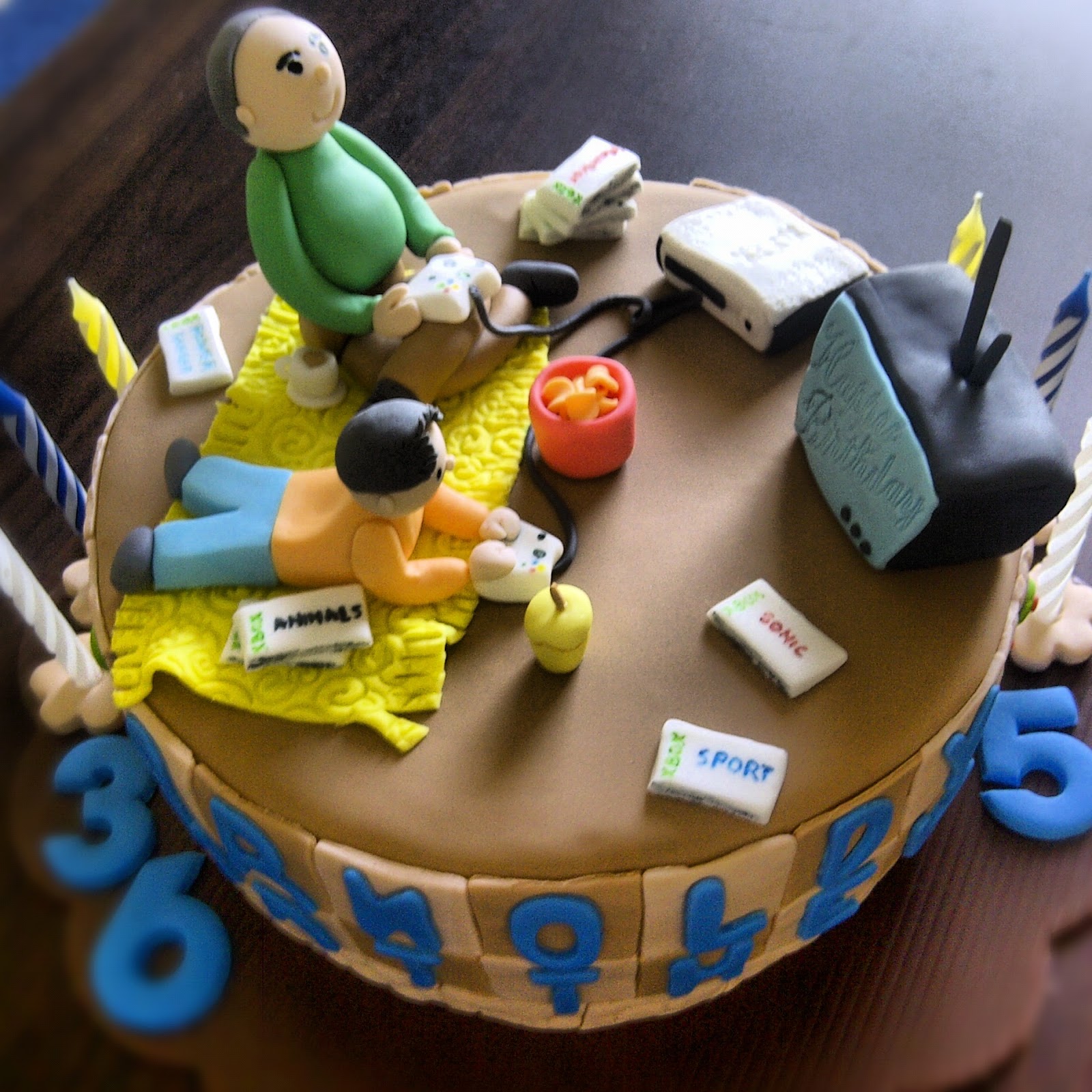
Dad and Son Birthday Cake Ideas for a Shared Celebration
Planning a shared birthday celebration for a father and son requires a cake design that bridges generations, balancing mature sophistication with playful childhood joy. Designing a dual-purpose centerpiece involves reconciling distinct...
Planning a shared birthday celebration for a father and son requires a cake design that bridges generations, balancing mature sophistication with playful childhood joy. Designing a dual-purpose centerpiece involves reconciling distinct personal interests, managing flavor profiles that appeal to both adults and children, and establishing structural feasibility to ensure a seamless execution for the big day.
Contents
Understanding the Dual-Birthday Dynamic
When a father and son share a birth date or celebrate their milestones together during a joint party, the birthday cake serves as the focal point of the event. The primary challenge lies in honoring two distinct personalities without the final product looking disjointed or chaotic. A successful shared celebration cake avoids the trap of simply sticking two unrelated miniature cakes onto a single board. Instead, it relies on cohesive design strategies that unite contrasting themes through a shared color palette, a common base flavor, or a clever narrative concept.
Addressing this dynamic requires open communication with both birthday honorees—or the planners representing them. Fathers often lean toward minimalist, rustic, or hobby-focused aesthetics, such as golf, grilling, classic cars, or sophisticated flavor profiles like dark chocolate and espresso. Sons, depending on their age, typically gravitate toward vibrant colors, animation themes, superheroes, or rich, nostalgic flavors like funfetti and milk chocolate. Recognizing these preferences early allows the baker or designer to find intersections where both worlds can coexist harmoniously.
Design Strategies for Dual-Celebration Cakes
Creating a unified visual theme from two separate concept pools demands careful structural planning. Several proven design approaches help bridge the generational gap while maintaining visual appeal and structural integrity.
The Split-Design (Side-by-Side) Concept
The split-design approach divides the cake vertically down the middle or diagonally across the top, dedicating each hemisphere to a specific theme. For example, one side of a tiered cake can feature a sleek, modern concrete-grey finish with subtle geometric lines for the father, while the other side bursts into a colorful, sprinkle-heavy cartoon style for the son.
- Visual Cohesion: To prevent the cake from looking like two entirely separate desserts pushed together, use a unifying border, a consistent metallic drip (such as gold or silver leaf), or a shared watercolor background technique across both halves.
- Tiered Separation: Alternatively, if the cake features multiple tiers, assign the top tier to one individual and the bottom tier to the other, tied together by a common ribbon or color scheme.
The Intersecting Hobby Theme
Many fathers and sons share specific passions, which provides an organic avenue for cake design. Whether it is an enthusiasm for camping, gaming, baseball, or space exploration, a shared hobby simplifies the creative process.
- Layered Storytelling: A cake themed around camping can feature a rustic buttercream bark finish representing the outdoors, with edible figurines of a father and son roasting marshmallows over a sugar-glass campfire.
- Subtle Integration: If their hobbies differ completely—for instance, classic literature for the father and dinosaurs for the son—designers can use a neutral, elegant base cake and incorporate both elements as custom cake toppers standing side-by-side.
| Design Approach | Best For | Primary Advantage | Potential Challenge |
|---|---|---|---|
| Split-Design | Dramatically different interests (e.g., minimalist vs. cartoon) | Satisfies both aesthetics equally without compromise | Maintaining a clean, unified boundary line |
| Shared Hobby | Aligned interests (e.g., sports, gaming, outdoor activities) | Creates a harmonious, story-driven centerpiece | Finding a hobby both genuinely share and enjoy |
| Tiered Division | Multi-tiered celebrations with large guest counts | Allows distinct themes per tier with natural separation | Ensuring top tiers remain structurally stable |
| Color-Unity | Subtle pairings where themes differ only slightly | Keeps the presentation sophisticated and clean | May lack distinct visual markers for each person |
Flavor Balancing for Adults and Children
A birthday cake must taste as exceptional as it looks, but catering to both mature palates and childhood preferences can present a culinary puzzle. Adults frequently appreciate complex, less-sweet flavor profiles, whereas younger children generally prefer familiar, comforting sweetness.
- Divided Batter Profiles: For a multi-tiered cake, bakers can bake different tiers using distinct recipes. The top tier might feature a sophisticated lemon-elderflower or espresso-infused sponge, while the bottom tier utilizes a crowd-pleasing vanilla buttermilk or rich chocolate fudge.
- The Filling Compromise: If baking separate tiers is not feasible due to size constraints, a neutral vanilla or chocolate sponge can be paired with a versatile filling, such as salted caramel or raspberry coulis, which bridges the gap between adult refinement and child-friendly appeal.
- Frosting Selections: Italian meringue buttercream and Swiss meringue buttercream offer a silky, less-sweet alternative to traditional American buttercream, making them ideal for pleasing adult guests while remaining easily colorable and pipeable for decorative children's elements.
Structural Considerations and Practical Execution
Executing a dual-themed or large-scale shared celebration cake requires adherence to fundamental baking and decorating physics. Overcomplicating a design with too many heavy sugar-paste elements can compromise the structural integrity of the tiers.
- Dowel and Support Systems: Any cake exceeding two tiers or incorporating heavy custom toppers requires internal wooden or plastic dowels to distribute weight evenly and prevent sinking or leaning.
- Transport Logistics: Shared celebration cakes are often large and intricate. Coordinate transport with the venue or bake components that can be assembled on-site if the structure is exceptionally fragile.
- Dietary Accommodations: When serving a wide age range of family and friends, check for common allergies—such as nuts, gluten, or dairy—and ensure that at least a portion of the dessert or a matching side cupcake tower accommodates those needs safely.
Step-by-Step Planning Checklist
Organizing a custom order or baking a shared cake at home benefits from a structured timeline to eliminate last-minute stress.
- Two to Four Weeks Prior: Discuss and finalize the design concept, flavor preferences, and allergy requirements with all involved parties or your professional baker.
- Two Weeks Prior: Confirm the guest count to determine the necessary cake dimensions and serving sizes.
- One Week Prior: Source specialized cake toppers, custom candles, or non-edible decorations that cannot be made out of fondant or modeling chocolate.
- Two Days Prior: Bake sponge layers, wrap them securely, and chill or freeze them to lock in moisture. Prepare any complex sugar flowers or durable toppers.
- Day Before or Day Of: Fill, crumb coat, final frost, and decorate the cake. Keep refrigerated if utilizing perishable fillings like fresh fruit or dairy-based mousses.
Frequently Asked Questions
How do you design a cake for a father and son with completely opposite tastes?
The most effective method is the split-design approach or a tiered structure. Assign one half or one tier to the father’s aesthetic and the other to the son’s, binding them together with a unified color palette, a shared base icing texture, or a neutral metallic accent line.
Can we have two different cake flavors inside the same tiered cake?
Yes. Bakers routinely bake different tiers with distinct recipes. For example, a lower tier can feature rich chocolate fudge for the children, while an upper tier offers a lighter lemon or coffee-infused sponge tailored to the adults.
What are some neutral themes that work well for all ages?
Classic themes include outdoor adventures, camping, travel, classic board games, star gazing, or simple geometric patterns paired with vibrant accent colors. These motifs avoid leaning too heavily into strictly adult or juvenile imagery.
How many servings should a shared birthday cake provide?
Calculate one standard slice per expected guest, accounting for family members who may want seconds. If children are attending, keep in mind that they often eat smaller portions than adults, but extra servings are always recommended for celebrations featuring multiple honorees.
Should we use two separate birthday candles or one?
Using two separate sets of candles—or customized number candles representing each of their specific ages—allows both the father and son to experience the traditional candle-blowing moment distinctly during the party.
Next Actions
Begin by sitting down with the birthday celebrants to establish a shared mood board or list of non-negotiable design elements. Once you lock in the core theme and flavor profile, contact a local professional baker with your reference images or prepare your baking supplies and structural dowels if you are taking on the project yourself.
Image Gallery