How to Fix Defaulted Student Loans: A Comprehensive Guide to Recovery
Fixing defaulted student loans requires contacting your loan holder, updating your contact information, and choosing a recovery path such as federal loan rehabilitation, consolidation, or repayment plan negotiation to restore good stan...
Fixing defaulted student loans requires contacting your loan holder, updating your contact information, and choosing a recovery path such as federal loan rehabilitation, consolidation, or repayment plan negotiation to restore good standing and stop collection actions.
Contents
Student loan default represents one of the most stressful financial hurdles a borrower can face. For federal student loans, default typically occurs after missing payments for 270 days, while private loans can enter default much faster depending on the lender's specific promissory note agreements. Once a loan defaults, the consequences extend far beyond simple late fees. Borrowers face aggressive collection tactics, wage garnishment, tax refund intercepts, and severe damage to their credit scores that can hinder housing, employment, and future borrowing opportunities.
Navigating the recovery process demands a clear understanding of the options available, the specific mechanics of federal versus private debt, and the long-term implications of each choice. Whether you are dealing with Direct Loans, older Federal Family Education Loan (FFEL) Program loans, or private financing, proactive management remains the most effective tool to regain financial stability.
Understanding the Impact of Student Loan Default
Before taking steps to fix a defaulted student loan, borrowers must understand what default entails and how it differs from delinquency. Delinquency begins the first day you miss a payment. Default is a legal status reached after an extended period of non-payment. During delinquency, servicers work with borrowers to find temporary relief through deferment or forbearance. Once a loan crosses the threshold into default, the entire unpaid balance—including principal, interest, and collection costs—becomes due immediately.
The legal and financial ramifications of federal student loan default are severe. The federal government possesses extraordinary collection powers that regular commercial creditors do not. These include administrative wage garnishment, where up to 15% of your disposable income can be seized without a court order. Federal agencies can also intercept federal income tax refunds and state tax payments, as well as seize portions of federal benefit payments, including Social Security. Furthermore, eligibility for additional federal student aid ceases immediately, preventing borrowers from returning to school to finish their degrees until the default is resolved.
Credit bureau reporting is another immediate casualty. A default is reported to major credit bureaus—Equifax, Experian, and TransUnion—and remains on your credit report for up to seven years from the date of resolution or settlement, depending on the specific credit reporting rules. This negative mark depresses credit scores, driving up the cost of auto loans, mortgages, and credit cards. Recognizing these cascading effects highlights why addressing default promptly is critical to preserving long-term financial health.
Federal Student Loan Recovery Options
Borrowers holding federal student loans have structured mechanisms designed to help them exit default and return to good standing. The two primary paths available for federal loans are loan rehabilitation and loan consolidation. Each method carries distinct requirements, timelines, and long-term benefits that suit different financial situations.
Federal Student Loan Rehabilitation
Loan rehabilitation is widely considered the most thorough method for addressing a federal student loan default because of its unique credit-repair benefit. To successfully rehabilitate a Direct Loan or FFEL Program loan, you must agree in writing to make nine voluntary, reasonable, and affordable monthly payments within a period of 20 consecutive months.
- Affordability Calculation: The monthly payment amount is generally calculated based on 15% of your discretionary income, defined as the difference between your adjusted gross income and 150% of the poverty guideline for your family size and state of residence. Borrowers can also request an alternative payment calculation based on their documented living expenses if the standard formula causes financial hardship.
- On-Time Payments: The payments must be made on time—typically defined as within 20 days of the due date—for nine separate months.
- The Credit Bureau Benefit: Upon successful completion of the rehabilitation program, the record of default is removed from your credit history, though the initial late payments leading up to the default remain. Additionally, collection costs are removed or capped, wage garnishments and treasury offsets stop, and you regain eligibility for federal student aid, income-driven repayment plans, and deferment or forbearance.
Federal Student Loan Consolidation
Loan consolidation offers a faster route to resolving a default, though it impacts your credit report differently than rehabilitation. To consolidate a defaulted federal loan into a new Direct Consolidation Loan, you must either agree to repay the new consolidation loan under an income-driven repayment (IDR) plan or make three consecutive, voluntary, on-time, full monthly payments on the defaulted loan before consolidating.
- Speed of Resolution: Consolidation can often be completed in a matter of weeks, making it ideal for borrowers facing imminent wage garnishment or tax refund seizure who need immediate relief.
- Credit Impact: Unlike rehabilitation, consolidation does not remove the historical record of default from your credit report. The default will remain marked as "resolved" or "paid through consolidation," and the history of late payments stays on your credit bureau files for the standard seven-year period.
- Collection Costs: When you consolidate a defaulted federal loan, collection costs are added to the principal balance of the new consolidation loan, up to statutory maximum limits.
| Feature / Metric | Loan Rehabilitation | Loan Consolidation |
|---|---|---|
| Time to Complete | 9 months (over a 20-month window) | 1 to 2 months |
| Credit Report Outcome | Default record is completely removed | Default record remains; marked as resolved |
| Collection Costs | Capitalized or removed per program rules | Added to the new loan balance |
| IDR Plan Eligibility | Restored upon completion | Required or immediately accessible |
| Federal Aid Eligibility | Restored after 3 consecutive payments | Restored upon loan consolidation |
Addressing Defaulted Private Student Loans
Private student loans function entirely differently from federal loans. They are governed by commercial lending contracts, state statutes of limitations, and consumer protection laws rather than federal education statutes. Consequently, options for fixing a defaulted private loan are more limited and depend heavily on negotiation with the private lender or the collection agency that purchased the debt.
When a private student loan defaults, the lender may accelerate the loan, demanding the full balance immediately. Because private lenders do not offer standardized federal programs like loan rehabilitation or income-driven repayment, borrowers must pursue alternative strategies:
- Loan Modification or Refinancing: Some private lenders are willing to negotiate a loan modification agreement. This involves restructuring the debt into a new payment plan with a lower interest rate, extended repayment term, or reduced monthly payments. However, lenders are under no legal obligation to offer modifications.
- Settlement Negotiations: If you have access to a lump sum of cash—through savings, family assistance, or the sale of an asset—you can offer the lender a debt settlement. Lenders will sometimes accept a percentage of the total owed (for example, 50% to 70%) as payment in full to close the account. Note that forgiven debt over a certain threshold may be treated as taxable income by the IRS.
- Legal Defense and Bankruptcy: Private lenders frequently file lawsuits in state court to obtain judgments for unpaid debt, which can lead to bank levies or property liens depending on state laws. Working with a consumer protection attorney can help you evaluate your legal defenses, such as checking whether the debt has exceeded the state statute of limitations. While student loans are notoriously difficult to discharge in bankruptcy, proving "undue hardship" under the Brunner test is occasionally possible in adversarial bankruptcy proceedings.
Step-by-Step Action Plan for Borrowers
Taking control of defaulted student loans requires a structured approach. Hiding from collection agencies or ignoring notices will only accelerate legal and financial penalties. Follow these actionable steps to begin your recovery journey:
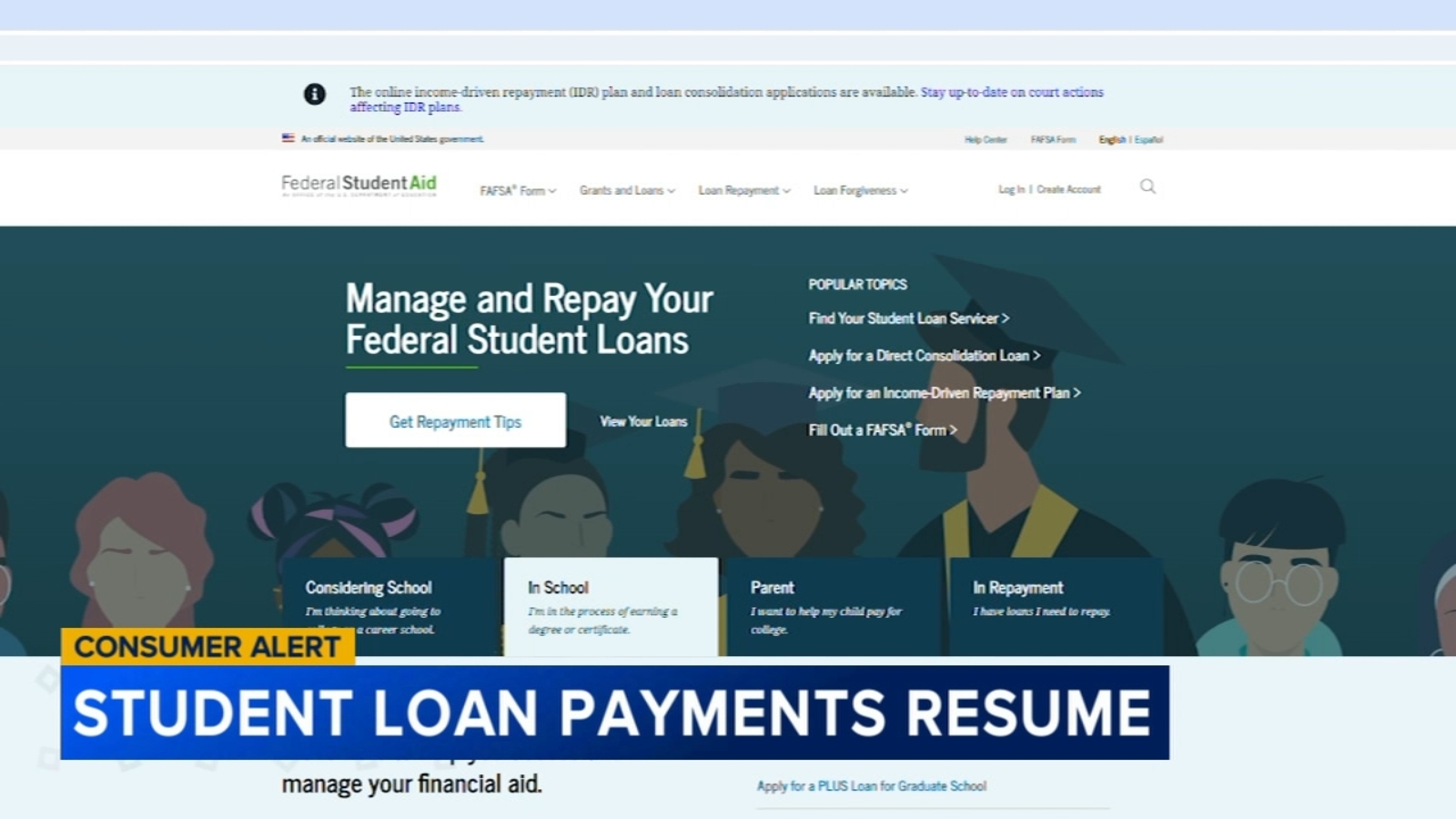
- Locate Your Loan Holder and Balance Details: If you are unsure who holds your federal loans, log into the official Federal Student Aid website or contact the Federal Student Aid Information Center (FSAIC). For private loans, pull your credit reports from AnnualCreditReport.com to identify the exact lender, servicer, or collection agency currently managing the account.
- Contact the Servicer or Collector Immediately: Initiate contact to discuss your financial situation honestly. Ask about the specific status of your loans, whether a judgment has been filed, and what recovery programs you qualify for. Establishing communication can sometimes halt active collection measures temporarily while you paperwork is processed.
- Choose Your Recovery Strategy: Weigh the pros and cons of rehabilitation versus consolidation for federal loans. If you are pursuing private loan relief, request written proposals for settlement or modification options. Ensure you understand the monthly cost and long-term financial commitments before signing any agreements.
- Submit Required Documentation Promptly: For income-driven rehabilitation or consolidation plans, you will need to provide documentation of your income, such as tax returns or pay stubs. Delays in paperwork can cause processing backlogs during which collection activities may resume.
- Establish a Sustainable Budget: Once your loans are restored to good standing or a new repayment plan is active, build a realistic monthly budget that prioritizes these payments. Set up automatic debit (autopay) with your servicer, which often qualifies you for a 0.25% interest rate reduction on federal loans and ensures you never miss a deadline again.
Disclaimer: This article provides informational guidance and should not be construed as formal legal or financial advice. Borrowers with complex legal disputes, active wage garnishments, or significant private debt should consult a qualified consumer law attorney or a certified financial counselor.
Frequently Asked Questions
Can I stop wage garnishment on defaulted student loans?
Yes. For federal loans, entering into a valid loan rehabilitation agreement and making five qualifying monthly payments, or successfully consolidating the defaulted loan into a Direct Consolidation Loan, will stop administrative wage garnishment. For private loans, you must negotiate directly with the creditor or legal counsel handling the judgment to secure a voluntary payment arrangement or settlement that halts garnishment orders.
Do collection costs get added to federal student loans in default?
Yes. When a federal loan enters default, collection costs—which can amount to significant percentages of the principal and interest balance—are added to the total amount due. However, if you choose the loan rehabilitation route, collection costs are typically capped or removed according to specific federal program guidelines, whereas consolidation rolls these collection fees directly into the new principal balance.
What happens if I ignore notices about defaulted student loans?
Ignoring defaulted student loan notices leads to escalating enforcement actions. For federal loans, this means ongoing wage garnishments, interception of federal and state tax refunds, seized federal benefit payments, and a permanently damaged credit score. For private loans, ignoring defaults almost invariably results in civil lawsuits, court judgments, bank account levies, and potential liens on personal property.
Can I get financial aid for college if my loans are in default?
No. Borrowers with defaulted federal student loans are ineligible for additional federal student aid, including Pell Grants, federal work-study programs, and new federal student loans. To regain eligibility, you must either fully resolve the default through loan rehabilitation by making the required consecutive payments or successfully consolidate the defaulted loans into a new Direct Consolidation Loan and make satisfactory repayment arrangements.
Is it possible to settle student loan debt for less than what I owe?
Federal student loan agencies rarely settle for a lesser lump-sum amount unless the borrower can demonstrate extreme, permanent hardship with little to no earning potential. Private student loan lenders, conversely, are frequently open to debt settlement negotiations, especially if the account has been charged off and sold to a third-party debt buyer who purchased the paper for pennies on the dollar.
Image Gallery