John Dehner Net Worth at Death: Analyzing the Veteran Actor's Estate and Legacy
At the time of his death on February 4, 1992, American character actor John Dehner had an estimated net worth between $1 million and $3 million (equivalent to roughly $2.2 million to $6.5 million today). His accumulated wealth was buil...
At the time of his death on February 4, 1992, American character actor John Dehner had an estimated net worth between $1 million and $3 million (equivalent to roughly $2.2 million to $6.5 million today). His accumulated wealth was built across a five-decade career spanning Disney animation, golden-age radio broadcasting, prolific television roles, feature films, and valuable Southern California real estate.
Contents
Understanding John Dehner's Financial Legacy
John Dehner was one of the most versatile and hard-working character actors in twentieth-century American entertainment. Unlike top-billed Hollywood leading men who earned massive single-picture payouts, Dehner built his estate through extraordinary consistency, broad professional diversification, and long-term participation in performance unions.
By the time he passed away at age 76 in Santa Barbara, California, from complications of diabetes and neuropathy, Dehner had accumulated hundreds of film, television, and radio credits. Evaluating his net worth at death requires examining the economic models of the mid-to-late 1900s entertainment industry, including studio animator salaries, radio contract fees, Screen Actors Guild (SAG) residual structures, and post-retirement real estate holdings.
| Item | Details |
|---|---|
| Estimated Net Worth at Death (1992) | $1,000,000 – $3,000,000 |
| Inflation-Adjusted Valuation (2026) | ~$2,200,000 – $6,500,000 |
| Primary Wealth Drivers | Radio lead roles, 200+ TV series appearances, feature films, SAG/AFTRA pension, real estate |
| Active Career Span | 1930s – 1988 (50+ years) |
| Primary Residence at Death | Santa Barbara, California |
Early Career: Disney Animator to Radio Star
Before becoming a familiar face on television screens, Dehner earned his livelihood in two distinct artistic sectors: classical animation and commercial radio drama.
The Disney Studios Era (Late 1930s – Early 1940s)
Born John Forkum Dehner in Staten Island, New York, in 1915, Dehner spent much of his youth traveling in Europe, where he was educated in France and Norway. This international upbringing helped him master multiple languages and gain precise vocal control—assets that proved essential throughout his career.
After returning to the United States, Dehner entered the entertainment industry as an artist. He worked as an animator for Walt Disney Studios during what is widely considered the studio's golden age. Dehner contributed artwork to legendary feature films, including:
- Fantasia (1940): Participating in sequence animation for Disney's ambitious classical music feature.
- Bambi (1942): Assisting on character design and background artwork.
While animator salaries at Disney during the late 1930s were modest—typically ranging from $35 to $75 per week for junior animators—the steady income established Dehner’s initial financial footprint in Southern California prior to World War II.
The Golden Age of Radio Compensation
Following his military service during World War II as an Army Public Relations officer, Dehner shifted his focus to radio broadcasting. His rich, authoritative baritone voice made him one of the most sought-after radio actors in Hollywood.
Radio work in the 1940s and 1950s was exceptionally lucrative for dependable actors because work schedules were compressed, allowing artists to perform in multiple shows each week. At his peak, Dehner appeared in dozens of distinct radio series, often starring in lead roles:
- Have Gun – Will Travel (1958–1960): Dehner starred as Paladin in the radio adaptation of the famous Western series, earning top-tier star compensation for the network run.
- Frontier Gentleman (1958): He portrayed the lead character, J.B. Kendall, an English journalist exploring the American West.
- Gunsmoke (Radio Version): Dehner frequently guest-starred across numerous episodes as various villains and lawmen.
- Escape and Suspense: He was a regular performer on CBS radio's premier anthology dramas.
Radio performers of Dehner's stature earned standard American Federation of Radio Artists (AFRA, later AFTRA) scale rates with premiums for lead roles. Working on multiple national broadcasts weekly generated income comparable to executive salaries of the period, allowing Dehner to build substantial liquid savings before transitioning to television.
Television Prolificacy and Residual Revenue
The advent of commercial television transformed Dehner’s career trajectory. From the mid-1950s through the late 1980s, he logged over 200 television appearances, making him one of the most ubiquitous actors on American screens.
| Television Series | Role / Character | Primary Years Active |
|---|---|---|
| The Doris Day Show | Cy Bennett | 1971 – 1973 (Regular) |
| The Baileys of Balboa | Commodore Cecil Witte | 1964 – 1965 (Regular) |
| Temperatures Rising | Dr. Charles Claver | 1972 – 1973 (Regular) |
| The Roaring 20s | Jim Coleman | 1960 – 1962 (Regular) |
| The Twilight Zone | Various Lead Roles | 1960 – 1964 (3 Episodes) |
| The Andy Griffith Show | Colonel Harvey | 1963 (Guest Star) |
Series Regular vs. Guest Star Earnings
In 1960s and 1970s television, character actors earned predictable, tiered compensation based on contract type:
- Series Regular Contracts: For shows like The Doris Day Show and Temperatures Rising, Dehner negotiated contract rates above standard SAG minimums, earning weekly salaries that provided stability over multi-year runs.
- Guest Appearances: As a guest star on top-rated episodic Westerns and dramas (Maverick, The Rifleman, Perry Mason, Hogan's Heroes, Columbo, The Wild Wild West), Dehner commanded top-bracket guest fees, frequently working 20 to 30 guest spots per year.
The Role of SAG Residuals
Unlike actors from the early studio era who received no long-term compensation for broadcast reruns, actors working under SAG contracts in the 1960s, 1970s, and 1980s benefited from negotiated residual fee structures.
As classic shows like The Twilight Zone, The Andy Griffith Show, and Hogan's Heroes entered global broadcast syndication, residual payments delivered a steady secondary income stream throughout Dehner's later life and continued to pay into his estate after his death.
Motion Picture Contracts and Character Acting Value
While television provided Dehner's primary income during the latter half of his career, feature films contributed significant lump-sum payments to his overall net worth.
Dehner was adept at playing sophisticated villains, authoritative military officers, and sharp-witted professional men. Notable film roles that added to his wealth and industry profile include:
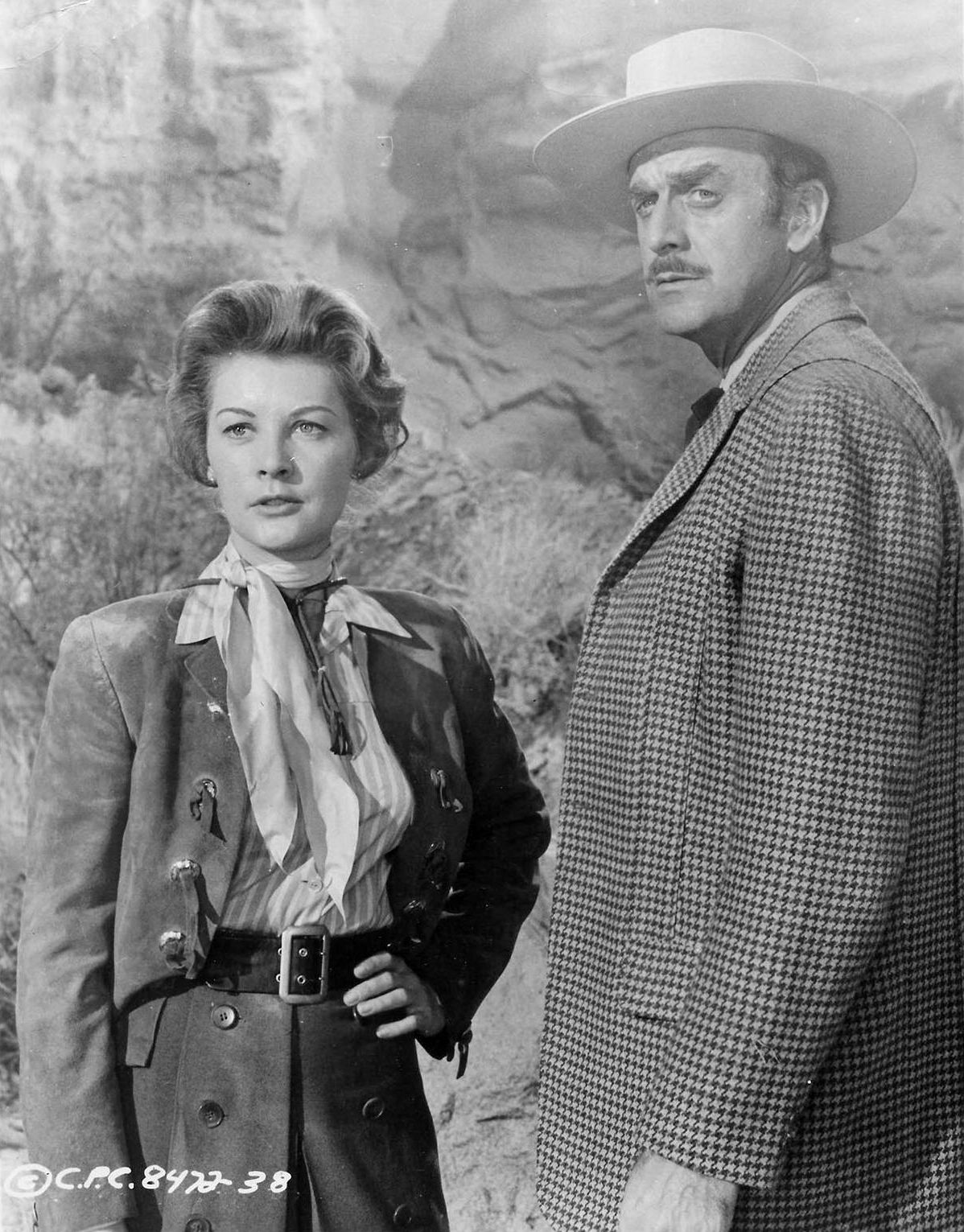
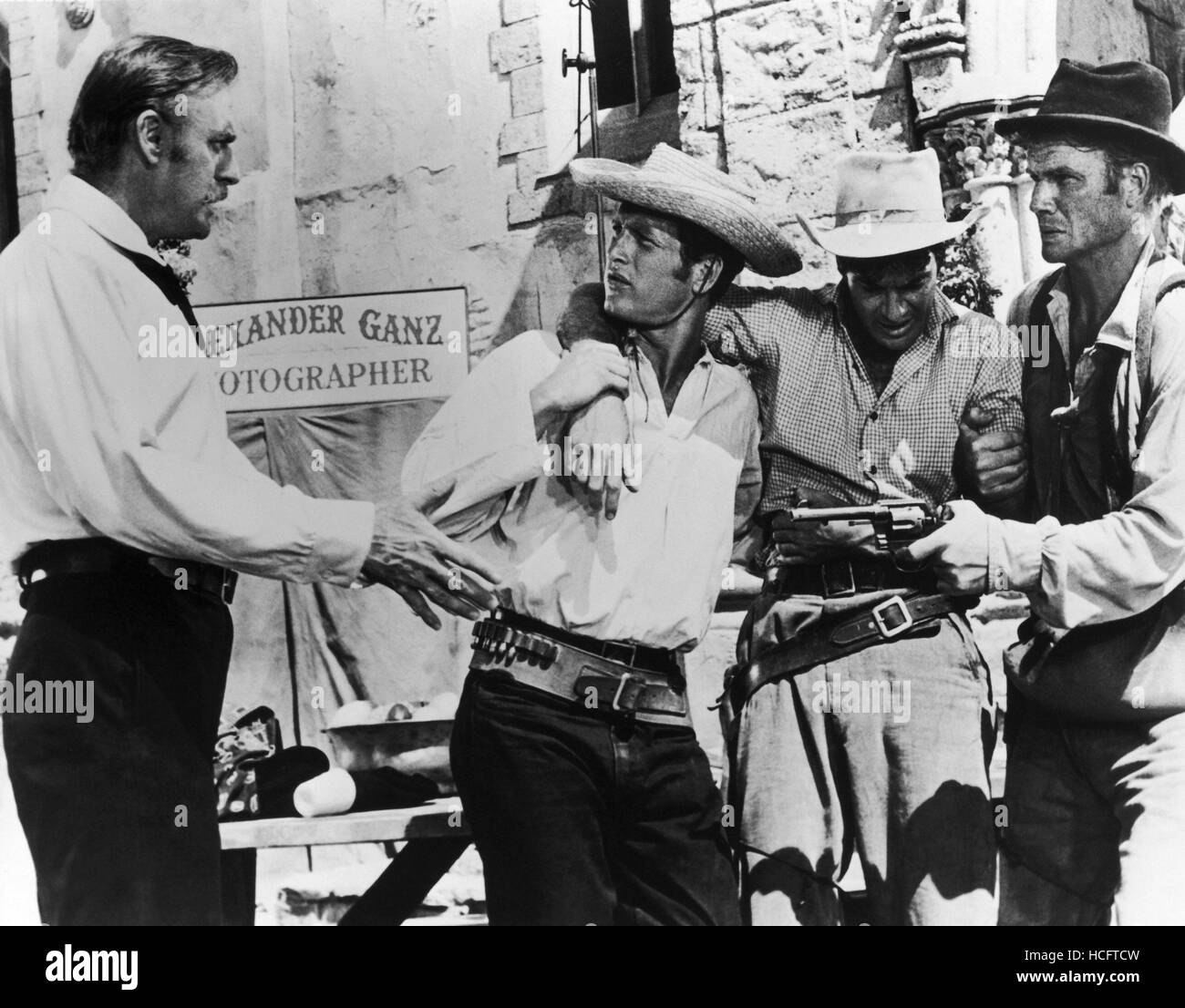
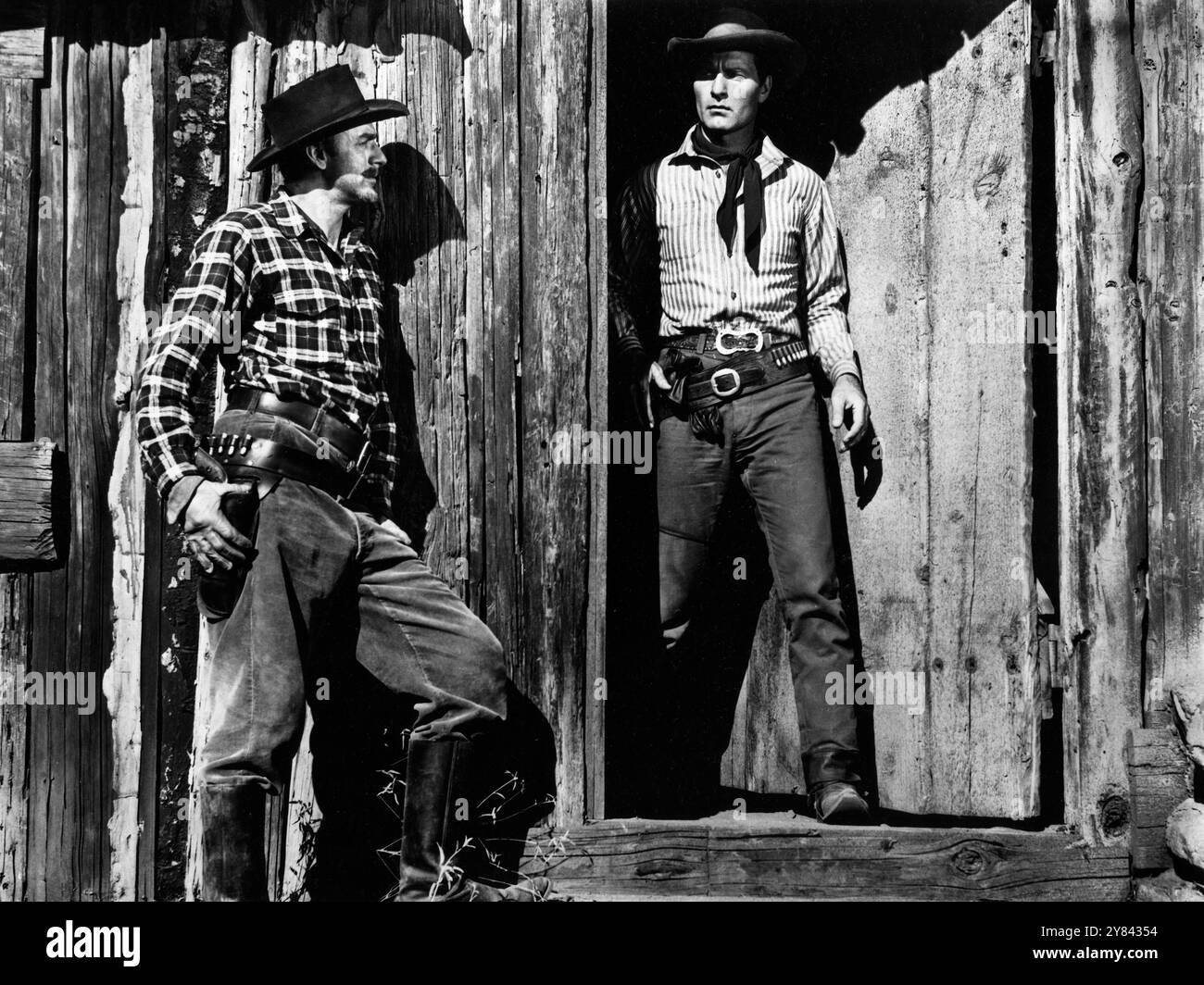
- The Left Handed Gun (1958): Co-starring alongside Paul Newman, Dehner portrayed Pat Garrett, earning critical acclaim and establishing his credibility in feature-length Westerns.
- Support Your Local Sheriff! (1969): A classic Western comedy that proved highly profitable at the box office, generating strong ongoing ancillary revenue.
- The Right Stuff (1983): In this Academy Award-winning film adaptation of Tom Wolfe's book, Dehner portrayed media mogul Henry Luce. His involvement in a major studio budget production late in his career commanded high feature-actor compensation.
- Airplane II: The Sequel (1982) & Jagged Edge (1985): Demonstrating his continued relevance in studio features well into his late sixties and seventies.
Feature film contracts for character actors of Dehner’s stature guaranteed day-rate or weekly-rate minimums far above scale, supplemented by travel allowances, per diems, and SAG health and pension contributions.
Real Estate Holdings and Personal Estate Structure
A significant portion of John Dehner's estimated $1 million to $3 million net worth at death was held in physical assets, specifically real estate in California.
Santa Barbara Property Appreciation
During the mid-to-late 20th century, many prominent Hollywood character actors reinvested their earnings into California real estate to protect their capital against inflation. Dehner relocated his main residence to Santa Barbara, California—a coastal enclave known for high land values and privacy.
Purchased during a period of lower regional real estate prices, Dehner’s Santa Barbara property appreciated substantially over the 1970s and 1980s. By 1992, coastal Santa Barbara residential property made up a significant share of his overall net worth.
Estate Distribution and Survivors
Upon his death in February 1992, Dehner was survived by his second wife, Sharon Thorsrud (whom he married in 1973), as well as two daughters and two stepdaughters from his blended family.
Under California probate law and customary estate planning structures for high-earning union actors, Dehner’s estate—consisting of real estate, bank deposits, investment portfolios, and ongoing SAG-AFTRA residual rights—was transferred into private trusts to support his surviving spouse and heirs.
Financial Breakdown of John Dehner's Career Segments
To understand how Dehner built his wealth over five decades, the following table details his primary revenue sources, typical industry compensation structures, and their lasting contribution to his estate.
| Era / Segment | Primary Roles | Compensation Model | Estate Impact |
|---|---|---|---|
| Animation Era (1935–1942) | Disney animator (Fantasia, Bambi) | Weekly studio salary ($35–$75/week) | Seed capital for early savings & SAG entry |
| Radio Drama Era (1940s–1950s) | Lead/regular performer (Have Gun, Gunsmoke) | AFRA rate + star premiums per broadcast | High liquid income; paid for early investments |
| Television Peak (1950s–1980s) | Series regular & guest star (200+ series) | Weekly contract fees & SAG residual payments | Long-term syndication residual income stream |
| Feature Film Work (1950s–1985) | Supporting roles (The Right Stuff) | Per-picture contract fees & union benefits | Major capital cash injections into estate funds |
| Real Estate Holdings (1970s–1992) | Personal residence in Santa Barbara, CA | Capital appreciation (long-term equity) | Represented major portion of net worth at death |
Frequently Asked Questions
What was John Dehner's estimated net worth when he died?
John Dehner's net worth at the time of his death in February 1992 was estimated between $1 million and $3 million. Adjusted for inflation, that equates to approximately $2.2 million to $6.5 million in 2026 value. His estate included real estate holdings, savings, investment portfolios, and rights to union residuals.
How did John Dehner earn most of his money?
Dehner earned his wealth through a 50-year career across four distinct entertainment sectors: animation at Disney, radio broadcasting, television series roles, and feature films. His steady earnings as a top character actor in over 200 TV series provided reliable income, supplemented by SAG-AFTRA pension benefits and syndication residuals.
Was John Dehner an animator before becoming an actor?
Yes. Before establishing his acting career, Dehner worked as a professional artist and animator for Walt Disney Studios in the late 1930s and early 1940s. He contributed artwork to classical animated features including Fantasia (1940) and Bambi (1942).
Did John Dehner star in the radio version of Have Gun – Will Travel?
Yes. John Dehner starred as Paladin in the radio version of Have Gun – Will Travel, which aired on CBS Radio from 1958 to 1960. While Richard Boone played the character on television, Dehner's performance on radio was widely celebrated and provided him with star-level radio compensation.
Did John Dehner receive residuals after he retired?
Yes. As a long-standing member of the Screen Actors Guild (SAG) and the American Federation of Television and Radio Artists (AFTRA), Dehner was entitled to residual payments for television series and films that aired in syndication or were sold for broadcast network reruns. These residuals continued to pay into his estate after his death.
Summary of Legacy and Financial Achievements
John Dehner’s financial success offers a practical illustration of how character actors achieved long-term stability during Hollywood’s middle era. Rather than relying on a single breakout role or short-lived stardom, Dehner diversified across radio, animation, film, and television.
By combining steady union wages with smart long-term investments in California real estate and capitalizing on SAG residual models, Dehner built an estate valued between $1 million and $3 million at his passing in 1992—securing his legacy as one of the most prolific and financially successful working actors of his generation.
Image Gallery