Breaking on the Wheel: History, Mechanics, and the Evolution of Capital Punishment
Breaking on the wheel was a brutal form of capital punishment used primarily in Europe from the Middle Ages through the early 19th century. It involved the systematic shattering of a condemned person’s limbs using a heavy iron-rimmed w...
Breaking on the wheel was a brutal form of capital punishment used primarily in Europe from the Middle Ages through the early 19th century. It involved the systematic shattering of a condemned person’s limbs using a heavy iron-rimmed wheel or an iron bar, often followed by the victim being displayed on the wheel until death from trauma, dehydration, or exhaustion.
Contents
The "breaking wheel," also known as the Catherine wheel, stands as one of the most harrowing examples of "poena cullei" or aggravated execution. Unlike the relatively swift death offered by the gallows or the axe, the wheel was designed for maximum public visibility and prolonged agony. As of 2026, historical research and forensic archeology continue to uncover the profound social and legal role this practice played in the development of Western judicial systems. To understand the breaking wheel is to understand a period where the law sought not just to end a life, but to physically deconstruct the offender as a deterrent to others.
The Mechanics of Execution: Procedures and Variations
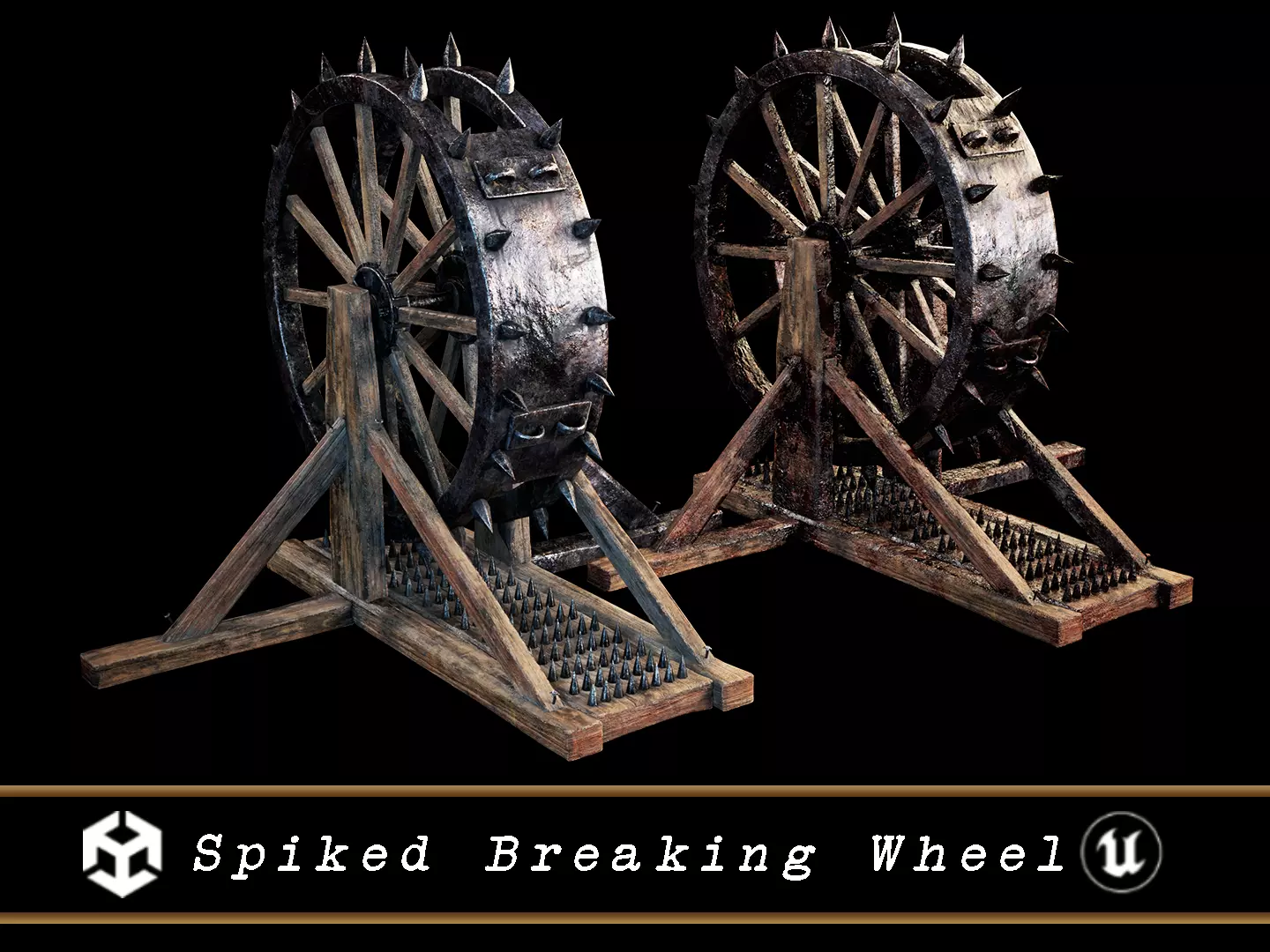
The execution process was rarely a singular event; it was a choreographed ritual that varied by jurisdiction and the perceived severity of the crime. The physical apparatus consisted of a large, heavy wooden carriage wheel, often reinforced with iron bands or "teeth" on the outer rim.
The Two Primary Methods of Breaking
There were two distinct ways the "breaking" occurred, depending on local tradition and the judge’s sentence:
- Breaking from the Bottom Up (De bas en haut): This was considered the most severe form. The executioner would begin by striking the victim's ankles, then moving to the shins, thighs, wrists, and upper arms. By delaying blows to the vital organs or the neck, the victim remained conscious and in excruciating pain for the duration of the process.
- Breaking from the Top Down (De haut en bas): This was a slightly more "merciful" variation. The first blows were delivered to the neck or chest (the coups de grâce), intended to kill the victim or knock them unconscious immediately. The subsequent breaking of the limbs was then performed on a corpse or a dying body for symbolic purposes.
The "Braiding" of the Limbs
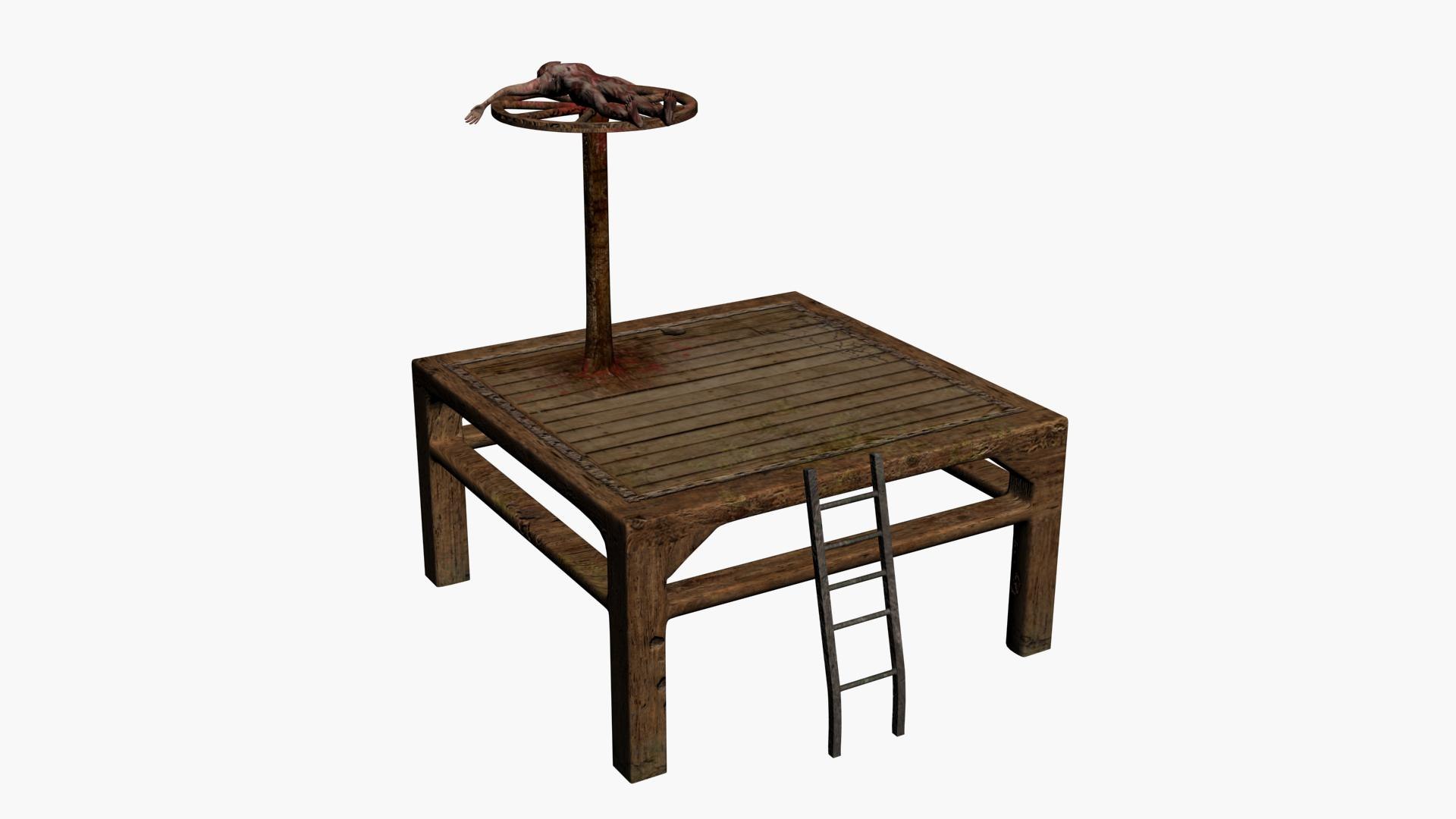
Once the bones were sufficiently shattered—often described by contemporary witnesses as having the consistency of "soft dough"—the executioner would "braid" or weave the victim’s limbs through the spokes of the wheel. The victim’s joints, having been pulverized, allowed the body to be contorted into shapes impossible for a healthy human. The wheel was then hoisted atop a tall pole (the ad rotam) and left in a public square. This display served as a "human signpost," warning travelers and citizens of the consequences of high crimes.
The Legal Framework: Crimes and Jurisdictions
The use of the wheel was not arbitrary. It was a specific legal instrument reserved for "infamous" crimes that were seen as an affront to the natural or divine order. In the Holy Roman Empire, France, and parts of Russia, the wheel was the standard punishment for several categories of offenders.
Targeted Crimes
- Highway Robbery: Because trade was the lifeblood of the medieval and early modern economy, those who preyed on merchants were dealt with most severely.
- Parricide and Murder: Killing a parent or a master was viewed as a betrayal of the fundamental hierarchies of society.
- Treason: Acts against the state or the crown often resulted in the wheel, emphasizing the total destruction of the traitor’s physical form.
- Slave Revolts: In colonial territories, such as the French Caribbean or colonial New York (most notably in 1712), the wheel was used to suppress insurrections through sheer terror.
Regional Legal Codes
In France, the Edict of 1534 formalized the wheel as the punishment for highwaymen. The French legal system often included a secret clause known as the retentum. This was a private agreement between the judges and the executioner to strangle the victim (the le lacet) after a certain number of blows or after a specific amount of time, unbeknownst to the spectators. This allowed the state to maintain a reputation for terrifying severity while granting a modicum of mercy to the condemned.
The Role of the Executioner
The executioner, often a pariah in society, was required to be a specialist in anatomy. Breaking the bones without causing premature death required a calculated amount of force. If the executioner killed the victim too early in a "bottom-up" execution, he could face the wrath of the crowd or even legal prosecution for failing to fulfill the sentence.
The profession was often hereditary, and the "Master of High Works" (as the French executioner was known) was expected to maintain his equipment with technical precision. The iron bar used for the striking had to be of a specific weight to ensure bones snapped cleanly without instantly inducing fatal internal hemorrhaging.
Comparative Use of the Breaking Wheel across Europe
| Region | Primary Era | Status of Abolition | Typical Usage |
|---|---|---|---|
| France | 1534–1792 | Abolished during the French Revolution; replaced by the guillotine. | Highway robbery, murder, treason. |
| Holy Roman Empire | 12th Century – 1806 | Varied by state; Prussia abolished it in 1841. | General capital crimes, aggravated theft. |
| Russia | 17th – 18th Century | Phased out in the late 18th century under Catherine the Great. | Rebellion and political dissent. |
| Sweden | Medieval – 19th Century | Formally abolished in 1841. | Reserved for the most heinous murders. |
| United States | 18th Century | Restricted to specific colonial rebellions (e.g., Louisiana). | Slave revolts and piracy. |
The Coup de Grâce and the Retentum
In the context of the breaking wheel, the coup de grâce (blow of mercy) was a technical legal term. It referred to the final strike to the heart or the throat intended to end the victim's life. However, whether a prisoner received this blow was entirely at the discretion of the court.
The retentum mentioned previously highlights the tension between the law's desire for a deterrent and the growing humanitarian concerns of the judiciary. Judges would often write "To be strangled after the second blow" on the back of the sentencing parchment. The executioner would use a thin cord to end the prisoner's life while the crowd, positioned at a distance, believed the screams of the victim were continuing during the breaking of the limbs.
Religious Symbolism: Saint Catherine of Alexandria
The breaking wheel is frequently referred to as the "Catherine Wheel" due to its association with Saint Catherine of Alexandria. According to hagiography, Catherine was sentenced to die on a spiked wheel in the 4th century for her Christian faith. Legend states that when she touched the wheel, it shattered, leading her persecutors to behead her instead.
In the medieval mind, the wheel represented the "Wheel of Fortune" (Rota Fortunae)—the idea that those who are high in life can be brought low by fate. By using the wheel as a tool of execution, the state was symbolically asserting its power to reverse the fortunes of the criminal, turning their strength into brokenness.
The Enlightenment and Abolition
The decline of the breaking wheel was driven by the Enlightenment and the changing philosophy of "proportional punishment." Influential thinkers like Cesare Beccaria, in his 1764 work On Crimes and Punishments, argued that the certainty of punishment was a better deterrent than its severity.
Key Factors in Abolition:
- The Rise of the Guillotine: During the French Revolution, the move toward "egalitarian" death led to the adoption of the guillotine. The wheel was seen as an aristocratic and barbaric relic of the Ancien Régime.
- The Prussian Reform: Frederick the Great of Prussia began restricting the wheel's use in the mid-18th century, though it was not fully struck from the books until 1841.
- Bureaucratization of Death: As modern states developed, the goal of execution shifted from public spectacle to private, administrative "removal" of the offender. The messiness and unpredictability of the wheel did not fit the new bureaucratic model of justice.
Frequently Asked Questions
Did anyone ever survive the breaking wheel?
Survival was extremely rare and usually occurred only if the wheel itself failed or if a pardon was issued mid-execution. Because the process involved systematic trauma to all four limbs and often the chest, the resulting internal bleeding and shock were almost always fatal. There are hagiographic accounts of miracles, but no credible historical records of a prisoner surviving a full execution and returning to health.
How long did it take for a person to die on the wheel?
If the coup de grâce was not administered, a victim could languish for several hours or even days. Death usually resulted from hypovolemic shock (blood loss), dehydration, or, if left overnight, exposure and predation by birds. Witnesses in 18th-century Germany recorded instances where victims spoke to the crowd for hours after being hoisted.
Was the wheel used in England?
No, the breaking wheel was never a standard part of English Common Law. England preferred "hanging, drawing, and quartering" for treason and simple hanging for most other felonies. The wheel was primarily a Continental European phenomenon.
What is the difference between a "breaking wheel" and a "spinning wheel"?
A spinning wheel is a textile tool used for making yarn. While the names are similar, they share no functional or historical connection. The "breaking wheel" is strictly an instrument of execution.
When was the last recorded use of the breaking wheel?
The last recorded execution by the wheel in Europe occurred in Prussia (modern-day Germany) in 1841. The condemned man, Rudolf Kühnapfel, was executed for the murder of a priest. After this, the practice was entirely replaced by beheading or hanging across the German states.
Practical Recommendations for Historical Research
For those seeking to study the breaking wheel further, it is essential to consult primary legal documents and museum archives.
- Examine Legal Statutes: Look for the Constitutio Criminalis Carolina (1532) for the most detailed descriptions of how the wheel was legally mandated in the Holy Roman Empire.
- Visit Museum Collections: The Medieval Crime Museum in Rothenburg ob der Tauber, Germany, houses authentic wheels and iron bars used in these executions, providing a sense of the scale and weight of the instruments.
- Analyze Forensic Reports: Modern bioarcheological studies of execution sites often reveal "perimortem" (at the time of death) fractures consistent with the heavy, blunt-force trauma described in historical texts, offering a scientific verification of the practice.
Image Gallery