Shaun White’s Olympic Snowboarding Medals: A Definitive Career Retrospective
Shaun White has won three Olympic gold medals, all in the Men’s Halfpipe event, across five Winter Games appearances (2006, 2010, 2014, 2018, and 2022). He remains the most decorated Olympic snowboarder of all time, holding more gold m...
Shaun White has won three Olympic gold medals, all in the Men’s Halfpipe event, across five Winter Games appearances (2006, 2010, 2014, 2018, and 2022). He remains the most decorated Olympic snowboarder of all time, holding more gold medals than any other individual in the history of the sport.
Contents
Shaun White’s journey through the Olympic Games is not merely a tally of hardware; it is a timeline of the evolution of snowboarding itself. From his debut as a teenage phenom in Torino to his emotional farewell in Beijing, White’s career has been defined by technical progression, immense commercial pressure, and a relentless drive to remain at the pinnacle of a sport that was constantly trying to outpace him. As we look back from the perspective of 2026, his record stands as a testament to longevity and the competitive spirit that transformed snowboarding from a counter-culture pastime into a mainstream Olympic powerhouse.
The Foundation of a Legacy: Torino 2006
Entering the 2006 Winter Olympics in Torino, Italy, Shaun White was already a household name in the United States due to his dominance in the X Games. However, the Olympics offered a global stage that snowboarding was still learning to navigate. At just 19 years old, White was nicknamed the "Flying Tomato" for his shock of red hair and high-flying style.
The path to his first gold medal was nearly derailed during the qualifying rounds. White struggled in his first qualifying run, placing him in a precarious position where a second mistake would have eliminated him before the finals even began. Showing the composure that would define his career, he delivered a clean second qualifying run to advance.
In the finals at Bardonecchia, White was untouchable. His first run earned a score of 46.8 out of a possible 50, a mark that remained unsurpassed by the rest of the field. His run featured massive amplitude—the height a rider gains above the lip of the pipe—and technical precision that set a new standard for the sport. By winning the gold, White didn't just earn a medal; he became the face of winter sports for a new generation.
Vancouver 2010: The Perfection of the Double McTwist 1260
By the 2010 Vancouver Games, Shaun White was no longer an underdog; he was the undisputed king of the halfpipe. The pressure was immense, as he was expected not just to win, but to dominate. The Cypress Mountain venue became the site of perhaps his most iconic Olympic performance.
White secured the gold medal on his very first run of the finals, posting a score that none of his competitors could match. However, it was his second run—a "victory lap"—that cemented his status as a legend. Despite having already won the gold, White chose to attempt the Double McTwist 1260, a trick he had developed in a private halfpipe built specifically for him in the Colorado backcountry.
The trick involved two flips and three-and-a-half rotations. Landing it perfectly under the lights in Vancouver, he increased his own winning score to 48.4. This moment was pivotal for snowboarding history; it pushed the technical ceiling of the sport and forced every other rider to rethink what was possible in a 22-foot pipe.
Sochi 2014: The Challenge of Progression and Conditions
The 2014 Sochi Games represented the most difficult chapter of White’s Olympic career. For the first time since he burst onto the scene, the "invincibility" of Shaun White was questioned. He entered Sochi with the intention of competing in two events: the inaugural Snowboard Slopestyle and his signature Halfpipe. However, after expressing concerns about the safety of the Slopestyle course, he withdrew from that event to focus entirely on the pipe.
The halfpipe in Sochi was plagued by warm weather and poor maintenance, resulting in "mushy" conditions that made it difficult for riders to maintain speed and pop. White struggled to find his rhythm. He faced stiff competition from Iouri Podladtchikov of Switzerland, who successfully landed the "Yolo Flip" (a cab double cork 1440).
White suffered uncharacteristic falls in his final runs and finished in fourth place, missing the podium entirely. This result was a shock to the sporting world and led many to wonder if the 27-year-old was nearing the end of his competitive relevance as a younger, hungrier generation of riders began to land triple corks and more complex rotations.
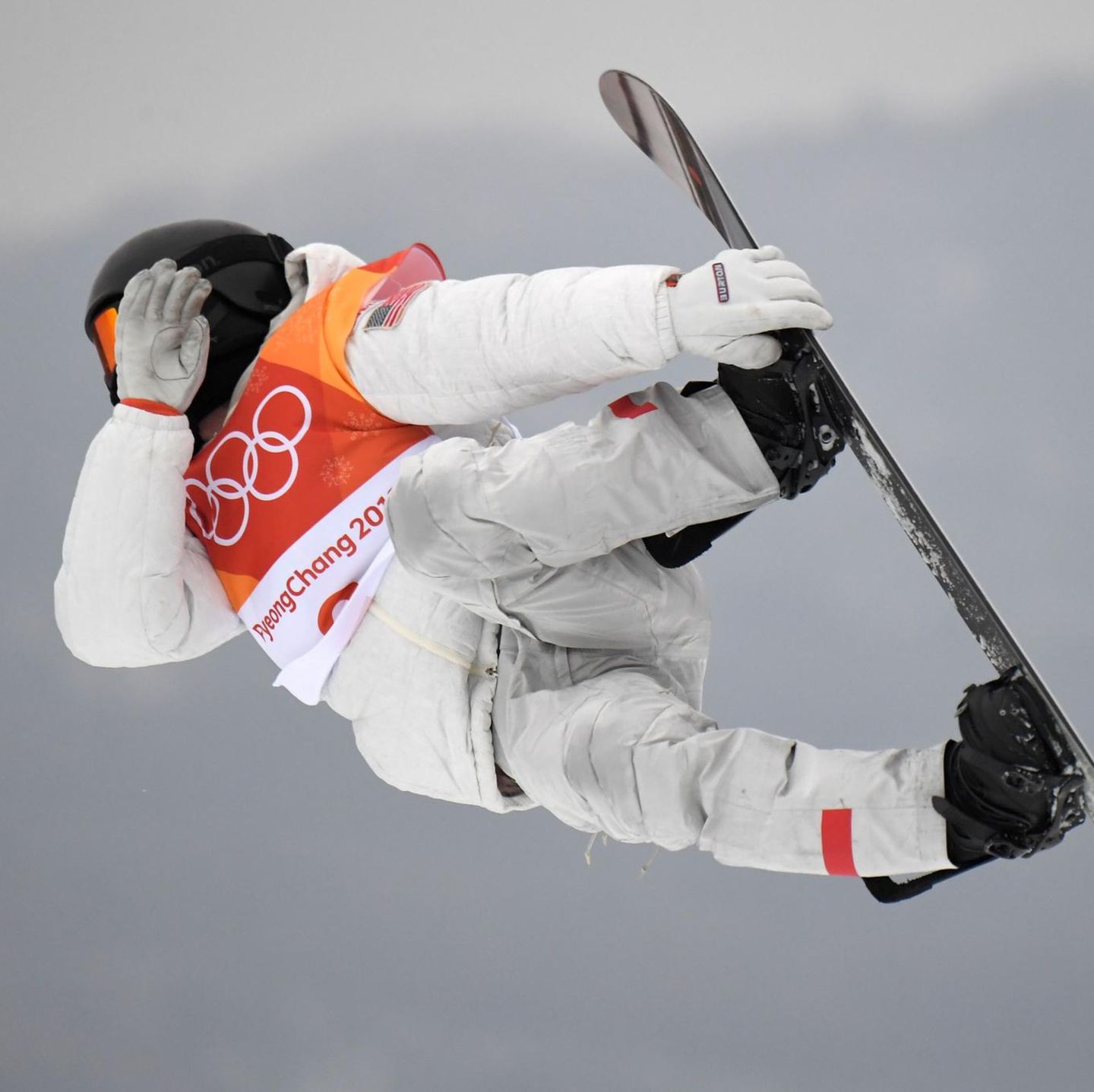
PyeongChang 2018: The Greatest Comeback in Snowboarding History
The four-year lead-up to the 2018 PyeongChang Games was a period of intense soul-searching for White. Months before the Olympics, he suffered a horrific crash in New Zealand while practicing a double cork 1440, resulting in 62 stitches to his face and significant lung damage. Many doubted he would even be able to compete, let alone win.
The 2018 final is widely regarded as the greatest halfpipe competition in history. Japan’s Ayumu Hirano put down a legendary run, taking the lead and putting the pressure squarely on White’s shoulders. As the final rider of the day, White needed to perform the best run of his life to reclaim the gold.
In a cinematic display of grit, White linked back-to-back double cork 1440s—the very trick that had nearly ended his career months earlier. When the score of 97.75 was announced, White dropped to his knees in tears. This third gold medal was historic for several reasons:
- It made him the first snowboarder to win three Olympic golds.
- It was the 1,000th gold medal won by Team USA in Winter Olympics history.
- It solidified his reputation for performing under the highest possible pressure.
Beijing 2022: The Emotional Farewell
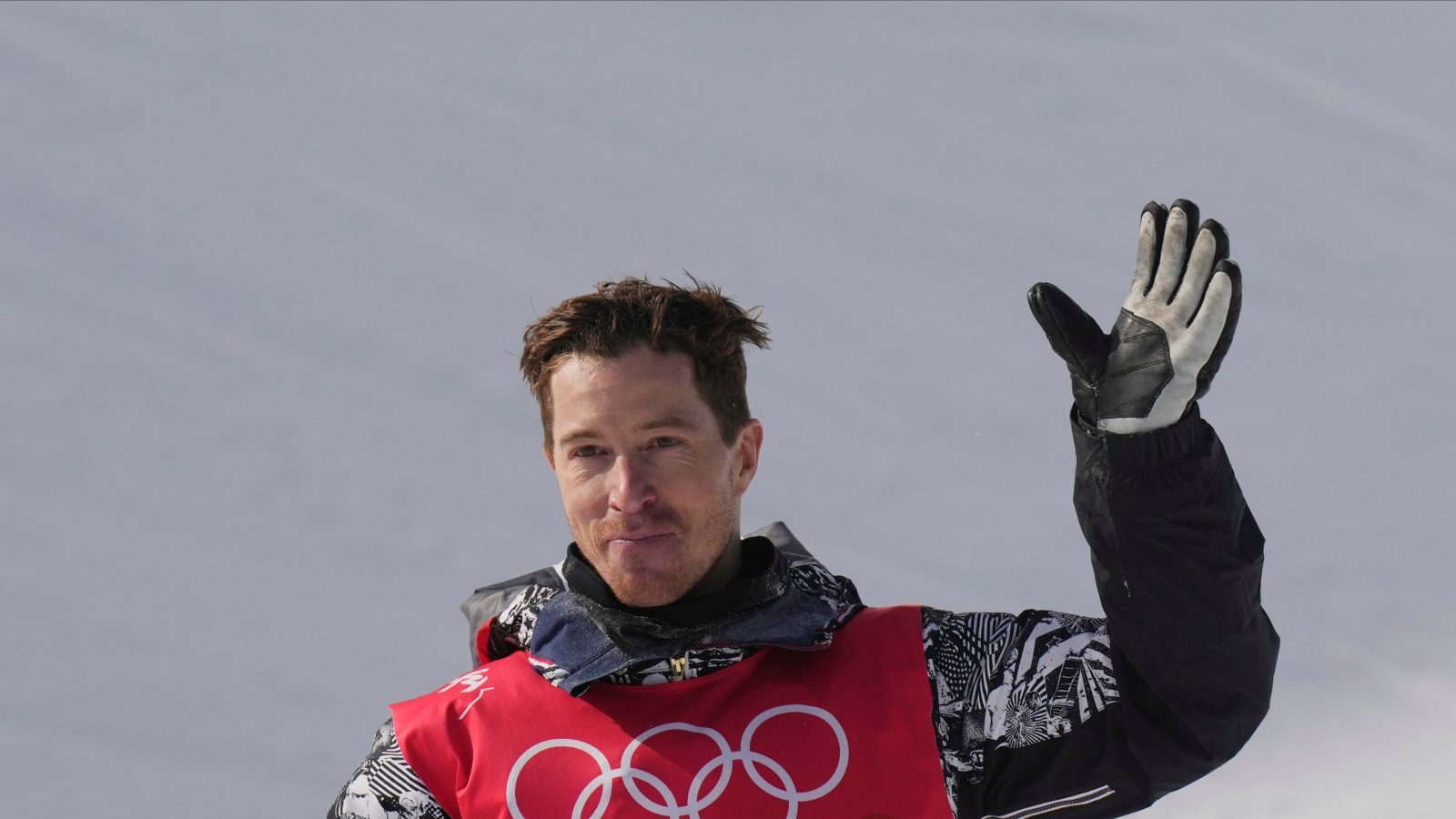
White’s fifth and final Olympic appearance in Beijing 2022 was less about the pursuit of another medal and more about a dignified exit from the sport he helped build. At 35, he was competing against riders nearly half his age, many of whom had grown up with posters of him on their walls.
The progression of the sport had moved toward the "triple cork"—three off-axis flips—a maneuver that was exceptionally taxing on the body. While White did not land a triple cork in the final, he delivered a highly technical and clean run that earned him a fourth-place finish. Although he missed the podium, the image of White being congratulated by his peers at the bottom of the pipe served as a passing of the torch. He officially announced his retirement from competitive snowboarding following the event, ending a career that spanned two decades of Olympic excellence.
Summary of Shaun White’s Olympic Performances
The following table summarizes White's statistical record across his five Olympic appearances.
| Olympic Games | Location | Event | Result | Score | Notable Achievement |
|---|---|---|---|---|---|
| 2006 | Torino, Italy | Halfpipe | Gold | 46.8 | First Olympic snowboarding superstar. |
| 2010 | Vancouver, Canada | Halfpipe | Gold | 48.4 | Debuted the Double McTwist 1260. |
| 2014 | Sochi, Russia | Halfpipe | 4th Place | 90.25 | Most difficult conditions of his career. |
| 2018 | PyeongChang, South Korea | Halfpipe | Gold | 97.75 | Completed back-to-back 1440s after a major injury. |
| 2022 | Beijing, China | Halfpipe | 4th Place | 85.00 | Final professional competition before retirement. |
The Technical Evolution of White’s Runs
To understand why Shaun White won three gold medals, one must look at the specific technical requirements of the halfpipe. Snowboarding is judged on five main criteria: Amplitude, Difficulty, Variety, Execution, and Progression.
- Amplitude: White consistently flew higher than his competitors. By gaining 20+ feet of air above the pipe walls, he gave himself more time to complete rotations and impressed judges with his "hang time."
- The 1440 Revolution: In 2018, the "standard" for winning shifted from the 1080 (three rotations) and 1260 (three-and-a-half) to the 1440 (four full rotations). White was among the first to link these rotations back-to-back, a feat that requires immense core strength and spatial awareness.
- Switch Riding: A significant portion of White’s success came from his ability to ride "switch" (backwards) with the same proficiency as his natural stance. Entering and landing tricks switch significantly increases the difficulty score in the eyes of Olympic judges.
Frequently Asked Questions
How many total Olympic medals does Shaun White have?
Shaun White has a total of three Olympic medals, all of which are gold. He never won a silver or bronze medal at the Olympics; in the two instances where he did not win gold (2014 and 2022), he finished in fourth place.
Did Shaun White ever compete in Slopestyle at the Olympics?
No. Although he intended to compete in the Slopestyle event when it debuted at the 2014 Sochi Games, he withdrew just before the competition began. He cited concerns regarding the course's safety and his desire to focus on defending his title in the Halfpipe.
Who has the most snowboarding medals in Olympic history?
While Shaun White holds the record for the most gold medals (3), the record for the most total medals is held by Zoi Sadowski-Synnott, Kelly Clark, and Jamie Anderson (among others), depending on the specific update of the medal counts by 2026. However, in terms of men's halfpipe dominance, White remains the statistical leader.
Is Shaun White still competing in 2026?
No, Shaun White officially retired from professional competitive snowboarding after the 2022 Beijing Winter Olympics. As of 2026, he focuses on his brand, Whitespace, and various business ventures, including "The Snow League," a professional snowboarding league he launched to improve the competitive structure of the sport.
What is Shaun White’s highest Olympic score?
His highest score in an Olympic final was a 97.75, achieved during his third and final run at the 2018 PyeongChang Games. This score is one of the highest ever recorded in Olympic halfpipe history.
Practical Legacy and Next Steps for Fans
Shaun White’s three gold medals represent the "Golden Era" of snowboarding’s growth. For fans looking to follow his legacy in 2026, the best way to engage with his impact is through The Snow League. This league, founded by White, aims to provide a consistent platform for the world's best halfpipe riders, ensuring the progression he started continues long after his retirement. Additionally, his equipment brand, Whitespace, allows riders to use the same technical specifications he developed during his championship years. Observing the current crop of Olympic athletes, such as Ayumu Hirano and Scotty James, offers a direct look at the high-technical standards White spent two decades establishing.
Image Gallery