A Complete Guide to Memphis Bleek Albums: The Legacy of Roc-A-Fella’s First Signee
Memphis Bleek’s discography consists of four primary studio albums released under the Roc-A-Fella Records banner: Coming of Age (1999), The Understanding (2000), M.A.D.E. (2003), and 534 (2005). As the first artist signed to the label,...
Memphis Bleek’s discography consists of four primary studio albums released under the Roc-A-Fella Records banner: Coming of Age (1999), The Understanding (2000), M.A.D.E. (2003), and 534 (2005). As the first artist signed to the label, his work represents the quintessential street-level perspective of the Roc-A-Fella dynasty during its peak commercial dominance.
Contents
The Foundation of a Dynasty: Memphis Bleek’s Discography
Memphis Bleek, born Malik Cox, occupies a unique position in hip-hop history. Often referred to as Jay-Z’s "First Draft Pick," his career served as the blueprint for the Roc-A-Fella Records artist development model. While many critics focused on his proximity to Jay-Z, his four-album run provides a detailed chronicle of the transition from late-90s street rap to the polished, soulful "chipmunk soul" era of the early 2000s.
As of 2026, these albums remain essential listening for those studying the history of New York City hip-hop. They offer more than just guest verses from his mentor; they feature a "who's who" of legendary producers, including Just Blaze, Kanye West, Swizz Beatz, and DJ Irv (Irv Gotti). To understand the Memphis Bleek catalog is to understand the internal mechanics of one of the most successful independent labels in music history.
Coming of Age (1999): The Debut
Released on August 3, 1999, Coming of Age was a high-stakes entry for Roc-A-Fella. Following the massive success of Jay-Z’s Vol. 2... Hard Knock Life, the pressure was on Memphis Bleek to prove that the label was more than a one-man show. The album successfully debuted at number seven on the Billboard 200 and eventually earned a Platinum certification from the RIAA.
The project is characterized by its raw, aggressive energy. Tracks like "Memphis Bleek Is..." served as a definitive introduction, establishing his persona as the young protégé who was ready for the spotlight. The production, handled largely by DJ Irv and Swizz Beatz, leaned heavily into the "Ruff Ryders" era sound—sparse, synth-heavy, and rhythmically driving.
Lyrically, the album focuses on the transition from the Marcy Houses to the music industry. It captured a moment in time where the "street-to-studio" narrative was the dominant currency in rap. The inclusion of the title track "Coming of Age," which was a sequel to the song of the same name on Jay-Z’s Reasonable Doubt, solidified the lineage between the mentor and the student.
The Understanding (2000): Reaching the Commercial Peak
Less than 18 months after his debut, Bleek returned with The Understanding. Released in December 2000, this album saw a significant shift in production value. The sound became more layered and melodic, reflecting the evolving tastes of the urban contemporary audience. This album peaked at number nine on the Billboard 200 and achieved Gold status.
The lead single, "Is That Your Chick (The Lost Verses)," featuring Jay-Z, Twista, and Missy Elliott, remains one of the most recognizable club anthems of that era. It demonstrated Bleek’s ability to anchor a massive commercial hit while holding his own alongside veteran heavyweights. The production on the album was a showcase for the emerging "Roc-A-Fella sound," with Just Blaze contributing pivotal tracks that defined the label's aesthetic for the next half-decade.
The Understanding also explored more introspective themes. Songs like "In My Life" allowed Bleek to step away from the bravado and discuss the tolls of fame and the loss of friends. This balance between radio-ready singles and gritty street narratives helped maintain his core audience while expanding his reach into the mainstream.
M.A.D.E. (2003): Maturity and Resilience
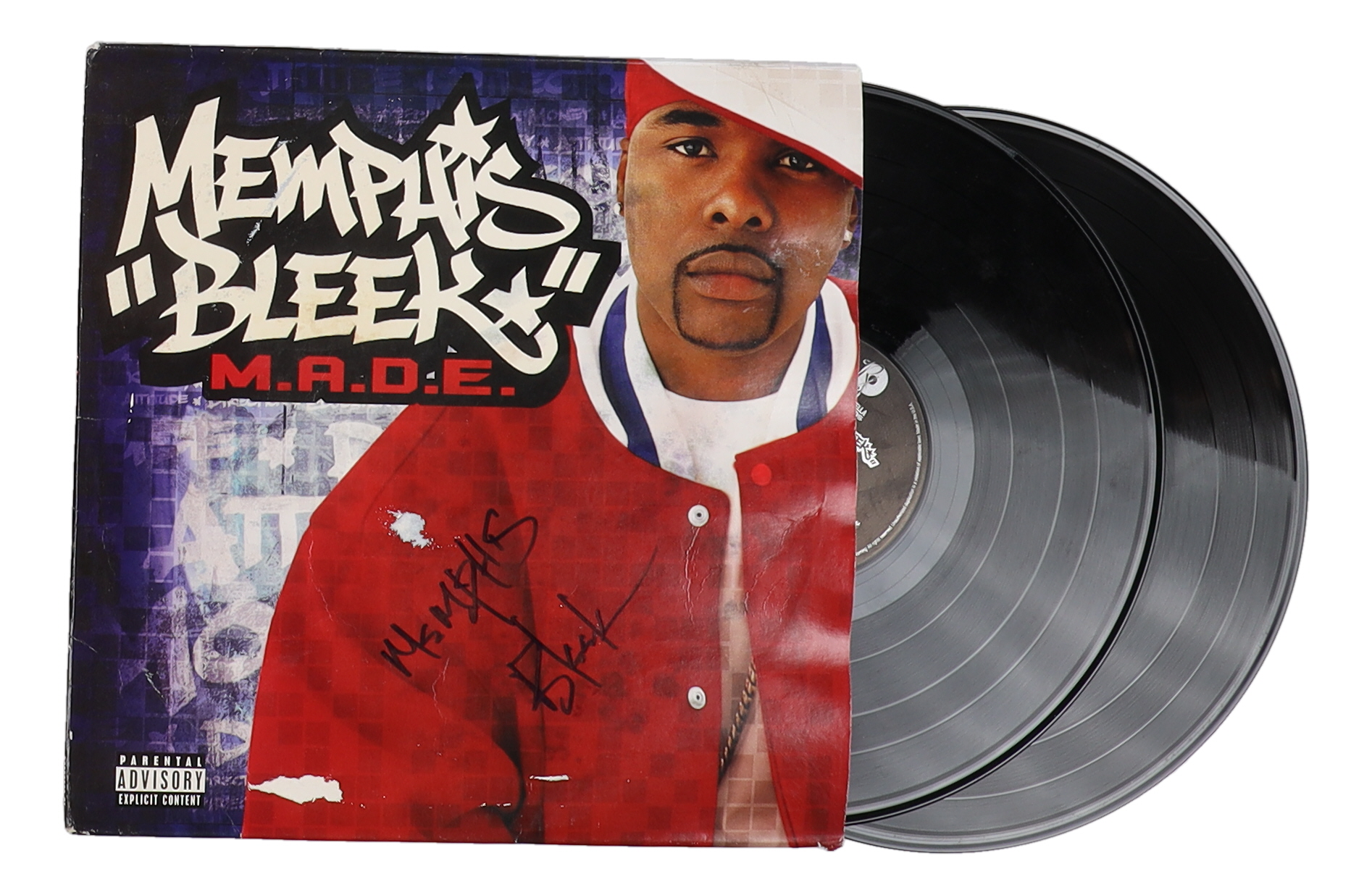
After a three-year hiatus—a lifetime in the fast-moving rap world of the early 2000s—Memphis Bleek released M.A.D.E. (an acronym for Money, Attitude, Direction, Education) on December 16, 2003. This album arrived during a period of transition for Roc-A-Fella, as the label began to fracture internally between co-founders Jay-Z and Damon Dash.
Despite the internal politics, M.A.D.E. was a solid entry that showcased a more mature version of the artist. The production was heavily influenced by the soulful sampling style that Kanye West and Just Blaze had popularized. The track "Round Here" is a standout example of this era, featuring the high-pitched vocal samples and triumphant horns that defined the New York sound at the time.
The album debuted at number 43 on the Billboard 200. While it didn't match the commercial heights of his first two efforts, it earned a Gold certification and proved that Bleek had a sustainable fanbase. It focused on his growth as a man and his commitment to the "Roc" brand, even as the landscape of the industry began to shift toward the South.
534 (2005): The Final Roc-A-Fella Chapter
Memphis Bleek’s final studio album for Roc-A-Fella, 534, was released on May 17, 2005. The title is a reference to 534 Flushing Avenue, the address of the Marcy Houses building where both he and Jay-Z grew up. This album is perhaps best known for containing the song "Dear Summer," a solo track by Jay-Z that served as his "retirement" message to the fans.
However, viewing the album only through the lens of "Dear Summer" does a disservice to Bleek’s contributions. 534 featured the hit "Like That," which utilized a high-energy Swizz Beatz production style that anticipated the "ringtone rap" era. The album also saw Bleek experimenting with different flows and more diverse subject matter, reflecting his position as a veteran in the game.
By 2005, the original Roc-A-Fella Records had essentially dissolved into Def Jam. 534 served as a bookend to an era. It was the last project released under the original management structure, making it a historical artifact for fans of the dynasty.
Memphis Bleek Album Comparison and Statistics
The following table outlines the commercial performance and key details of Memphis Bleek’s primary studio albums.
| Album Title | Release Date | RIAA Certification | Peak Billboard 200 | Primary Producers |
|---|---|---|---|---|
| Coming of Age | August 1999 | Platinum | No. 7 | DJ Irv, Swizz Beatz |
| The Understanding | December 2000 | Gold | No. 9 | Just Blaze, Kanye West |
| M.A.D.E. | December 2003 | Gold | No. 43 | Just Blaze, Kanye West |
| 534 | May 2005 | N/A | No. 11 | Just Blaze, Swizz Beatz |
Post-Roc-A-Fella and Independent Era
After the release of 534, Memphis Bleek transitioned into a new phase of his career. As of 2026, he is primarily recognized as a successful executive and the CEO of Warehouse Music Group. While he hasn't released a traditional studio album since 2005, his presence in the industry has remained constant through mixtapes and business ventures.
His mixtape series, including The Process (2010) and The Move (2014), allowed him to maintain his connection to the streets without the pressures of major label sales quotas. These projects often featured collaborations with a new generation of New York artists, showing his continued relevance in the local scene. His business acumen has also been highlighted through his partnership with D'Ussé Cognac, where he serves as a key ambassador alongside Jay-Z.
Technical Elements of the "Memphis Bleek Sound"
The technical appeal of Memphis Bleek’s albums lies in the engineering and production choices. During his tenure at Roc-A-Fella, the label utilized Young Guru as a primary engineer. This resulted in a "warm" but punchy sound profile that emphasized the kick drum and the clarity of the vocals.
- Vocal Layering: Bleek often utilized double-tracking on his hooks to create a "wall of sound" effect, a technique that helped his choruses stand out in loud club environments.
- Sample Selection: His albums are a masterclass in the use of soul and R&B samples from the 1960s and 70s, which were then sped up or "chopped" to create contemporary hip-hop rhythms.
- Ad-libs: Bleek's use of rhythmic ad-libs helped fill the sonic space between bars, a style that many contemporary artists have since adopted.
Frequently Asked Questions
Which Memphis Bleek album is considered his best?
Critical consensus often leans toward Coming of Age for its raw energy and historical significance, or The Understanding for its high-quality production and commercial success. Fans of the "chipmunk soul" era usually prefer M.A.D.E. or 534.
Is Memphis Bleek still making music in 2026?
While he has not released a major solo studio album in several years, he remains active through features and his label, Warehouse Music Group. His focus as of 2026 has shifted significantly toward music executive roles and brand partnerships.
Why is the album 534 significant?
The album is named after the building address in the Marcy Houses where he grew up. It is historically significant as the final album released under the original Roc-A-Fella Records structure and for containing Jay-Z’s "Dear Summer."
How many Platinum albums does Memphis Bleek have?
Memphis Bleek has one Platinum album (Coming of Age) and two Gold albums (The Understanding and M.A.D.E.), as verified by Billboard and the RIAA.
What happened to Memphis Bleek's fifth album?
For years, there were rumors of a fifth album titled The Process. While several singles and a mixtape of the same name were released, a traditional major-label studio follow-up to 534 never materialized as Bleek moved into independent distribution and executive work.
Final Recommendation for New Listeners
For those looking to explore the Memphis Bleek catalog for the first time in 2026, the best starting point is The Understanding. It represents the perfect midpoint between his gritty street origins and the high-gloss production that made Roc-A-Fella a global brand. After listening to that, proceed to Coming of Age to understand the foundation, then finish with 534 to hear the culmination of his journey with the "Roc." His discography serves as a vital time capsule for an era of hip-hop that prioritized lyricism, high-end production, and label loyalty.
Image Gallery