Understanding the Four Phases of Healing: A Physiological Overview
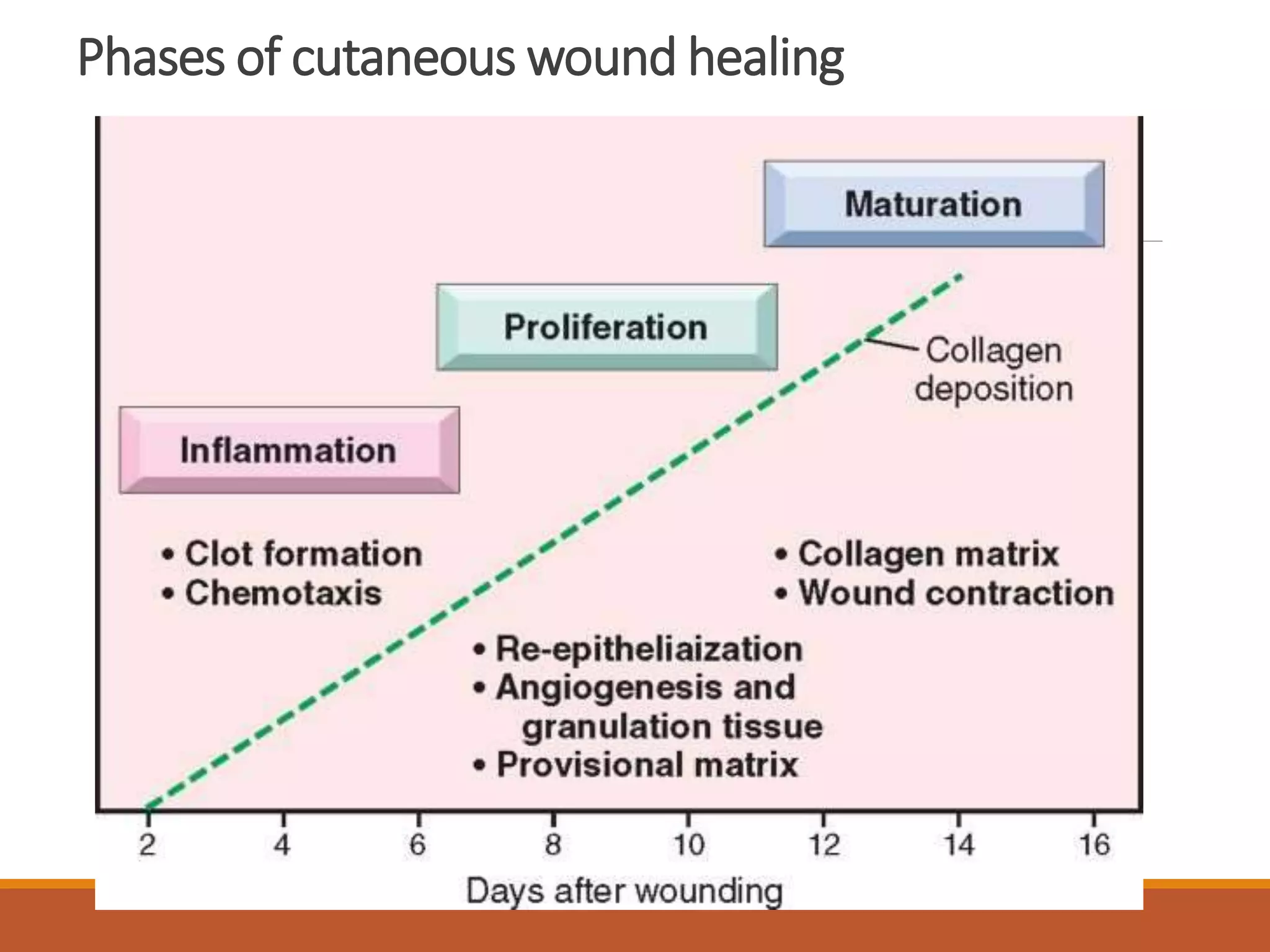
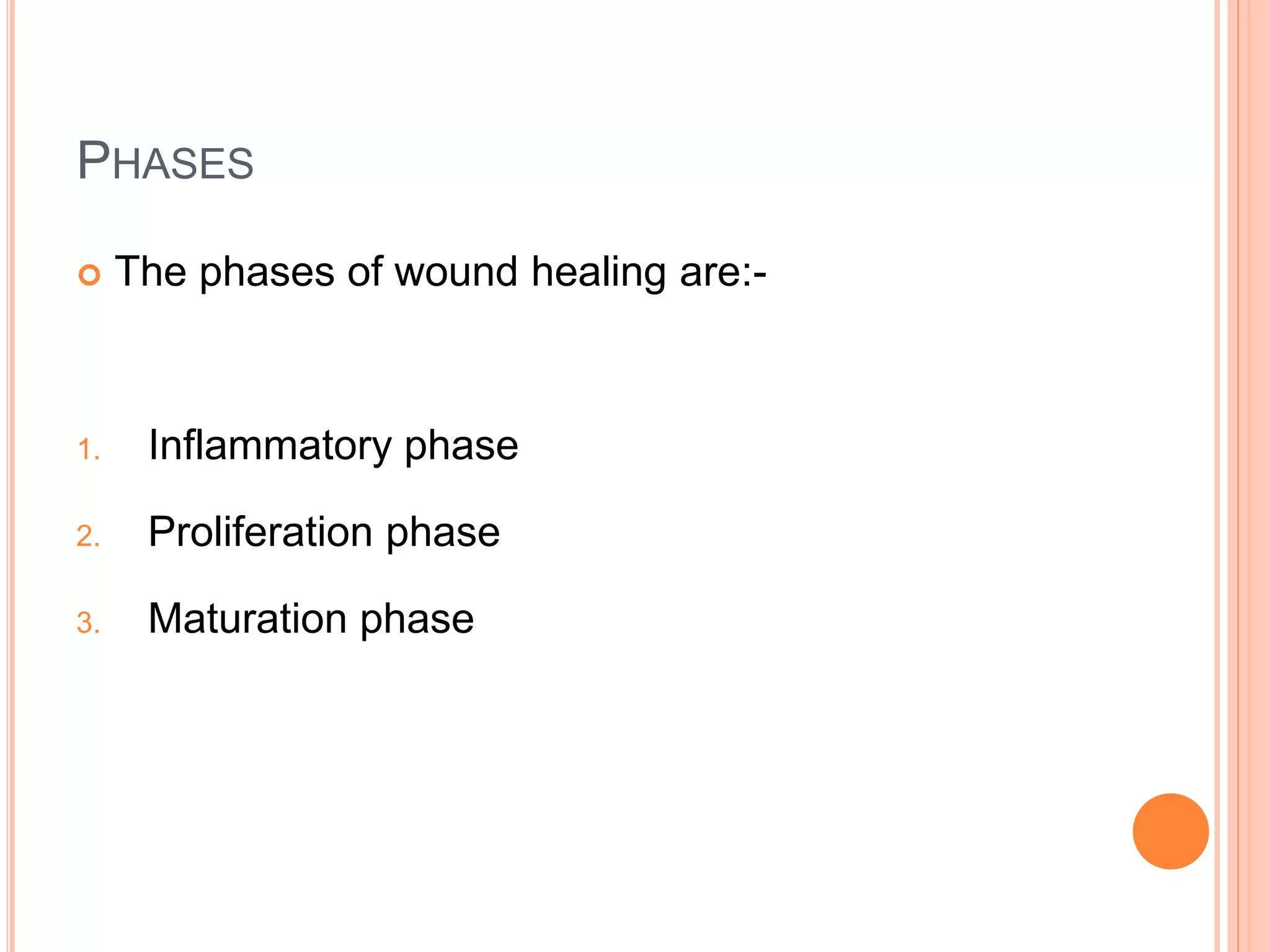
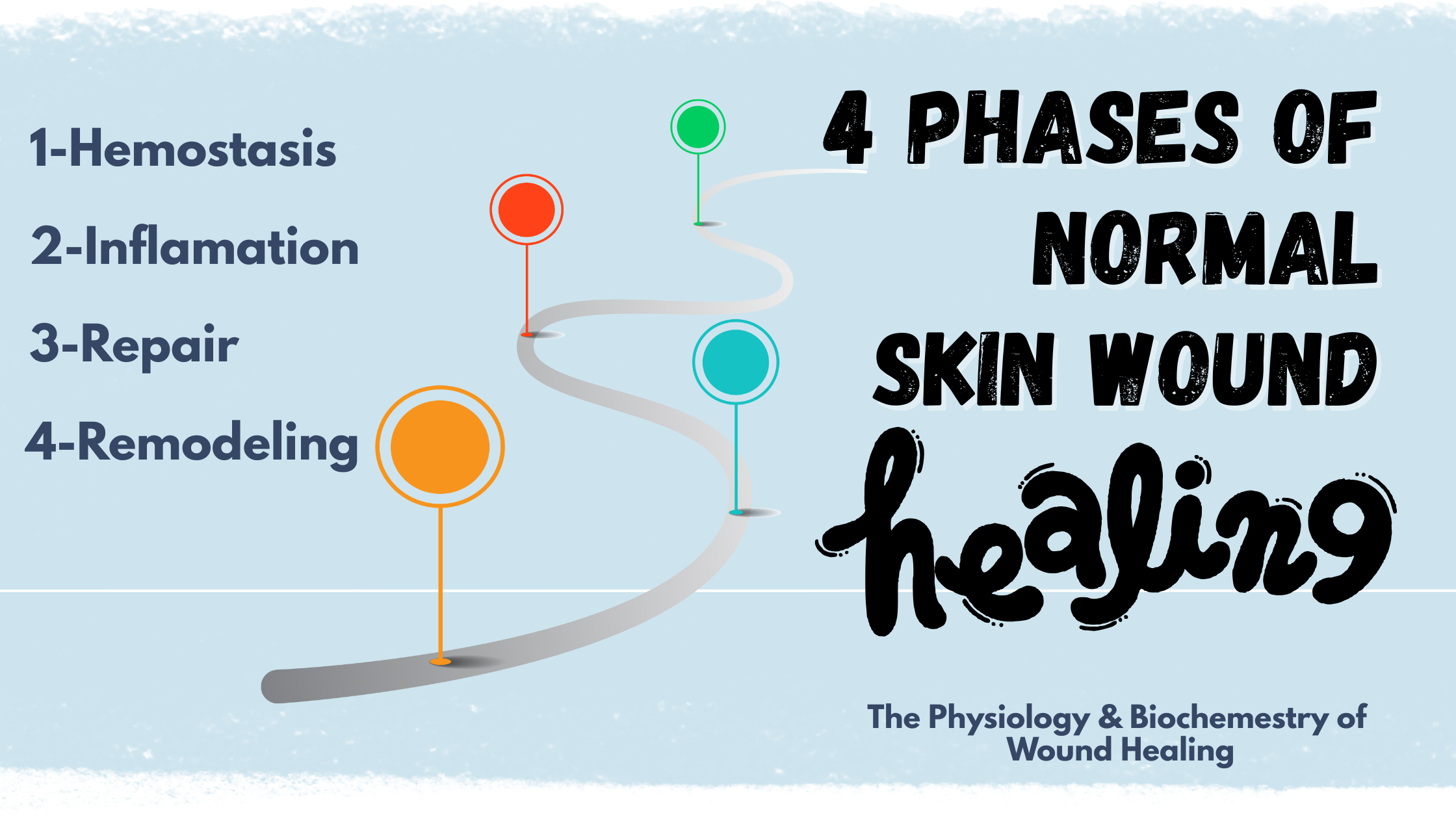
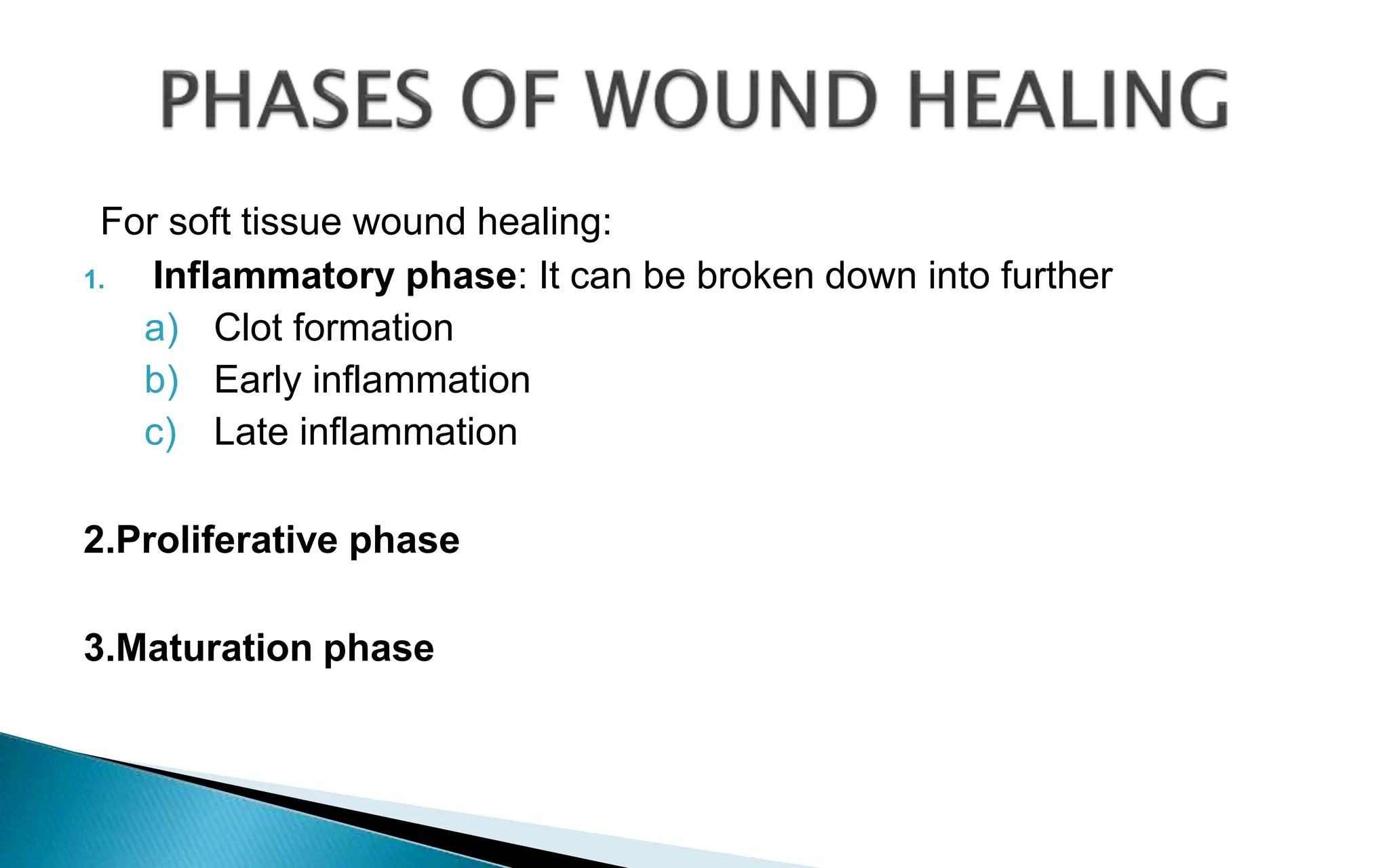
The healing process is a complex, overlapping biological sequence consisting of four distinct stages: hemostasis, inflammation, proliferation, and remodeling. These phases represent the body’s highly coordinated response to tissue inju...
The healing process is a complex, overlapping biological sequence consisting of four distinct stages: hemostasis, inflammation, proliferation, and remodeling. These phases represent the body’s highly coordinated response to tissue injury, moving from immediate damage control and blood loss prevention to the systematic reconstruction of structural integrity and the final maturation of scar tissue.
Contents
1. Hemostasis: The Immediate Response
Hemostasis is the body’s first line of defense, triggered the moment an injury occurs. Its primary objective is to arrest hemorrhaging and provide a temporary biological scaffold for subsequent repair activities.
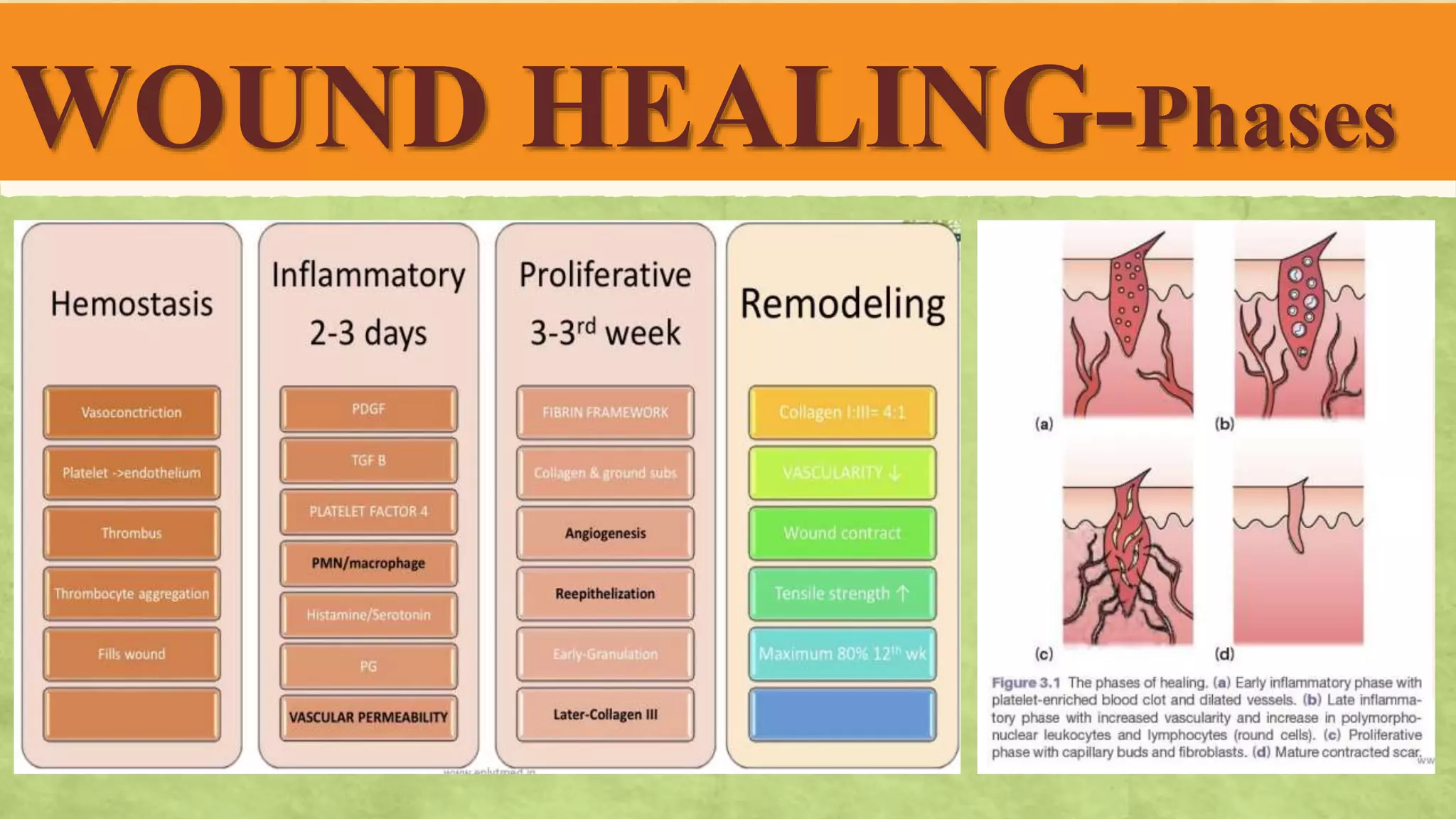
When a blood vessel is damaged, the body initiates a coagulation cascade. Platelets adhere to the exposed collagen of the damaged vessel wall, a process known as platelet aggregation. This forms a "platelet plug." Simultaneously, the body releases chemical signals that convert the protein fibrinogen into fibrin. Fibrin acts like a web or mesh, trapping blood cells to create a stable blood clot. This stage is immediate, often occurring within minutes of an injury, and is essential for preventing exsanguination and providing a provisional matrix for white blood cells to enter the injury site.
2. Inflammation: The Cleanup Crew
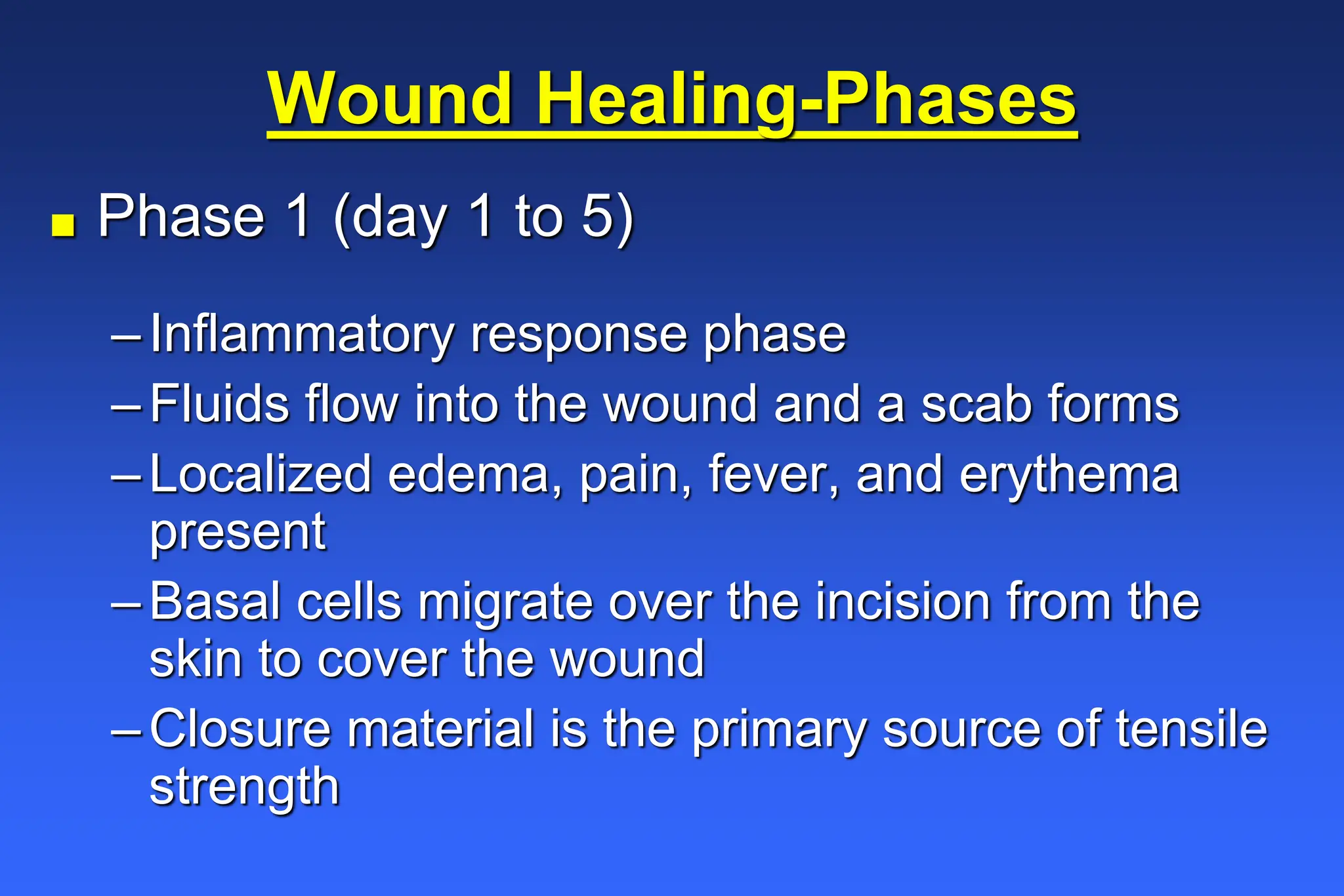
Once bleeding is controlled, the inflammatory phase begins. This stage typically lasts from the moment of injury up to four or six days. The primary role of inflammation is to cleanse the wound of pathogens, debris, and necrotic tissue.
During this phase, blood vessels dilate, allowing plasma and specialized white blood cells—primarily neutrophils and macrophages—to infiltrate the wound site. This influx causes the classic clinical signs of inflammation: redness, heat, swelling, and pain. Neutrophils arrive first to phagocytize (digest) bacteria and foreign contaminants. As the process transitions, macrophages take over. These cells are critical not only for clearing debris but also for secreting growth factors that signal the transition to the next phase of healing. If the inflammation phase is truncated or chronically prolonged, the healing process can stall, leading to stalled wound closure or secondary infections.
3. Proliferation: Building New Tissue
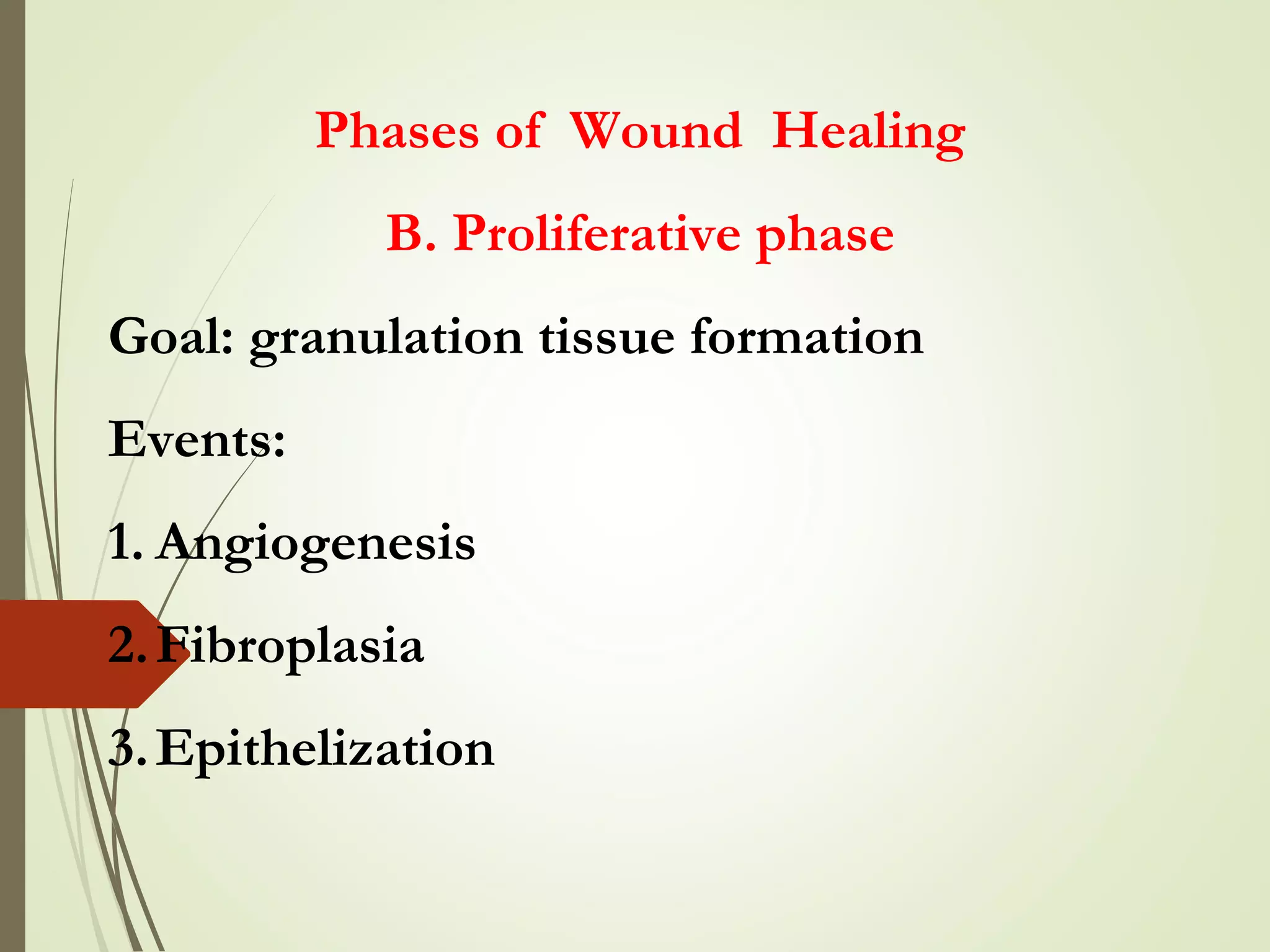
The proliferative phase focuses on filling the wound gap and restoring structural continuity. Depending on the depth and size of the injury, this phase usually spans from day four to approximately day 21.
This stage is defined by three primary activities:
- Angiogenesis: The formation of new capillary networks to supply the high-energy demands of the repairing tissue.
- Granulation: Fibroblasts migrate to the site and deposit a thick layer of collagen and extracellular matrix, creating the pink, granular tissue characteristic of a healing wound.
- Epithelialization: Epithelial cells at the wound edges begin to multiply and migrate across the moist surface of the granulation tissue to close the wound.
During this stage, the wound is fragile. Excessive mechanical stress or poor vascular supply can easily disrupt the forming granulation tissue, necessitating careful management and protection.
4. Remodeling: Maturation and Strengthening
The remodeling phase, or maturation phase, is the final and longest stage of healing. It can last from 21 days to two years, depending on the severity of the initial trauma.
In this phase, the goal is to increase the tensile strength of the tissue. The disorganized, haphazard collagen fibers laid down during the proliferative phase are replaced by more organized, cross-linked, and structured collagen (specifically shifting from Type III to Type I collagen). While the scar tissue gains significant strength—reaching up to 80% of the strength of pre-injured tissue—it never regains the original flexibility or function of the uninjured skin. The vascularity of the area decreases, causing the scar to fade from a red or purple hue to a lighter, paler color.
Comparative Analysis of Healing Stages
| Phase | Primary Function | Key Cellular Players | Duration |
|---|---|---|---|
| Hemostasis | Stop bleeding | Platelets, Fibrin | Minutes |
| Inflammation | Cleanse/Debride | Neutrophils, Macrophages | 1–6 Days |
| Proliferation | Reconstruct matrix | Fibroblasts, Epithelial cells | 4–21 Days |
| Remodeling | Strengthen tissue | Collagen (Type I), Myofibroblasts | 21 Days – 2 Years |
Factors Influencing the Healing Process
Several external and internal factors can significantly impact the efficiency and success of these four phases. Clinical research identifies systemic factors—such as diabetes mellitus, nutritional deficiencies (specifically Vitamin C, zinc, and protein), and peripheral vascular disease—as primary contributors to delayed healing.
Furthermore, local factors play a decisive role. Excessive tension at the wound edges, the presence of foreign bodies, or local infection can force a wound back into the inflammatory phase, preventing it from reaching the proliferative stage. It is important to note that while these phases are described as sequential, they are actually dynamic and overlapping; a wound might have one area in the remodeling phase while another, deeper segment is still resolving inflammation.
Frequently Asked Questions
Can a wound stay in the inflammatory phase forever? Yes. This is often referred to as a "chronic wound." If the body cannot successfully clear debris or if there is a persistent infection or underlying systemic disease, the wound remains locked in a cycle of inflammation, preventing the proliferative signals from triggering effectively.
How does nutrition affect the phases of healing? Nutrition is critical for the proliferative and remodeling phases. Proteins are the building blocks of collagen, while Vitamin C is an essential cofactor for collagen synthesis. Zinc plays a significant role in epithelialization. Deficiencies in these areas are common causes of stalled healing.
Why does a scar never feel exactly like the original skin? The remodeling phase results in a dense, cross-linked collagen matrix that lacks the intricate architecture of normal, healthy skin. Additionally, the process often lacks the regeneration of sweat glands and hair follicles, leading to skin that feels smoother, stiffer, and less elastic than the surrounding tissue.
What is "secondary intention" healing? Secondary intention occurs when a wound cannot be closed with stitches (e.g., due to tissue loss or infection). In these cases, the wound must heal from the bottom up via granulation. This process takes significantly longer and relies more heavily on the body's ability to maintain a healthy proliferative phase.
When should I seek medical intervention for a wound? You should seek professional evaluation if you notice signs of systemic infection, such as spreading redness, fever, foul odor, or if the wound fails to show signs of contraction or epithelialization after several weeks. Persistent pain that worsens rather than improves is also a warning sign.
Next Actions for Wound Management
Proper healing requires a balance of rest, nutrition, and environmental control. Ensure that any site of injury is kept clean and protected from mechanical strain. Monitor the area for the progression of stages—expect redness to subside after the first few days and the wound to slowly close during the second and third weeks. If you suffer from underlying conditions like diabetes, coordinate your wound care with a healthcare provider to ensure that your metabolic environment supports each phase of the process.
Image Gallery