Navigating Chick-fil-A Menu Choices While Pregnant: A Guide to Informed Dining
Eating at Chick-fil-A while pregnant is generally considered safe and accessible, provided you prioritize properly cooked proteins and adhere to standard food safety guidelines for pregnancy. Most menu items, including the iconic chick...
Eating at Chick-fil-A while pregnant is generally considered safe and accessible, provided you prioritize properly cooked proteins and adhere to standard food safety guidelines for pregnancy. Most menu items, including the iconic chicken sandwich, are cooked to temperatures that eliminate common pathogens, but specific choices regarding deli meats, fresh produce, and condiments can further minimize risks of foodborne illness like listeriosis or salmonellosis.
Contents
Understanding Food Safety During Pregnancy
Pregnancy alters the immune system, making expectant individuals more susceptible to foodborne illnesses. Bacteria such as Listeria monocytogenes, Salmonella, and Toxoplasma can pose serious health risks to both the mother and the developing fetus. When dining at quick-service restaurants, the primary concern is the temperature at which food is handled and the freshness of raw ingredients.
Chick-fil-A maintains rigorous internal food safety standards, including standardized cooking temperatures for all poultry products. According to the USDA Food Safety and Inspection Service (FSIS), poultry must be cooked to an internal temperature of at least 165°F (74°C). Because Chick-fil-A uses pressure fryers and grills that are calibrated to meet or exceed these safety benchmarks, the risk of undercooked meat is minimal. However, maintaining vigilance regarding specific high-risk food categories remains an essential part of a healthy pregnancy diet.
Assessing the Chick-fil-A Menu: Safe Bets vs. Cautions
When reviewing the menu, it is helpful to categorize items based on their preparation and risk profile. Most Chick-fil-A offerings fall into the "cooked-to-order" category, which is the gold standard for pregnancy safety.
Hot Proteins
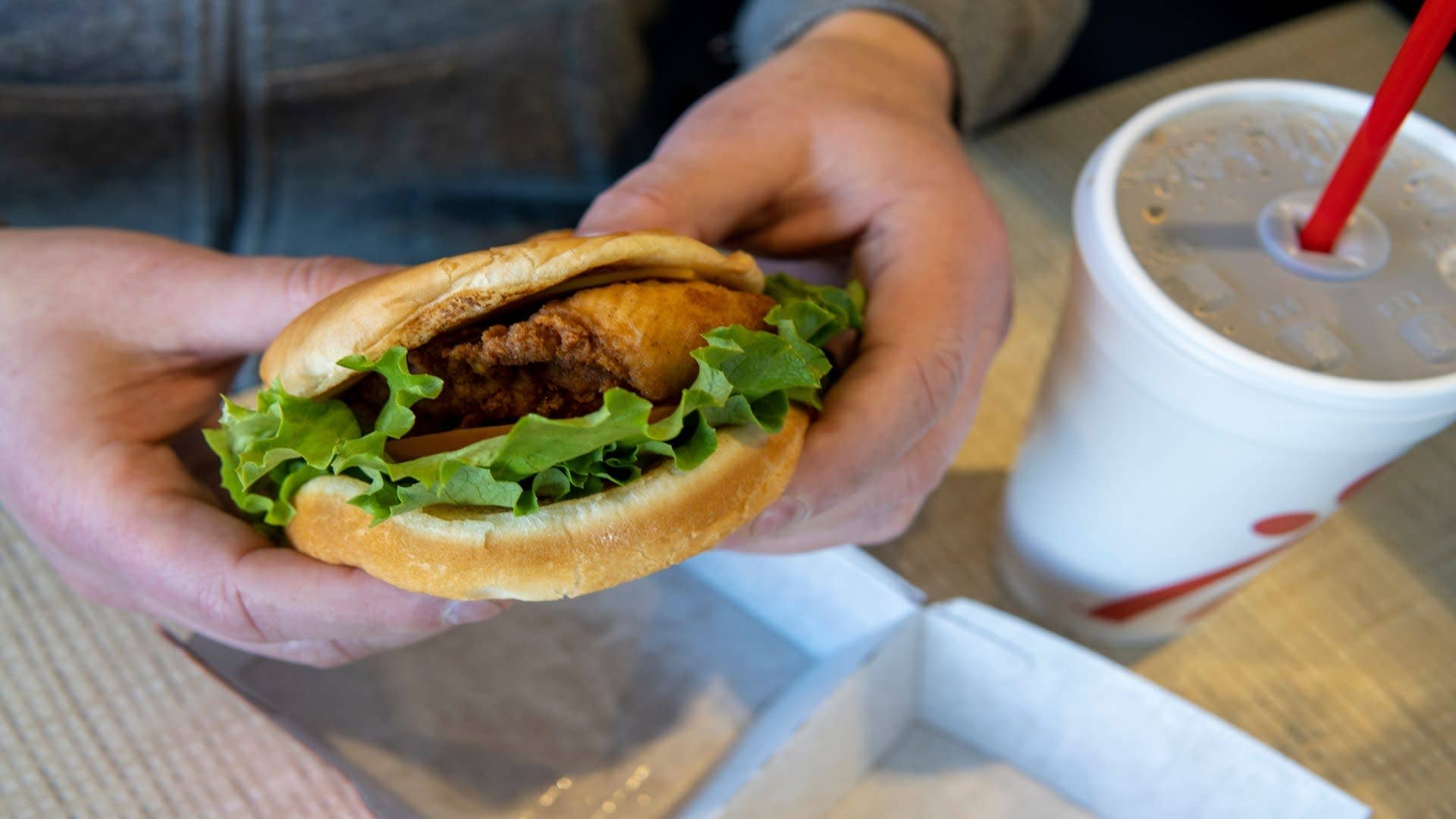
The breaded chicken breast (used in the classic sandwich and nuggets) and the grilled chicken breast are thoroughly cooked. The pressure-frying process used for the breaded chicken ensures deep, even heat penetration, while the grilled fillets are cooked on high-heat equipment. These items are generally considered safe as long as they are served hot and consumed shortly after preparation.
Cold Items and Deli Meats
One of the most frequent questions concerns the "Cool Wrap." Historically, deli meats can be a source of Listeria if not handled correctly or if they have been sitting in a cold display for an extended period. While Chick-fil-A’s supply chain is highly managed, pregnant individuals who are particularly cautious may choose to prioritize hot-prepared items over pre-assembled cold wraps to eliminate any possibility of cold-storage bacteria proliferation.
Salads and Fresh Produce
Fresh produce, such as the lettuce, tomatoes, and kale found in Chick-fil-A salads, carries a risk of Toxoplasma or E. coli if not washed thoroughly. While the chain utilizes pre-washed greens and standard food safety protocols, any raw vegetable carries an inherent risk of surface contamination. If you choose a salad, ensure it is prepared fresh and not sitting out at room temperature for an extended time.
Nutritional Considerations and Dietary Management
Beyond food safety, pregnancy nutrition requires a focus on balanced macronutrients. Chick-fil-A offers several options that can fit into a pregnancy-friendly diet, such as the Grilled Nuggets, which provide high-quality protein without the added fats of deep-frying.
It is also important to consider the sodium content of fast-food meals. During pregnancy, managing blood pressure is a key clinical goal. Many processed items in fast-food chains are high in sodium, which can contribute to fluid retention and elevated blood pressure. Opting for the grilled items or side salads instead of heavy sauces or large portions of salty fries can help keep your dietary goals on track while still enjoying a convenient meal.
Table: Comparison of Menu Categories for Pregnancy
| Category | Typical Items | Pregnancy Safety Note |
|---|---|---|
| Hot Chicken | Original Sandwich, Nuggets | Highly safe; cooked to 165°F+ |
| Grilled Options | Grilled Nuggets, Grilled Sandwich | Excellent source of lean protein |
| Sides | Fruit Cup, Side Salad | Wash produce at home if unsure; avoid heavy dressings |
| Cold Wraps | Cool Wrap | Use caution; consume immediately; check prep time |
| Condiments | Sauces, Dressings | Ensure they are not expired; watch for excessive sugar/sodium |
Managing Cross-Contamination Risks
Cross-contamination occurs when bacteria from raw surfaces or shared utensils transfer to ready-to-eat foods. Chick-fil-A’s kitchens are highly compartmentalized, but in any fast-paced environment, the potential for human error exists. To minimize risk:
- Request Freshly Prepared Items: If possible, order during peak hours when ingredients are cycled through more frequently, ensuring that your meal is made to order rather than pulled from a holding warmer.
- Avoid Shared Utensils: If you have concerns about specific allergen or cross-contamination protocols at your local franchise, feel free to ask the manager how their prep areas are separated.
- Mind the Condiments: Skip the shared communal sauce stations if they exist. Use individual, sealed packets to ensure that no one else has touched or contaminated the sauce containers.
Addressing Common Pregnancy Concerns
What about the sauces?
Most Chick-fil-A sauces, such as the signature Chick-fil-A Sauce, are shelf-stable or cold-stored and contain pasteurized ingredients. Pasteurization is key because it kills bacteria that could be harmful during pregnancy. Check the labels on individual packets if you are concerned about specific raw egg ingredients, though commercial sauces are required to use pasteurized eggs in almost all jurisdictions.
Is the lemonade safe?
Chick-fil-A lemonade is prepared with fresh lemons. While fresh juice can sometimes carry a risk of bacteria if the fruit skins were not washed or if the squeezing process wasn't sanitary, the high acidity of lemons creates an environment that is generally unfavorable for the survival of many pathogens. It is generally considered a safe treat in moderation.
Managing Cravings and "Cheat Days"
Pregnancy cravings are common, and the occasional indulgence in fast food is generally not harmful. The key is moderation. Balancing a classic chicken sandwich with a healthier side—like the fruit cup—can help satisfy a craving while providing essential vitamins and fiber.
Frequently Asked Questions
Is it safe to eat Chick-fil-A chicken sandwiches every day during pregnancy? While the chicken itself is safe, eating fast food daily is not recommended due to high sodium, saturated fat, and sugar content. These can impact gestational weight gain and blood pressure. It is best to treat it as an occasional meal.
Are the salads at Chick-fil-A safe? The salads are generally safe, provided they are made to order. Avoid salads that have been sitting in a display case for hours. If you are extremely cautious, you may prefer to wash your own produce at home to ensure total control over cleanliness.
Does Chick-fil-A use pasteurized eggs in their sauces? Yes, major restaurant chains are required by food safety regulations to use pasteurized egg products in their commercial sauces to prevent salmonella outbreaks. This makes the sauces safe for pregnant consumption.
Should I avoid the breakfast menu? The breakfast menu, including items like the Chicken Biscuit or Egg White Grill, is safe. The eggs used are cooked thoroughly. Ensure that any meat items are served piping hot to minimize any risk associated with temperature-sensitive bacteria.
Next Steps for Informed Dining
The next time you visit, evaluate the freshness of your specific meal. If you are ordering through the mobile app, you can often leave specific instructions or request that your items be prepared fresh. If you are dining in, choose items that are cooked on-site at the moment of your order rather than items that may have been held in warmers. Always consult with your OB-GYN or a registered dietitian regarding your specific dietary needs, especially if you have gestational diabetes or high blood pressure, as your requirements may differ from the general guidelines provided here.
Image Gallery