The Truth About the 6666 Ranch: A Comprehensive Fact Check on Its Existence and Legacy
The 6666 Ranch, commonly referred to as the Four Sixes Ranch, is a very real and historically significant working ranch located in West Texas. Established in 1870, it encompasses over 266,000 acres across three divisions. While its pro...
The 6666 Ranch, commonly referred to as the Four Sixes Ranch, is a very real and historically significant working ranch located in West Texas. Established in 1870, it encompasses over 266,000 acres across three divisions. While its prominence has surged due to its portrayal in popular television media, it remains a premier operational entity in the cattle and equine industries.
Contents
For decades, the Four Sixes Ranch existed as a legendary but relatively private titan of the Texas panhandle. However, with the explosion of Western-themed television dramas in the early 2020s, public curiosity regarding the ranch's existence, ownership, and history has reached an all-time high. In 2026, the ranch continues to stand not merely as a filming location, but as a cornerstone of American agricultural heritage. This fact check examines the reality of its operations, the truth behind its origin myths, and its current status under modern ownership.
The Historical Foundation: Did Burk Burnett Win the Ranch in a Poker Game?
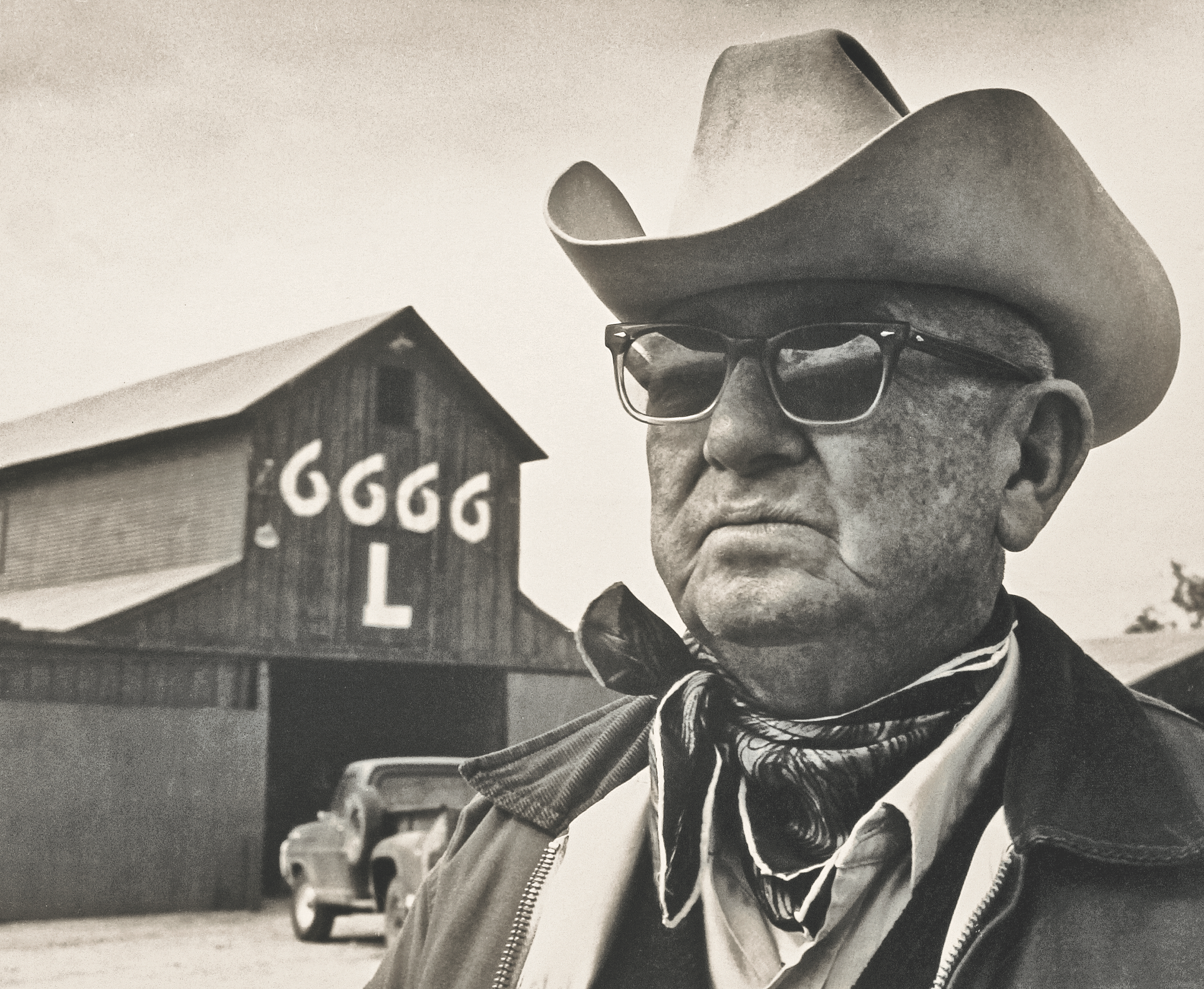
The most enduring legend surrounding the Four Sixes Ranch is that its founder, Samuel "Burk" Burnett, won the property in a high-stakes poker game with a hand of four sixes. Fact-checking historical records reveals that this story, while colorful, is almost certainly apocryphal.
Historical documentation from the Texas State Historical Association indicates that Burnett purchased a herd of 100 cattle in 1868 from Frank Crowley in Denton County. These cattle were already branded with the "6666" mark. Burnett liked the simplicity of the brand, as it was difficult for rustlers to alter effectively. He eventually moved his operations to the Wichita River in 1875 and later acquired the land that would become the heart of the Four Sixes empire in King County during the 1880s.
The transition from a nomadic cattle operation to a permanent landed estate was fueled by Burnett’s business acumen and his friendship with influential figures, including Quanah Parker, the last chief of the Comanches. This relationship allowed Burnett to lease grazing rights on tribal lands, providing the stability needed to build a permanent headquarters in Guthrie, Texas. By the time of Burnett's death in 1922, the ranch was a massive, self-sustaining enterprise, proving that its existence was built on commerce and land acquisition rather than a lucky draw of cards.
Geographical Reality: Where Is the Four Sixes Ranch Located?
The Four Sixes is not a single plot of land but a collection of distinct divisions that together form one of the largest ranching operations in the United States. To verify its existence, one can look to the property records of King, Carson, Hutchinson, and Sherman counties in Texas.
The Guthrie Division (Main Headquarters)
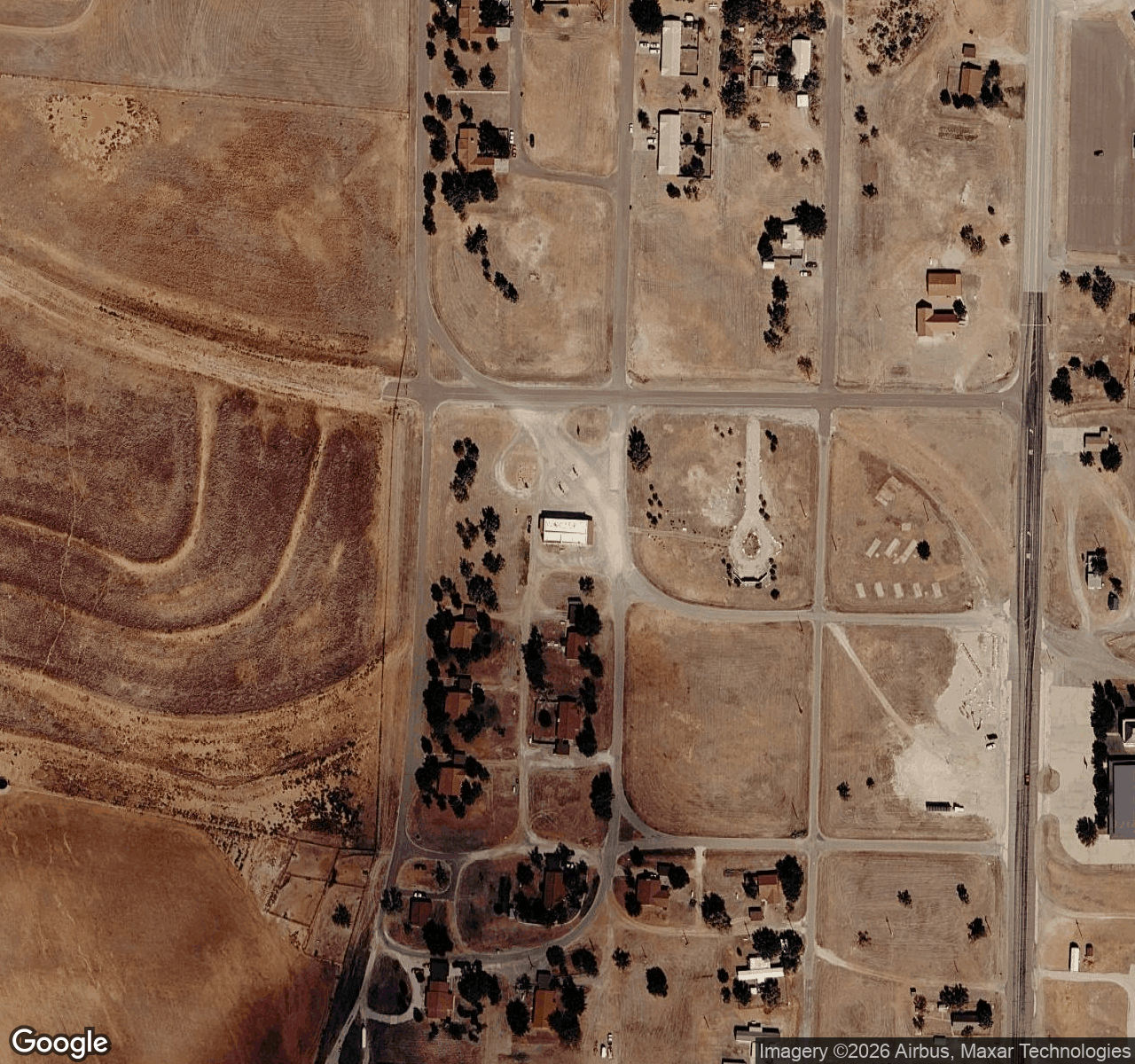
The primary headquarters is located in Guthrie, Texas, in King County. This is the "face" of the ranch, featuring the iconic "Big House," which was constructed in 1917 at a cost of $100,000—a staggering sum at the time. The Guthrie division serves as the nerve center for the ranch's administrative and livestock operations.
The Dixon Creek Division
Located in Carson and Hutchinson counties, the Dixon Creek division was acquired by Burnett in 1902. This land is historically significant because it was the site of a major oil discovery in 1921. The "Burnett No. 1" well changed the financial trajectory of the ranch, ensuring its survival through the Great Depression and providing the capital to expand its legendary horse breeding program.
The Frisco Creek Division
The Frisco Creek division, situated in Sherman County, serves primarily as a "grow-out" facility for the ranch’s cattle. This multi-location structure allows the ranch to manage different stages of livestock development while mitigating the risks of localized drought or weather events.
| Division Name | Primary Location (Counties) | Primary Function | Estimated Acreage |
|---|---|---|---|
| Guthrie (Main) | King County | Headquarters, Stallion Division, Cattle | 142,000 |
| Dixon Creek | Carson & Hutchinson | Cattle Grazing, Oil Production | 114,000 |
| Frisco Creek | Sherman County | Cattle Backgrounding/Pasture | 10,000 |
Ownership Transition: From the Burnett Family to Taylor Sheridan
For over 150 years, the ranch remained under the continuous ownership of Burk Burnett’s descendants. This lineage ended with the passing of Anne Burnett Marion in February 2020. Marion was a formidable figure in the ranching world, known for her stewardship of the land and her support of the arts. Her will stipulated that the ranch be sold, a move that sent shockwaves through the Texas real estate market.
In 2021, the ranch was officially listed for sale for the first time in its history. In early 2022, the sale was finalized to a group led by filmmaker and "Yellowstone" creator Taylor Sheridan. This transition marked a new era for the Four Sixes. While some feared the ranch would become a mere movie set, Sheridan and his partners have maintained the ranch’s commitment to high-level agricultural production.
As of 2026, the ranch operates as a dual-purpose entity. It remains a "working" ranch in every sense of the word, maintaining thousands of head of cattle and one of the world's most prestigious Quarter Horse breeding programs. Simultaneously, it serves as a brand and a location for media production, bridging the gap between the authentic cowboy lifestyle and global entertainment.
The Stallion Division: A Pillar of the Equine Industry
One of the most verifiable proofs of the ranch's existence is its impact on the American Quarter Horse Association (AQHA). The 6666 Ranch is not just a place where horses live; it is a world-class genetic laboratory for performance horses.
The ranch’s stallion division is home to some of the most famous names in the industry, such as Dash For Cash, whose bloodlines revolutionized the sport of Quarter Horse racing. The ranch provides breeding services to clients worldwide, maintaining a professional veterinary clinic and a sophisticated reproductive facility on-site in Guthrie.
The success of the 6666 horse program is quantifiable. The ranch has received numerous awards from the AQHA, including the Best Remuda Award, which recognizes ranches that maintain outstanding sets of working horses for ranch work. When people question if the ranch "really" exists, the thousands of registered horses carrying the 6666 brand across the globe serve as living evidence.
Media vs. Reality: Distinguishing the "Yellowstone" Universe
The popularity of the television show Yellowstone and its spin-off 6666 has created some confusion regarding what is fictional and what is factual.
- The Show: In the narrative of the TV series, the 6666 Ranch is portrayed as a place of legendary discipline and history where "real" cowboys are forged. Characters are sent there to learn the trade.
- The Reality: While the show films on location and uses real ranch hands as extras or consultants, the day-to-day operations are far less dramatic than a television script. The ranch’s staff focuses on land management, livestock health, and profit margins.
The fictional portrayal has significantly boosted the ranch's brand value, leading to the creation of 6666-branded consumer goods, such as coffee, steak rubs, and apparel. However, the core of the business remains rooted in the soil and the livestock. Visitors to Guthrie will find a real town where the ranch is the primary employer and the center of the community, not a gated Hollywood backlot.
Fact-Checking Common Myths and Misconceptions
1. Is the brand "666" or "6666"?
The brand is four sixes (6666). There is a common misconception that it is a "666" brand, which carries religious connotations. This is incorrect. Burk Burnett chose four sixes, and the ranch has spent over a century protecting the trademark of those four digits.
2. Can you visit the ranch as a tourist?
The 6666 Ranch is a private working operation and is not open for general tourism or "dude ranch" activities. However, the 6666 Supply House in Guthrie is open to the public, allowing visitors to purchase merchandise and get a sense of the ranch's atmosphere without trespassing on operational land.
3. Was the ranch sold to a foreign corporation?
No. Despite various internet rumors during the 2021 sale, the ranch was purchased by an American investment group led by Taylor Sheridan. The ownership remains domestic and is closely tied to the heritage of the American West.
4. Does the ranch still use traditional cowboy methods?
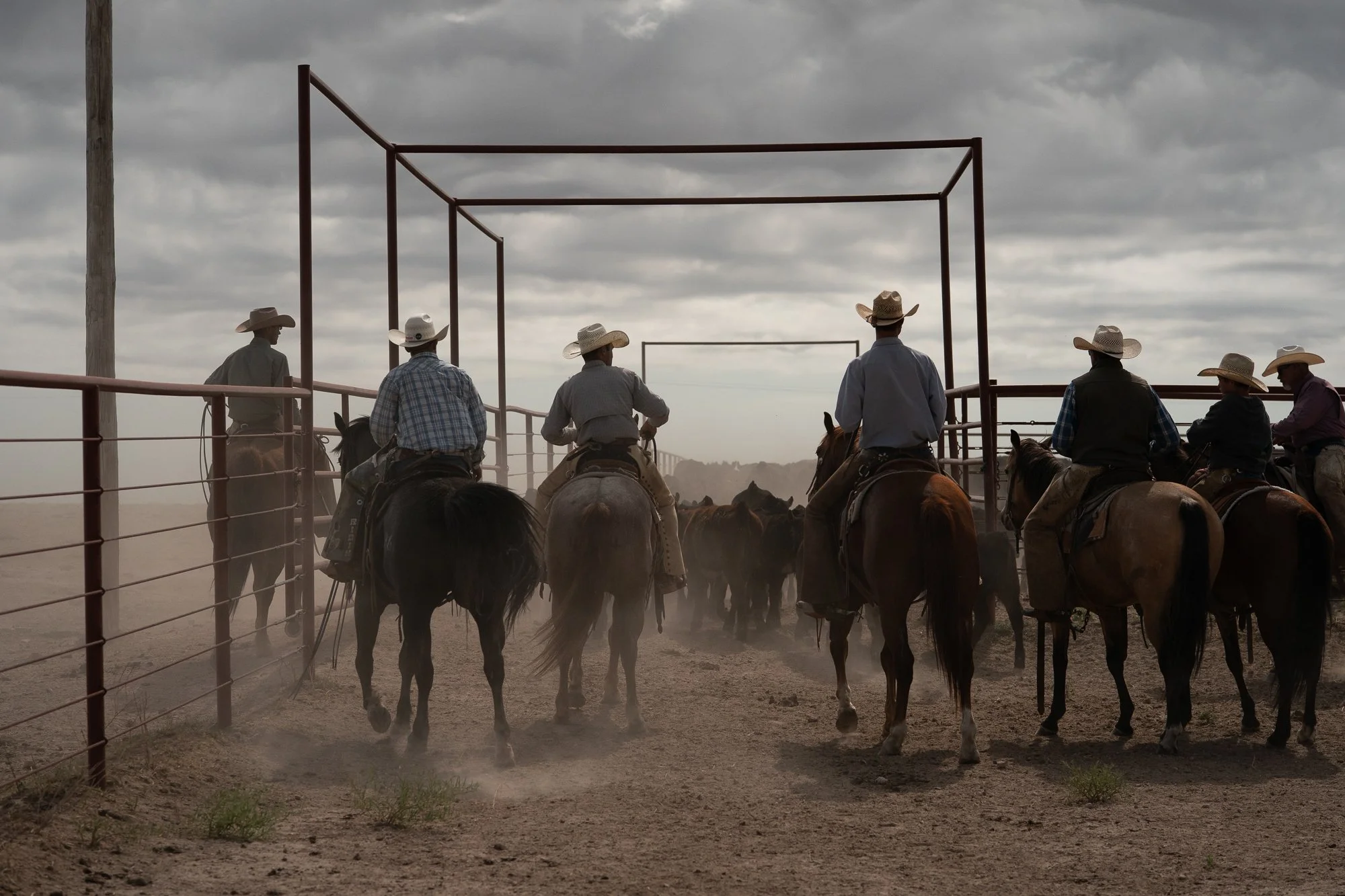
Yes. While the ranch utilizes modern technology in its veterinary and administrative departments, the actual cattle work is still largely done on horseback. This is a matter of practical necessity; the rugged terrain of King County is often inaccessible to vehicles, making the skilled cowboy and a well-bred horse the most efficient tools for the job.
Frequently Asked Questions
Is the 6666 Ranch actually in Texas?
Yes, the 6666 Ranch is located in the Texas Panhandle and North Texas regions. The main headquarters is in Guthrie, Texas (King County), about halfway between Lubbock and Wichita Falls. Other divisions are located in Carson, Hutchinson, and Sherman counties.
Who owns the 6666 Ranch in 2026?
The ranch is owned by a group of investors led by Taylor Sheridan. They acquired the property in 2022 from the estate of Anne Burnett Marion. The ownership group focuses on preserving the ranch's working heritage while integrating it into a broader media and lifestyle brand.
How big is the Four Sixes Ranch?
The total acreage is approximately 266,255 acres. This is roughly 416 square miles, making it larger than the city of San Antonio. It is one of the largest ranches in the United States that is contained within a relatively contiguous area.
Can you buy horses from the 6666 Ranch?
Yes. The ranch holds annual sales and offers private treaty sales for its Quarter Horses. They are highly sought after for ranch work, cutting, reining, and racing. Their annual "Return to the Remuda" sale is a major event in the equine industry.
What happened to the Burnett family after the sale?
Following the death of Anne Burnett Marion, the proceeds from the sale of the ranch were directed toward the Burnett Foundation, which supports various charitable causes, including the arts and healthcare in Fort Worth and across Texas. The family's legacy continues through these philanthropic efforts.
Is there a town called 6666?
No, the town where the ranch is headquartered is Guthrie, Texas. Guthrie is an unincorporated community and serves as the county seat for King County. The ranch is the dominant presence in the town, but the town itself is a distinct legal entity.
Recommendation for Verification and Further Research
To verify the existence and ongoing operations of the Four Sixes Ranch, interested parties should consult official agricultural and historical records. The Texas State Historical Association (TSHA) provides an extensive "Handbook of Texas" that details the Burnett family and the ranch's development. For current operational details, the American Quarter Horse Association (AQHA) maintains records of the ranch’s breeding successes and awards.
If you are planning to travel through West Texas, you can visit the 6666 Supply House in Guthrie. While you cannot tour the private grazing lands or the "Big House," the Supply House serves as the ranch's public interface and provides an authentic glimpse into the culture of one of America's most storied cattle operations. Always respect private property boundaries and understand that the 6666 is a high-functioning industrial site where safety and livestock security are top priorities.
Image Gallery