Green Day Pre Super Bowl Performance: A Six Minute Set at Super Bowl LX
Green Day’s high-octane pre-game set at Super Bowl LX delivered a compressed, six-minute burst of punk rock energy directly to the football faithful, bridging mainstream sports culture and alternative rock in a tightly managed televisi...
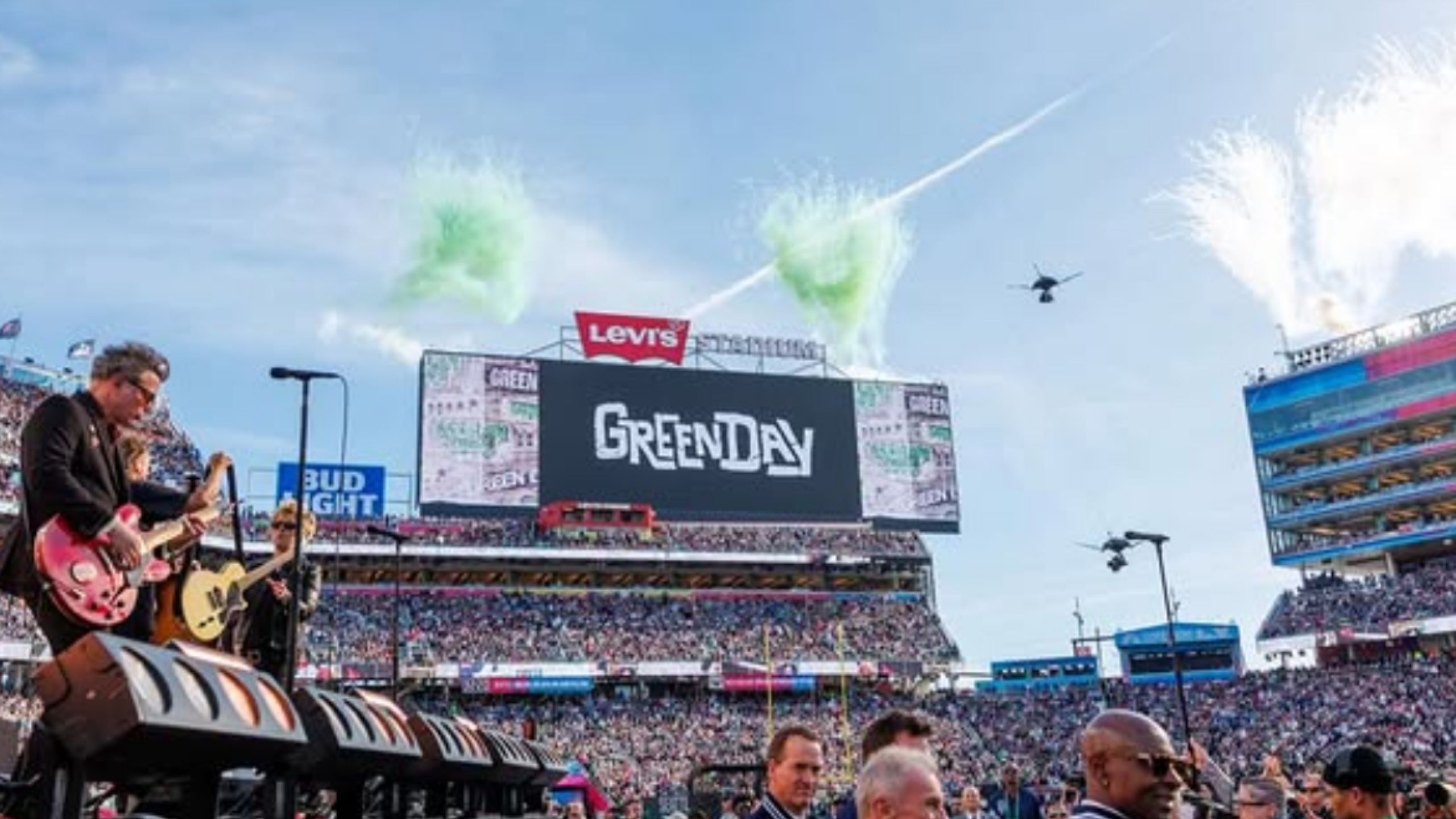
Green Day’s high-octane pre-game set at Super Bowl LX delivered a compressed, six-minute burst of punk rock energy directly to the football faithful, bridging mainstream sports culture and alternative rock in a tightly managed television window. Delivering a condensed performance on one of the world's largest stages requires precise logistical timing, technical execution, and crowd management, turning a brief concert into a major broadcast event.
Contents
Logistical Challenges of Performing a Six-Minute Set
Executing a live musical performance during a major sporting event preamble requires an unprecedented level of choreography behind the scenes. Unlike a traditional concert where artists can take their time moving between songs, a television broadcast operating on a strict multi-billion-dollar timeline demands absolute precision.
The primary challenge lies in the rapid stage turnover. Crew members must roll out massive audio, lighting, and staging components, hook up power and instruments, and complete line checks within a matter of minutes. For a punk rock band like Green Day, whose performance style relies heavily on physical movement, crowd interaction, and spontaneous stage energy, operating under strict time constraints forces a streamlined approach to setlist curation and physical placement.
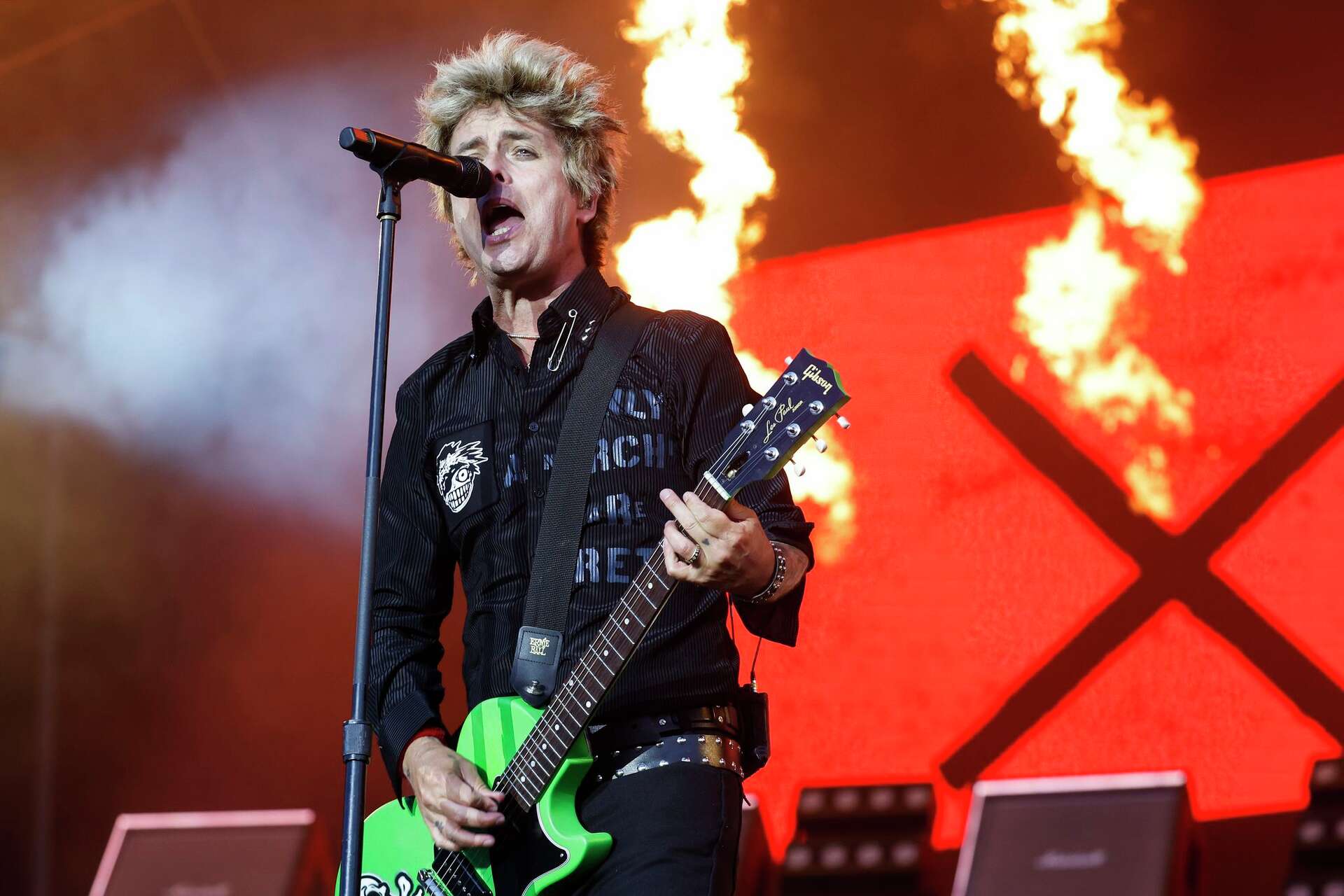
Furthermore, audio engineers face immense acoustic hurdles when mixing live rock instruments on an open-air football field. Stadium acoustics are notoriously difficult, characterized by long echo times and heavy wind interference. Sound crews must deploy specialized line array systems and digital mixing desks to ensure that Billie Joe Armstrong’s vocals and guitar work cut through the ambient roar of tens of thousands of cheering fans and the millions watching via live broadcast feeds.
Setlist Curation and Musical Strategy
When an artist is given only six minutes of airtime, every second dictates the artistic and commercial impact of the appearance. Green Day curated a high-impact, stadium-ready sequence designed to maximize familiarity and energy without wasting time on banter or extended intros.
Analyzing a condensed television setlist involves looking at how the band balances legacy anthems with recent material to capture the broadest possible demographic:
- Opening Track: A fast, instantly recognizable track designed to hook viewers immediately upon returning from commercial breaks.
- Mid-Set Transition: A seamless, beat-matched transition into a second high-tempo anthem that maintains the momentum.
- Closing Track: A grand finale featuring crowd-participation segments that maximize visual appeal for the broadcast cameras.
By stripping away the standard album cuts and deep tracks, the band leaned entirely on their most reliable commercial singles. This strategy ensures that casual sports viewers and die-hard punk fans alike recognize the material instantly, maintaining the high-energy pacing required by the event's producers.
Broadcast Production and Television Integration
The integration of live music into a high-stakes sports broadcast involves a complex dance between the tour production crew and the television network's mobile production units. For Super Bowl LX, the visual storytelling had to match the relentless tempo of Green Day’s performance.
Camera operators utilized a combination of cable-suspended aerial cameras (commonly known as Skycams), handheld steady-cams weaving through the band, and traditional jib cranes to capture dynamic angles. These visual choices are designed to make the field feel intimate, transforming a vast open-air stadium into an immersive concert venue for television viewers at home.
Audio routing during such broadcasts also requires dual handling: a specialized broadcast mix separate from the stadium's public address (PA) system. While the live audience hears the stadium reinforcement, the broadcast viewers receive a pristine, heavily compressed stereo or surround-sound mix that balances the instruments against the pre-recorded backing tracks and ambient crowd microphones. This technical layering prevents the instruments from getting lost in the natural acoustic reverb of the venue.
Comparison of Pre-Game Show Formats
Understanding the scope of Green Day's six-minute appearance requires examining how pre-game entertainment formats have evolved across major sporting spectacles over the years.
| Event Format | Typical Duration | Primary Focus | Technical Complexity |
|---|---|---|---|
| Traditional Halftime Show | 12 to 15 minutes | Theatrical spectacle, full stage builds, multiple guest artists | Extremely High (massive rolling stage units, complex lighting) |
| Pre-Game Concert Set | 5 to 8 minutes | Direct radio hits, streamlined staging, high-tempo pacing | Moderate to High (rapid turnaround, strict broadcast windows) |
| National Anthem / America the Beautiful | 1.5 to 3 minutes | Vocal prowess, patriotic staging, solo or small ensemble | Low to Moderate (focused primarily on vocal and acoustic clarity) |
This comparison highlights why a six-minute pre-game set functions differently than a halftime production. While halftime shows can afford slow builds and multi-song medleys with elaborate set pieces, pre-game sets function more like compressed festival appearances, demanding immediate impact and zero downtime.
Frequently Asked Questions
How long was Green Day's performance at Super Bowl LX?
The performance lasted precisely six minutes, adhering to the strict broadcast schedule dictated by the television network and event organizers.
Why do musical acts perform such short sets at sports events?
Broadcast schedules for major games are locked down to the second due to contractual obligations with advertisers, game pacing requirements, and pre-scheduled program lineups. Every minute of airtime is tightly budgeted.
How do bands handle the audio challenges of playing on a football field?
Sound engineers rely on advanced digital mixing consoles, in-ear monitoring systems, and specialized outdoor speaker arrays to counteract the natural wind and echo interference of open-air stadiums.
Did Green Day play new songs or classic hits during the set?
To maximize audience engagement within a limited timeframe, bands typically rely exclusively on globally recognized hit singles rather than newer or lesser-known tracks.
What happens behind the scenes during a rapid stage turnover?
Specialized stage crew teams use wheeled, modular platforms that can be quickly rolled onto the turf, connected to power and audio trunk lines, and dismantled at the conclusion of the final song to clear the field for pre-game athletic drills.
Final Recommendations for Event Viewers and Music Fans
For viewers looking to experience live sports broadcasts with musical integrations at the highest fidelity, ensuring proper audio-visual calibration on home entertainment systems is essential. Utilizing standard stereo settings or customized sound profiles can significantly improve the clarity of broadcast audio mixes tailored for outdoor live music. When tracking future sporting events, pay close attention to the production credits and behind-the-scenes featurettes released by networks, as they offer valuable insight into the immense engineering feats required to bring arena-scale rock bands onto a football field in a matter of minutes.
Image Gallery