What Is Playboy Magazine: A Comprehensive Look at Its Cultural Impact and Evolution in 2026
Playboy magazine has long stood as one of the most recognizable and polarizing cultural artifacts of the twentieth and twenty-first centuries. Founded in 1953 by Hugh Hefner, the publication transformed adult entertainment, lifestyle j...
Playboy magazine has long stood as one of the most recognizable and polarizing cultural artifacts of the twentieth and twenty-first centuries. Founded in 1953 by Hugh Hefner, the publication transformed adult entertainment, lifestyle journalism, and mainstream publishing. As media consumption habits shift toward digital platforms, understanding what Playboy magazine represents requires examining its history, its editorial contributions, its cultural controversies, and its modern operational model as of 2026.
Contents
The Origins and Core Concept of Playboy Magazine
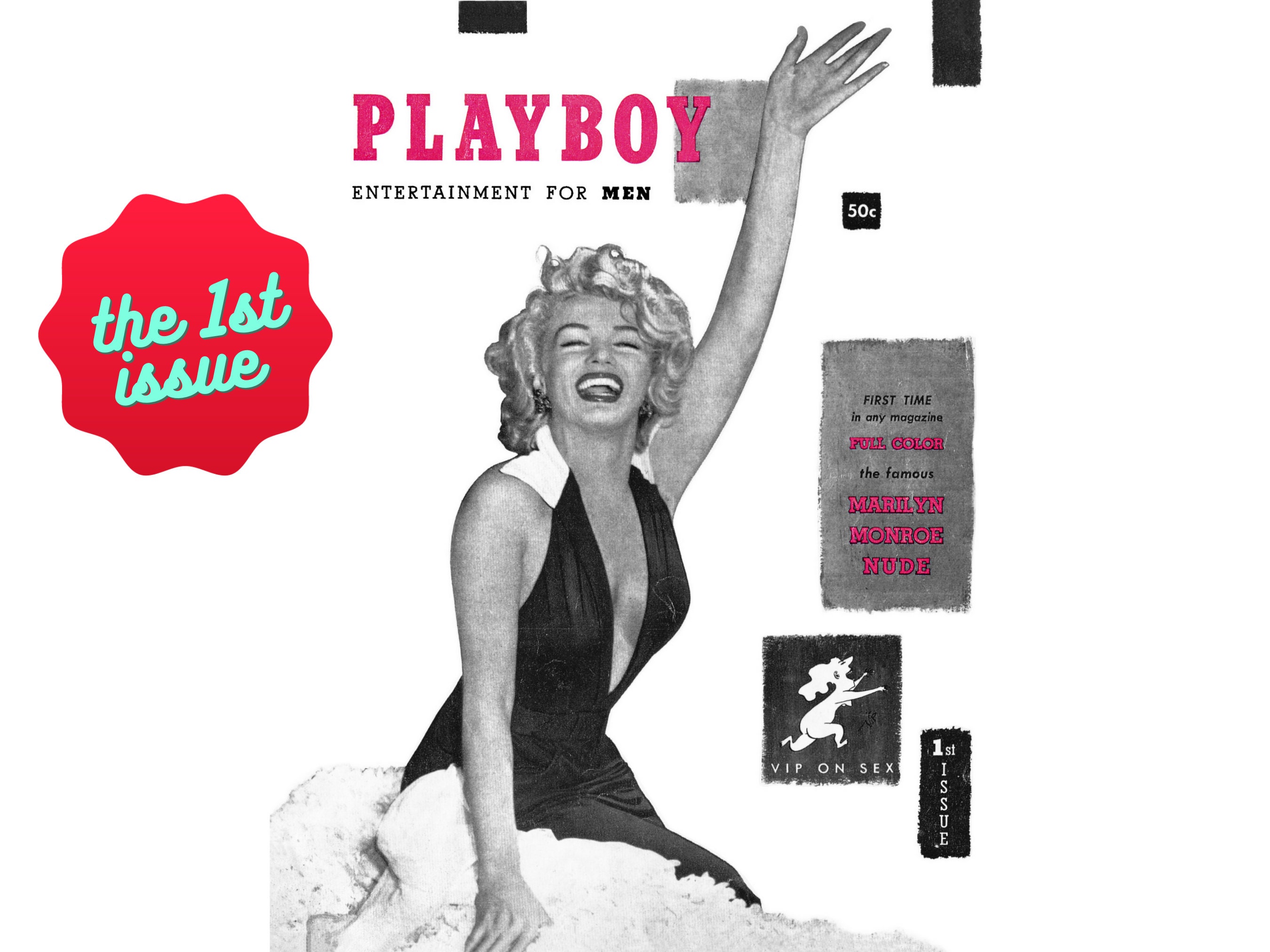
When the inaugural issue of Playboy hit newsstands in December 1953—featuring Marilyn Monroe on the cover and as its first centerfold—it broke conventional publishing molds. Hugh Hefner envisioned a men's lifestyle magazine that combined adult photography with serious journalism, fiction, and lifestyle advice.
The magazine catered to the post-World War II American middle-class male, offering an aspirational guide on how to live, dress, and consume in a rapidly modernizing urban environment. Unlike purely explicit adult magazines of its era, Playboy framed its content around high-end sophistication. It blended provocative imagery with intellectual substance, establishing a unique market niche.
Editorial Excellence and Cultural Influence
Beyond its pictorial content, Playboy gained immense prestige for its written journalism. The publication became a premier platform for literary giants, investigative journalists, and cultural critics.
Notable Contributions and Interviews
- The Playboy Interview: Launched in 1962, this feature offered unprecedented long-form conversations with historical figures, politicians, civil rights leaders, musicians, and philosophers. Notable subjects included Malcolm X, Martin Luther King Jr., John Lennon, Miles Davis, and Fidel Castro.
- Literary Fiction: The magazine published short stories and serials by legendary authors such as Ray Bradbury, Kurt Vonnegut, Margaret Atwood, Gabriel García Márquez, and Haruki Murakami. Paying top rates for fiction, Playboy financially supported many writers during decades when traditional literary magazines struggled.
- Investigative Journalism: Long-form essays covered complex social issues, civil liberties, technological advancements, and political corruption, earning the magazine multiple journalism accolades over the decades.
Evolution of Print and Digital Transformation
The landscape of media changed drastically with the advent of the internet, forcing legacy print publications to adapt or face obsolescence. Playboy underwent several strategic pivots to stay relevant to modern audiences.
| Era / Year | Operational Focus | Print Status | Digital Presence |
|---|---|---|---|
| 1953–1990s | Physical newsstand dominance, subscription scaling, club expansion. | Monthly print flagship | None / Early BBS experiments |
| 2000s–2015 | Adapting to free online adult content; declining newsstand sales. | Monthly print with declining circulation | Basic website, paywalled digital archives |
| 2016–2020 | Removal of full nudity (2016–2018), rebranding toward lifestyle and modern culture. | Irregular quarterly print / special editions | Pivot to social media and digital content hubs |
| 2021–2026 | Creator economy integration, Centerfold platform, complete digital-first strategy. | Print discontinued; collector-only issues | Fully integrated digital creator ecosystem |
By the mid-2020s, Playboy largely phased out its traditional monthly print magazine format, transitioning instead into a digital-first lifestyle brand and creator marketplace. This shift allowed the company to compete directly with modern subscription platforms while leveraging its historic brand equity.
Pros and Cons of Playboy's Legacy and Modern Model
Evaluating Playboy requires looking at both its progressive contributions to free speech and the valid criticisms regarding its objectification of women.
Positive Cultural Contributions
- Advocacy for Civil Liberties: Playboy financially backed numerous legal battles against censorship, supporting the American Civil Liberties Union (ACLU) and defending the First Amendment.
- Desegregation Efforts: In the 1960s, the Playboy Clubs maintained strict integration policies, refusing to operate segregated venues and actively pushing for racial equality in hospitality.
- High-Caliber Journalism: Providing a mainstream platform for marginalized voices, controversial political figures, and elite literary talent.
Criticisms and Controversies
- Objectification of Women: Critics argue that the core business model relied on the commodification and sexualization of female bodies, reinforcing patriarchal standards.
- Workplace Culture: Later exposés and internal accounts revealed that the corporate environment under early leadership often fell short of the progressive ideals promoted in print.
- Shifting Relevance: Younger generations often view legacy adult brands as outdated compared to decentralized, user-generated creator platforms.
Frequently Asked Questions About Playboy Magazine
What was the primary purpose of Playboy magazine when it was founded?
Playboy was founded in 1953 to serve as an upscale men's lifestyle and entertainment magazine that combined provocative photography with sophisticated journalism, fiction, and urban culture guides. It aimed to redefine the modern American male lifestyle after World War II.
Does Playboy still publish a physical print magazine?
No, the traditional monthly print edition has been largely phased out in favor of a digital-first strategy, though occasional special collector's editions or commemorative print runs may still be released. The brand operates primarily online through digital content, lifestyle goods, and creator-focused platforms.
Who was the founder of Playboy magazine?
Hugh Hefner founded Playboy magazine in Chicago in 1953, serving as its editor-in-chief and cultural figurehead for decades until his passing in 2017. He shaped the editorial voice and commercial expansion of the brand globally.
What made the Playboy Interview famous?
The Playboy Interview became a hallmark of the magazine because it offered unedited, deep-dive conversations with the world's most influential thinkers, politicians, artists, and activists. These transcripts allowed subjects to speak at length on complex moral, political, and philosophical issues without standard media truncation.
How has Playboy adapted to the modern digital economy?
Playboy transitioned from a print publisher into a digital lifestyle brand, launching creator-economy platforms, digital subscriptions, and apparel lines. This shift allows independent creators to monetize content directly while leveraging the historical brand recognition of the Playboy name.
Conclusion and Brand Outlook
Playboy magazine remains a complex cultural institution that bridged the gap between counterculture and mainstream media. From its groundbreaking interviews and championing of free speech to its evolving digital identity in 2026, the brand continues to reflect shifting societal attitudes toward media, entertainment, and personal freedom. Whether viewed as a pioneer of progressive publishing or a relic of mid-century mass media, its historical footprint on global culture remains undeniable.
Image Gallery