Chevy Camaro SS 0-60: Performance Specs, Variables, and Driver Guide
The Chevy Camaro SS consistently delivers a 0-60 mph time between 3.9 and 4.3 seconds. Achieving the sub-4-second mark typically requires the 10-speed automatic transmission and optimal surface conditions, while the 6-speed manual vers...
The Chevy Camaro SS consistently delivers a 0-60 mph time between 3.9 and 4.3 seconds. Achieving the sub-4-second mark typically requires the 10-speed automatic transmission and optimal surface conditions, while the 6-speed manual versions usually hover closer to the 4.1 to 4.3-second range due to human shift speeds and gearing.
Contents
The Engineering Behind the Chevy Camaro SS 0-60 Time
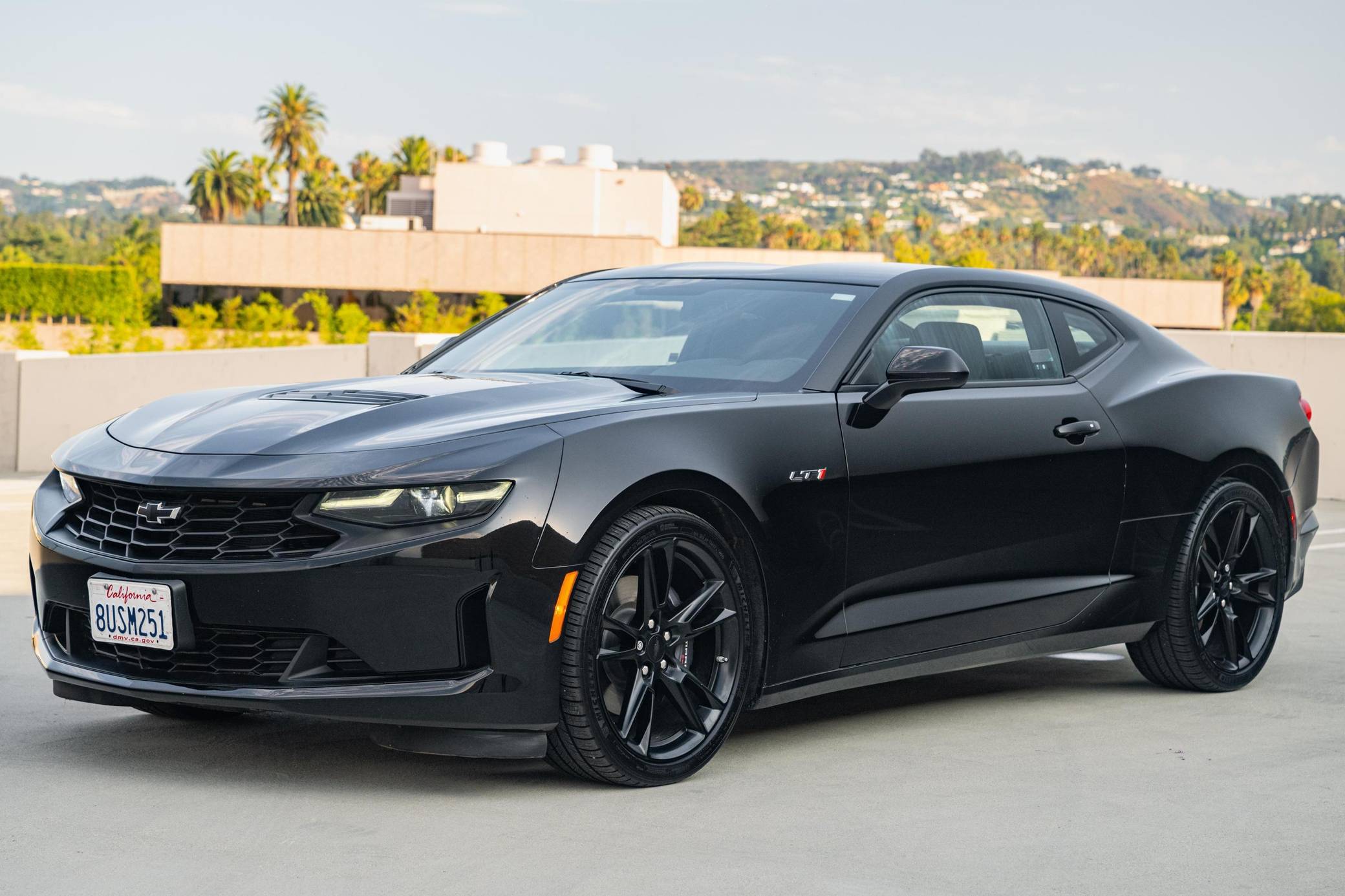
To understand why the Chevy Camaro SS remains a benchmark for American muscle in 2026, one must look at the heart of the vehicle: the 6.2-liter LT1 V8 engine. This naturally aspirated powerhouse was the cornerstone of the sixth-generation Camaro SS, producing an identical 455 horsepower and 455 lb-ft of torque throughout its production run.
The LT1 engine utilizes a high-pressure direct-injection system and Variable Valve Timing (VVT) to optimize the combustion cycle. Unlike smaller, turbocharged engines that may suffer from "turbo lag," the LT1 provides nearly instantaneous torque. For 0-60 mph sprints, this "low-end grunt" is critical. The torque curve is intentionally broad, allowing the car to pull hard from a standstill without needing to wait for a boost threshold. In a rear-wheel-drive configuration like the Camaro’s, managing that 455 lb-ft of torque at the starting line is the difference between a world-class launch and a cloud of wasted tire smoke.
Furthermore, the Alpha platform—the chassis upon which the sixth-gen Camaro was built—is lauded for its rigidity and weight management. By keeping the vehicle's curb weight relatively low (approximately 3,600 to 3,700 pounds depending on the trim and transmission), Chevrolet ensured that the power-to-weight ratio remained competitive against rivals like the Ford Mustang GT and the discontinued Dodge Challenger R/T Scat Pack.
Transmission Impact: 10-Speed Automatic vs. 6-Speed Manual
The choice of transmission is the single most significant factor in determining the Chevy Camaro SS 0-60 time. While driving enthusiasts often prefer the engagement of a manual, the physics of modern acceleration favor the computer-controlled automatic.
The 10L80 10-Speed Automatic
Introduced as an upgrade later in the sixth generation’s life cycle, the 10-speed automatic transmission was co-developed to provide lightning-fast gear changes. Because it features ten different gear ratios, the engine can stay much closer to its peak horsepower RPM throughout the entire 0-60 mph run. The shifts are executed in milliseconds—faster than any human could move a physical lever. This efficiency allows the Camaro SS to dip into the 3.9-second range under ideal conditions. The transmission's software also includes performance-tuned shift logic that detects aggressive throttle input and holds gears longer or downshifts more aggressively.
The Tremec 6-Speed Manual
The 6-speed manual transmission, featuring Active Rev Matching, offers a more visceral experience but generally results in slightly slower 0-60 times. Most independent testing puts the manual Camaro SS at roughly 4.1 to 4.3 seconds. The discrepancy comes from the momentary interruption of power during gear shifts and the challenge of managing the clutch release perfectly to avoid excessive wheel spin. However, for many owners, the tenth-of-a-second trade-off is worth the increased control and mechanical connection to the vehicle.
The 1LE Track Performance Package Factor
When discussing the Chevy Camaro SS 0-60 performance, the SS 1LE package must be highlighted. While the 1LE package was primarily designed for road course handling, several of its components directly benefit straight-line acceleration.
The 1LE package adds wider, stickier Goodyear Eagle F1 Supercar 3 tires. Grip is the most vital component of a 0-60 run; if the tires cannot translate the LT1’s torque into forward motion, the engine's power is irrelevant. The 1LE also features an Electronic Limited-Slip Differential (eLSD). Unlike a standard mechanical limited-slip diff, the eLSD can adjust its locking percentage in milliseconds based on wheel slip sensors. This ensures that both rear wheels are pushing the car forward with maximum efficiency, minimizing the "one-tire fire" phenomenon and stabilizing the car during the violent transition from 0 to 60.
Comparative Performance Table: Camaro SS Variations
The following table outlines the expected 0-60 mph performance across different configurations of the sixth-generation Chevy Camaro SS.
| Model / Configuration | Transmission | 0-60 MPH (Estimated) | Top Speed (MPH) |
|---|---|---|---|
| Camaro SS (Base) | 6-Speed Manual | 4.1 - 4.3 Seconds | 180 mph |
| Camaro SS (Base) | 8-Speed Auto (Pre-2019) | 4.0 - 4.1 Seconds | 180 mph |
| Camaro SS (Base) | 10-Speed Auto (2019+) | 3.9 - 4.0 Seconds | 180 mph |
| Camaro SS 1LE | 6-Speed Manual | 4.1 Seconds | 180 mph |
| Camaro SS 1LE | 10-Speed Auto | 3.9 Seconds | 180 mph |
| Camaro SS Convertible | 10-Speed Auto | 4.1 - 4.2 Seconds | 180 mph |
Note: Times are based on manufacturer claims and verified independent testing in controlled environments.
Factors That Influence Real-World Acceleration
Achieving the advertised 0-60 mph time in a Chevy Camaro SS is rarely as simple as mashing the throttle. In the real world, several environmental and mechanical variables play a role.
- Launch Control Settings: The Camaro SS comes equipped with a Launch Control system, accessible via the "Competitive Driving Mode." This system allows the driver to set a specific RPM for the launch. If the RPM is too high, the tires will spin; if it is too low, the engine may bog down. Fine-tuning this based on the current surface is essential.
- Tire Temperature: Performance tires like the Goodyear Eagle F1s are made of a compound that requires heat to become "sticky." In colder weather (below 50°F), these tires lose significant traction, which can add half a second or more to a 0-60 run. Drivers often perform a brief burnout or drive for several miles to bring the rubber up to operating temperature.
- Surface Quality: A prepped drag strip offers significantly more "bite" than standard asphalt or concrete. On a standard road, dust, pebbles, and oil can decrease friction, leading to wheel hop or spin.
- Density Altitude (DA): The LT1 is a naturally aspirated engine, meaning it "breathes" the surrounding air. In high-altitude locations or on very hot, humid days, the air is less dense, containing less oxygen. This reduces the engine's power output. A Camaro SS in Denver on a 90-degree day will never match the 0-60 time of a Camaro SS at sea level on a 60-degree day.
Maintaining Performance in 2026
As these vehicles age, maintaining that factory-spec 0-60 time requires diligent upkeep. Owners of the sixth-generation Camaro SS should pay close attention to the following:
- Drivetrain Fluids: The 10-speed automatic and the eLSD are complex units that rely on high-quality synthetic fluids. Heat from repeated hard launches can degrade these fluids over time. Regular intervals for transmission and differential flushes are recommended for those who frequently test the car's limits.
- Intake Cleaning: Because the LT1 uses direct injection, carbon buildup on the intake valves can occur over tens of thousands of miles. This buildup restricts airflow and can lead to a slight loss in peak horsepower, subtly slowing down acceleration times.
- Suspension Bushings: The Alpha platform relies on precise geometry. Worn bushings in the rear subframe can lead to wheel hop during a launch. Wheel hop is not only detrimental to your 0-60 time but can also cause catastrophic failure of the half-shafts or differential.
Frequently Asked Questions
How does the Camaro SS 0-60 compare to the ZL1?
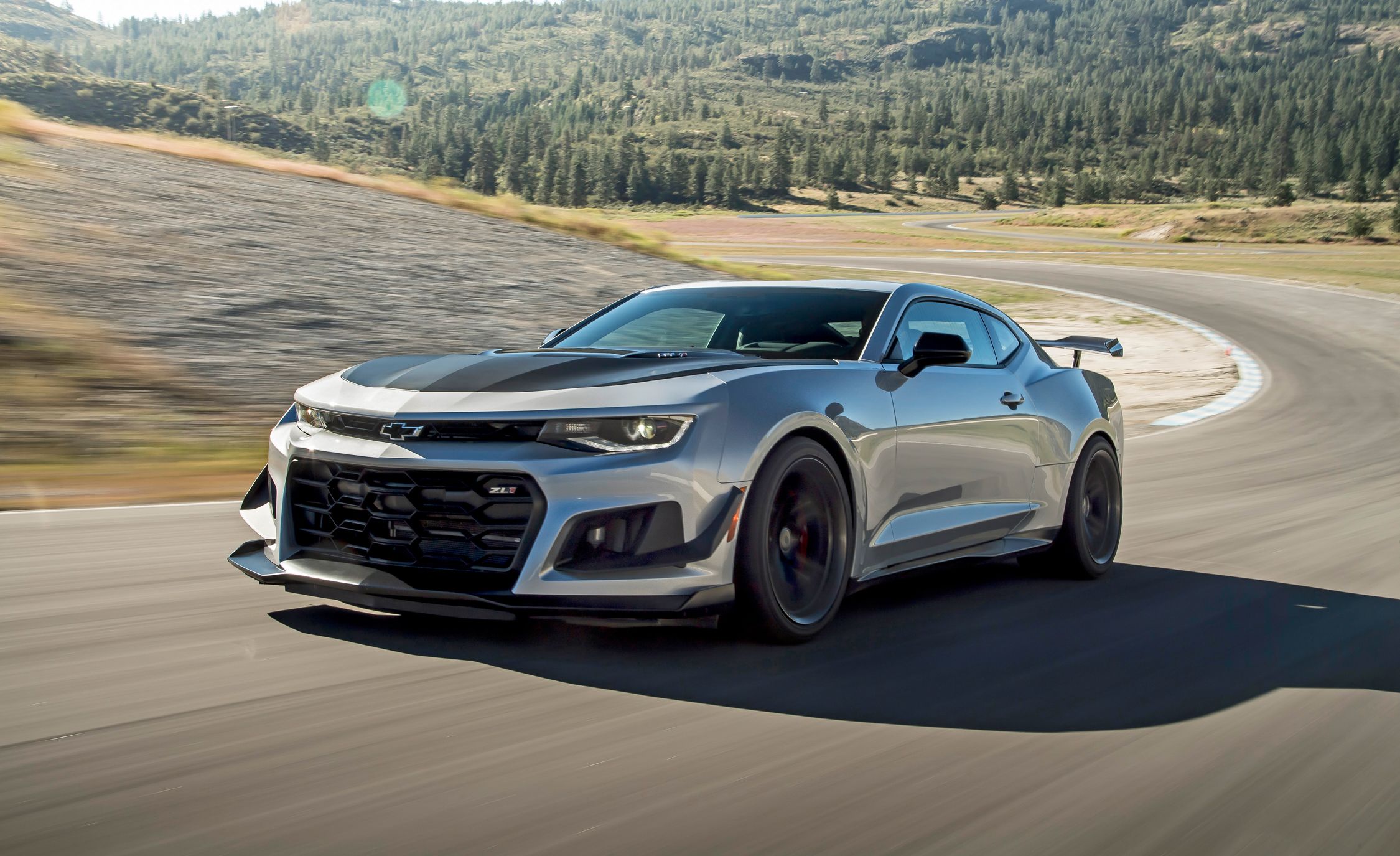
The Camaro ZL1 uses a supercharged LT4 engine producing 650 horsepower. Consequently, the ZL1 is significantly faster, achieving a 0-60 mph time of approximately 3.5 seconds. While the SS is a formidable street car, the ZL1 is a dedicated supercar-killer with a power advantage that becomes even more apparent at higher speeds.
Can I improve the 0-60 time with simple modifications?
Yes. The most effective "bang-for-your-buck" modification for 0-60 times is switching to a drag radial tire or a stickier street-legal competition tire. Beyond rubber, an aftermarket "cold air" intake and a custom ECU tune can unlock 20-30 additional horsepower, potentially shaving a tenth of a second off your time. However, be aware that tuning the ECU typically voids the powertrain warranty.
Is the 8-speed automatic as fast as the 10-speed?
The 8-speed automatic used in earlier SS models (2016-2018) is very capable, but the 10-speed is generally considered superior in both shift speed and reliability. Some 8-speed units were known for a "shudder" issue (often fixed by a specific fluid flush), whereas the 10-speed provides a smoother and more consistent performance profile for 0-60 sprints.
Does the Camaro SS have a "Burnout Mode"?
Yes, it is officially called "Line Lock." This feature, found in the performance menu, locks the front brakes while allowing the rear wheels to spin freely. This is intended to clean and heat the rear tires before a performance run at a sanctioned drag strip, which directly aids in achieving a better 0-60 mph time.
How does the convertible's 0-60 time compare to the coupe?
The convertible is slightly slower, usually by about 0.1 to 0.2 seconds. This is due to the additional weight of the power-folding top mechanism and the structural reinforcements required to maintain chassis rigidity without a fixed roof.
Final Recommendations for Owners
If you are looking to maximize the 0-60 performance of your Chevy Camaro SS in 2026, focus first on traction. No amount of horsepower will help if the car cannot hook. Ensure your tires have sufficient tread and are properly warmed. If you have the 10-speed automatic, utilize the "Sport" or "Track" modes to ensure the most aggressive shift maps are active. For those with manual transmissions, practice the "slip-clutch" technique rather than a hard "dump" to keep the engine in the power band while minimizing wheel spin. As a legacy performance icon, the Camaro SS remains one of the most cost-effective ways to experience sub-4-second acceleration.
Image Gallery