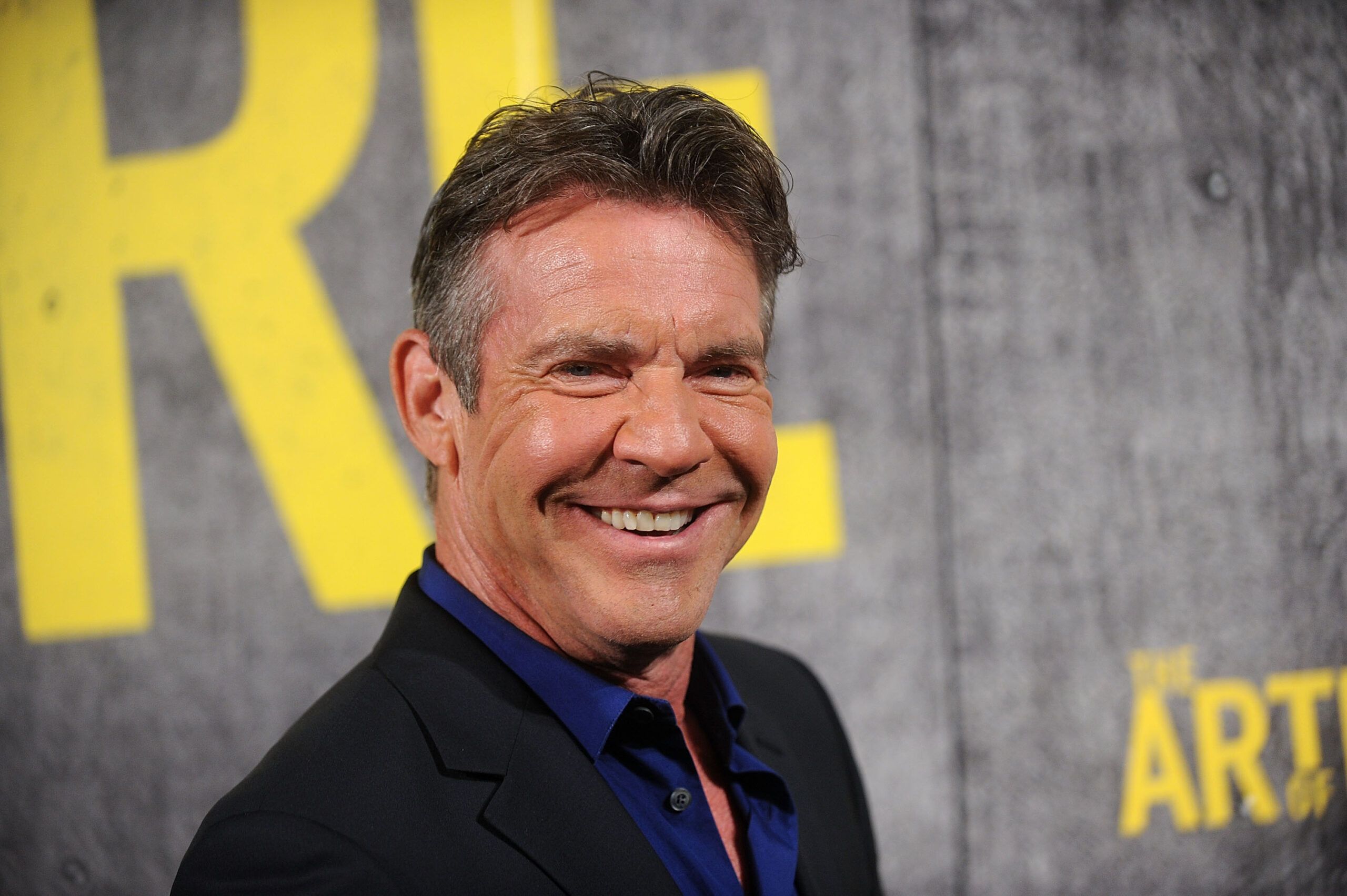
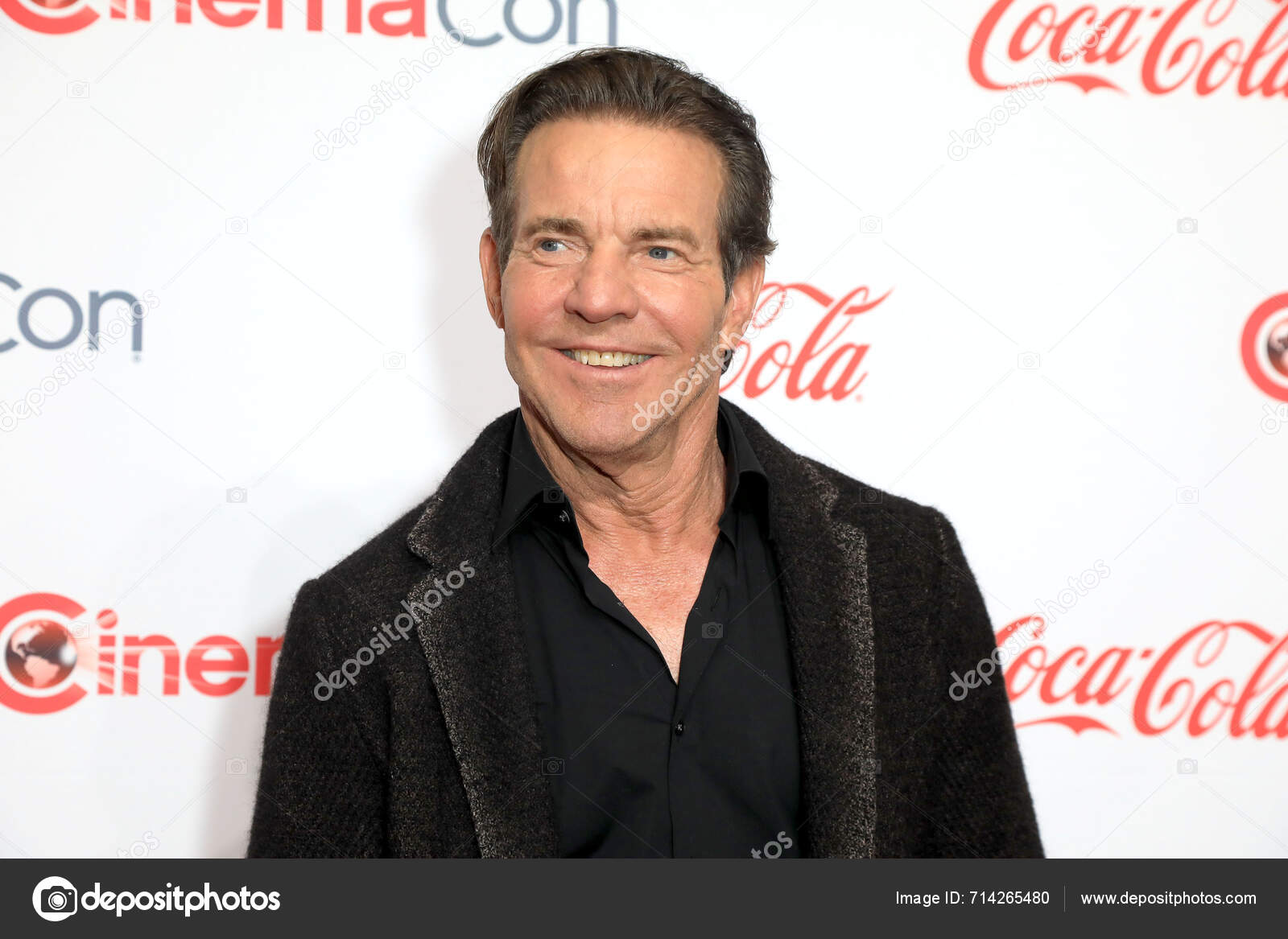
The Versatile Career and Enduring Influence of Actor Dennis Quaid
Dennis Quaid remains one of the most recognizable and adaptable figures in American cinema, with a career spanning over five decades. Known for his ability to transition seamlessly between gritty dramatic roles, high-stakes science fic...
Dennis Quaid remains one of the most recognizable and adaptable figures in American cinema, with a career spanning over five decades. Known for his ability to transition seamlessly between gritty dramatic roles, high-stakes science fiction, and lighthearted comedies, Quaid has solidified his status as an industry staple through consistent performances and a distinct, approachable screen presence.
Contents
The Foundation of a Hollywood Career
Born in Houston, Texas, in 1954, Dennis Quaid moved to Los Angeles in the 1970s to pursue acting, a path already being trodden by his older brother, Randy Quaid. His early professional years were marked by small but impactful appearances in television and film. It was his performance as the young, brash Gordon Cooper in the 1983 historical drama The Right Stuff that truly established him as a leading man of significant caliber.
This breakthrough role highlighted his capability to portray real-life historical figures with a blend of confidence and vulnerability. Throughout the 1980s and 1990s, he built upon this foundation by selecting roles that challenged his range. Whether playing a small-town sheriff, a retired athlete, or an intergalactic pilot, Quaid maintained a consistent commitment to character-driven storytelling, which often prioritized the emotional stakes of the script over mere blockbuster spectacle.
Iconic Genre Contributions and Range
A defining trait of Quaid’s filmography is his refusal to be pigeonholed into a single genre. His work in the 1980s solidified his status in science fiction and thriller categories, while his later career showcased an evolution into family-oriented films and prestige dramas.
Key performance benchmarks throughout his career include:
- Science Fiction: Enemy Mine (1985) and Innerspace (1987) demonstrated his willingness to work within complex production environments involving heavy special effects and creature makeup, proving his ability to anchor high-concept films.
- Drama: His portrayal of Doc Holliday in Wyatt Earp (1994) received significant critical acclaim, showcasing his ability to inhabit complex, darker archetypes.
- Family/Comedy: The 1998 remake of The Parent Trap introduced Quaid to a new generation of viewers, cementing his image as a versatile performer capable of balancing sentimentality with sharp comedic timing.
- Prestige Television and Recent Work: In the 2020s, Quaid has continued to balance major studio projects with character-focused roles, maintaining high professional output despite the changing landscape of media distribution.
Comparative Analysis of Performance Styles
Dennis Quaid’s approach to acting is often categorized by critics as "accessible intensity." Unlike method actors who may undergo total physical transformations, Quaid typically brings his own physicality and cadence to characters, grounding them in a sense of lived-in realism. The following table provides a snapshot of how his performances have varied across different production scales and genres.
| Project Type | Focus Area | Performance Approach | Industry Perception |
|---|---|---|---|
| Historical Drama | Accuracy & Legacy | Restrained, grounded, narrative-heavy | Respected for gravitas |
| Science Fiction | World-building | Highly interactive, reactive | Reliable lead for complex sets |
| Family Comedy | Charisma & Timing | Relatable, warm, expressive | Mainstream appeal |
| Independent Film | Character Depth | Experimental, vulnerable | Acclaimed for artistic range |
Navigating the Modern Entertainment Landscape
As of 2026, the entertainment industry is heavily defined by the hybridization of streaming and theatrical releases. For an established actor like Dennis Quaid, this shift requires a multi-faceted approach to project selection. Managing a legacy career in the current era involves participating in long-form serialized television—which allows for deeper character exploration than a 120-minute feature—while continuing to leverage theatrical presence for major studio tentpoles.
His career longevity is often attributed to his business acumen and his ability to evolve alongside the technological advancements in filmmaking. By embracing the shift toward digital production and the global reach of streaming platforms, Quaid has maintained relevance in an industry that frequently prioritizes younger demographics.
Challenges and Professional Resilience
The career of a long-standing actor is rarely without professional hurdles. Quaid has navigated the cyclical nature of Hollywood, where actors frequently move between being the "face" of a studio and taking supporting roles in ensemble pieces. His ability to accept roles in ensemble casts, such as in Traffic (2000) or The Day After Tomorrow (2004), has been instrumental in his sustained visibility. This strategic flexibility ensures he remains a primary choice for casting directors looking for talent that brings both name recognition and seasoned professional reliability to a set.
Frequently Asked Questions
What is considered Dennis Quaid's most critically acclaimed performance? While acclaim is subjective, his role as Doc Holliday in the 1994 film Wyatt Earp is frequently cited as a turning point in his career. Critics often praise the physical and emotional transformation he underwent to portray the character's decline and distinct persona.
How does Dennis Quaid handle the physical demands of action roles? Throughout his career, Quaid has emphasized physical fitness, which has allowed him to perform many of his own stunts in action-oriented roles. In modern productions, he collaborates closely with stunt coordinators and safety teams to ensure these scenes are executed safely while maintaining the visual integrity of the action.
Has Dennis Quaid moved into behind-the-scenes roles? Yes, Dennis Quaid has expanded his professional reach into production. By serving as an executive producer on various projects, he has gained greater influence over the creative direction and distribution of the content he works on, allowing for a more hands-on approach to his late-career output.
What advice does Quaid often give to aspiring actors? Quaid has frequently spoken in interviews about the necessity of persistence and the importance of viewing acting as a craft rather than just a pursuit of fame. He emphasizes that the ability to take direction and the discipline to handle rejection are the primary skills required for long-term viability in the entertainment industry.
Is Dennis Quaid active on social media as of 2026? Yes, Quaid uses professional social media channels to communicate with his audience, promote his latest film projects, and offer glimpses into his life outside of acting. This engagement has become a standard requirement for modern actors to maintain a direct line of communication with their fan base.
Strategic Considerations for Fans and Industry Observers
For those interested in the work of Dennis Quaid, the most effective way to track his current and upcoming projects is through professional databases such as IMDb or official studio announcements. Given the current 2026 production environment, fans should expect a mix of traditional cinema releases and digital-first content. When evaluating his recent work, viewers should look for the hallmarks of his craft: the ability to command a scene without overshadowing his co-stars and a consistent, grounded performance style that has remained a constant throughout his extensive filmography.
Image Gallery