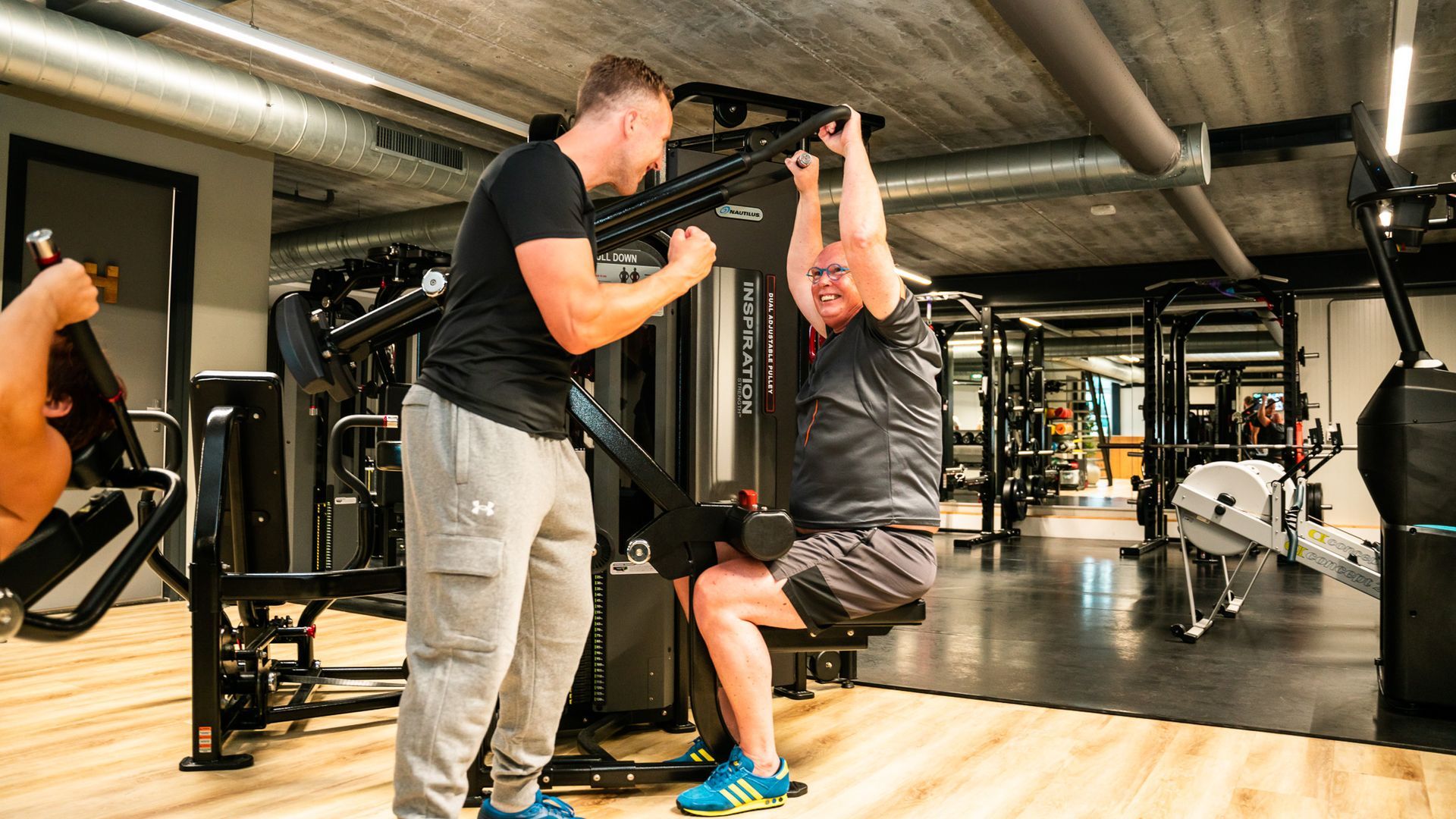
A Comprehensive Guide to Choosing an InShape Personal Trainer
Choosing an InShape personal trainer requires balancing professional certification, specialized expertise, and personal rapport to ensure your fitness program is both safe and effective. By verifying credentials through recognized nati...
Choosing an InShape personal trainer requires balancing professional certification, specialized expertise, and personal rapport to ensure your fitness program is both safe and effective. By verifying credentials through recognized national organizations, assessing the trainer’s experience with your specific goals, and evaluating the compatibility of their coaching style with your personality, you can establish a productive foundation for your health journey.
Contents
Understanding the Role of an InShape Personal Trainer
When you seek out a personal trainer, you are hiring a professional to navigate the complexities of human physiology, exercise programming, and nutritional guidance. An effective trainer does not merely count repetitions or provide a random selection of exercises; they act as a guide who understands periodization, biomechanics, and the psychological hurdles associated with physical transformation.
The term "InShape" implies a focus on body composition, functional mobility, and sustainable health habits. Therefore, the trainer you choose should prioritize long-term physical literacy over short-term intensity. A qualified professional will conduct an initial assessment—often including a health history questionnaire, a movement screen, and goal-setting sessions—before suggesting any training modality. This investigative phase is the hallmark of a trainer who prioritizes your long-term success over generic, "one-size-fits-all" workout templates.
Establishing Prerequisites: Credentialing and Legal Safety
Before engaging a trainer, you must verify their professional standing. In the fitness industry, anyone can technically call themselves a personal trainer, but professional excellence is defined by recognized accreditation. In 2026, you should look for certifications accredited by the National Commission for Certifying Agencies (NCCA), which sets the standard for competency in the United States.
Major organizations that hold this accreditation include:
- NASM (National Academy of Sports Medicine): Highly regarded for its focus on corrective exercise and evidence-based programming.
- ACE (American Council on Exercise): Known for its emphasis on behavior change and functional movement.
- NSCA (National Strength and Conditioning Association): Typically associated with high-level strength and conditioning, ideal for those interested in athletic performance.
- ACSM (American College of Sports Medicine): Often prioritized for trainers who work with clinical or special populations due to their rigorous, science-heavy curriculum.
Beyond certifications, ensure the individual carries professional liability insurance. While you are not responsible for their business management, a trainer who maintains insurance demonstrates a level of professional maturity and adherence to safety protocols. If you have any pre-existing medical conditions, it is critical to consult your primary care physician before beginning a new regimen. A reputable trainer will always request a medical release if you present with known chronic conditions or acute injuries.
Identifying Your Fitness Objectives
Your choice of a trainer should be dictated by your specific needs. Not all fitness professionals possess the same skill set; a specialist in powerlifting may be less effective at helping an individual with limited mobility or a goal of post-rehabilitative strength.
Define your goals clearly before you begin the interview process:
- Weight Loss and Body Composition: Focus on trainers who understand metabolic health, hypertrophy, and nutritional coaching within their legal scope of practice.
- Performance and Athletics: Seek a trainer with experience in explosive power, agility, and sport-specific programming.
- Corrective Exercise and Mobility: Look for credentials specifically in mobility, posture analysis, or therapeutic exercise.
- Special Populations: If you are over 65 or managing a specific health condition, prioritize trainers with advanced certifications for aging adults or chronic disease management.
The Selection Matrix: Comparing Potential Trainers
When evaluating candidates, use the following comparison framework to structure your assessment. This table highlights key attributes that separate average trainers from high-level professionals.
| Criteria | High-Quality Trainer | Baseline/Cautionary |
|---|---|---|
| Assessment | Conducts movement screening and health audit | Starts with a standard workout immediately |
| Communication | Explains the "why" behind each exercise | Commands "just do this" without reasoning |
| Personalization | Adapts program based on your feedback/fatigue | Uses the same template for every client |
| Credentials | NCCA-accredited certification + CPR/AED | Uncertified or non-accredited certificate |
| Boundary Setting | Recommends doctors/dietitians for concerns | Attempts to diagnose or prescribe diets |
Interviewing Potential Candidates
The "interview" is often a simple consultation, but you must approach it with specific questions. Do not be afraid to be inquisitive; you are the consumer. Ask the candidate how they manage training plateaus. A professional will explain the concept of progressive overload—the gradual increase of stress placed on the body during exercise—and how they adjust volume and intensity over time.
Ask how they track progress. A trainer who does not measure your data—whether through body composition tracking, strength logs, or subjective performance metrics—is effectively working in the dark. You cannot manage what you do not measure, and your trainer should be able to show you a plan that tracks your trajectory over weeks and months, not just session by session.
Avoiding Common Pitfalls
One of the most frequent mistakes when choosing an InShape personal trainer is prioritizing personality over technical capability. While you need to like your trainer, "being nice" is not a substitute for proper exercise prescription. Be wary of trainers who promise rapid results, such as "dropping two dress sizes in two weeks" or extreme fat loss guarantees. These are marketing tactics that ignore physiological reality and often lead to injury or unsustainable burnout.
Furthermore, ensure the trainer respects your boundaries. A professional should never force an exercise that causes pain. While muscle soreness (Delayed Onset Muscle Soreness, or DOMS) is a common byproduct of training, sharp, shooting, or joint-specific pain is a sign of improper form or excessive load. If your trainer ignores these signals, it is time to find a new professional.
Ongoing Evaluation and Troubleshooting
Once you have selected a trainer, the partnership is not static. Perform a performance audit every four to six weeks. Ask yourself:
- Am I seeing progress toward my defined goals?
- Do I feel more empowered and knowledgeable about my body?
- Is the trainer listening to my physical feedback?
If you feel stagnant, do not immediately assume the trainer is poor. Communicate your feelings. Sometimes, a simple pivot in training focus or a change in exercise selection can reignite progress. However, if communication fails and your needs remain unmet, you have every right to terminate the agreement and search for a new practitioner.
Frequently Asked Questions
How much does a qualified personal trainer cost? Costs vary widely by region, facility, and the trainer’s experience level. In 2026, you can generally expect to pay anywhere from $60 to $150 per session. Prices are typically lower when purchasing packages of 10–20 sessions, but always read the contract carefully regarding cancellation policies and expiration dates.
Do I need a gym membership to work with a trainer? It depends on the trainer’s business model. Some trainers work out of commercial gyms and require a membership; others operate private studios, offer in-home training, or provide remote coaching. Confirm the location requirements during your initial consultation.
How often should I train with a professional? Frequency depends on your budget, experience, and goals. Most people find success with 1–3 sessions per week. A trainer’s value is often in teaching you how to perform movements correctly, which you then practice independently, or in providing the accountability necessary to maintain a consistent routine.
Can a trainer provide me with a meal plan? In most jurisdictions, personal trainers are not legally permitted to prescribe specific medical diets or meal plans unless they are also Registered Dietitians (RD). They can provide general nutritional guidance, such as the principles of macronutrient balance or portion control, but any specific prescriptive diet should come from a qualified medical nutritionist.
What is the best way to verify a certification? Every major certifying body maintains an online registry. Simply ask for the trainer’s full name and their certification ID number, then visit the official website of the certifying organization (such as NASM.org or ACEfitness.org) to perform a verification check.
Final Next Action
Your immediate next step is to list your three primary fitness goals and identify two facilities in your area. Contact them to request a consultation with their lead trainer. Use the questions provided in this guide to interview the candidate, and do not commit to a long-term contract until you have completed at least one trial session to assess their coaching style and technical expertise in person.
Image Gallery