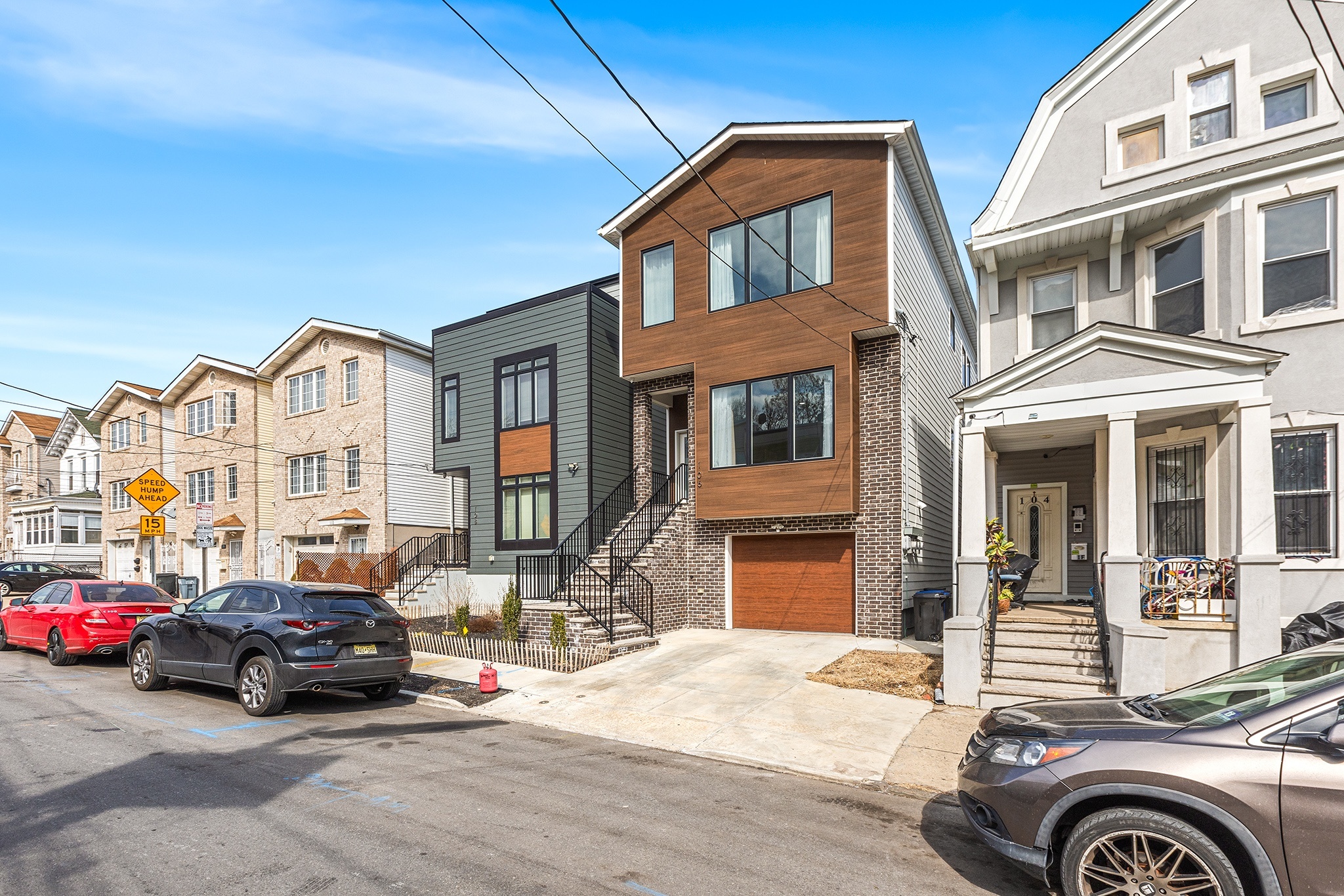
Comprehensive Guide to New Jersey Houses and Real Estate Markets in 2026
Navigating the New Jersey housing market requires a nuanced understanding of regional variances, commuting corridors, property tax structures, and architectural diversity. Whether you are looking for a historic Victorian along the shor...
Navigating the New Jersey housing market requires a nuanced understanding of regional variances, commuting corridors, property tax structures, and architectural diversity. Whether you are looking for a historic Victorian along the shore, a suburban split-level near top-tier school districts, or a high-rise condominium with rapid transit access to Manhattan, the Garden State offers micro-markets with distinct advantages and challenges.
Contents
Macroeconomic Overview of the New Jersey Housing Market for 2026
The New Jersey real estate landscape in 2026 continues to experience sustained buyer demand driven by out-of-state migration from New York and Philadelphia, combined with a persistent inventory shortage. Mortgage interest rates have stabilized into a predictable corridor, yet competition remains fierce for turnkey properties in transit-oriented developments and desirable suburban enclaves.
Buyers must account for structural economic factors that dictate property values and long-term ownership costs across the state's 21 counties. Understanding municipal zoning, property assessments, and geographic positioning is essential for executing a successful purchase or sale.
Regional Price Variations and Municipal Real Estate Tiers
Property values in New Jersey are heavily dictated by proximity to major employment hubs, commuter rail lines, and coastal access. The market can be broadly segmented into four distinct geographic tiers:
- The Platinum Commuter Belt (Hudson, Bergen, Essex, and Union Counties): Characterized by high density, rapid transit access via NJ Transit and PATH, and premium price points. Towns like Montclair, Ridgewood, Hoboken, and Summit command top-tier pricing due to exceptional school systems and short commutes to Midtown and Lower Manhattan.
- The Central Corridor & Research Hubs (Middlesex, Mercer, and Somerset Counties): Anchored by major pharmaceutical headquarters, higher education institutions like Princeton University, and robust biotechnology sectors. Housing stock consists largely of mid-century colonials, townhomes, and planned communities.
- The Jersey Shore and Coastal Enclaves (Monmouth, Ocean, Atlantic, and Cape May Counties): Dominated by waterfront properties, seasonal homes, and luxury coastal developments. Flood zone designations, elevation requirements, and coastal insurance regulations heavily influence property valuations here.
- The Southern Rural and Suburban Fringe (Burlington, Camden, Gloucester, and Salem Counties): Offering higher square footage and acreage for lower price points, this region serves as a primary affordable alternative for buyers commuting into Philadelphia or local regional centers.
Comparative Analysis of New Jersey Housing Types
Choosing the right architectural style and property structure in New Jersey depends on lifestyle preferences, maintenance budgets, and long-term investment horizons. The following table contrasts the primary housing types available in the state:
| Housing Type | Typical Price Range (2026) | Primary Advantages | Key Maintenance / Ownership Considerations |
|---|---|---|---|
| Single-Family Colonial / Split-Level | $550,000 - $1,400,000+ | Maximum privacy, independent yard space, strong appreciation potential in good school districts. | Full roof-to-foundation maintenance responsibility, higher utility costs, extensive lawn care. |
| Townhouse / Planned Unit Development (PUD) | $350,000 - $800,000 | Exterior maintenance covered by association, community amenities (pools, clubhouses), security. | Monthly HOA fees, architectural restrictions, shared party walls. |
| Urban High-Rise Condominium | $450,000 - $2,500,000+ | Walkability, 24/7 concierge, proximity to train stations and urban dining/nightlife. | High monthly maintenance fees, master insurance policy constraints, potential special assessments. |
| Historic Victorian / Craftsman | $400,000 - $1,200,000 | Unique architectural character, original millwork, high desirability in historic districts. | Potential asbestos, lead paint, knob-and-tube wiring, historical commission renovation restrictions. |
The New Jersey Homebuying Process: A Step-by-Step Guide
Securing a property in a competitive state like New Jersey requires a disciplined, legally compliant approach. Real estate transactions in the state are governed by strict statutory guidelines and mandatory attorney review periods.
- Financial Preparation and Pre-Approval: Consult with a licensed mortgage originator to review credit scores, debt-to-income ratios, and asset reserves. Obtain a verified pre-approval letter—not just a pre-qualification—before touring properties.
- Engaging Local Representation: Retain an experienced local buyer's agent who understands hyper-local bidding dynamics, municipal zoning laws, and unlisted pocket inventory. Simultaneously, select a New Jersey real estate attorney.
- Property Search and Tour Execution: Utilize MLS databases while keeping a close eye on property tax history, flood zone maps (FEMA flood insurance rate maps), and municipal redevelopment plans.
- Offer Submission and Negotiation: Submit a formal contract of sale through your agent. Upon seller acceptance, the standard three-day attorney review period begins, during which legal counsel can modify contract terms or cancel the agreement without penalty.
- Due Diligence and Home Inspections: Hire a licensed home inspector to evaluate structural integrity, radon levels (prevalent in many New Jersey granite bedrock regions), oil tanks (underground storage tank sweeps are mandatory best practices), termites, and mold.
- Appraisal and Underwriting: The lender orders an independent appraisal to confirm market value. Submit all requested financial updates promptly to clear underwriting.
- Closing of Title: Conduct a final walkthrough 24 hours prior to closing. Sign final loan documents, disburse funds via wire transfer, and record the deed at the county clerk's office.
Understanding New Jersey Property Taxes and Municipal Assessments
New Jersey consistently ranks among the states with the highest effective property tax rates in the nation. Property taxes are levied locally by municipalities, school districts, and county governments to fund public services and education.
Important Financial Consideration: Buyers must review the specific property record card at the municipal tax assessor's office. An assessment does not always reflect current market value, and purchasing a home at a high price point can trigger a municipal tax appeal or re-assessment by the town, altering your monthly escrow payments significantly.
Key Factors Impacting Property Holding Costs
- School District Funding: Towns with highly rated public school systems generally exhibit higher equalized tax rates, which paradoxically support long-term property value stability and appreciation.
- PILOT Programs: Some urban redevelopments utilize Payments in Lieu of Taxes (PILOT), which can temporarily freeze or lower property tax burdens for a specified timeframe.
- Tax Appeals: Homeowners have the legal right to file annual tax appeals if they believe their municipal assessment exceeds the true market value of the home based on recent comparable sales.
Pros and Cons of Investing in New Jersey Real Estate
Expert Insight: Evaluating a New Jersey real estate purchase requires weighing the high upfront and ongoing costs against unmatched structural advantages like geographic centrality, economic resilience, and top-tier educational infrastructure.
Advantages
- Strategic Location: Direct access to New York City and Philadelphia financial and cultural markets supports enduring economic stability.
- Educational Excellence: Numerous New Jersey public high schools consistently rank in the top tier nationwide, driving continuous family migration into suburban districts.
- Diverse Infrastructure: Extensive commuter rail networks, highway systems (Garden State Parkway and New Jersey Turnpike), and international airports (Newark Liberty) make travel seamless.
Disadvantages
- High Carrying Costs: Property taxes, high insurance premiums in coastal and flood-prone zones, and elevated municipal fees create significant ongoing overhead.
- Aging Housing Stock: A large percentage of single-family homes date back to the mid-20th century or earlier, frequently requiring costly environmental remediation (lead, asbestos, underground oil tanks) and structural updates.
- Inventory Constraints: High demand coupled with geographic limitations creates perpetual multi-offer environments for well-priced homes.
Frequently Asked Questions About New Jersey Houses
What is the attorney review period in New Jersey real estate transactions?
The attorney review period is a mandatory three-business-day window that begins immediately after both buyer and seller have signed a real estate contract. During this time, either party's attorney may review, object to, or cancel the contract for any reason without financial penalty.
Are underground oil tanks common in New Jersey homes, and how do I check for them?
Yes, many older New Jersey homes constructed before the mid-1980s utilized underground heating oil storage tanks. Buyers should always hire a specialized environmental company to perform an underground tank sweep and soil test to avoid catastrophic environmental liability.
How are property taxes calculated in New Jersey?
Property taxes are calculated by multiplying the assessed value of the property by the local municipal tax rate, which is established annually to cover the combined budgets of the local government, school district, and county.
Do I need special insurance for buying a home near the Jersey Shore?
Properties located in designated coastal zones or near tidal waterways typically require separate flood insurance through the National Flood Insurance Program (NFIP) or private carriers, as standard homeowner insurance policies explicitly exclude flood damage.
What should I look for during a New Jersey home inspection?
Beyond standard structural, roof, and plumbing inspections, New Jersey buyers should specifically test for radon gas, wood-destroying insects (termites), mold in damp basements, and the integrity of sewer lines using a video camera scope.
Can out-of-state buyers easily purchase investment properties in New Jersey?
Yes, out-of-state buyers frequently invest in New Jersey multi-family and single-family rental properties, though engaging a reliable local property management company is highly recommended to handle municipal landlord registration requirements and tenant ordinances.
Image Gallery