How to Choose the Best Men's Workout Shoes for Your Training Style
Choosing the best men's workout shoes requires matching your footwear's structural features—specifically heel-to-toe drop, sole density, lateral support, and forefoot flexibility—to your primary training discipline. Whether lifting hea...
Choosing the best men's workout shoes requires matching your footwear's structural features—specifically heel-to-toe drop, sole density, lateral support, and forefoot flexibility—to your primary training discipline. Whether lifting heavy weights, executing high-intensity functional fitness, or tackling hybrid treadmill sessions, selecting the correct shoe enhances stability, optimizes force transfer, and reduces your risk of lower-limb injury.
Contents
Understanding Biomechanics: Why One Shoe Does Not Fit Every Workout
Footwear serves as the interface between your kinetic chain and the ground. Every physical movement—whether a barbell back squat, a lateral shuffle, or a box jump—generates ground reaction forces. The degree to which your shoe absorbs, translates, or redirects those forces dictates both performance efficiency and joint alignment.
When you perform heavy strength exercises like squats or deadlifts, foot stability is paramount. The foot contains 26 bones, 33 joints, and over 100 muscles, tendons, and ligaments working together to establish a tripod base of support (the heel, the first metatarsal head, and the fifth metatarsal head). High-cushioned running shoes with squishy midsoles compress under load, creating an uneven surface that destabilizes this tripod. This instability forces the ankle, knee, and hip joints to compensate, often leading to improper movement mechanics and energy leakage.
Conversely, dynamic agility drills and high-intensity interval training (HIIT) demand multidirectional stability and impact dampening. A rigid, heavy weightlifting shoe lacks the torsional flexibility needed for sprinting, jumping, or changing directions quickly. Therefore, understanding the distinct biomechanical demands of your training routine is the essential first step in selecting the proper shoe.
Key Technical Specifications Explained
Before evaluating individual footwear models, you must understand the technical metrics manufacturers use to describe workout shoes:
- Heel-to-Toe Drop (Offset): The height difference between the heel cushion and the forefoot cushion, measured in millimeters. A higher drop (8–12+ mm) shifts weight toward the toes and reduces stress on the Achilles tendon, whereas a low or zero drop (0–4 mm) promotes a neutral foot alignment and encourages natural ankle mobility.
- Midsole Durometer (Density): The measure of foam hardness. High-density, firm midsoles (high durometer) offer maximal power transfer for lifting, while lower-density, softer midsoles (low durometer) provide shock absorption for running and jumping.
- Stack Height: The total thickness of shoe material between your foot and the ground. Low stack heights increase ground feel and lateral stability, while high stack heights offer greater cushioning at the expense of proprioception.
- Torsional Rigidity: The shoe's resistance to twisting along its longitudinal axis. High torsional rigidity prevents foot rollover during sharp lateral cuts, whereas high torsional flexibility allows the foot to move naturally through multi-planar foot strikes.
Key Anatomical and Technical Features to Evaluate
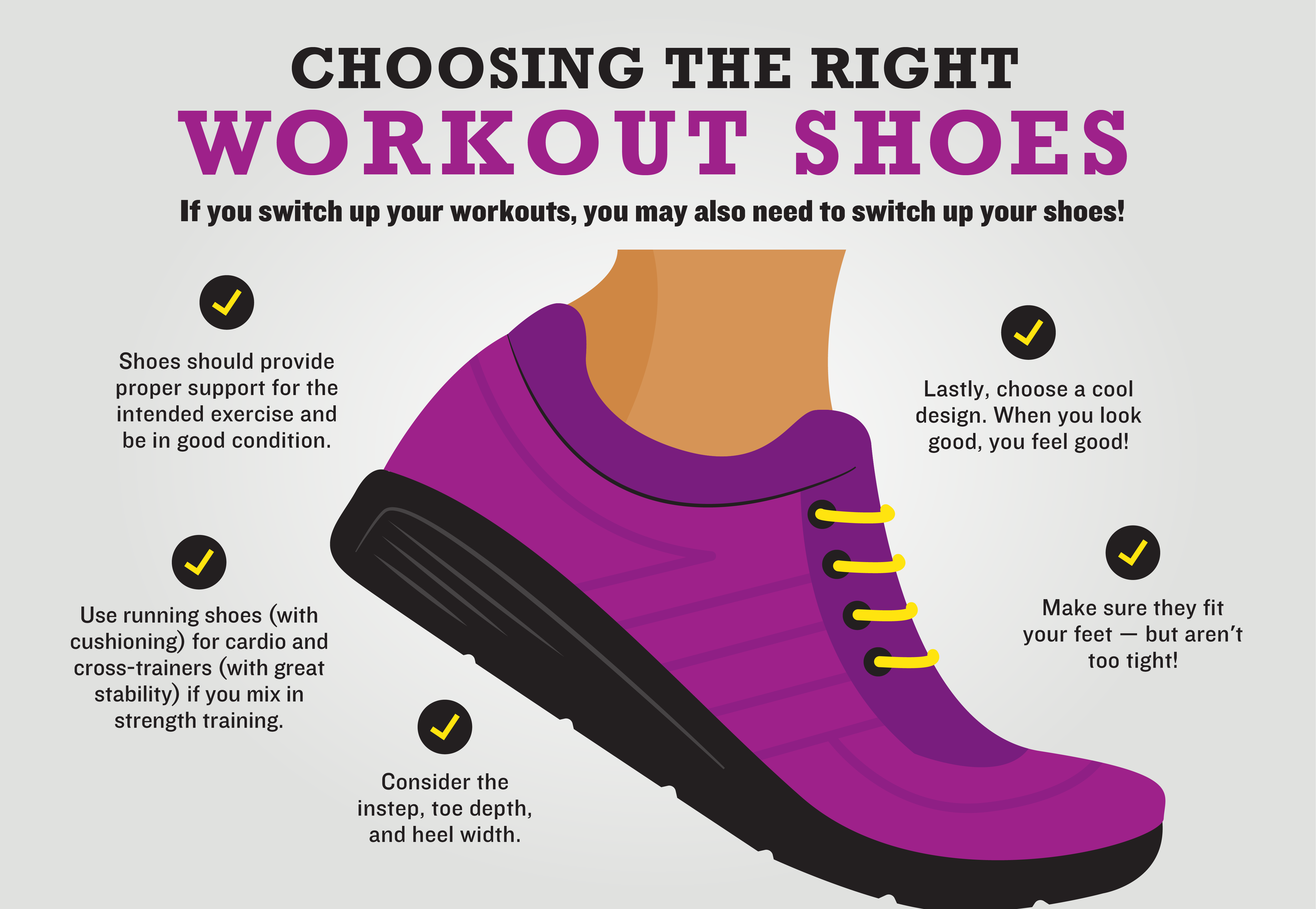
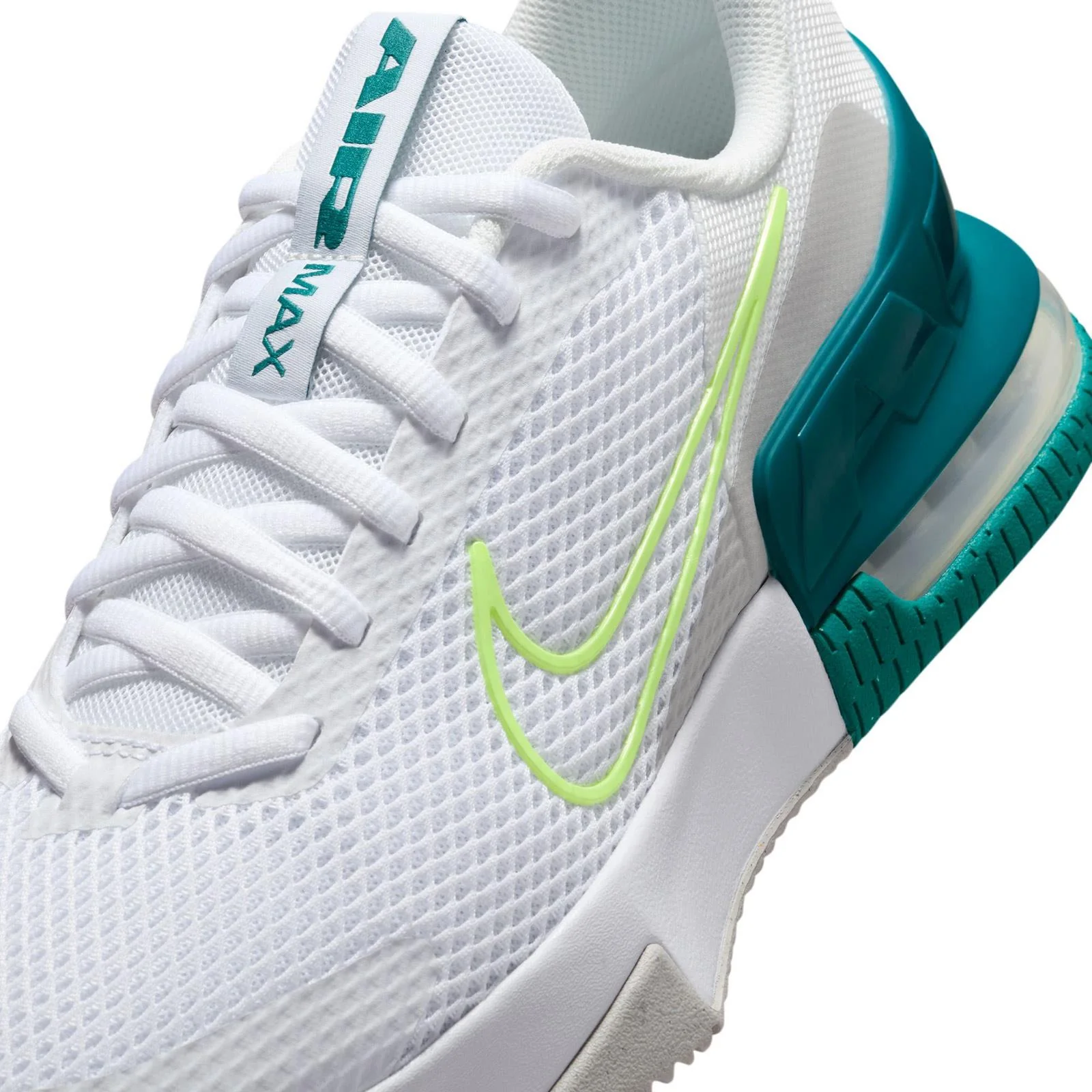
When shopping for men's workout shoes, evaluate the upper, midsole, and outsole construction against your body's structural needs and exercise selection.
1. Midsole Composition and Compression Resistance
The midsole is the engine of the shoe. Modern athletic shoes utilize various polymer compounds:
- Ethylene-Vinyl Acetate (EVA): A standard, lightweight foam that balances cushioning and responsiveness. Standard EVA compresses over time under heavy barbell loads.
- Thermoplastic Polyurethane (TPU): Dense, durable, and highly resistant to compression. TPU is frequently molded into rigid heel cups or solid wedge blocks for lifting shoes to maximize force delivery into the floor.
- Nitrogen-Infused and Supercritical Foams: Advanced foams engineered for maximal energy return during running. While excellent for cardio, these high-rebound foams are generally too soft for heavy load-bearing exercises.
2. Outsole Rubber Compounds and Tread Patterns
Traction requirements vary dramatically based on floor surface and exercise selection. Indoor gym turf, wet rubber matting, wooden platform lifting areas, and concrete require different rubber formulations.
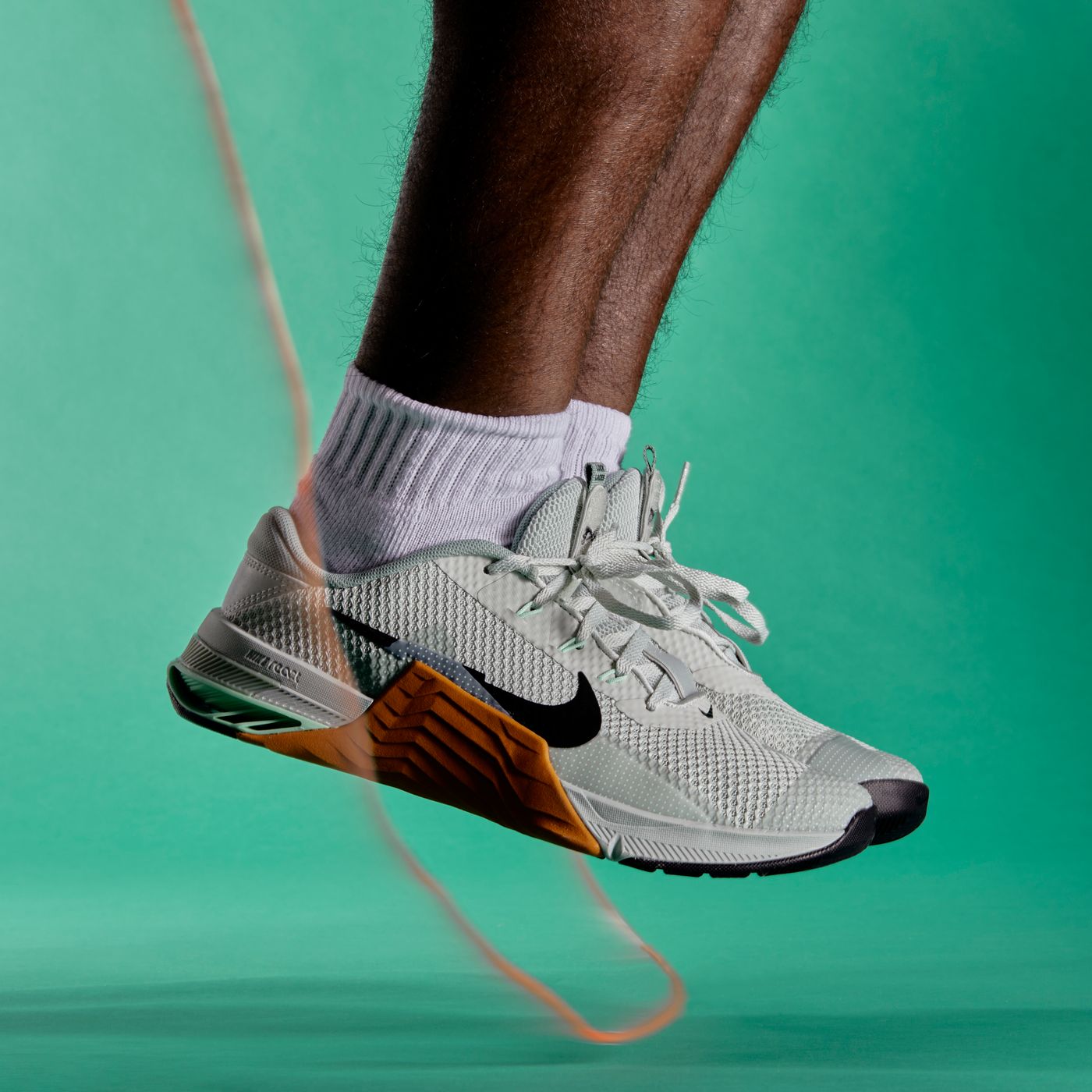
Look for high-abrasion, sticky rubber compounds with multi-directional tread geometry. If your routine includes rope climbs, ensure the outsole features an extended medial and lateral wrap (often called a rope guard) around the midfoot to prevent friction burn and sole shearing.
3. Upper Materials and Foot Lockdown
The upper must secure the foot firmly over the midsole platform to prevent internal slippage. Key upper materials include:
- Engineered Mesh: Provides high breathability and moderate stretch, ideal for general cross-training and sweat management.
- Ripstop and Kevlar-Reinforced Weaves: Highly durable fabrics designed to withstand abrasive friction from barbell knurling, box edges, and ropes.
- TPU Overlays and Midfoot Cages: External structural webbing that locks the midfoot down, preventing the foot from sliding sideways during lateral movements.
- Toe Box Shape: A anatomical, wide toe box allows the toes to splay under heavy load, expanding your base of support and facilitating natural foot function.
Selecting Footwear by Primary Workout Category
Because no single shoe excels across all modalities, classify your routine by its primary exercise loading patterns.
- Determine Primary Gym Focus
- Heavy Lifting (Powerlifting & Weightlifting)
- Solid TPU Wedge
- 0-4mm Drop Base
- Zero Compression
- Functional (CrossFit / HIIT / Turf)
- 4-6mm Drop
- Durable Mesh
- Rubber Wrap
- Cardio / Agility (Sprinting / Treadmill / Plyo)
- Flexible Forefoot
- Soft EVA Cushion
- Low Stack Height
- Heavy Lifting (Powerlifting & Weightlifting)
1. High-Intensity Functional Fitness & CrossFit
Functional fitness demands a hybrid construction capable of handling short sprints, heavy cleans, rope climbs, and box jumps within a single workout session.
- Heel-to-Toe Drop: 4 mm to 6 mm. This moderate offset provides enough heel lift to aid ankle dorsiflexion during squatting while remaining flat enough for stable deadlifting and running.
- Midsole: Dual-density construction. Firm TPU or hard EVA in the heel for lifting stability, paired with slightly softer foam in the forefoot for spring during plyometrics.
- Key Features: Wide toe box for toe splay, high-abrasion rubber wraps along the arch, and structured heel counters to eliminate foot slippage.
2. Olympic Weightlifting and Powerlifting
Strength-dedicated footwear prioritizes unyielding structural support over comfort and flexibility.
- Heel-to-Toe Drop: 15 mm to 22 mm (0.6 to 0.75+ inches) for Olympic weightlifting shoes; 0 mm to 4 mm for dedicated deadlifting shoes.
- Midsole: Rigid TPU, wood, or dense non-compressible resin. Absolutely zero soft foam cushion.
- Key Features: One or two thick metatarsal hook-and-loop straps across the midfoot to lock the foot into the footbed, rigid outer heel counters, and flat, sticky rubber outsoles.
The raised heel in Olympic weightlifting shoes reduces the ankle dorsiflexion angle required to achieve a deep squat depth, allowing lifters to keep their torso upright and maintain better spinal alignment under load. For evidence-based recommendations on exercise mechanics and lower-body joint load, consult guidelines from the National Strength and Conditioning Association.
3. General Gym, HIIT, and Hybrid Cardio
If your routine consists of dumbbell training, cable machines, bodyweight circuits, and 15–20 minutes of treadmill or rower cardio, choose a versatile cross-trainer.
- Heel-to-Toe Drop: 6 mm to 8 mm.
- Midsole: Medium-density EVA foam that absorbs light landing impacts without feeling spongy under moderate weights (up to 1.5x body weight).
- Key Features: Lightweight breathable mesh uppers, flexible forefoot grooves (flex grooves) to accommodate natural foot roll during running, and moderate lateral containment.
4. Agility, Court, and Plyometric Training
Fast lateral shuffling, ladder drills, cone drills, and jump training demand low stack heights and maximum lateral integrity.
- Heel-to-Toe Drop: 4 mm to 8 mm.
- Midsole: Low-profile, high-rebound cushioning with wide outer outriggers.
- Key Features: Extended lateral sidewalls to prevent ankle rollover, reinforced toe caps for quick stops, and multi-directional herringbone or hexagonal tread patterns.
Technical Comparison of Men's Workout Shoe Categories
The following matrix compares structural parameters across the primary categories of men's training shoes:
| Shoe Category | Typical Heel Drop (mm) | Midsole Compression Resistance | Lateral Stability | Forefoot Flexibility | Primary Intended Use |
|---|---|---|---|---|---|
| Olympic Weightlifting | 15 mm – 22 mm | Extreme (Incompressible) | Exceptional | Very Low | Heavy Squats, Cleans, Snatching, Overhead Press |
| Functional Fitness / CrossFit | 4 mm – 6 mm | High (Dual-Density) | High | Moderate | Olympic Lifts, Box Jumps, Rope Climbs, Short Sprints |
| Cross-Trainer / General Gym | 6 mm – 8 mm | Moderate | Moderate | High | Machine Weights, Dumbbells, HIIT, Light Treadmill |
| Barefoot / Minimalist | 0 mm | Low (Thin Rubber/Foam) | High (Natural Base) | Maximum | Deadlifts, Kettlebell Work, Barefoot Mechanics |
| Hybrid Cardio / Running | 8 mm – 12 mm | Low to Moderate (High Cushion) | Low to Moderate | High | Treadmill, Road Running, High-Impact Cardio |
Step-by-Step Guide: How to Fit and Test Workout Shoes
Proper sizing involves more than matching your standard dress shoe size. Feet expand dynamically during exercise due to increased blood flow and impact load. Follow this step-by-step protocol to ensure a precise fit.
- Step 1: Measure Brannock Length & Width (Late Afternoon)
- Step 2: Wear Primary Athletic Socks & Inserts
- Step 3: Verify Midfoot & Heel Lock (Zero Slippage)
- Step 4: Check Forefoot Clearance (Thumb-width Space)
- Step 5: Perform Dynamic Movement Tests (Squat, Lunge, Lateral Hop)
Step 1: Measure Foot Dimensions Late in the Day
Always try on athletic footwear in the late afternoon or evening. Your feet naturally swell by up to half a shoe size throughout the day due to gravity and physical activity. Measure both length and foot width using a Brannock Device, paying attention to your arch length (the distance from the heel to the ball of the foot).
Step 2: Bring Your Actual Training Gear
Wear the exact socks you plan to use during training (e.g., thin performance socks, thick compression socks). If you use custom orthotics or aftermarket insoles, remove the factory footbed of the test shoe and insert your orthotic to verify heel cup volume and instep fit.
Step 3: Check Toe Clearance and Width
Stand up straight to load your full body weight into the shoes. You should have approximately one thumb's width (about 0.5 inches or 1.2 cm) between your longest toe and the end of the shoe cap. Your toes should lay flat and be able to splay outward without pushing forcefully against the lateral mesh seam.
Step 4: Perform Movement and Lockdown Tests
Do not merely walk in a straight line. Perform the following four movement evaluations inside the store or home test area:
- Deep Bodyweight Squat: Check if your heels stay locked into the heel cup without lifting out of the shoe. Feel whether the sole remains flat and anchored.
- Lateral Skater Hops: Jump side-to-side to test lateral upper support. If your foot spills over the edge of the midsole, the shoe lacks adequate lateral containment or is too narrow.
- Standing Calf Raises: Drive up onto your metatarsals. The shoe should flex smoothly at the ball of the foot without pinching the top of your toes.
- Forefoot Brake: Push forward hard on your forefoot. Your toes should not slam into the front cap of the shoe; the midfoot lacing system must hold your instep firmly back.
Common Selection Mistakes to Avoid
- Lifting Heavy in High-Cushioned Running Shoes: Soft running midsoles compress unevenly under heavy loads like back squats or deadlifts. This instability degrades mechanical advantage and increases shear stress on the knees and lower back.
- Assuming Expensive Means Superior: Price often reflects brand licensing, upper textile aesthetics, or specialized running tech rather than structural durability for gym work. Base your selection on technical metrics (drop, midsole density) rather than cost alone.
- Ignoring Arch and Foot Shape: Buying a narrow, highly structured cross-trainer when you have a flat, wide foot can cause foot cramping and plantar fascia strain. Choose shoes with anatomical toe boxes if your feet splay widely.
- Overestimating Single-Shoe Versatility: Expecting one shoe to perform flawlessly across a 5-mile road run and a 400-lb deadlift session forces dangerous biomechanical compromises. If your training is varied, consider maintaining a two-shoe rotation (e.g., a dedicated running shoe plus a firm cross-trainer).
- Using Worn-Out Shoes Past Their Functional Life: Midsole foams degrade long before the tread fully wears off. Cross-training shoes generally lose structural lateral integrity and midsole density after 80 to 120 hours of gym use or 300–500 miles of equivalent impact load.
Frequently Asked Questions
Can I use my standard running shoes for weightlifting and HIIT?
Standard running shoes are designed primarily for forward propulsion and shock attenuation. Their high stack height, soft foam, and elevated heel-to-toe drop make them unstable for heavy weightlifting and lateral gym movements. For safety and performance, use a shoe with a firm, low-profile midsole for lifting and functional fitness.
What heel-to-toe drop is best for men's strength training?
For general strength training and powerlifting, a low drop of 0 mm to 4 mm is ideal because it keeps your foot flat against the floor, maximizing heel drive and posterior chain engagement. However, if you perform deep Olympic squats or have limited ankle dorsiflexion, an elevated heel drop of 15 mm to 22 mm can help maintain an upright torso.
How often should men replace their workout shoes?
Workout shoes should generally be replaced every 8 to 12 months with consistent use (3–4 days per week), or roughly every 80 to 120 gym hours. Signs that your shoes need replacing include visible creasing/wrinkling in the midsole foam, reduced lateral support, inner heel fabric breakdown, or uneven wear on the rubber outsole.
Are barefoot or minimalist shoes safe for gym workouts?
Barefoot shoes (0 mm drop, ultra-thin soles, wide toe box) can be safe and beneficial for heavy deadlifts, kettlebell swings, and foot muscle strengthening. However, they require a gradual transition period to build intrinsic foot strength and calf flexibility. They provide zero impact attenuation, so they are not recommended for high-impact plyometrics or high-volume jump rope training without proper adaptation.
Why do weightlifting shoes have metatarsal straps?
Metatarsal straps pull the midfoot downward and backward into the heel cup of the shoe. This extra lockdown eliminates internal foot movement during explosive movements like cleans, snatches, and heavy squats, ensuring complete transfer of force directly into the ground without energy loss.
Actionable Next Steps: Finding Your Ideal Pair
To narrow down your search and select the best workout shoes for your needs, follow this simple decision path:
- Audit Your Workout Routine (80/20 Rule): Identify the activity that makes up 80% of your gym time. If it is strength and functional fitness, start your search in the functional training or cross-training categories. If it is high-volume treadmill running, prioritize running shoes.
- Determine Your Drop Requirement: If you struggle with ankle mobility during deep squats, prioritize a shoe with a 6mm drop or an Olympic lifting wedge. If you focus primarily on deadlifts and natural foot stability, look for 0mm to 4mm zero-drop shoes.
- Set Up a Two-Shoe Rotation (Optional): If your workouts regularly mix 3+ miles of running with heavy barbell work, split your budget to purchase one pair of cushioned running shoes and one pair of firm, flat cross-trainers rather than settling on a middle-ground compromise.
- Test for Midfoot Lockdown: Try on prospective shoes late in the day, insert any orthotics you use, and execute bodyweight squats and lateral lunges before committing to your purchase.
Image Gallery