Understanding Auto Insurance Without Collision Coverage in 2026
Choosing auto insurance with no collision coverage means your policy will not pay to repair or replace your own vehicle if you are involved in an accident, regardless of who is at fault. While this significantly reduces your monthly pr...
Choosing auto insurance with no collision coverage means your policy will not pay to repair or replace your own vehicle if you are involved in an accident, regardless of who is at fault. While this significantly reduces your monthly premium, it leaves you financially responsible for your vehicle's damages in crashes with other cars or stationary objects.
Contents
Opting out of collision coverage is a calculated financial risk usually reserved for older vehicles with low market values. In 2026, as vehicle technology and repair costs continue to rise, understanding the distinction between "full coverage" and "liability-only" or "limited" policies is essential for protecting your assets without overpaying for insurance.
What Does "No Collision Coverage" Actually Mean?
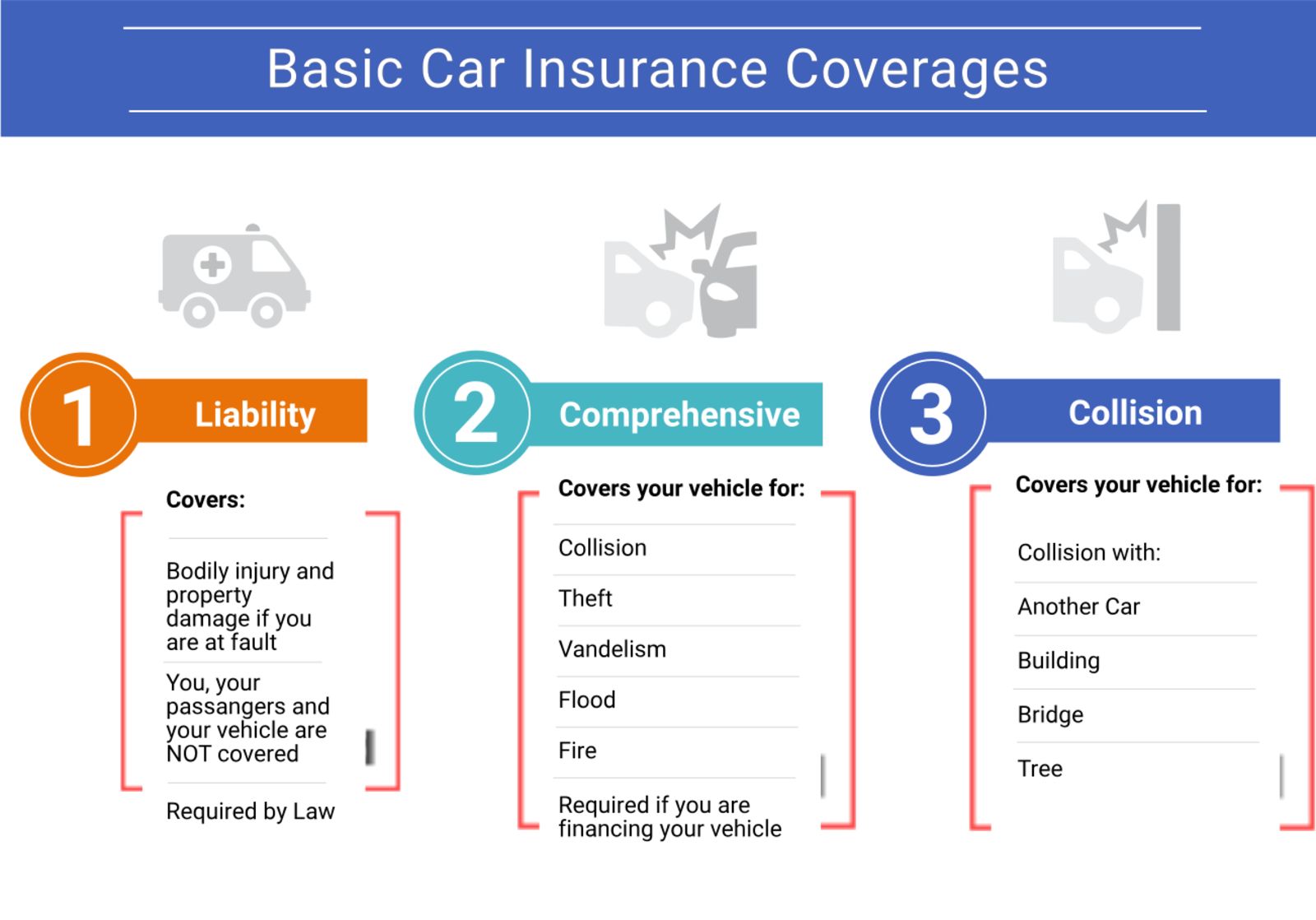
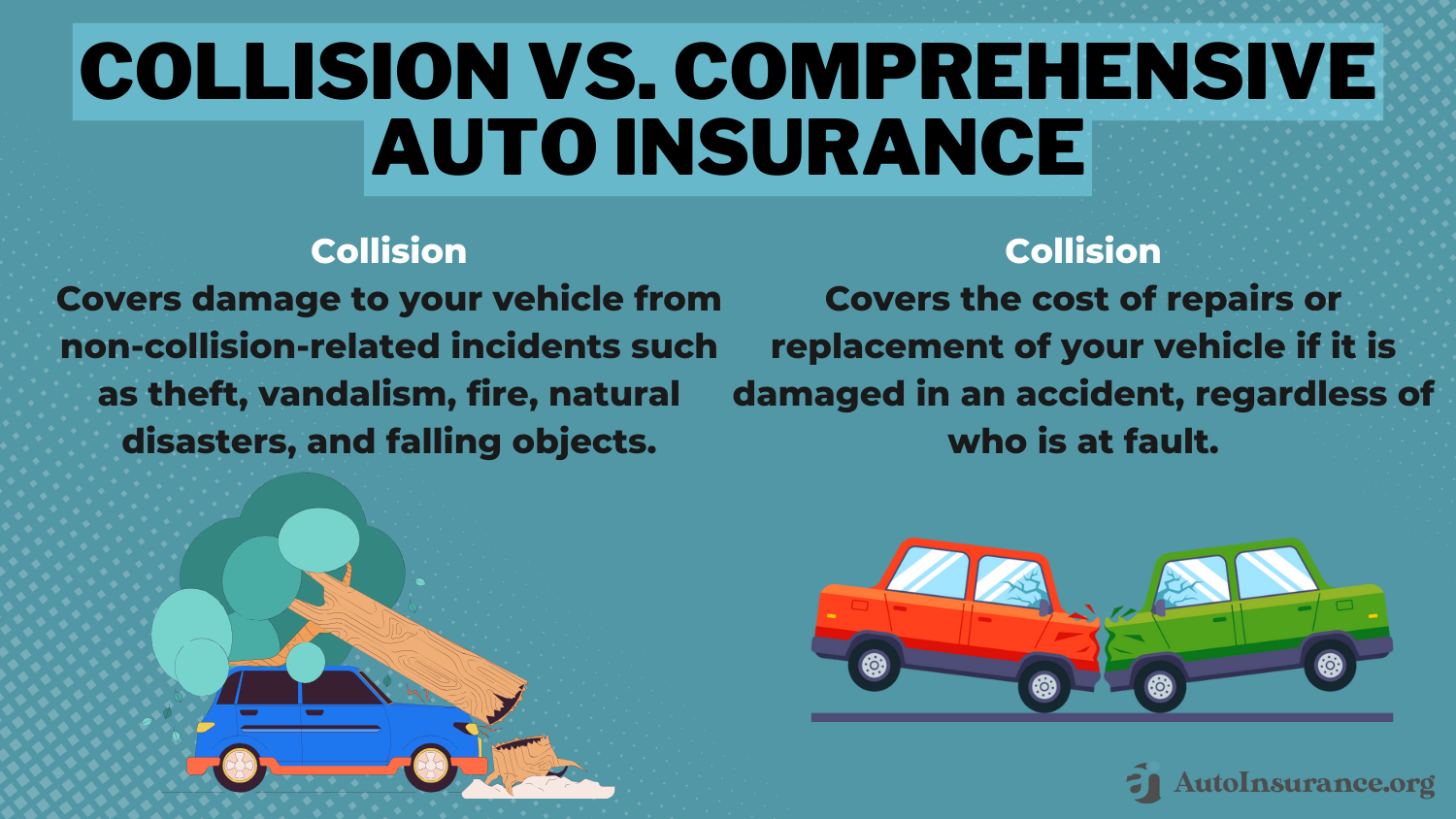
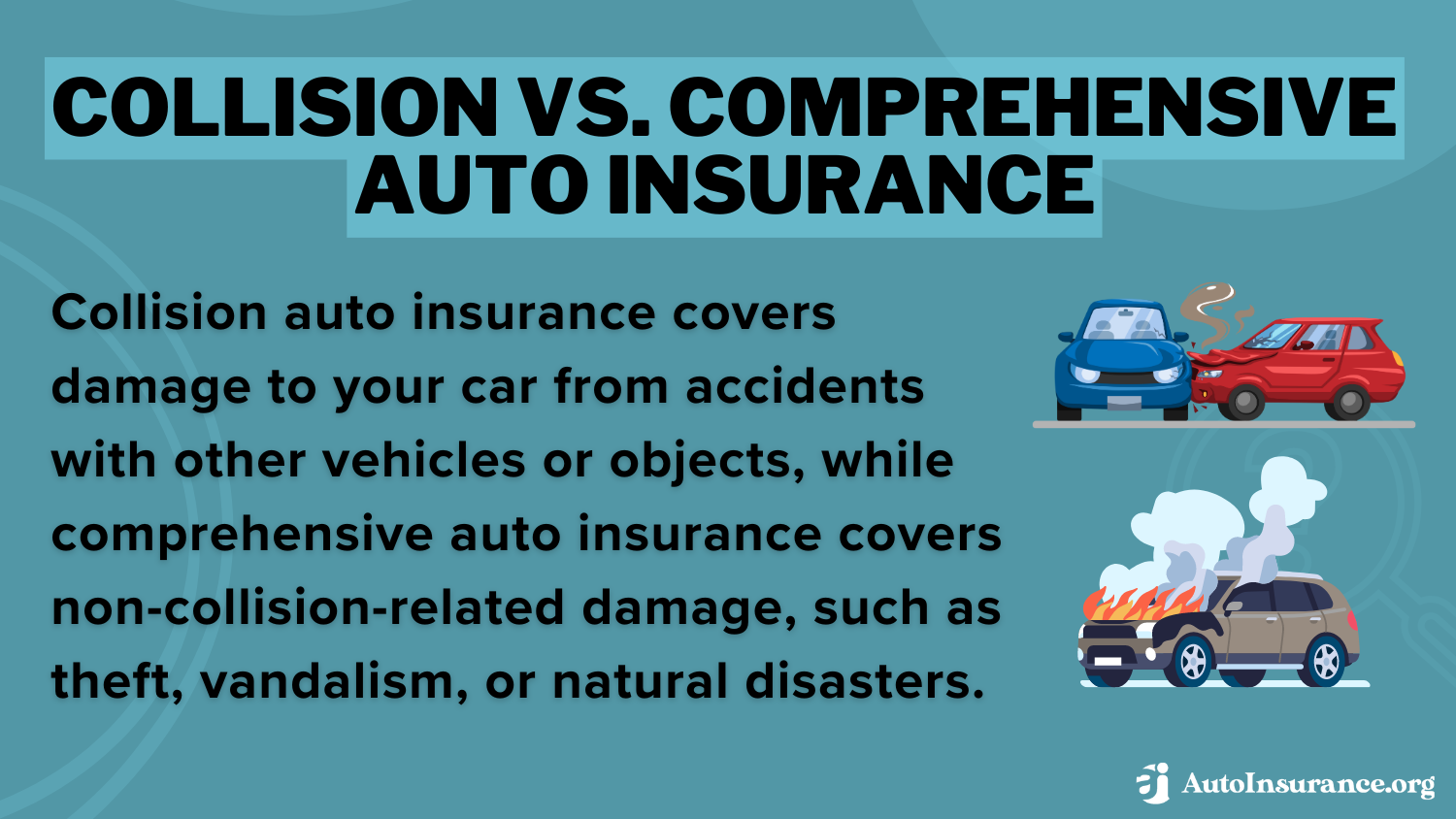
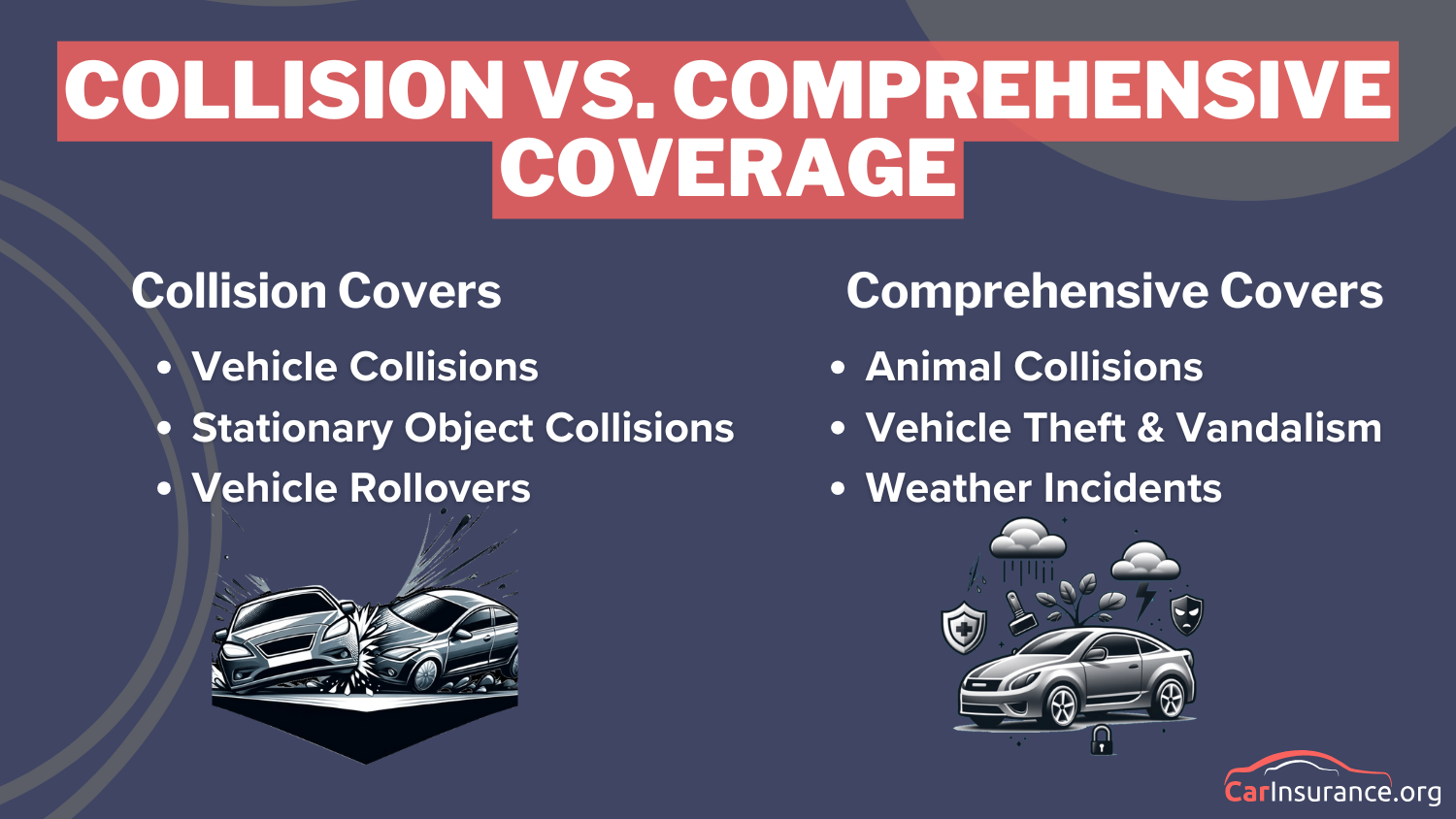
Standard auto insurance is composed of several different types of protection. To understand what happens when you remove collision coverage, you must first understand its role in the policy ecosystem. Collision insurance specifically covers damage to your vehicle resulting from an upset (flipping) or a collision with another vehicle or object.
When you remove this coverage, you are essentially "self-insuring" your car's physical body. If you hit a guardrail, a telephone pole, or another vehicle, your insurance company will not cut you a check for repairs. If the other driver is at fault, their liability insurance may cover your repairs; however, if you are at fault, or if the other driver is uninsured and you lack specific uninsured motorist property damage coverage, you will be responsible for the full cost of repairs or the replacement of the vehicle.
It is important to distinguish this from Comprehensive Coverage. Many drivers choose to keep comprehensive coverage (which covers theft, fire, vandalism, and weather damage) while dropping collision coverage. This hybrid approach protects against "acts of God" and external crimes while acknowledging that the vehicle's value does not justify the high premiums associated with crash protection.
When Should You Drop Collision Coverage?
Deciding to go without collision coverage is rarely about a lack of caution; it is usually a math-based decision. As vehicles age, their actual cash value (ACV) depreciates. In 2026, insurance experts generally suggest evaluating three primary factors before dropping collision:
The "10% Rule" of Insurance
A common benchmark used by financial advisors is the 10% rule. If the annual cost of your collision and comprehensive coverage exceeds 10% of the total book value of your vehicle, the coverage may no longer be cost-effective. For example, if your 2014 sedan is worth $4,000 and your collision premium is $500 per year with a $1,000 deductible, your maximum potential payout in a total-loss accident is only $3,000. Over six years, you would have paid more in premiums than the maximum possible benefit.
The Deductible vs. Value Gap
Every collision claim requires the policyholder to pay a deductible—typically $500 or $1,000. If your car’s market value has dropped to $2,500, and you have a $1,000 deductible, the insurance company will only provide a maximum of $1,500 if the car is totaled. Once you factor in the annual premiums you’ve paid to maintain that coverage, the financial "safety net" becomes remarkably thin.
Your Personal Emergency Fund
Dropping collision coverage is only a viable strategy if you have the liquid savings to replace your vehicle immediately should an accident occur. If losing your car would mean you cannot get to work and you lack the funds to buy a replacement, maintaining collision coverage acts as a form of catastrophic protection, even on a lower-value vehicle.
Comparison of Coverage Scenarios
The following table illustrates what is covered and what is not when you choose to omit collision coverage from your policy.
| Incident Type | Liability Only (No Collision) | Comprehensive + Liability (No Collision) | Full Coverage (Includes Collision) |
|---|---|---|---|
| You hit another car (your fault) | Others' repairs covered; Yours not covered | Others' repairs covered; Yours not covered | Both vehicles covered |
| Another driver hits you (their fault) | Their insurance covers you | Their insurance covers you | Their insurance (or yours) covers you |
| You hit a tree or pole | Not covered | Not covered | Covered (minus deductible) |
| Vehicle stolen or vandalized | Not covered | Covered (minus deductible) | Covered (minus deductible) |
| Hail or flood damage | Not covered | Covered (minus deductible) | Covered (minus deductible) |
| Hit-and-run (unknown driver) | Not covered | Not covered* | Covered (minus deductible) |
*Note: In some jurisdictions, Uninsured Motorist Property Damage (UMPD) may cover hit-and-runs even without collision insurance, but this varies significantly by state law.
Legal and Contractual Restrictions
While you may want to drop collision coverage to save money, you are not always legally or contractually permitted to do so.
Financing and Leasing Requirements
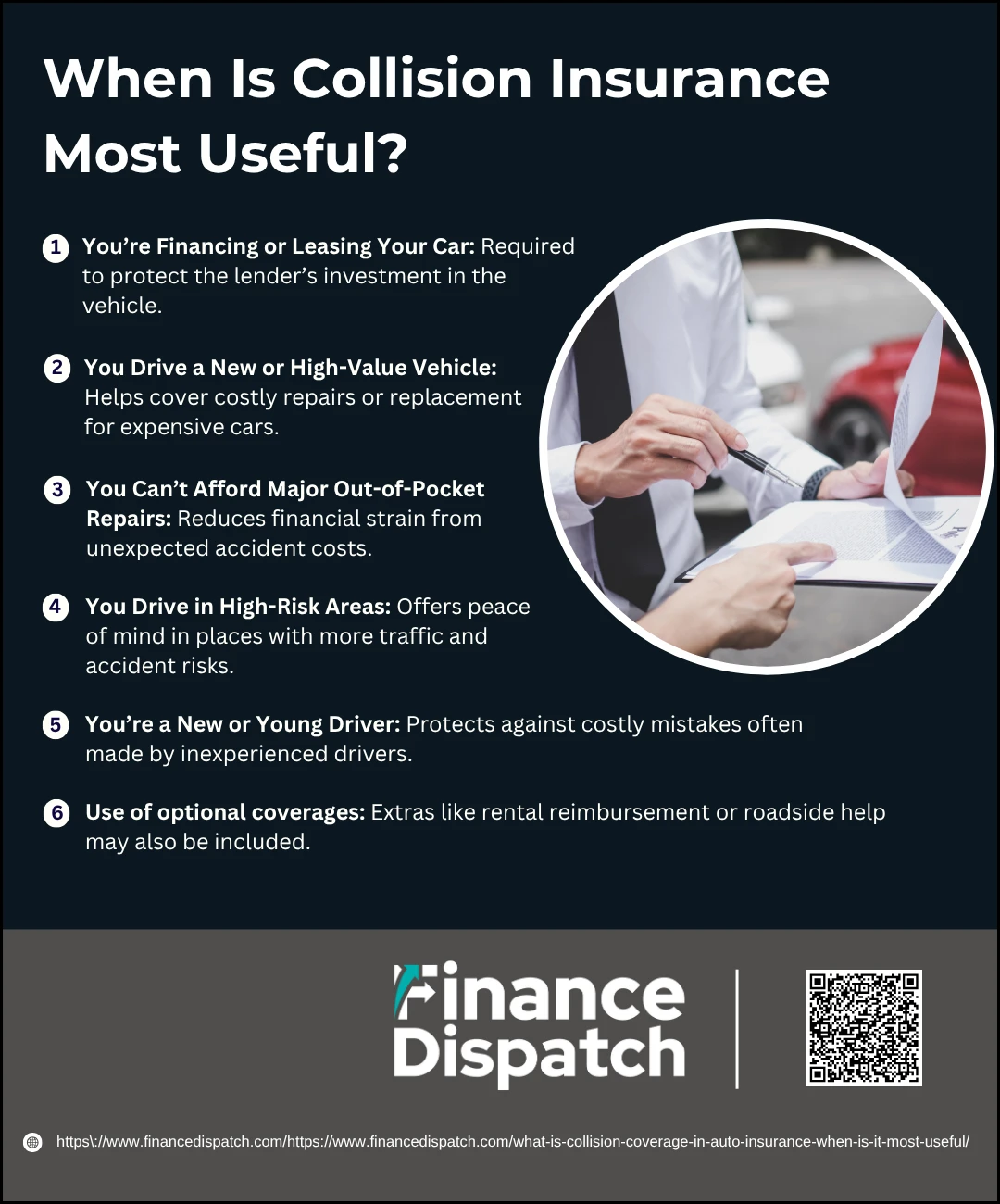
If you are financing your car through a bank or leasing it through a dealership, you are almost universally required to carry collision and comprehensive insurance. The lender owns a financial interest in the asset and requires "full coverage" to ensure their collateral is protected. If you drop collision coverage while a lien is still on the title, the lender may "force-place" insurance on your behalf. Force-placed insurance is significantly more expensive than private insurance and offers less protection for you while only covering the lender's interest.
State Liability Laws
No state in the U.S. requires collision coverage by law. State mandates focus on Liability Insurance, which covers the injuries and property damage you cause to others. Therefore, if you own your vehicle outright (no loans), you can legally drive with "auto insurance no collision coverage" in every jurisdiction, provided you meet the state's minimum liability requirements.
The Risks of Foregoing Collision Coverage in 2026
The year 2026 presents unique challenges for drivers without collision coverage. Although used car prices have stabilized compared to the volatility of the early 2020s, the cost of parts and labor remains high due to the complexity of modern vehicle sensors and driver-assistance systems.
- Total Loss Thresholds: Because repair costs are high, insurance companies are quicker to "total" a vehicle today than in previous decades. If you lack collision coverage, a minor fender bender that damages a radar sensor or a headlight assembly could result in a repair bill that exceeds the car's value, leaving you with a non-functional vehicle and no insurance check.
- Uninsured Motorists: Despite legal requirements, a percentage of drivers remain uninsured. If an uninsured driver hits you and you do not have collision coverage (or UMPD), you may have to sue the individual personally to recover damages—a process that is often expensive and rarely yields results if the driver has no assets.
- The "Gap" Problem: If you recently paid off a car that has depreciated rapidly, you might feel inclined to drop collision. However, if the car is still your primary mode of transport and is worth more than $5,000, the risk of a total loss often outweighs the $300–$600 annual savings.
How to Transition to a No-Collision Policy
If you have determined that your vehicle's value justifies dropping collision coverage, follow these steps to ensure you remain protected in other areas:
- Verify Vehicle Value: Use tools like Kelley Blue Book (KBB) or J.D. Power to find the "Actual Cash Value" of your car. Look at the "Private Party" or "Trade-in" value, not the retail price.
- Increase Liability Limits: The money you save by dropping collision coverage should often be reinvested into higher liability limits. In 2026, a $25,000 property damage limit is often insufficient to cover a modern electric vehicle or luxury SUV if you are at fault in an accident.
- Keep Comprehensive: Many insurers allow you to drop collision while keeping comprehensive. Since comprehensive coverage is usually much cheaper and covers non-collision risks like fire and theft, it is often worth retaining.
- Review Your Deductible: Before dropping collision entirely, consider simply raising your deductible to $1,500 or $2,000. This lowers your premium significantly while still providing a backstop in case of a major accident.
Frequently Asked Questions
Does "no collision coverage" mean I have no insurance?
No. You still have liability insurance, which is the legally required portion of your policy. This means if you cause an accident, your insurance will pay for the other person’s medical bills and car repairs up to your policy limits. It only means your own car is not covered for crash damage.
Can I add collision coverage back later?
Yes, you can add collision coverage back to your policy at any time. However, the insurance company may require a vehicle inspection or photos to ensure there is no pre-existing damage. If you try to add it after an accident has already occurred, the claim for that accident will be denied.
If someone hits me and I don't have collision coverage, who pays?
If the other driver is 100% at fault, their Property Damage Liability coverage should pay for your repairs. You would file a "third-party claim" with their insurance company. The risk of having no collision coverage is that if the other driver contests fault or has no insurance, you have no way to get your car fixed through your own provider.
Is collision coverage required for old cars?
No, collision coverage is never legally required by the state. It is only required by lenders if you have a loan or lease. For an old car that you own outright, the decision to keep or drop collision is entirely up to your personal risk tolerance.
Does no collision coverage affect my premium for other things?
Generally, no. Dropping collision coverage reduces your total premium. However, it does not inherently lower your liability or comprehensive rates. In fact, some drivers see a slight increase in other areas if the insurer perceives the lack of full coverage as a move toward a higher-risk profile, though this is rare.
Final Recommendation
For drivers in 2026 operating vehicles worth less than $3,000 to $5,000, opting for auto insurance with no collision coverage is often a smart move to reduce fixed monthly costs. However, this decision must be paired with an increase in personal savings. If you choose to drop this coverage, ensure you have an "auto replacement fund" ready. If your vehicle is essential for your livelihood and you cannot afford to replace it out of pocket, the peace of mind provided by collision coverage is usually worth the premium, even on an aging vehicle.
Image Gallery