Understanding the Movement: Who Wants to Defund the Police?
The movement to "defund the police" is primarily led by a coalition of grassroots advocacy organizations, civil rights activists, and progressive policy-making groups who argue that public safety is better achieved by reallocating law...
The movement to "defund the police" is primarily led by a coalition of grassroots advocacy organizations, civil rights activists, and progressive policy-making groups who argue that public safety is better achieved by reallocating law enforcement budgets toward social services, mental health support, and community-led violence prevention programs.
Contents
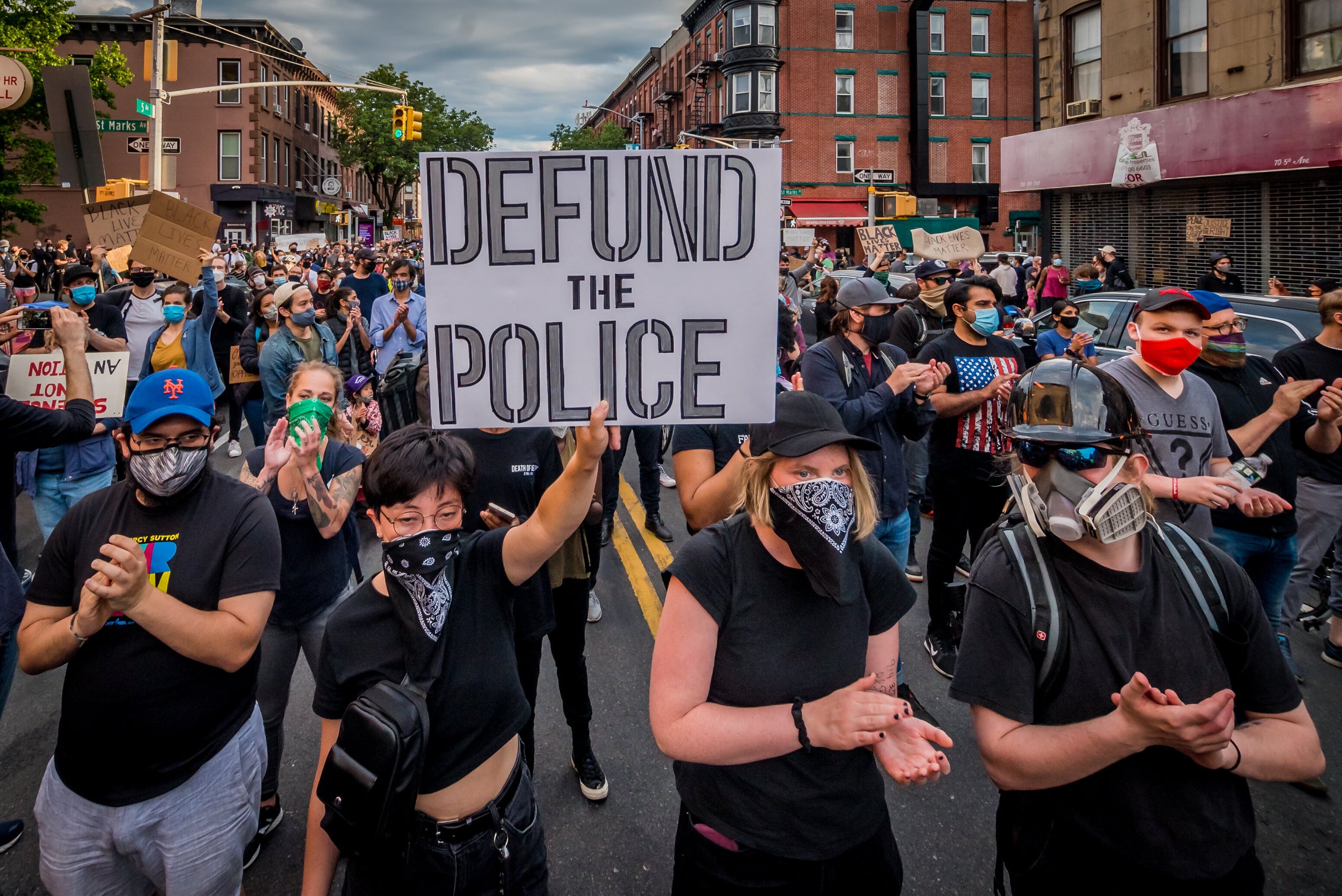
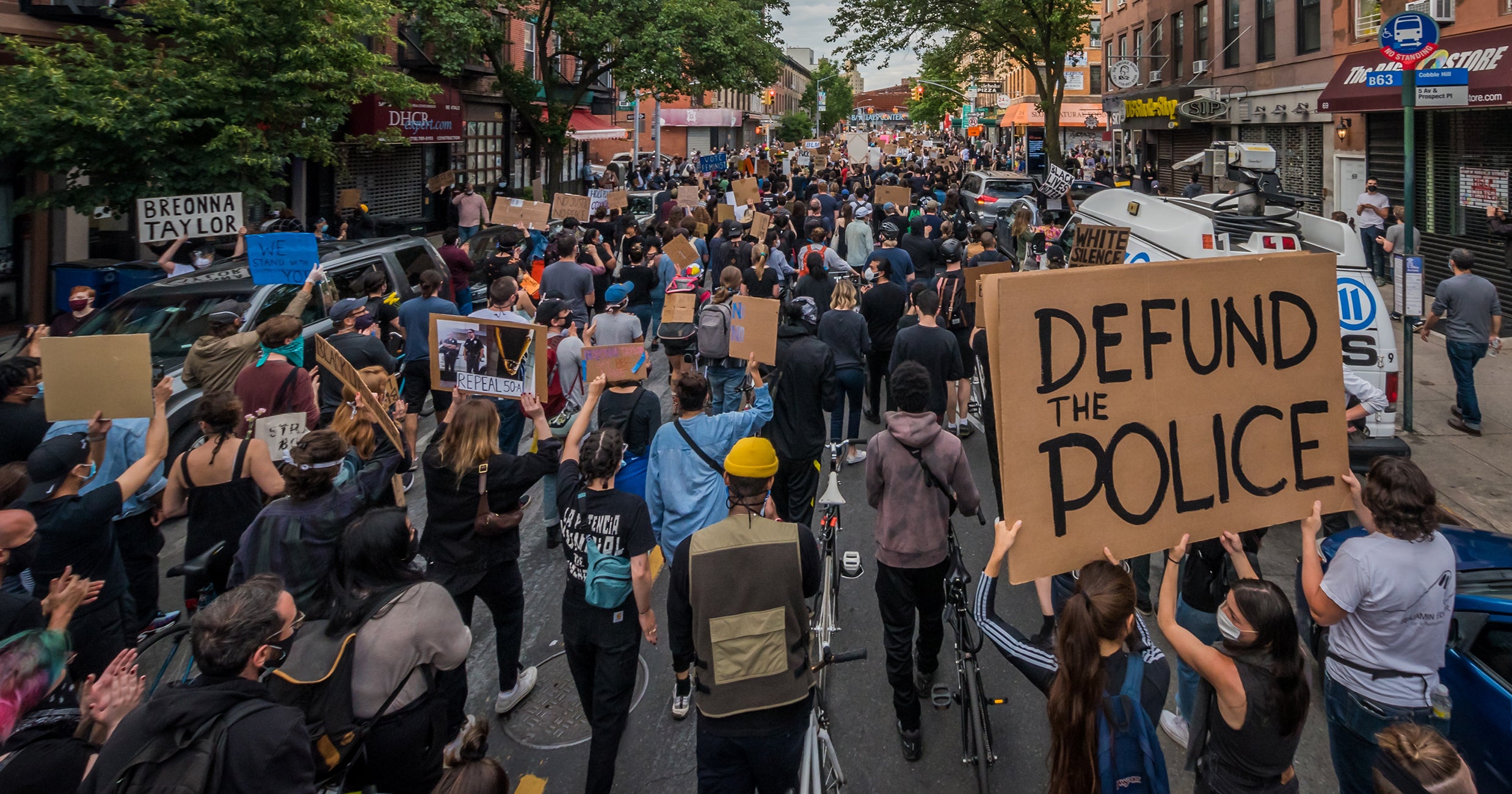
The phrase "defund the police" became a global rallying cry during the 2020 racial justice protests, but the underlying ideology is rooted in decades of community organizing and academic research. As of 2026, the debate has shifted from slogans to the granular assessment of municipal budgets and the efficacy of "alternative response" models. To understand who wants to defund the police, one must look at the specific entities, their ideological frameworks, and the legislative tools they propose to restructure the American justice system.
Primary Advocacy Organizations and Grassroots Coalitions
The core drivers of the "defund" movement are not centralized under a single leader but operate as a decentralized network of organizations. These groups generally share a belief that the current policing model is fundamentally flawed and that resources are disproportionately allocated to punitive measures rather than preventive ones.
The Movement for Black Lives (M4BL)
The Movement for Black Lives is perhaps the most influential coalition in this space. They proposed the BREATHE Act, a sweeping piece of federal legislation that serves as a blueprint for divestment. The M4BL argues that policing has historically targeted marginalized communities and that "defunding" is a necessary step toward social equity. Their platform focuses on shifting federal resources away from incarceration and toward environmental justice, education, and healthcare.
Local Grassroots: Reclaim the Block and MPD150
In the wake of the George Floyd protests in Minneapolis, local organizations like Reclaim the Block and MPD150 gained national prominence. These groups specifically target municipal budgets. They work to educate the public on how city funds are divided, often highlighting that police departments frequently consume 30% to 50% of a city’s general fund. Their goal is to shrink the scope of police responsibilities—such as traffic stops and mental health checks—and transfer those duties to non-armed professionals.
The American Civil Liberties Union (ACLU)
While the ACLU’s stance is more focused on systemic reform, they have officially supported the divestment of police budgets. The ACLU argues that the over-militarization of police and the expansion of their roles into schools and hospitals have led to increased civil rights violations. They advocate for a "reimagining" of public safety where police are no longer the primary responders for social crises.
Political Figures and Legislative Proponents
In the political arena, the "defund" movement is supported by the most progressive wing of the Democratic Party, though it remains a point of significant friction within the party itself.
The "Squad" and Congressional Progressives
Members of Congress such as Cori Bush, Rashida Tlaib, Ilhan Omar, and Alexandria Ocasio-Cortez have been the most vocal proponents of reallocating police funds at the federal level. For instance, Representative Cori Bush has consistently argued that "defunding" is about saving lives by investing in the "root causes" of crime, such as poverty and lack of access to healthcare.
Local City Council Members
The actual implementation of defunding happens at the local level. In cities like Austin, Seattle, and Los Angeles, various city council members have introduced and passed measures to trim police budgets or move specific units (like forensic labs or traffic enforcement) out of police control. These politicians often face intense pressure from both activist bases and police unions, making the political landscape of defunding highly volatile.
Academic and Intellectual Drivers
The intellectual foundation of the movement is built on the work of sociologists and criminologists who study "police abolition" and "restorative justice."
- Alex Vitale: Author of The End of Policing, Vitale is often cited by activists for his argument that the expansion of police powers has failed to solve social problems. He posits that many issues currently handled by police, such as homelessness and drug addiction, are better addressed through public health interventions.
- Mariame Kaba: An organizer and educator whose work on abolitionist feminism provides the moral and theoretical framework for many "defund" activists. Kaba argues that the system cannot be reformed and must be replaced with community-based accountability structures.
Analyzing the Policy Objectives
To understand who wants to defund the police, it is essential to distinguish between the different tiers of the movement’s goals. Not everyone who uses the slogan has the same end state in mind.
| Group Category | Primary Objective | Key Strategy |
|---|---|---|
| Abolitionists | Total elimination of the police force over time. | Incremental divestment and building community self-reliance. |
| Budget Reformers | Reallocation of "surplus" or "mismanaged" funds. | Auditing police budgets to find waste and moving it to social programs. |
| Operational Reformers | Reducing the scope of police responsibilities. | Creating "Alternative Response Teams" for non-violent 911 calls. |
| Civil Rights Groups | Ending police militarization and qualified immunity. | Legislative changes to reduce police contact with the public. |
The Role of Alternative Response Models
A significant portion of the "who" in this movement includes public health experts and city managers who advocate for models like CAHOOTS (Crisis Assistance Helping Out On The Streets). Originating in Eugene, Oregon, this model uses a medic and a mental health crisis worker instead of police for specific calls.
As of 2026, many who support "defunding" have pivoted their language toward "Public Safety Reimagined." This group includes:
- Mental Health Professionals: Who argue they are better trained to de-escalate psychiatric crises.
- Social Workers: Who seek to manage domestic disputes and homelessness outreach without the presence of firearms.
- Community Violence Interrupters: Non-government workers who use social ties to prevent retaliatory violence in high-crime neighborhoods.
Opposition and Critical Counter-Perspectives
Understanding the "who" also requires identifying who is resisting these changes. The opposition is not merely a monolith but consists of various stakeholders concerned about public safety and legal stability.
- Police Unions: Organizations like the Fraternal Order of Police (FOP) are the primary opponents, arguing that budget cuts lead to slower response times and increased danger for officers and the public.
- The "Refund" Movement: Between 2021 and 2024, a counter-trend emerged where many municipal leaders, facing rising crime rates, chose to increase police budgets to record levels.
- Moderate Politicians: Many mainstream Democrats, including President Joe Biden during his administration, explicitly distanced themselves from the "defund" slogan, favoring increased funding for training and "community policing" instead.
The BREATHE Act: A Specific Framework
For those seeking a concrete answer to what the movement wants, the BREATHE Act serves as the primary legislative document. It was developed by the Electoral Justice Project of the Movement for Black Lives. The act is divided into four main sections:
- Divesting Federal Resources: Eliminating programs that provide military-grade equipment to local police.
- Investing in New Approaches: Funding non-carceral interventions and community-led safety programs.
- Allocating Resources to Equity: Focusing on environmental and economic justice for communities of color.
- Holding Officials Accountable: Enhancing the ability of the public to oversee and discipline law enforcement.
Common Misconceptions About the Proponents
One of the greatest hurdles for the movement has been the ambiguity of the term "defund." Proponents often spend significant energy clarifying that they do not necessarily want an overnight disappearance of all emergency services.
Instead, the "who" in this movement is often looking for a phased transition. This involves building the "new" (social infrastructure) before fully dismantling the "old" (punitive policing). They point to the "over-policing" of schools, where resources are spent on school resource officers (SROs) rather than counselors or nurses, as a primary example of where funds should be shifted.
Frequently Asked Questions
Does "defunding the police" mean abolishing them?
Not necessarily. While some proponents are "abolitionists" who want to eventually eliminate the police entirely, many others are "reallocators." The latter group seeks to keep a smaller, more specialized police force for violent crimes while moving the majority of funding to social services. The distinction usually lies in whether the person believes the police system can be "fixed" or if it must be "replaced."
Which cities have actually defunded their police?
The results have been mixed. In 2020, cities like Austin, Texas, and Minneapolis, Minnesota, made significant headlines for cutting or reallocating portions of their police budgets. However, by 2023 and 2024, many of these cities restored those funds or even increased them due to political pressure and concerns over rising crime. Austin, for example, eventually passed record-high police budgets after its initial divestment period.
What is the 2026 status of the "Defund" movement?
By 2026, the movement has matured into a more technical debate over "Alternative Response." Rather than focusing on the word "defund," activists and city planners are focusing on unbundling police services. This means creating separate departments for traffic enforcement and mental health crises so that these issues are no longer handled by armed officers.
Are there any successful examples of police reallocation?
The STAR (Support Team Assisted Response) program in Denver is often cited as a success. Since its inception, it has handled thousands of calls related to homelessness and mental health without requiring police backup or resulting in an arrest. Proponents use data from programs like STAR to prove that "defunding" a specific police function and "funding" a civilian one can work.
Who is the main political opponent of defunding?
The opposition is led by police unions, such as the National Association of Police Organizations (NAPO), and conservative think tanks like the Heritage Foundation. They argue that police presence is a primary deterrent to crime and that reducing officer numbers inevitably leads to higher victimization rates in the very communities the movement claims to help.
Strategic Recommendation for Further Research
To truly understand the "who" behind this movement in your specific area, the most effective action is to examine your City Council’s annual budget hearings. National slogans often obscure local realities. By reviewing the line-item expenditures for "Public Safety" versus "Health and Human Services" in your city’s 2026 budget, you can identify which local advocacy groups are active and which council members are voting for or against reallocation.
Image Gallery