King on Life Insurance Quotes: A Strategic Guide to Policy Acquisition
Navigating the landscape of life insurance quotes requires a methodical approach to evaluating financial protection needs, provider credibility, and policy structure. By understanding the core variables—such as death benefit amounts, p...
Navigating the landscape of life insurance quotes requires a methodical approach to evaluating financial protection needs, provider credibility, and policy structure. By understanding the core variables—such as death benefit amounts, premium cycles, and underwriting requirements—you can secure a quote that aligns with your specific long-term financial obligations and legacy objectives.
Contents
Understanding the Life Insurance Quote Mechanism
A life insurance quote is an preliminary estimation provided by an insurer indicating the potential cost of coverage based on basic demographic and health information. It is important to distinguish between a "quote" and an "offer." A quote is typically based on self-reported data, whereas an offer is the final price issued after the insurer has completed a formal underwriting process, which may include medical exams or reviews of prescription histories.
In 2026, the digital infrastructure for insurance has shifted toward greater price transparency. Many insurers now utilize algorithmic underwriting to provide near-instant accurate quotes. However, the accuracy of these quotes remains entirely dependent on the quality of the information provided by the applicant. Providing incorrect or incomplete data regarding smoking status, pre-existing conditions, or high-risk hobbies will result in a quote that does not reflect your actual premium, leading to dissatisfaction when the final underwriting results are delivered.
Key Factors Influencing Your Premium
The cost of life insurance is fundamentally a risk-assessment exercise. Insurers calculate the probability of a claim occurring during the term of the policy based on actuarial data. Several pillars determine where you fall on the risk spectrum:
- Age and Gender: Generally, the younger you are, the lower your premium. Women statistically have longer life expectancies than men, which often results in lower insurance costs for equivalent coverage.
- Medical History: Chronic conditions such as diabetes, cardiovascular disease, or hypertension will elevate your risk profile. Insurers categorize these factors into "underwriting classes" (e.g., Preferred Plus, Standard, Substandard).
- Lifestyle Choices: Participation in hazardous sports (such as skydiving or motor racing) or the use of nicotine products can drastically increase the cost of a policy.
- Policy Type: The choice between Term Life and Permanent Life (Whole or Universal) significantly alters the quote. Term life is designed to cover a specific period, making it more affordable, while permanent policies include cash-value components that increase the initial quote cost.
Comparing Term and Permanent Insurance Quotes
When requesting quotes, you must identify which policy type serves your current financial reality. Each has distinct budgetary and protection characteristics that will influence your long-term commitment.
| Feature | Term Life Insurance | Permanent Life Insurance |
|---|---|---|
| Duration | Specific period (10–30 years) | Lifetime coverage |
| Premiums | Level for the term duration | Generally higher; may be fixed |
| Cash Value | None | Accumulates over time |
| Goal | Income replacement | Estate planning/Legacy |
| Complexity | Straightforward | High (requires investment oversight) |
Term insurance is often the most cost-effective solution for those needing high death benefit coverage during "peak liability" years, such as when carrying a mortgage or raising children. Permanent insurance, conversely, serves as a financial vehicle for individuals who have already maximized tax-advantaged retirement accounts and require life insurance for liquidity, tax planning, or wealth transfer.
The Underwriting Process: From Quote to Policy
After you receive an initial quote, the underwriting phase begins. This is the stage where the insurance company verifies the information you provided during the quoting process.
- Application Submission: You submit a formal application, which acts as a legal document. Honesty is mandatory; misrepresentation can lead to policy rescission during the contestability period.
- Medical Information Bureau (MIB) Check: Insurers check the MIB database to see if you have applied for insurance previously and if any health risks were flagged by other companies.
- Paramedical Exam: For many policies, a nurse or technician will visit your home or office to record height, weight, blood pressure, and collect blood or urine samples.
- Attending Physician Statement (APS): If your medical history is complex, the insurer may request your full medical records from your primary care physician to verify health trends over several years.
- Final Offer: Once the insurer has all data points, they will issue a formal offer. This offer may match your initial quote, or it may be "rated," meaning the premium is higher than expected due to specific health findings.
Common Pitfalls in the Quoting Process
Many applicants make errors that jeopardize their chances of securing favorable coverage. One frequent mistake is "shopping" too frequently. When you apply to multiple carriers, these inquiries are often logged in industry databases. A flurry of applications in a short timeframe can signal financial desperation or hidden health concerns to underwriters, potentially impacting your insurability.
Another oversight is failing to disclose secondary income or debt levels. While underwriters are primarily concerned with health, they also look for "financial insurable interest." This means the amount of coverage you are requesting must be justified by your income, debt, and net worth. Requesting a $10 million policy on a $50,000 annual income will almost certainly trigger a review that could result in a denial or a lower offer, regardless of your perfect health.
Frequently Asked Questions
Does a medical exam always increase the price of my quote? No. In fact, a medical exam often helps you secure a better rating. If you are generally healthy, providing concrete evidence of that health through labs can help you move from a "Standard" category to a "Preferred" category, which results in lower premiums than a "no-exam" or "simplified issue" policy.
What happens if my health changes after I receive a quote? If your health changes between the initial quote and the final approval, you are legally obligated to disclose it to the insurer. Failing to disclose a new diagnosis that occurred during the underwriting process is considered material misrepresentation and can lead to a denial of claims later.
Can I change my death benefit after the policy is active? In many cases, yes. With term policies, you may be able to decrease the benefit to lower premiums, but increasing the benefit usually requires a new application and potential medical underwriting. With permanent policies, the options for adjusting the death benefit are more flexible but often come with administrative fees.
How does inflation affect my life insurance needs? Inflation reduces the purchasing power of your death benefit over time. When selecting a coverage amount, consider your future expenses and the erosion of currency value. Some policies offer riders—optional add-ons—that allow you to increase your coverage as you age without additional medical exams.
Are life insurance premiums tax-deductible? Generally, no. Life insurance premiums for personal policies are considered a personal expense and are not tax-deductible. However, the death benefit paid to beneficiaries is typically received income-tax-free in the United States. Always consult with a tax advisor regarding your specific situation and any business-owned policy exceptions.
Final Recommendation
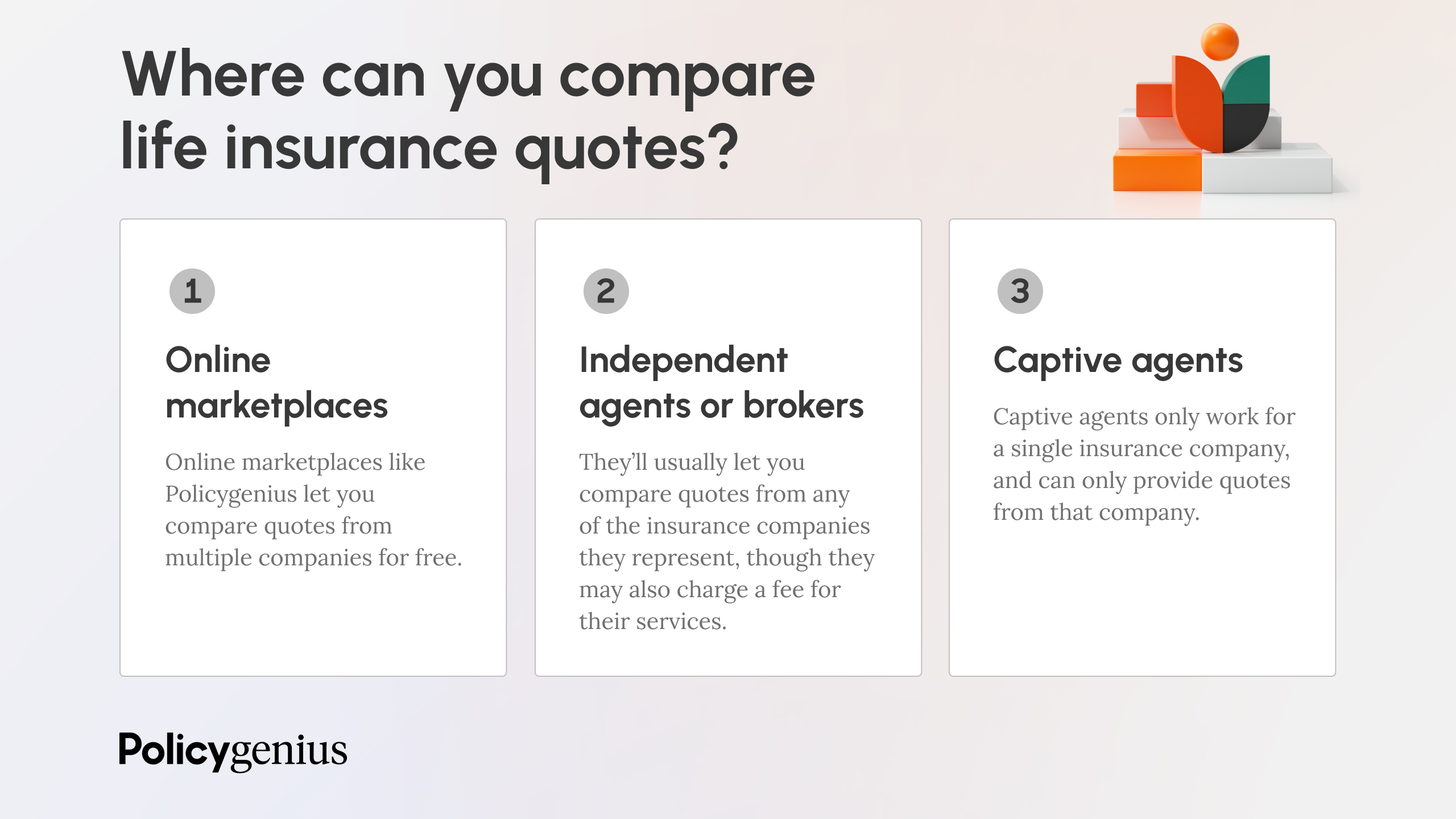
To move forward effectively, first determine your "coverage gap"—calculate your total liabilities (mortgage, education costs, final expenses) and subtract your current assets. Once you have a target dollar amount, gather your basic medical information, including a list of recent prescriptions and a summary of any health conditions. Proceed by using a reputable, independent brokerage that can compare quotes from multiple A-rated carriers simultaneously. This allows you to view the market objectively and select the policy that provides the strongest financial security for your dependents.
Image Gallery