Understanding the Kia Boulder: A Guide to the Concept and Its Context
The Kia Boulder is a conceptual project representing a significant shift in Kia Corporation’s design philosophy, focusing on ruggedized, modular, and off-road-capable vehicles. While often discussed in the context of Kia’s expanding li...
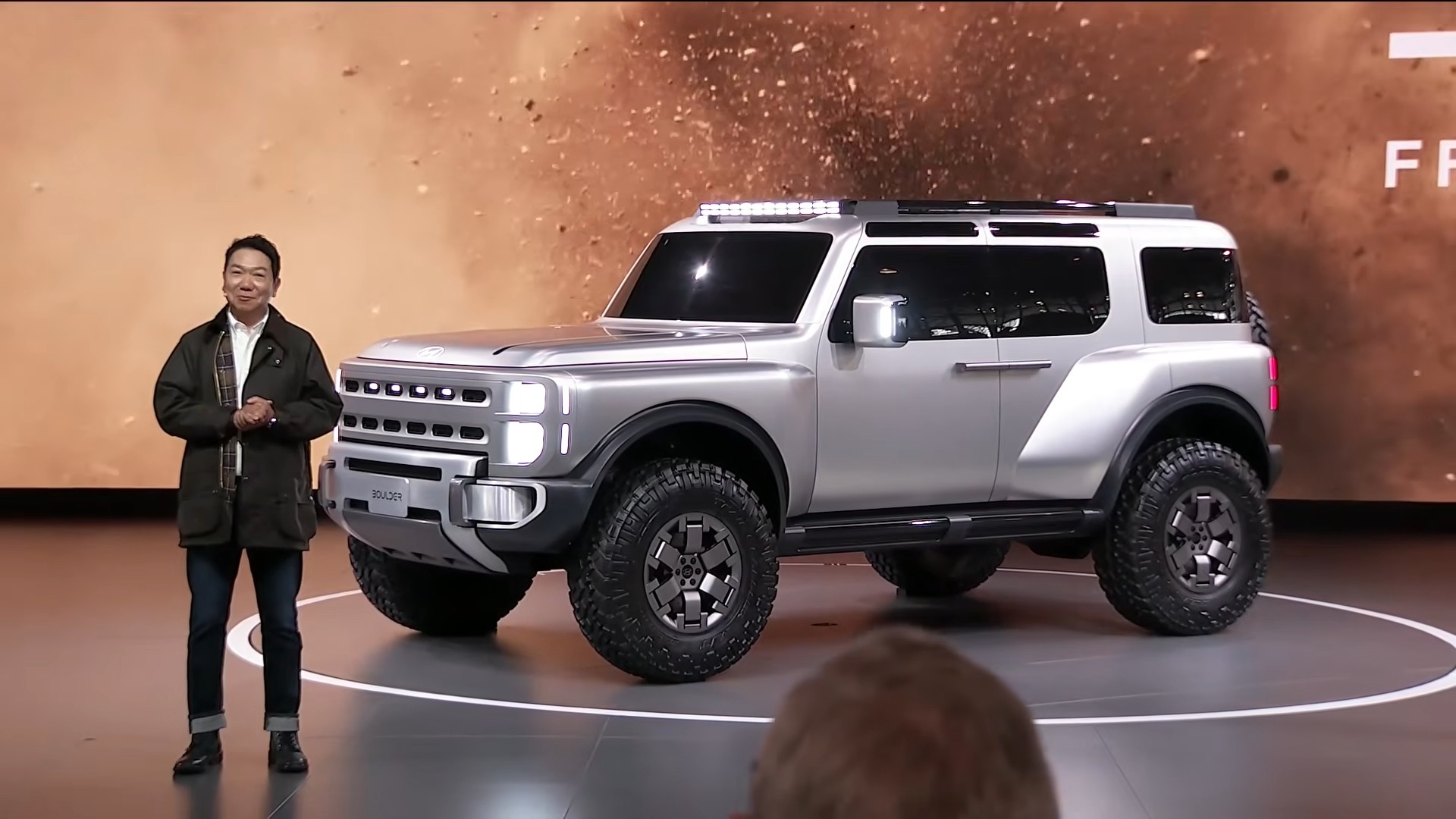
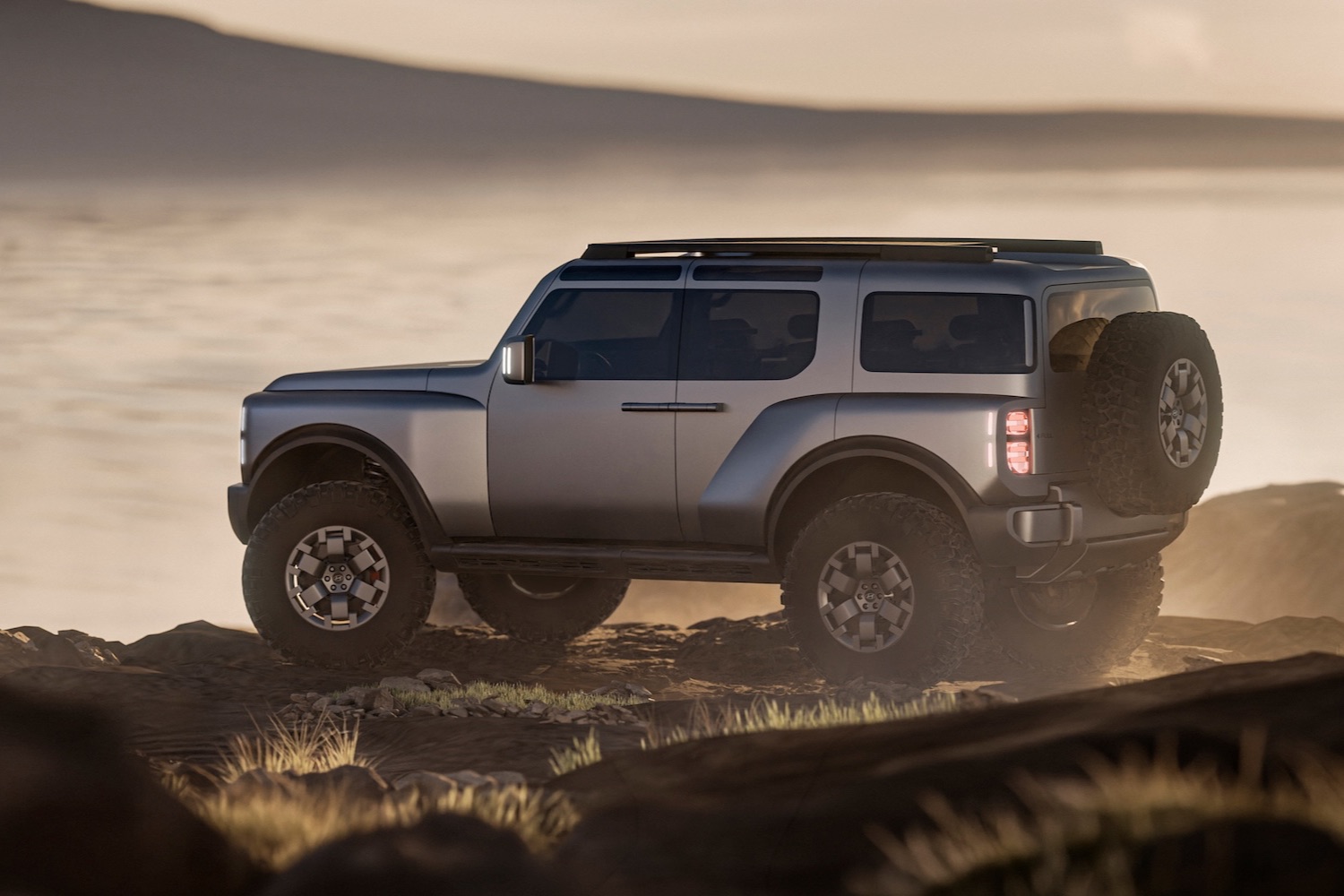
The Kia Boulder is a conceptual project representing a significant shift in Kia Corporation’s design philosophy, focusing on ruggedized, modular, and off-road-capable vehicles. While often discussed in the context of Kia’s expanding lineup of battery-electric vehicles (BEVs) and specialized platforms, the Boulder functions as a design study aimed at testing market appetite for a purpose-built, boxy adventure SUV to challenge established off-road competitors.
Contents
The Genesis of the Kia Boulder Concept
To understand the Kia Boulder, one must look at the evolution of Kia’s "Opposites United" design language. Announced as an initiative to pivot away from traditional crossover aesthetics toward more utilitarian and adventurous styling, the Boulder concept represents the realization of this vision. It is characterized by an upright, blocky silhouette, high ground clearance, and a focus on modularity that allows for interior customization.
The automotive industry in 2026 is seeing a surge in demand for "lifestyle" vehicles—cars that are not merely meant for commuting but are branded as tools for outdoor recreation. The Kia Boulder was conceived to provide a direct response to this trend. It incorporates design cues that move away from the aerodynamic, low-drag profiles of previous Kia electric models, opting instead for a form-follows-function approach that prioritizes vertical space and cargo utility.
Technical Foundations and Platform Architecture
The Kia Boulder relies on the modularity of the Electric-Global Modular Platform (E-GMP), which has served as the backbone for the company’s recent generation of EVs. By utilizing a flat floor architecture and placing battery packs low within the chassis, the platform allows for a cabin-forward design that maximizes interior volume.
The technical goal of the Boulder project is to balance rugged aesthetics with the high efficiency required of a modern electric powertrain. Unlike traditional internal combustion engine (ICE) off-roaders, the Boulder leverages dual-motor all-wheel-drive configurations to provide torque vectoring. This electronic precision allows for better off-road traction control, as the system can adjust torque to individual wheels in milliseconds, often exceeding the mechanical limitations of traditional differential-based 4x4 systems.
Key Features and Design Considerations
The distinguishing characteristics of the Kia Boulder focus on versatility and field-readiness. Prospective buyers or enthusiasts tracking the development of this concept should consider the following primary features:
- Modular Cargo Systems: The interior features a "flex-space" rail system that allows seats to be folded, removed, or reconfigured to accommodate outdoor gear, camping equipment, or oversized cargo.
- High-Clearance Geometry: Designed with improved approach and departure angles, the vehicle body is sculpted to clear obstacles that would typically damage the bumpers of a standard SUV.
- Integrated Tech Ecosystem: The dashboard utilizes an expanded head-up display (HUD) that integrates topographical maps and off-road-specific vehicle telemetry, such as pitch, roll, and battery temperature management.
- Sustainable Materials: Consistent with Kia’s 2026 corporate sustainability goals, the interior surfaces of the Boulder utilize recycled bio-plastics and synthetic, easy-to-clean textiles designed for high-wear environments.
Comparative Analysis in the Adventure SUV Market
The adventure SUV segment has become increasingly crowded. Below is a comparison of how the Kia Boulder concept aligns with existing market archetypes:
| Feature | Traditional SUV | Kia Boulder Concept | Specialty Off-Roader |
|---|---|---|---|
| Primary Focus | Daily commuting | Adventure/Modularity | Extreme terrain |
| Powertrain | ICE / Hybrid | BEV (Modular) | ICE / Hybrid |
| Cargo Flexibility | Standard | High (Modular Rails) | Limited (Fixed) |
| Ground Clearance | Moderate | High (Adjustable) | Very High |
| Tech Integration | Passenger-focused | Off-road / GPS focused | Minimalist |
Operational Limitations and Real-World Considerations
While the Boulder represents a sophisticated design, it is important to understand the limitations inherent to any vehicle of this configuration. Aerodynamic drag, caused by the upright and boxy design, necessarily impacts the maximum range per charge compared to more streamlined models. For users who prioritize highway range over cargo utility and off-road capability, this design represents a functional trade-off.
Furthermore, because the Boulder relies on an electric architecture, owners must consider charging infrastructure requirements. In remote areas where these vehicles are intended to be used, the lack of high-speed DC charging stations can be a limiting factor. Kia’s current strategy involves integrating vehicle-to-load (V2L) technology, allowing the Boulder to act as a mobile power station for camping equipment or emergency tools, effectively mitigating some of the limitations associated with remote travel.
Understanding the Development Timeline
As of 2026, the Kia Boulder exists largely within the framework of research and development. In the automotive industry, concepts move through several distinct stages: from a digital "sketches" phase to a static clay model, then to a functional "mule" or prototype. The Boulder has been publicly displayed in various forms, serving as a feedback mechanism for the manufacturer. By gauging public reaction at international auto shows and through digital sentiment analysis, Kia refines the production-ready specifications of the vehicle.
It is common for companies like Kia to use such projects to test specific technologies—such as active suspension systems or new battery chemistries—before committing to a full-scale mass production run. Therefore, the "Boulder" name may eventually manifest as a specific trim level or a brand-new nameplate within the Kia SUV lineup.
Frequently Asked Questions
Is the Kia Boulder currently available for purchase? No, the Kia Boulder is a concept project. It is not currently available for retail sale. It serves as an exploration of future design directions and technology.
What distinguishes the Boulder from a standard Kia SUV? The primary difference is the design philosophy. While standard Kia SUVs focus on road comfort and fuel efficiency, the Boulder is engineered for modularity, off-road clearance, and utility in rugged environments.
Does the Kia Boulder require specialized charging equipment? It uses standard Level 2 and DC fast-charging protocols compatible with the global E-GMP standard. No proprietary, non-standard charging hardware is required, though the vehicle’s V2L feature may require specific Kia-approved adapters for external devices.
Will the production version retain the concept's features? Manufacturing realities often require adjustments to concept vehicles, such as changing window geometry, door handle placement, and interior material durability. While the "boxy" aesthetic is likely to remain, the final production version may vary in technical specifications.
How does the Boulder handle long-distance off-roading? The vehicle utilizes a sophisticated battery management system designed to optimize energy consumption during low-speed, high-torque maneuvers. However, users should account for the reduction in range caused by rough terrain and elevation changes.
Moving Forward
For those interested in the future of the Kia lineup, monitoring official announcements from Kia’s regional headquarters is the most reliable way to track the transition of the Boulder from a design concept to a production model. Consumers should watch for regulatory filings or patent updates, as these often precede official marketing launches. As the industry continues to prioritize flexible, durable, and electric transportation, the Boulder stands as a clear indicator of the direction Kia intends to take in the coming years.
Image Gallery