Money of Greece: Official Currency, Payment Rules, and Practical Financial Guide
The official currency of Greece is the Euro (EUR), represented by the currency symbol €. Greece officially adopted the Euro on January 1, 2001, entering the eurozone and replacing the Greek Drachma, which had been the nation's currency...
The official currency of Greece is the Euro (EUR), represented by the currency symbol €. Greece officially adopted the Euro on January 1, 2001, entering the eurozone and replacing the Greek Drachma, which had been the nation's currency for centuries. All physical transactions across mainland Greece and its islands are conducted in Euro coins and banknotes.
Contents
While credit and debit cards are accepted almost everywhere due to strict national payment regulations, carrying a modest amount of cash remains practical for small purchases, local transportation, and tipping. Navigating Greece's financial system requires an understanding of official payment mandates, ATM fee structures, cash transaction limits, and daily budgeting strategies.
The Official Currency: Euro (EUR) Specifications and Denominations
As a member of the Eurozone, Greece shares its monetary policy with 19 other European Union member states under the regulation of the European Central Bank. The Euro is divided into 100 cents (often referred to locally in Greece as lepta).
1 Euro (€) = 100 Cents Currency Code: EUR Symbol: €
Banknotes in Circulation
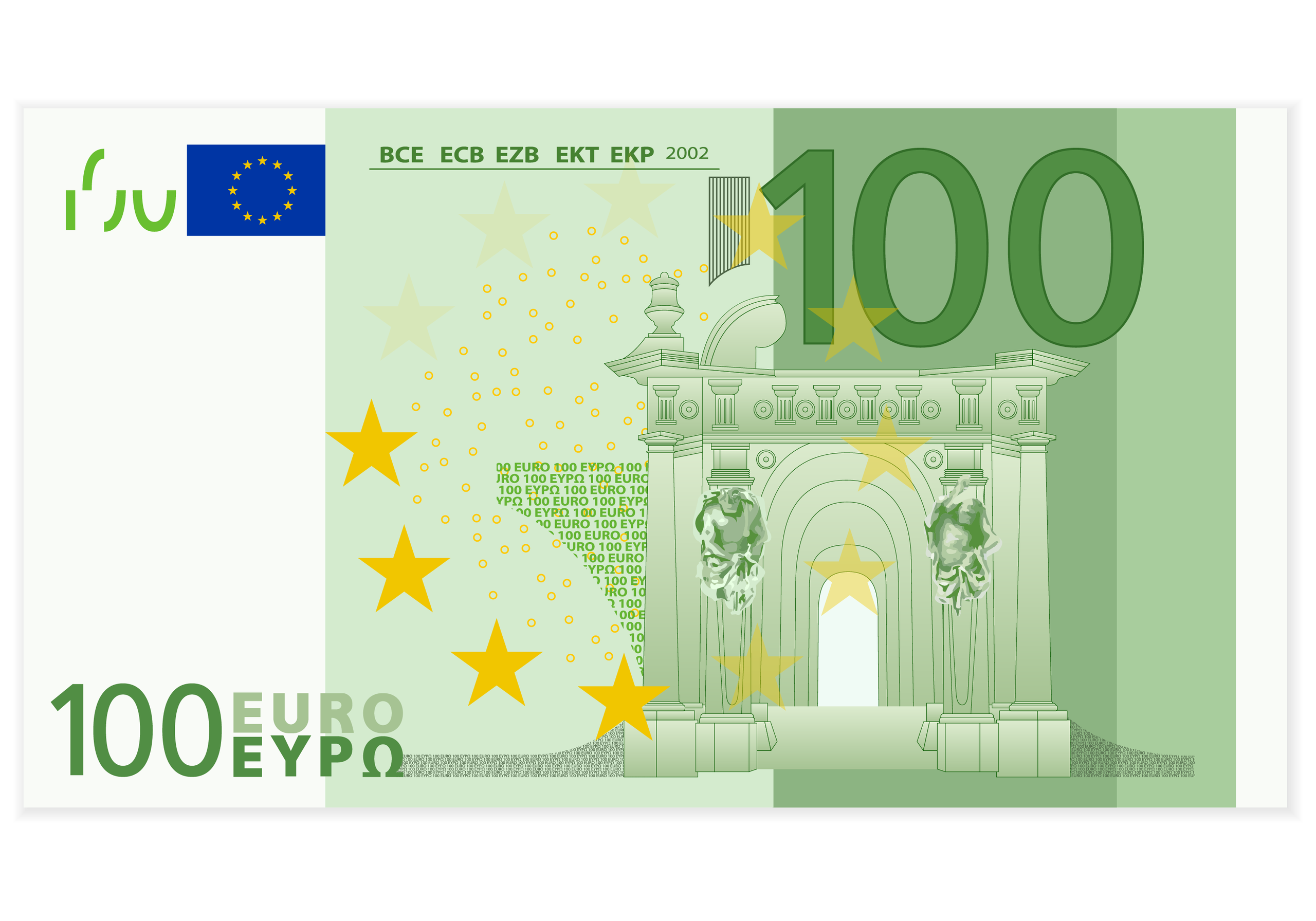
Euro banknotes are uniform across all eurozone countries. They feature architectural styles from various European historical eras on the front and bridges symbolizing connection on the back. Banknotes come in seven denominations:
- €5 and €10: Commonly used for small everyday items like coffee, bakery goods, and bus fares.
- €20 and €50: The most widely used denominations for daily transactions, restaurant meals, and retail shopping. ATMs primarily dispense €20 and €50 notes.
- €100: Accepted in larger retail stores, hotels, and supermarkets, though smaller merchants may struggle to provide change for minor purchases.
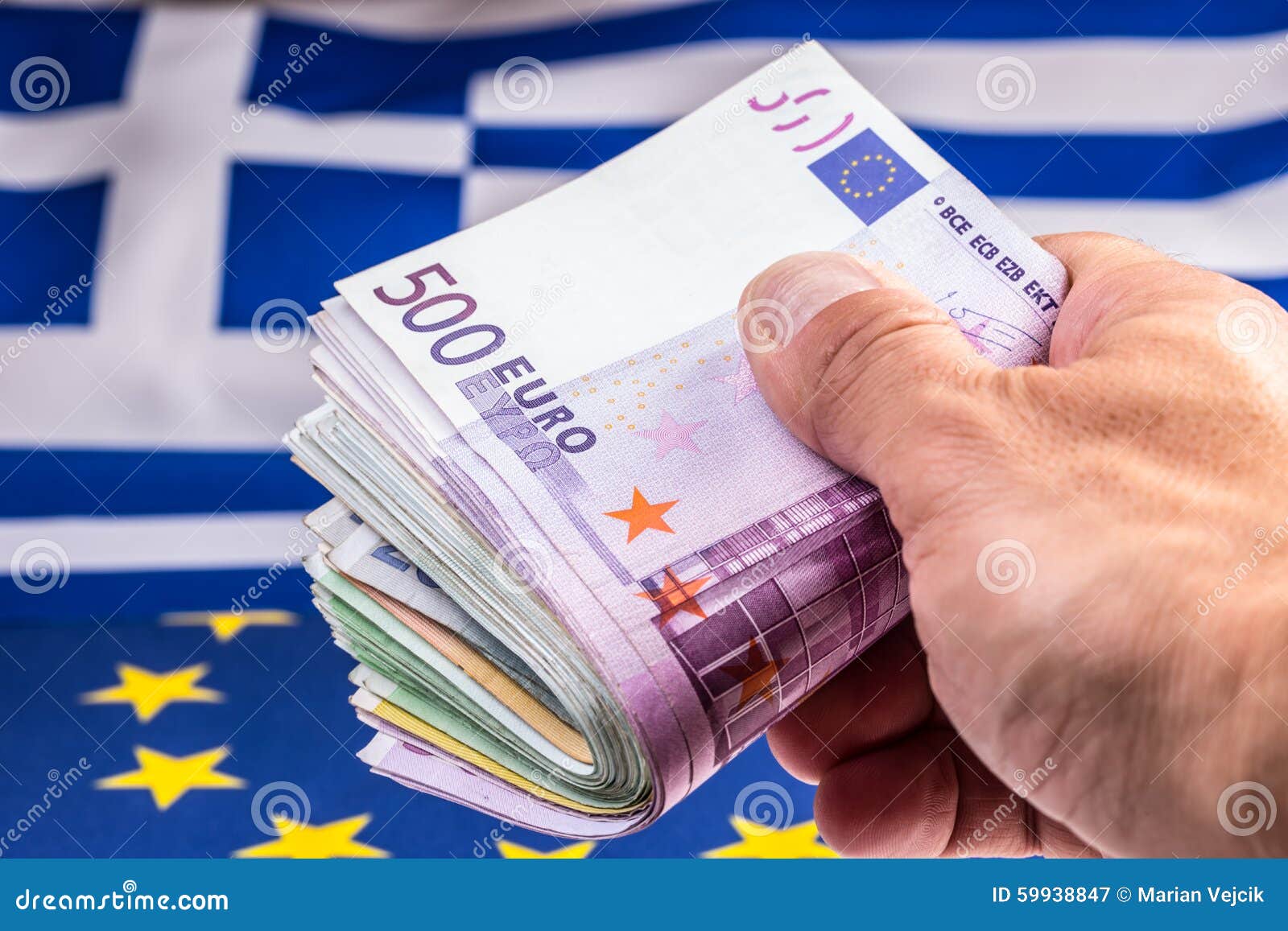
- €200 and €500: Rarely seen in daily circulation. While still legal tender, many small businesses, taxis, and kiosks explicitly decline €200 and €500 notes due to security risks and change availability.
Coin Denominations and National Designs
Euro coins have a standardized European side showing the denomination and map of Europe, alongside a nation-specific side chosen by the issuing country. Greek euro coins display distinct cultural and historical motifs designed by sculptor Georgios Stamatopoulos:
| Coin Denomination | Greek National Side Design | Historical / Cultural Significance |
|---|---|---|
| 1 cent (€0.01) | Athenian Trireme | 5th-century BCE ancient Greek warship |
| 2 cents (€0.02) | Corvette (Modern Warship) | 19th-century naval vessel from the Greek War of Independence |
| 5 cents (€0.05) | Modern Chemical Tanker | Symbol of modern Greek maritime industry and shipping leadership |
| 10 cents (€0.10) | Rigas Feraios | Writer, political thinker, and hero of the Greek Enlightenment |
| 20 cents (€0.20) | Ioannis Kapodistrias | First Head of State of independent Greece (1827–1831) |
| 50 cents (€0.50) | Eleftherios Venizelos | Modern political figure and former Prime Minister of Greece |
| 1 Euro (€1.00) | Athenian Owl | Modeled after the ancient 5th-century BCE Athenian 4-drachma coin |
| 2 Euro (€2.00) | Abduction of Europa | Mythological scene of Europa abducted by Zeus in the form of a bull |
Legal Payment Regulations and Digital Acceptance in Greece
Greece has implemented strict legal frameworks to modernize its financial system, curb tax evasion, and increase payment transparency. Understanding these rules is essential for both short-term visitors and long-term residents.
Mandatory POS (Point of Sale) Terminal Acceptance
Under tax legislation enforced by the Independent Authority for Public Revenue (AADE), virtually every business and self-employed professional in Greece is legally required to accept electronic card payments. This mandate applies to:
- Traditional retail shops, supermarkets, and pharmacies
- Taxis and private transport services
- Kiosks (periptera) and street food vendors
- Open-air farmers' markets (laiki agora)
- Beach bars, tavernas, and island cafes
- Medical professionals, tradespeople, and service providers
POS terminals in Greece are linked directly to business cash registers and the tax authority's cloud registry, ensuring every digital payment is recorded for tax compliance. Contactless card payments (NFC), mobile wallets (Apple Pay, Google Pay), and chip-and-PIN cards are universally supported across these terminals.
Legal Limits on Consumer Cash Payments
To limit unregistered economic activity, Greek tax law imposes a ceiling on cash purchases. The legal maximum for a cash payment between a consumer and a business is €500 per transaction.
If a purchase or service invoice totals €500 or more, the remaining balance must be settled electronically via a credit card, debit card, or direct bank transfer. Businesses that accept cash payments above €500 face statutory financial penalties.
Cash vs. Card: Practical Usage Guidelines
Despite widespread card acceptance, operating with a hybrid payment strategy—carrying both digital payment methods and a modest amount of physical currency—ensures smooth transactions across mainland Greece and the Aegean and Ionian islands.
Recommended Daily Cash Balance per Person: €30 – €50 Primary Payment Method: Contactless Credit/Debit Card
When to Use Credit or Debit Cards
Digital payments are preferred and seamlessly processed in the vast majority of scenarios:
- Accommodations: Hotels, resorts, and vacation rentals.
- Dining: Casual tavernas, fine dining restaurants, and coffee chains.
- Transport: Toll roads (Aegean Motorway, Attiki Odos), ferry tickets, car rentals, and ride-hailing applications.
- Shopping: Department stores, boutiques, supermarkets, and chain fuel stations.
When Physical Cash Is Helpful
Having euro notes and coins in hand is beneficial or occasionally required for:
- Small Tipping: Leaving small cash gratuities for restaurant servers, hotel porters, or tour guides.
- Remote Island Vendors: Exceptionally small family-run bakeries or seasonal stalls in isolated villages where rural cellular coverage may interrupt POS network connectivity.
- Public Amenities: Paid public restrooms, coin-operated luggage lockers, or small church donations.
- Low-Value Bus Fares: Regional municipal buses that require exact change or cash payment at local ticket booths.
Currency Exchange, ATM Infrastructure, and Banking Fees
Obtaining Euros in Greece is straightforward, but transaction fees vary widely depending on the exchange method and banking network used.
Banking Institutions in Greece
The Greek retail banking sector is dominated by four major systemic financial institutions regulated by the Bank of Greece:
- National Bank of Greece (NBG)
- Piraeus Bank
- Eurobank
- Alpha Bank
Bank branches typically operate Monday through Thursday from 8:00 AM to 2:30 PM, and Fridays from 8:00 AM to 2:00 PM. They remain closed on weekends and national public holidays.
ATM Networks and Fee Structures
ATMs (Trapeziki Automati Michani) are widely distributed across major cities, towns, transportation hubs, and tourist islands. However, cash withdrawal costs differ substantially based on the owner of the terminal:
- Systemic Bank ATMs (NBG, Piraeus, Eurobank, Alpha Bank): These machines charge a standard direct access fee (typically €1.50 to €3.00 per withdrawal) for foreign bank cards.
- Independent / Non-Bank ATMs (e.g., Euronet): Frequently situated in high-footfall tourist areas, convenience stores, and island ports. These operators often charge higher direct withdrawal surcharges (ranging from €4.00 to €6.00+) and aggressively promote unfavorable exchange rates.
ATM Withdrawal Tip: Always select "Decline Conversion" or "Charge in EUR" when prompted by an ATM.
Avoiding Dynamic Currency Conversion (DCC)
When using an international credit card or withdrawing cash at an ATM in Greece, the payment terminal or ATM screen may present a choice:
- Process transaction in your home currency (e.g., USD, GBP, CAD) with a guaranteed exchange rate.
- Process transaction in the local currency (EUR).
This feature is known as Dynamic Currency Conversion (DCC). Choosing your home currency allows the local terminal provider to set an arbitrary, highly unfavorable exchange rate that includes a hidden markup of 5% to 12%.
To receive the wholesale interbank exchange rate offered by your foreign card issuer, always choose to be billed in Euros (EUR).
Payment Methods Comparison for Travelers and Residents
Selecting the right payment mechanism depends on safety considerations, transaction costs, and convenience.
| Payment Method | Acceptance Level in Greece | Cost / Fee Structure | Safety & Convenience | Primary Recommendation |
|---|---|---|---|---|
| No-Foreign-Fee Credit Card | Universal (95%+ of merchants) | 0% markup if billed in EUR; zero foreign transaction fees. | High security; purchase protection; easy contactless tap. | Primary Choice: Best for general daily spending, hotels, and dining. |
| Foreign Debit Card | Universal | ATM withdrawal fee (€1.50–€6) + potential foreign transaction fee from home bank. | High convenience; direct account access; vulnerable to PIN exposure. | Secondary Choice: Best for cash withdrawals at major bank ATMs. |
| Physical Cash (EUR) | 100% legal tender acceptance | Currency exchange fees or ATM fees upon retrieval. | High risk of loss/theft; no consumer fraud protection. | Essential Backup: Keep €30–€50 for emergencies and minor tips. |
| Euronet / Standalone ATMs | Widespread in tourist zones | High access fees (€4–€6+) plus aggressive DCC exchange rate markups. | Conveniently located; costly financial conversion terms. | Avoid if possible: Use official bank ATMs (Alpha, NBG, Piraeus, Eurobank) instead. |
| Currency Exchange Bureaus | Airports, tourist centers | Built-in exchange rate spreads (5%–15% off market rate). | Instant cash access; non-competitive conversion rates. | Emergency Only: Exchange minimal amounts upon initial arrival. |
Historical Context: From the Ancient Drachma to the Euro
To understand the monetary history of Greece, it helps to recognize the transition from its former national currency to the Euro system.
Historical Conversion Fixed Rate: 1 Euro (€) = 340.750 Greek Drachmas (GRD)
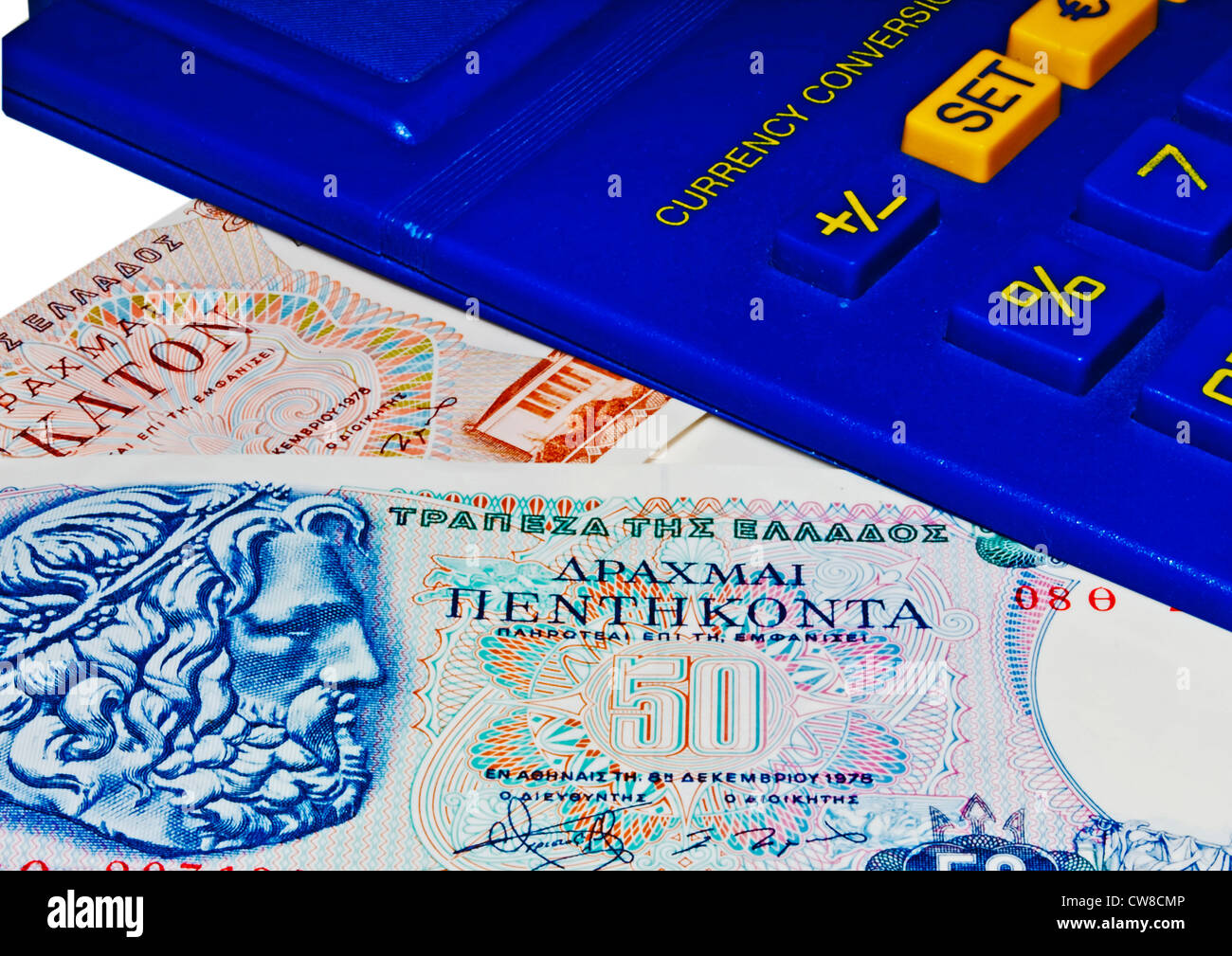
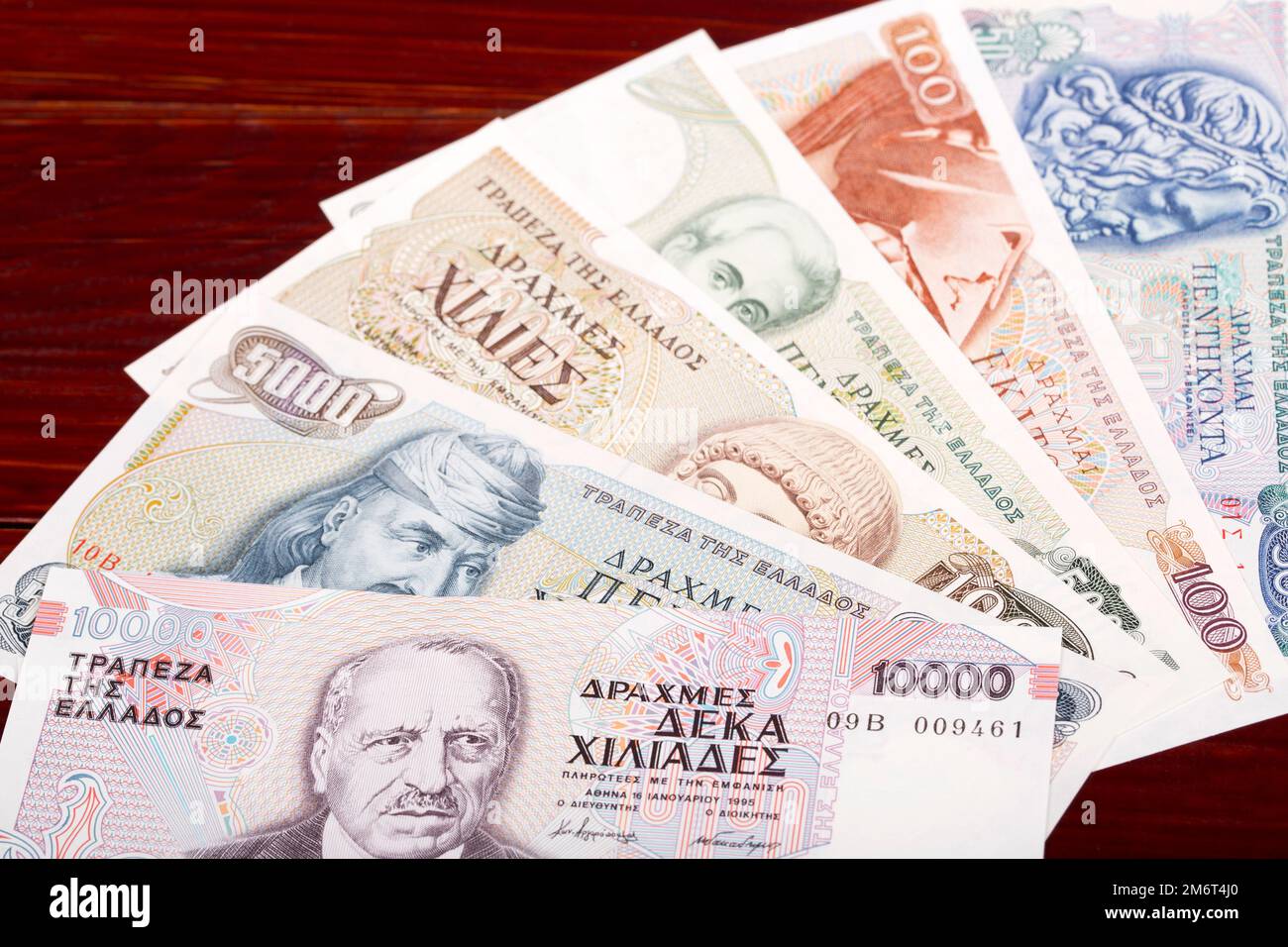
The Greek Drachma (GRD) claims one of the longest monetary traditions in human history, dating back to ancient Greek city-states where silver drachma coins were used in trade throughout the Mediterranean. In the modern era, the Greek Drachma was re-introduced in 1832 following Greece's independence from the Ottoman Empire.
In 2001, Greece joined the European Monetary Union after meeting economic convergence criteria. Physical euro banknotes and coins entered circulation on January 1, 2002, running alongside the Drachma for a brief dual-circulation period of two months. On February 28, 2002, the Drachma officially ceased to be legal tender.
The Bank of Greece continued to redeem old Drachma coins until 2004 and Drachma banknotes until March 2012, after which unexchanged Drachma currency lost all monetary value.
Tipping Etiquette and Everyday Spending Norms
Tipping practices in Greece are modest compared to North American standards, reflect local service norms, and are appreciated by service staff.
Standard Restaurant Tip: 5% to 10% in Cash Taxi Driver Tip: Round up to the nearest Euro
- Restaurants and Tavernas: Service charges are generally included in the bill, but leaving a tip of 5% to 10% in cash on the table for good service is standard practice. Even when paying the main bill with a credit card, cash tips ensure the server receives the gratuity directly.
- Cafes and Bars: Rounding up the bill to the nearest Euro (e.g., leaving a €3 coin for a €2.60 coffee) is customary for quick service.
- Taxis: Tipping taxi drivers is not strictly mandatory, but rounding up the meter total to the next full euro (e.g., paying €8 for a €7.30 fare) is standard etiquette.
- Hotel Porters and Housekeeping: Leaving €1 to €2 per bag for luggage assistance and €1 to €2 per day for housekeeping staff is appreciated.
Frequently Asked Questions
Can I use US Dollars or British Pounds directly in Greece?
No. US Dollars (USD), British Pounds (GBP), and other non-Euro currencies are not accepted as valid payment for goods and services in Greece. You must pay in Euros (EUR) or use an international credit or debit card that automatically converts your payment to Euros at the point of sale.
Are credit cards widely accepted on small Greek islands?
Yes. Under Greek law, businesses on all islands—including small or remote locations—are required to maintain operating POS terminals to accept card payments. While network connectivity issues can occasionally cause temporary disruptions in rural areas, card acceptance is standard across restaurants, shops, and accommodations on Greek islands.
What is Dynamic Currency Conversion (DCC) and how do I avoid it?
Dynamic Currency Conversion (DCC) is a service offered by overseas ATMs and merchant card terminals that offers to charge your card in your home currency rather than Euros. This process applies an inflated exchange rate set by the local terminal operator. To avoid unnecessary conversion fees, always select "Pay in EUR" or "Decline Conversion" when prompted.
Can ancient or modern Greek Drachmas still be exchanged for Euros?
No. The official redemption window managed by the Bank of Greece for exchanging Greek Drachma banknotes into Euros permanently closed in March 2012. Drachma notes and coins no longer hold monetary value at financial institutions, though historic or ancient specimens may carry collector value on the numismatic market.
What is the maximum cash transaction limit in Greece?
By law, cash payments between consumers and commercial businesses in Greece are capped at €500 per transaction. Any transaction equal to or exceeding €500 must be paid using an electronic payment method, such as a credit card, debit card, or electronic bank transfer.
Recommended Financial Checklist for Visiting Greece
To ensure smooth financial management during a stay in Greece, follow these practical steps:
- Notify Your Home Financial Institutions: Inform your primary bank and card issuers of your travel dates to Greece to prevent security flags or automated account freezes on foreign transactions.
- Acquire a No-Foreign-Fee Card: Secure a credit or debit card that waives the standard 3% foreign transaction fee to minimize everyday spending costs.
- Withdraw Euro Cash from Official Bank ATMs: Use ATMs operated by major national banks (NBG, Piraeus Bank, Eurobank, Alpha Bank) to avoid high third-party access fees. Withdraw €100 to €200 upon arrival to cover immediate cash needs.
- Always Choose Local Currency (EUR): Whenever an ATM or card machine asks whether you wish to be billed in your home currency or Euros, select Euros to retain competitive interbank conversion rates.
- Keep Small Change Accessible: Retain €1 and €2 coins along with €5 and €10 notes for small purchases, bus fares, public restrooms, and tips.
Image Gallery