Ultimate Guide to Bead Ideas and Crafting Trends for 2026
Bead crafting continues to evolve as a sophisticated tactile art form, blending traditional handiworking techniques with modern design aesthetics. Whether you are an experienced jewelry designer looking to refine your artisan collectio...
Bead crafting continues to evolve as a sophisticated tactile art form, blending traditional handiworking techniques with modern design aesthetics. Whether you are an experienced jewelry designer looking to refine your artisan collection or a passionate beginner searching for accessible creative projects, exploring fresh bead ideas unlocks endless opportunities for personal expression and sustainable accessories. This definitive 2026 resource analyzes contemporary material selections, structural mechanics, advanced weaving patterns, and professional finishing techniques to elevate your crafting projects.
Contents
Contemporary Bead Crafting Trends and Material Innovations
The crafting landscape of 2026 places a heavy emphasis on sustainable materials, structural versatility, and mixed-media jewelry design. Contemporary artisans are moving away from mass-produced plastic components in favor of ethically sourced natural stones, recycled glass, and precision-engineered Japanese seed beads. Understanding the physical characteristics of each medium is critical for achieving structural integrity in your finished pieces.
- Precision Cylindrical Seed Beads: Manufactured predominantly in Japan by brands like Miyuki (Delica) and Toho (Treasures), these uniform beads allow for ultra-flat peyote and brick stitch patterns without uneven gaps.
- Natural Gemstone Cabochons and Faceted Beads: Labradorite, malachite, and recycled quartz add organic weight and sophisticated color variations to bohemian-luxe and modern minimalist designs.
- Eco-Friendly and Recycled Glass: European and artisan-recycled glass beads offer unique bubbles, irregularities, and rich saturation that appeal to zero-waste fashion advocates.
- Wood, Bone, and Ceramic Elements: Hand-carved organic elements introduce tactile warmth and earthy contrast when paired with high-shine metallic accents.
Comprehensive Comparison of Popular Beading Materials
Selecting the right bead type dictates the durability, weight, and aesthetic outcome of your jewelry piece. The following matrix compares the most popular beading mediums used by professional designers in 2026.
| Material Class | Primary Characteristics | Best Suited For | Durability Rating | Average Cost Tier |
|---|---|---|---|---|
| Japanese Cylinder (Delica) | Uniform shape, large hole size, flat finish | Complex multi-pass bead weaving, geometric cuffs | High (with proper thread) | Moderate to High |
| Czech Pressed Glass | Soft edges, vibrant translucent colors, varied shapes | Draped necklaces, rustic bracelets, fringe elements | High | Low to Moderate |
| Semi-Precious Gemstones | Natural weight, cool touch, unique inclusions | Statement focal pendants, minimalist wrap bracelets | Very High | High |
| Acrylic and Resin | Lightweight, unlimited color spectrum, inexpensive | Chunky statement necklaces, youth jewelry, hyper-color styles | Moderate | Low |
| Sterling Silver and Gold-Filled | Metal components, hypoallergenic, tarnish-resistant | Clasps, spacers, wire-wrapped structural elements | Permanent | High |
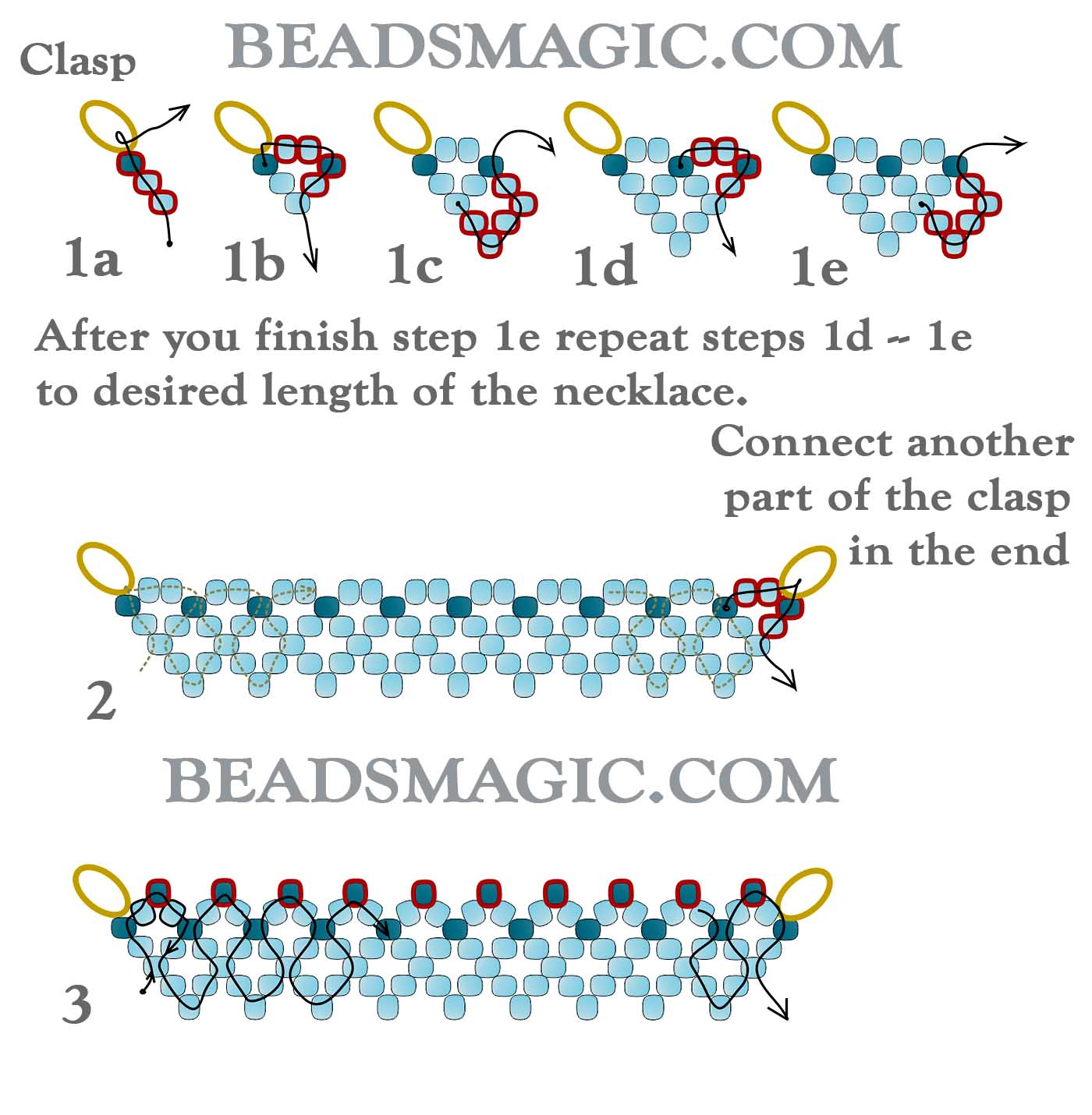
Step-by-Step Guide: Crafting a Modern Geometric Peyote Stitch Cuff
The flat-even count peyote stitch remains a foundational technique for creating structured, fabric-like beadwork. By utilizing precision cylinder beads, you can achieve a crisp, tile-like mosaic surface.
Tools and Materials Required
- Miyuki Delica size 11/0 seed beads in three contrasting matte and metallic colors.
- Beading thread (such as FireLine 6lb test or WildFire 0.15mm).
- Size 10 or 12 beading needles.
- A slide-lock magnetic clasp or toggle clasp.
- Sharp thread snips and a bead mat.
Execution Workflow
- Thread Preparation: Cut an arm's length of beading thread (approximately 5 feet) and thread your needle, leaving a 6-inch tail for securing later.
- Foundation Row Construction: Pick up an even number of beads for your desired width (e.g., 10 beads). These will form Row 1 and Row 2 combined in the odd-count/even-count setup phase.
- Stitching the Turnaround: Pick up one new bead, skip the bead on the base row directly adjacent to your needle, and pass your needle down through the next bead. Pull the thread snug.
- Building the Mosaic: Continue picking up one bead at a time, stepping up through each protruding bead of the previous row until the strip reaches your wrist circumference minus the clasp length.
- Securing the Clasp: Weave your working thread back through the edge beads multiple times to reinforce the end loops, attach your clasp securely with square knots, and weave in all loose tail threads.
Creative Bead Design Concepts for Everyday Projects
Finding inspiration for your next crafting session often starts with experimenting at the intersection of different artistic mediums. Here are several standout bead ideas categorized by style and application:
- Asymmetrical Gemstone Lariats: Combine delicate gold-filled cable chain with raw, uncut quartz points and small seed bead clusters for an effortless layered necklace look.
- Neón and Neutral Brick Stitch Earrings: Pair ultra-bright neon pink or chartreuse cylinder beads with soft cream or matte black frames to create striking geometric drop earrings.
- Upcycled Denim and Bead Embroidery: Stitch vintage glass beads directly onto thrifted denim jackets along seam lines to give worn-out garments a bespoke, high-fashion update.
- Stackable Delica Tile Bracelets: Weave repeating color-block patterns using grid-based patterns that mimic vintage tilework, worn in stacks of three to five for maximum impact.
Artisan Pro-Tip for Long-Lasting Jewelry
Thread Tension Control: Always maintain consistent, moderate tension while weaving. Pulling too tight causes the beadwork to warp and curl, while loose tension leads to exposed thread and sagging geometric patterns. If your work begins to curve unnaturally, gently flex the piece in the opposite direction and adjust your pull strength on subsequent rows.
Advantages and Disadvantages of Different Stringing Media
Choosing between flexible wire, monofilament, and woven threads directly influences how your jewelry drapes and how long it survives daily wear.
- Beading Wire (e.g., Soft Flex, Beadalon):
- Pros: Highly flexible, kink-resistant, available in multiple strand counts (7, 21, 49), perfect for heavy gemstones.
- Cons: Requires specialized crimp beads and tools to secure; cannot pass through tiny seed bead holes multiple times.
- Nylon-Coated Woven Thread (e.g., FireLine):
- Pros: Extremely strong, virtually un-stretchable, fits through microscopic seed bead holes repeatedly.
- Cons: Can fray if sawed against sharp-edged metal findings; lacks the metallic stiffness of wire.
- Elastic Cord:
- Pros: Quick to assemble, ideal for stretch bracelets without clasps.
- Cons: Prone to UV degradation and stretching out over time; catastrophic breakage risk if knotted poorly.
Frequently Asked Questions About Bead Crafting
What are the best beads for beginners to start with?
Czech pressed glass beads and size 8/0 or 6/0 seed beads are ideal for beginners because their larger holes make threading significantly easier without requiring specialized needles.
How do I prevent my beaded bracelets from stretching or breaking?
Use high-tenacity braided threads like FireLine or multi-strand coated beading wire, and always finish your designs with secure square knots secured with a tiny drop of hypoallergenic jewelry glue.
What is the difference between peyote stitch and brick stitch?
Peyote stitch creates a horizontal, brick-like offset pattern built row by row, whereas brick stitch builds vertical columns where the thread passes under the loops of the previous row.
How can I clean and maintain handmade beaded jewelry?
Gently wipe your jewelry with a damp, soft microfiber cloth after wear to remove skin oils, and store pieces flat in lined jewelry boxes away from direct sunlight to prevent fading.
Where can I find reliable patterns for bead weaving?
Reputable sources include specialized beading magazines, independent artisan shops on platforms like Etsy, and digital libraries provided by major bead manufacturers such as Miyuki and Perles & Co.
Start Your Beading Journey Today
Transforming raw materials into stunning, wearable art is a deeply rewarding craft that combines patience, geometry, and boundless creativity. Gather your supplies, select a foundational project from this guide, and begin crafting your custom collection today.
Image Gallery