Exploring St. Clair Cemetery in Greensburg: A Comprehensive Guide to History, Services, and Genealogy
St. Clair Cemetery in Greensburg, Pennsylvania, is a premier non-sectarian burial ground spanning over 100 acres of rolling landscape. Established in 1856, it offers a full spectrum of interment services including traditional ground bu...
St. Clair Cemetery in Greensburg, Pennsylvania, is a premier non-sectarian burial ground spanning over 100 acres of rolling landscape. Established in 1856, it offers a full spectrum of interment services including traditional ground burials, community mausoleum crypts, and modern cremation niches. It serves as a vital historical repository for Westmoreland County’s heritage and remains an active, beautifully maintained park-like setting for memorialization.
Contents
Historical Foundations and Evolution of the Grounds
The story of St. Clair Cemetery is deeply intertwined with the development of Greensburg and the broader Westmoreland County region. While many visitors confuse it with the original "Old St. Clair Cemetery" (now St. Clair Park in downtown Greensburg), the current St. Clair Cemetery was established in the mid-19th century to address the growing need for a dedicated, permanent, and expansive burial space outside the immediate town center.
Incorporated in 1856, the cemetery was designed during the "Rural Cemetery Movement," a period in American history where burial grounds transitioned from crowded, utilitarian churchyards to landscaped, park-like settings. This movement emphasized the dignity of the deceased and provided a peaceful space for the living to reflect. Over the decades, the St. Clair Cemetery Association has managed the expansion of the grounds, ensuring that the transition from Victorian-era upright monuments to the modern "Memorial Park" sections—where flat bronze markers maintain a lawn-like appearance—was handled with aesthetic consistency.
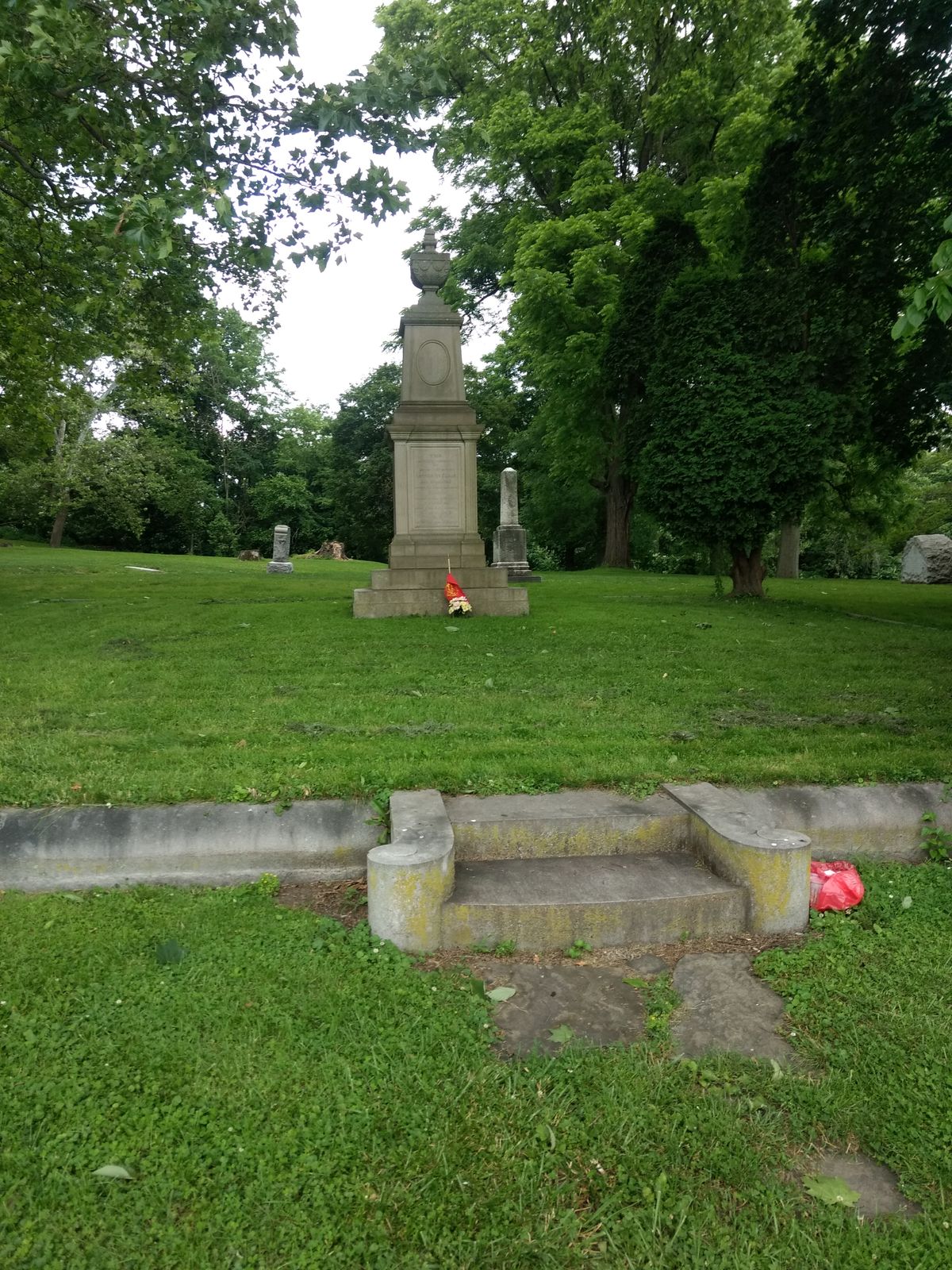
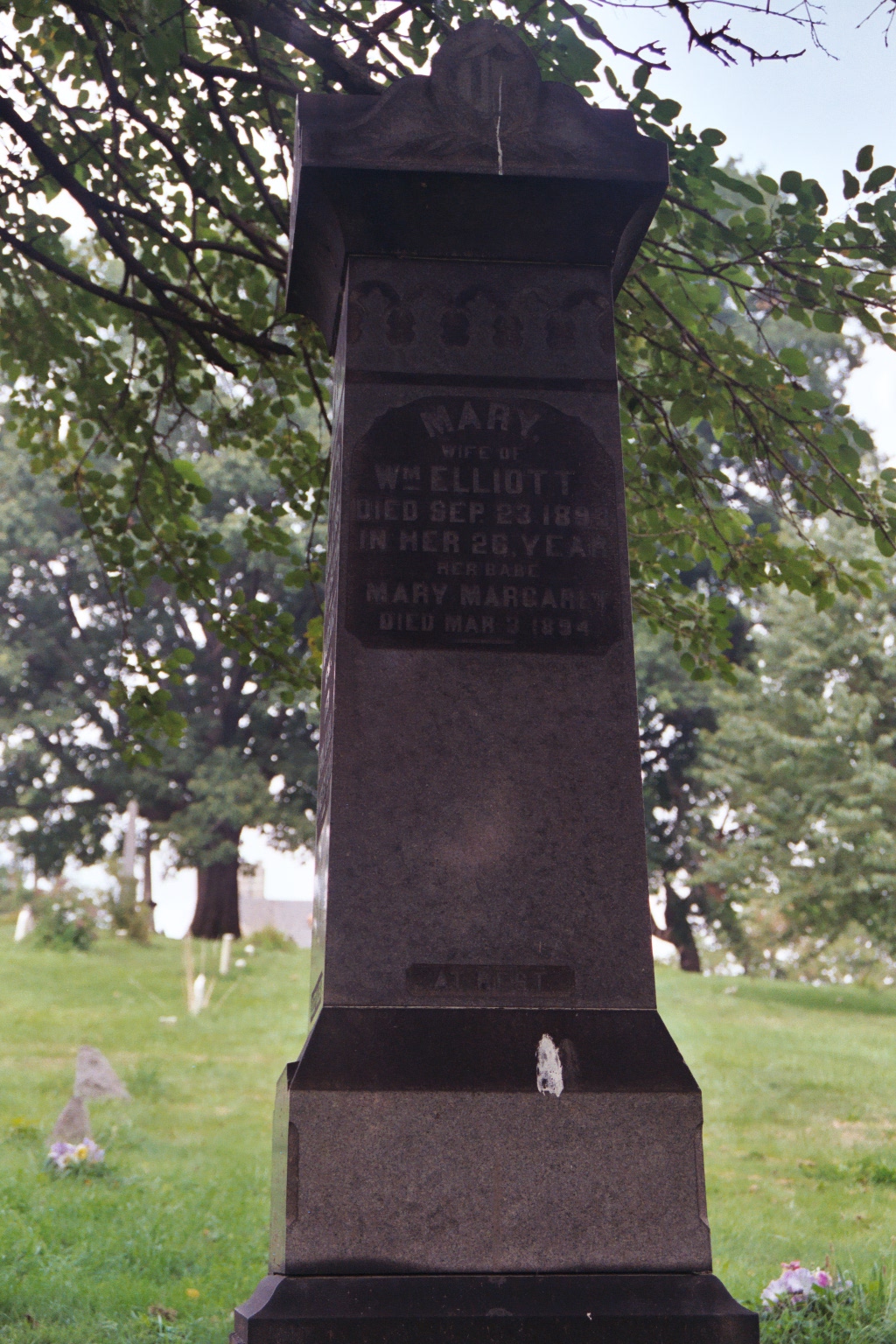
By 2026, the cemetery has matured into a complex landscape featuring mature hardwoods, ornamental shrubbery, and diverse architectural styles. The older sections near the main entrance reflect 19th-century funerary art, with tall obelisks and intricately carved granite, while the eastern and northern expansions cater to contemporary preferences for simplicity and ease of maintenance.
Understanding Interment Options and Services in 2026
St. Clair Cemetery provides several distinct environments for memorialization. Selecting a final resting place involves understanding the structural and aesthetic differences between these sections.
Traditional Ground Burials
Traditional burial remains the cornerstone of the cemetery’s services. The grounds are divided into sections that permit either upright monuments or flat markers.
- Monument Sections: These areas allow for traditional vertical headstones, providing a classic aesthetic. Families often purchase multiple contiguous lots to create a unified family plot marked by a large central monument.
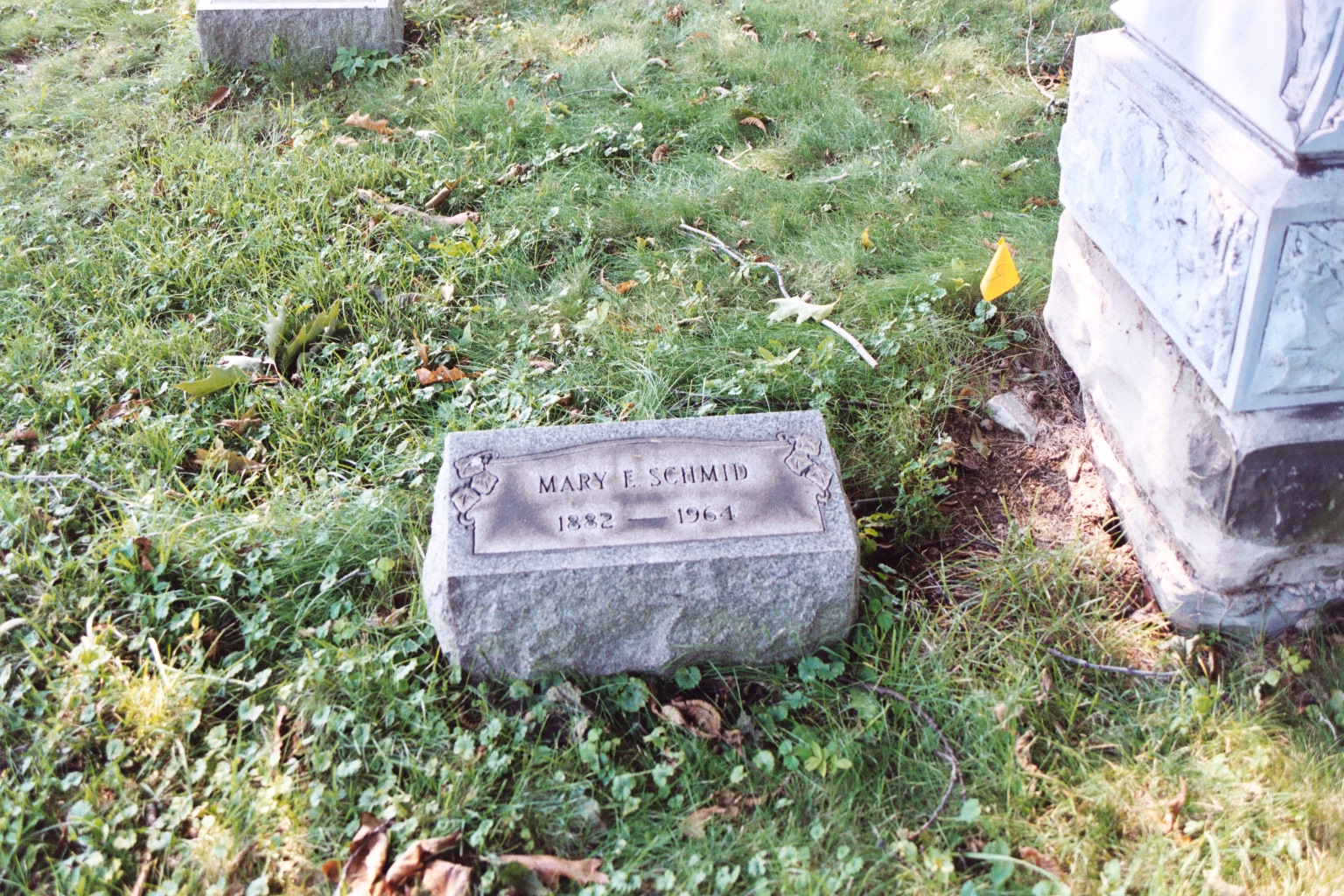
- Memorial Park Sections: To preserve a seamless, open landscape, these sections require bronze markers set flush with the ground. This style is often preferred for its modern look and the ease with which the grounds can be maintained.
The St. Clair Community Mausoleum
For those who prefer entombment above ground, the Community Mausoleum is a significant feature of the property. This structure provides a clean, climate-controlled environment for visitors. It offers both interior and exterior crypts. The interior sections are often sought after for the comfort they provide to grieving families during inclement Pennsylvania winters, while the exterior "garden" crypts offer a more direct connection to the cemetery’s natural beauty.
Cremation Memorialization
As cremation rates continue to rise in 2026, St. Clair Cemetery has expanded its specialized offerings for "cremains."
- Columbariums: These are free-standing structures containing niches where urns are placed. They are typically finished with granite or bronze fronts suitable for engraving.
- Cremation Gardens: Dedicated areas designed specifically for the interment of ashes, often featuring smaller markers or communal memorial features.
- Niche Entombment: Many areas within the Community Mausoleum are dedicated to glass-front or marble-front niches, allowing for the display of personal urns and mementos.
Navigating the Grounds: Layout and Accessibility
Spanning approximately 100 acres, the cemetery is located at 944 St Clair Way, Greensburg, PA. Navigating the site requires an understanding of its tiered road system. The main office is situated near the primary entrance, providing visitors with maps and assistance in locating specific gravesites.
The cemetery is organized into numbered and lettered sections. Newer sections are generally found on the perimeter, while the historic core occupies the central and western elevations. The roads are paved and wide enough for two-way traffic, though visitors are encouraged to drive slowly and remain on the pavement to protect the turf and shallow-set markers.
| Interment Type | Section Availability | Marker Requirement | Primary Benefit |
|---|---|---|---|
| Upright Monument Lot | Historic/Select New Sections | Vertical Granite | Traditional, highly visible memorialization |
| Flush Marker Lot | Memorial Park Sections | Flat Bronze on Granite | Open, park-like landscape; easy maintenance |
| Indoor Crypt | Community Mausoleum | Inscribed Marble Front | Climate-controlled, above-ground entombment |
| Outdoor Crypt | Garden Mausoleum | Inscribed Granite Front | Direct access to nature; above-ground |
| Cremation Niche | Columbarium/Mausoleum | Glass or Granite Front | Specialized, space-efficient for urns |
Notable Interments and Cultural Heritage
St. Clair Cemetery serves as the final resting place for many individuals who shaped the industrial, political, and social fabric of Western Pennsylvania. While Major General Arthur St. Clair himself is interred in the downtown park that bears his name, this cemetery houses generations of his descendants and many of the "Coal and Steel Barons" who drove the region’s economy in the early 20th century.
Walking through the older sections, one finds the names of prominent local families like the Coulters, Huff, and Barclay families. Their private mausoleums and large-scale monuments are examples of high-status funerary architecture. Furthermore, the cemetery has a deep commitment to veterans. Large sections are dedicated to those who served in the Civil War, World War I, World War II, Korea, and Vietnam. Annual Memorial Day services are a staple of the Greensburg community, emphasizing the cemetery’s role as a site of civic memory.
Genealogy and Record Research Procedures
For genealogists and family historians, St. Clair Cemetery is a primary source of data in Westmoreland County. The cemetery association maintains detailed records that often include interment dates, ages at the time of death, and family plot ownership.
When conducting research, it is recommended to follow these steps:
- Online Databases: Start with resources like Find A Grave, where thousands of memorials for St. Clair Cemetery have been photographed and transcribed by volunteers.
- Contacting the Office: For official verification, the cemetery office can be contacted during business hours. Note that extensive research requests may require a fee or significant lead time, especially during peak seasons.
- On-Site Verification: Visiting in person allows researchers to see the physical proximity of graves, which often reveals family connections not documented in basic text records (e.g., in-laws or siblings buried in adjacent plots).
- Local Historical Societies: The Westmoreland Historical Society often holds supplementary records, such as old maps or newspaper obituaries, that complement the cemetery's internal data.
Rules, Regulations, and Decoration Policies
To maintain the dignity and safety of the grounds, the St. Clair Cemetery Association enforces specific regulations. These rules are common in perpetual care cemeteries but are vital for visitors to understand before placing memorials or decorations.
- Plantings: Generally, the planting of trees or large shrubs by individuals is prohibited as roots can disturb vaults and headstone foundations. Some sections allow for small seasonal plantings immediately in front of upright monuments.
- Artificial Decorations: Silk flowers and wreaths are usually permitted but must be removed according to the cemetery's seasonal cleanup schedule (typically in early spring and late fall).
- Security and Hours: The grounds are generally open from dawn to dusk. Restricted access at night helps prevent vandalism and protects the historic monuments.
- Construction: All foundations for headstones must be poured by the cemetery staff or authorized contractors to ensure they meet the weight-bearing requirements for the local soil.
Frequently Asked Questions
What is the difference between St. Clair Park and St. Clair Cemetery?
St. Clair Park, located in downtown Greensburg, is the site of the original borough graveyard where Major General Arthur St. Clair is buried. It was closed to new burials in the 19th century and converted into a park. St. Clair Cemetery, located on St. Clair Way, is the modern, active cemetery established in 1856 to replace the downtown site.
Can I purchase a burial plot in advance?
Yes, pre-planning (or "pre-need" purchasing) is highly encouraged by the St. Clair Cemetery Association. Purchasing a lot in 2026 allows families to lock in current pricing and ensures that their preferences for section and burial type are honored, relieving the burden on surviving family members.
Does the cemetery allow for green or natural burials?
As of 2026, St. Clair Cemetery primarily focuses on traditional burials that utilize vaults (required for ground stability). Those interested in natural burial options should contact the office directly to inquire about any newly designated sections or specific requirements for biodegradable caskets.
Are there specific sections for veterans?
While veterans are buried throughout the cemetery, there are specific areas where military honors are frequently held, and the cemetery works closely with the Westmoreland County Department of Veterans Affairs to ensure that all eligible veterans receive their government-provided markers.
How are the maintenance costs of the cemetery funded?
St. Clair Cemetery is a perpetual care cemetery. This means that a portion of the purchase price of every lot and interment fee is placed into a trust fund. The interest generated from this fund is used to maintain the grass, roads, and general infrastructure of the cemetery indefinitely.
Practical Recommendation for Visitors and Researchers
If you are visiting for the first time, your first stop should be the administrative office located near the St. Clair Way entrance. Request a physical map of the sections, as GPS coordinates on mobile devices can sometimes be inaccurate in the more densely wooded or hilly parts of the cemetery. For those planning a funeral or purchasing a lot, it is advisable to schedule an appointment with a counselor to walk the grounds and compare the different memorial park versus monument sections in person.
Image Gallery