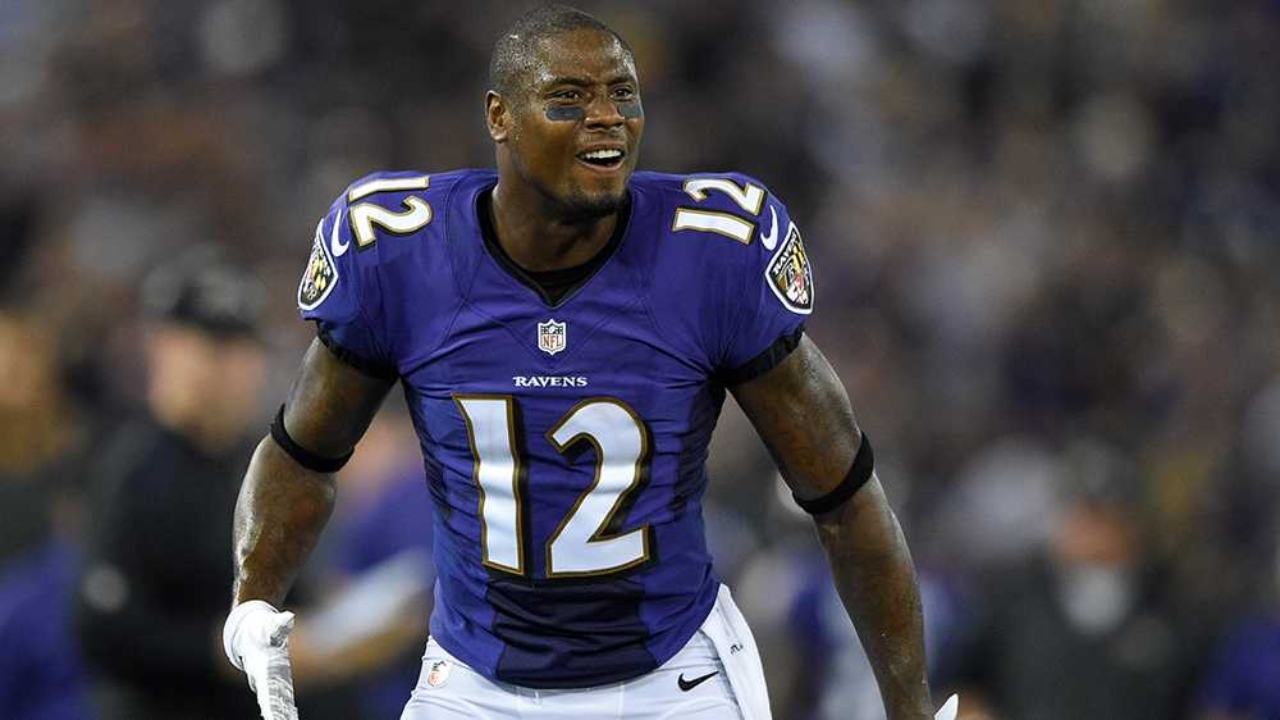
Jacoby Jones and Quavo Net Worth Overview: Career Earnings and Financial Legacy in 2026
As of 2026, the financial landscapes of the late NFL star Jacoby Jones and the hip-hop mogul Quavo reflect two distinct but successful paths through the American entertainment and sports industries. Before his passing in 2024, Jacoby J...
As of 2026, the financial landscapes of the late NFL star Jacoby Jones and the hip-hop mogul Quavo reflect two distinct but successful paths through the American entertainment and sports industries. Before his passing in 2024, Jacoby Jones had a net worth estimated at $5 million to $7 million, primarily built through his nine-season NFL career. Quavo, as a founding member of Migos and a solo powerhouse, maintains a net worth estimated at $30 million, driven by music royalties, global touring, and strategic brand investments.
Contents
The Financial Legacy of Jacoby Jones: An NFL Journey
Jacoby Jones remains a legendary figure in professional football, specifically remembered for his pivotal role in the Baltimore Ravens' Super Bowl XLVII victory. His net worth in 2026 is viewed through the lens of his estate and the financial foundations he built during his tenure in the National Football League (NFL) from 2007 to 2015.
NFL Contract Breakdowns and Career Earnings
Jones’ primary source of wealth was his professional football contracts. Over the course of nine seasons with the Houston Texans, Baltimore Ravens, San Diego Chargers, and Pittsburgh Steelers, his total career earnings exceeded $23 million in gross salary, bonuses, and incentives.
- The Houston Texans Era (2007–2011): Drafted in the third round out of Lane College, Jones signed an initial four-year contract worth approximately $2.2 million. However, his breakout as a return specialist led to a significant three-year extension in 2011 worth $10.5 million, though he was released before the full term was completed.
- The Baltimore Ravens Impact (2012–2014): This was the most financially and professionally significant period of his life. After signing a two-year, $7 million deal, Jones delivered one of the greatest post-season performances in history. His performance in the "Mile High Miracle" and the Super Bowl significantly increased his marketability.
- The Final Contracts: In 2014, he signed a four-year, $12 million extension with the Ravens. Even though he was released in 2015, the structure of NFL contracts—specifically signing bonuses—ensured he retained a substantial portion of that wealth.
Beyond the Gridiron: Media and Coaching
Following his active playing days, Jones transitioned into media and coaching, which provided a steady post-career income stream. His appearance on the 16th season of Dancing with the Stars, where he finished in third place, was not only a cultural milestone but a lucrative venture. Contestants on the show typically earn a starting fee of $125,000, with bonuses that can drive the total to over $300,000 depending on how long they remain in the competition.
In his final years, Jones turned to coaching, serving as a wide receivers coach at various institutions, including Lane College and Alabama State. While collegiate coaching salaries at the FCS and Division II levels are modest compared to NFL player salaries, they provided a stable professional environment and allowed his NFL pension and investments to grow.
Quavo’s Multi-Faceted Empire: From Migos to Solo Mogul
Quavious Keyate Marshall, known globally as Quavo, represents the modern "artist-entrepreneur." By 2026, his wealth has transcended the music industry, diversifying into film, fashion, and sports-related ventures.
Music Royalties and The Migos Era
The foundation of Quavo’s $30 million net worth is the massive success of Migos. The trio revolutionized the "trap" sound, leading to multi-platinum albums like Culture and Culture II. During the peak of Migos, the group was reportedly earning upwards of $250,000 per show.
As a solo artist, Quavo has maintained this momentum. His solo debut Quavo Huncho and subsequent projects like Rocket Power (2023) have generated millions of streams. In the modern music economy, streaming represents a consistent "passive" income, but for a top-tier artist like Quavo, the real revenue lies in:
- Publishing Rights: As a primary songwriter for Migos and his solo work, Quavo owns a significant portion of his publishing.
- Feature Fees: Quavo has been one of the most featured artists in hip-hop, often commanding six-figure sums for a guest verse.
Business Investments and Endorsements
Quavo has been highly strategic in how he leverages his brand. In 2026, his portfolio includes more than just music. He has secured major endorsement deals with brands like Lids, where he has served as an equity partner and ambassador, and Fanatics.
His interest in sports has also translated into financial stakes. Quavo is an investor in Legends, an athletic apparel brand, and has been a visible face for the FCF (Fan Controlled Football) league. These equity positions are crucial for long-term wealth because they offer potential for massive exits that traditional salary-based income does not.
Comparative Financial Profile
The following table compares the key financial metrics of Jacoby Jones and Quavo as of 2026, highlighting the different structures of wealth in sports versus music.
| Feature | Jacoby Jones (Estate/Legacy) | Quavo (Current Portfolio) |
|---|---|---|
| Estimated Net Worth | $5M – $7M | $30M |
| Primary Income Source | NFL Salaries & Bonuses | Music Royalties & Touring |
| Peak Annual Earnings | ~$4.5M (2014) | ~$15M - $20M (Group peak years) |
| Major Business Asset | NFL Pension & Real Estate | Publishing Catalog & Brand Equity |
| Industry Influence | Super Bowl Champion / Coach | Grammy Nominee / Entrepreneur |
| Financial Strategy | High-yield savings & Coaching | Diversified Equity & Media Production |
Factors Influencing Net Worth and Wealth Management
Understanding the net worth of these two individuals requires looking at the technical aspects of how wealth is managed in their respective fields.
Tax and Management Deductions
It is a common misconception that "career earnings" equal "net worth." For Jacoby Jones, his $23 million in NFL earnings was subject to significant "leakage":
- Federal and State Taxes: Often totaling 40-45%.
- Agent Fees: Capped at 3% for NFL contracts.
- Jock Taxes: Players pay income tax in every state where they play an away game.
Similarly, Quavo’s earnings are subject to:
- Management Fees: Typically 15-20% of gross income.
- Legal Fees: Crucial for contract negotiations and intellectual property protection.
- Production Costs: Touring involves massive overhead, including travel, security, and stage design.
The Impact of Longevity and Diversification
The primary difference between the two lies in the "ceiling" of their respective industries. NFL players have a finite window of high-earning potential due to the physical toll of the game. Once a player retires, their income typically shifts to lower-yielding assets or pensions.
In contrast, a music artist’s earning potential can span decades. By diversifying into acting (with roles in films like Savage Salvation) and business ownership, Quavo has ensured that his income is not solely dependent on his ability to perform on stage. This "horizontal expansion" is the hallmark of modern celebrity wealth building.
Frequently Asked Questions
What was Jacoby Jones’ largest NFL contract?
Jacoby Jones’ largest contract was a four-year extension with the Baltimore Ravens signed in 2014, valued at $12 million. This deal included a $3.5 million signing bonus. Prior to this, he had signed a $10.5 million deal with the Houston Texans in 2011, though he was released just one year into that agreement.
How does Quavo make money outside of music?
Quavo earns significant income through equity partnerships and brand endorsements. He has a major partnership with the headwear retailer Lids and has invested in the athletic brand Legends. Additionally, he has transitioned into acting and film production, which provides both upfront salaries and backend royalties.
Did Jacoby Jones lose money after his NFL career?
There is no evidence that Jacoby Jones faced significant financial hardship post-NFL. Unlike many professional athletes who struggle after retirement, Jones remained active in the football community through coaching and media appearances. His estate in 2026 reflects a well-managed transition from athlete to professional coach and television personality.
Is Quavo the wealthiest member of Migos?
While all three members of Migos (Quavo, Offset, and the late Takeoff) achieved significant wealth, Quavo and Offset are generally cited as having the highest net worths due to their extensive solo projects, fashion collaborations, and external business investments. Quavo’s consistent presence in the "feature" market has also been a major contributor to his liquid assets.
How did Jacoby Jones’ passing affect his net worth?
Upon his passing in 2024, Jacoby Jones’ net worth became part of his estate. In 2026, this estate is managed for the benefit of his heirs. NFL life insurance policies and the league's pension plan often provide additional financial security for the families of former players, ensuring his financial legacy remains intact.
Summary of Financial Standing
The comparison of Jacoby Jones and Quavo highlights the varying scales of wealth in the 2026 entertainment economy. Jacoby Jones represents the successful "Pro Athlete" model—earning a high-tier salary over a decade and parlaying that into a respected coaching career. Quavo represents the "Global Brand" model, where music serves as the launchpad for a multi-million dollar business empire. Both individuals utilized their platforms to achieve financial independence, though the mechanics of their wealth—from NFL signing bonuses to music publishing—operate on entirely different financial principles.
Next Action for Readers: To better understand the financial structures mentioned here, research the difference between guaranteed money in NFL contracts and publishing points in the music industry to see how high-net-worth individuals protect their long-term earnings.
Image Gallery