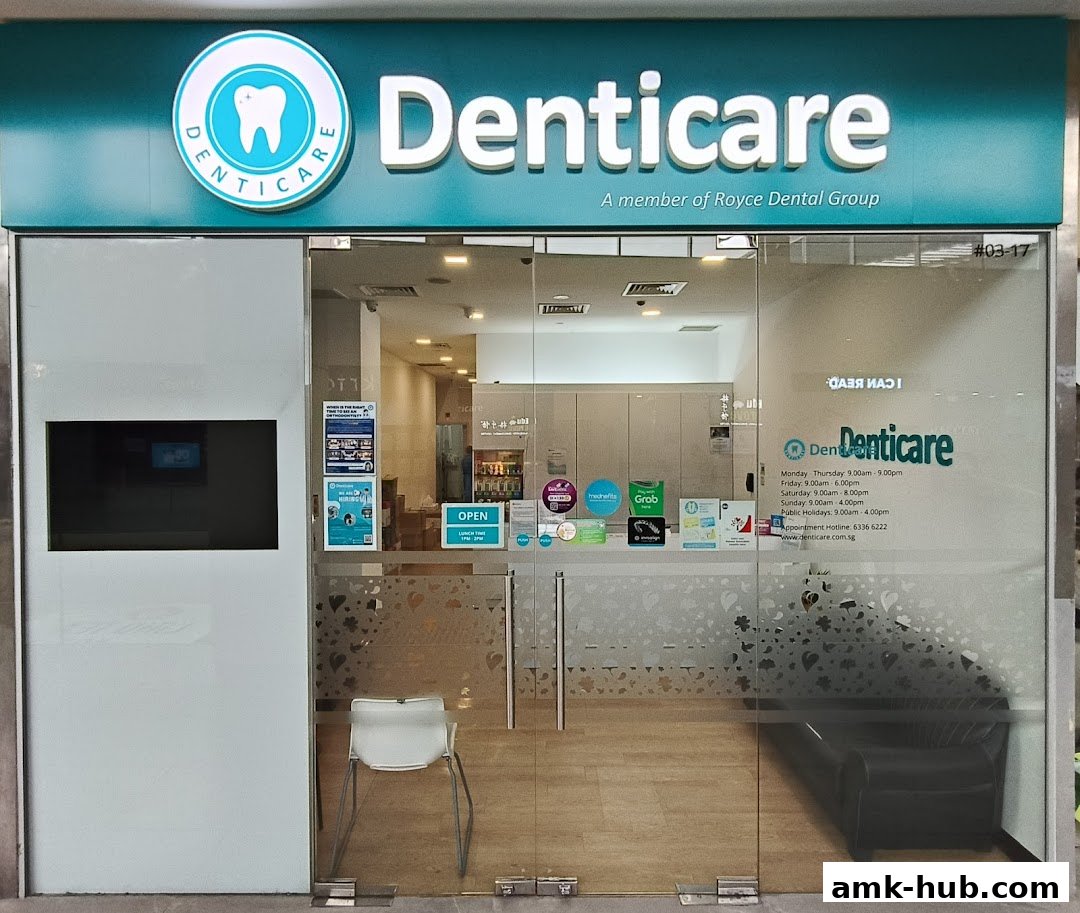
A Comprehensive Guide to Dental Care in Singapore
Dental care in Singapore is characterized by a sophisticated, two-tiered healthcare system comprising high-quality public dental clinics and a vast network of private practitioners. Patients have access to world-class clinical standard...
Dental care in Singapore is characterized by a sophisticated, two-tiered healthcare system comprising high-quality public dental clinics and a vast network of private practitioners. Patients have access to world-class clinical standards, modern diagnostic technology, and a wide range of specialized services, though costs vary significantly depending on the provider, the complexity of the procedure, and eligibility for government subsidies.
Contents
Understanding the Structure of Singaporean Dental Services
The dental landscape in Singapore is divided between public institutions and private practices. Public dental services are primarily administered by the Singapore Health Services (SingHealth), National Healthcare Group (NHG), and the National University Health System (NUHS). These institutions operate polyclinics that provide essential, subsidized dental care to Singaporean citizens and Permanent Residents.
Private dental practices, conversely, range from boutique clinics in the Central Business District to neighborhood dental centers. These private entities offer shorter waiting times, more personalized service, and a broader range of elective or cosmetic procedures, such as advanced orthodontics, dental implants, and professional teeth whitening. While private clinics are typically more expensive than polyclinics, they remain the primary choice for individuals seeking immediate attention or highly specialized cosmetic treatments not covered by government subsidies.
Eligibility and Subsidies for Residents
For Singapore Citizens and Permanent Residents, the government provides financial assistance to lower the barrier to essential dental care. The primary mechanism for this is the Community Health Assist Scheme (CHAS). CHAS cardholders receive subsidies for specific dental procedures, such as scaling and polishing, fillings, extractions, and dentures, at participating private dental clinics.
It is essential for patients to verify their subsidy eligibility using their Singpass account before booking an appointment. While subsidies significantly reduce out-of-pocket expenses, they do not cover the entirety of complex treatments like implants or surgical extractions. Furthermore, funds from a patient’s MediSave account may be used for certain surgical dental procedures, such as wisdom tooth removal, provided the treatment meets the criteria set by the Ministry of Health (MOH).
Comparative Overview of Dental Care Options
Choosing between a public polyclinic and a private clinic often comes down to a trade-off between cost-efficiency and convenience. The following table provides a high-level comparison to assist patients in their decision-making process.
| Feature | Public Polyclinic | Private Dental Clinic |
|---|---|---|
| Primary Focus | Preventive and essential care | Comprehensive, elective, and specialized |
| Wait Times | Typically longer; appointment required | Usually shorter; often same-day availability |
| Cost | Subsidized for eligible residents | Market-based; higher baseline costs |
| Scope of Services | Standard (filling, extraction, cleaning) | Full scope (implants, braces, aesthetics) |
| Specialists | Limited availability | High availability of specialists |
Key Considerations Before Undergoing Dental Procedures
Regardless of the facility chosen, patients must prioritize clinical transparency. In 2026, the standard of care remains governed by the Singapore Dental Council (SDC), which ensures that all registered dentists adhere to strict ethical and professional guidelines.
- Consultation and Diagnosis: Always request a comprehensive examination before committing to expensive procedures. A reputable dentist should provide a clear diagnosis, explain the risks and benefits of the proposed treatment, and offer alternative options.
- Cost Transparency: Private clinics are required to provide a clear breakdown of estimated fees. Do not hesitate to ask for a formal quotation that includes laboratory fees, materials, and follow-up costs.
- Credential Verification: The SDC maintains a public register of dentists. Patients can verify the registration status and specialization of any practitioner on the official SDC website to ensure they are qualified to perform the required procedure.
- Medical History Disclosure: Always disclose pre-existing medical conditions, allergies, or medications currently being taken, as these can significantly affect dental treatment outcomes, especially in surgeries involving anesthesia.
Navigating Specialized Dental Treatments
When moving beyond routine check-ups, patients may require specialized intervention. Orthodontics (braces and clear aligners), periodontics (gum health), and prosthodontics (implants and crowns) require practitioners with postgraduate training.
In Singapore, specialists are required to be registered under the SDC’s List of Specialists. When considering complex work, it is advisable to seek a consultation with a certified specialist rather than a general practitioner, especially for cases involving bone grafting, sinus lifts, or complex malocclusion. While the cost will be higher, the long-term success rate and predictability of specialized care are generally superior.
Maintaining Dental Health in the Tropics
Maintaining oral hygiene in Singapore’s humid climate does not require specialized tools, but it does necessitate consistent habits. Regular professional cleaning every six months is recommended by the Singapore Dental Association to prevent common issues such as gingivitis and periodontitis.
High sugar intake and frequent snacking, common in modern urban lifestyles, are primary drivers of dental decay. Dentists often emphasize the importance of interdental cleaning—using floss or interdental brushes—in addition to standard brushing, as a significant portion of oral disease starts in the spaces between teeth where bristles cannot reach.
Frequently Asked Questions
Are foreigners eligible for dental subsidies in Singapore? No. Government subsidies under schemes like CHAS and the use of MediSave for dental procedures are strictly reserved for Singapore Citizens and Permanent Residents. Foreigners must pay full market rates at both public and private clinics.
How do I find a reputable dentist? Start by using the Singapore Dental Council’s register to verify credentials. Additionally, look for clinics that are members of the Singapore Dental Association, which serves as a professional body promoting high ethical standards.
Is wisdom tooth surgery covered by MediSave? Yes, surgical extraction of wisdom teeth is considered a surgical procedure and is eligible for MediSave claims, subject to the specific limits and approval criteria set by the Ministry of Health.
What should I do in a dental emergency? If you experience severe pain, swelling, or trauma, contact a dental clinic immediately. Most private clinics reserve time slots for emergency cases. For after-hours emergencies, several large private dental groups provide 24-hour helplines or referral services to hospital emergency departments.
Why is there such a large price gap between clinics? Pricing in private clinics is influenced by factors such as location (e.g., rental costs in the Orchard district), the level of technology employed (e.g., 3D digital imaging vs. traditional X-rays), and the seniority or specialization of the attending dentist.
Final Recommendation
To ensure the best outcome for your dental health, start by scheduling a routine check-up and cleaning at a clinic convenient to your home or office. If you are a resident, check your CHAS eligibility on the official government portal before your appointment to maximize your benefits. For complex restorative or cosmetic work, prioritize clinics that offer clear digital treatment planning and transparent, itemized billing.
Image Gallery