Does Isabel Preysler Speak Tagalog? Fact-Checking Her Linguistic Background in 2026
The linguistic capabilities of high-profile celebrities frequently spark public curiosity, particularly when their personal histories span multiple cultures and countries. María Isabel Preysler Arrastia, widely known globally as Isabel...
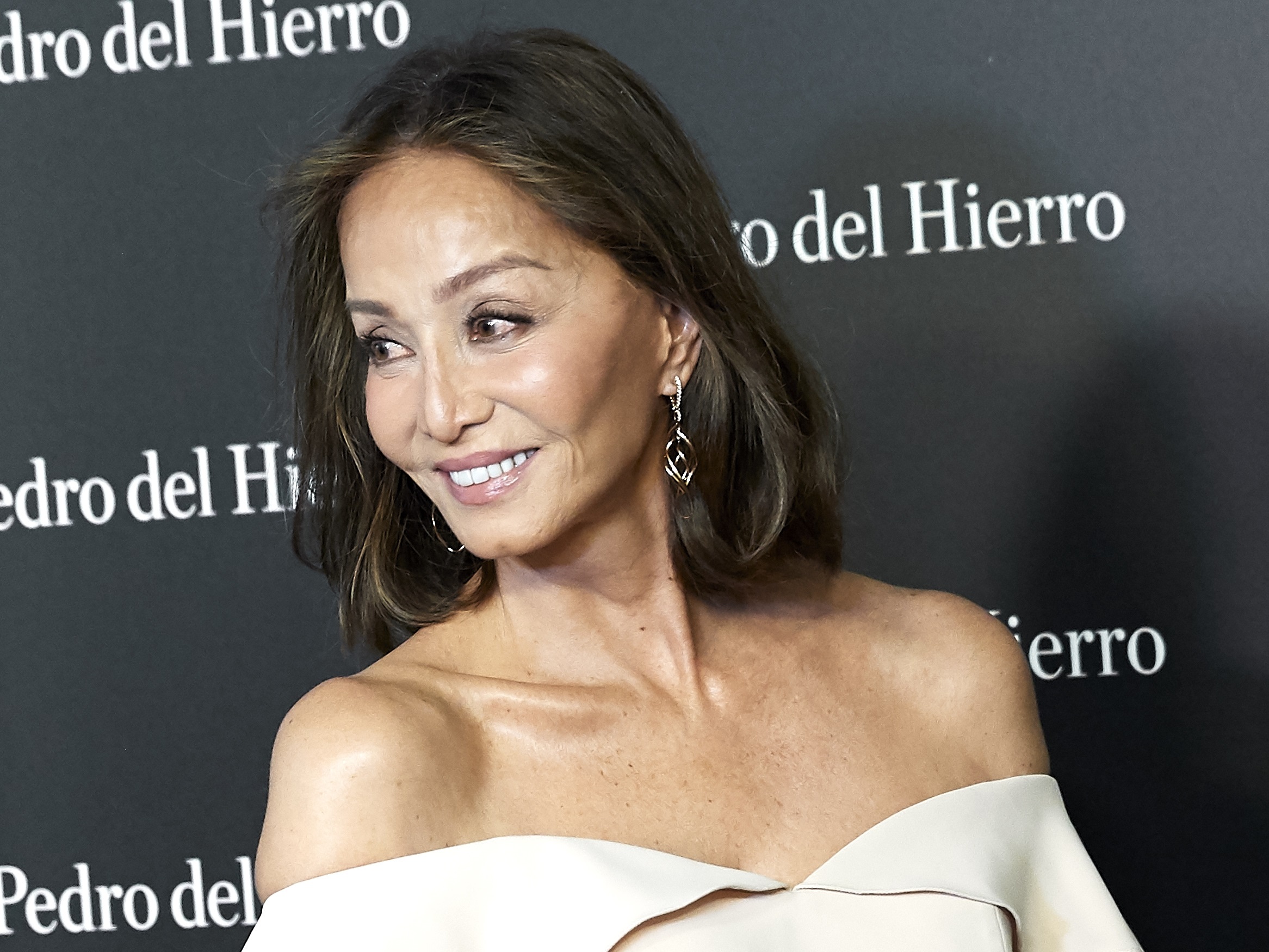
The linguistic capabilities of high-profile celebrities frequently spark public curiosity, particularly when their personal histories span multiple cultures and countries. María Isabel Preysler Arrastia, widely known globally as Isabel Preysler, is a legendary Filipino-Spanish socialite and television host whose life intersects deeply with both the Philippines and Spain. As global audiences continue to follow her legacy, a recurring question persists across search engines in 2026: does Isabel Preysler speak Tagalog?
Contents
Evaluating her linguistic proficiency requires looking closely at her upbringing in Manila, her formal education, her relocation to Madrid during her youth, and how her multi-ethnic background shaped her spoken languages. This deep dive examines her actual language competencies, dispels common misconceptions, and contextualizes her relationship with the languages of her heritage.
The Early Years in Manila: Linguistic Roots and Family Dynamics
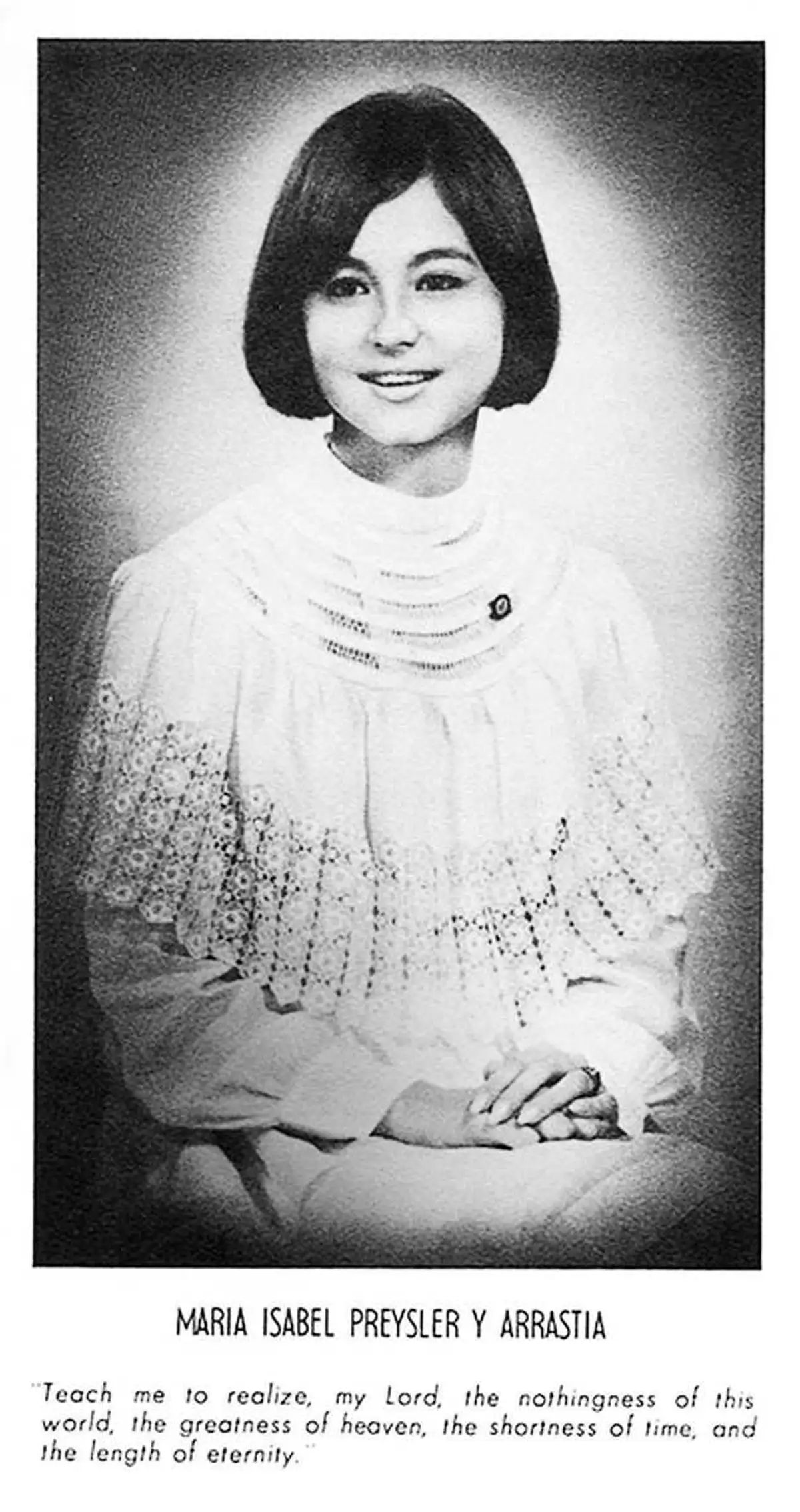
Isabel Preysler was born on January 18, 1951, in Manila, Philippines, into a wealthy, prominent family of Spanish and Kapampangan descent. Growing up in the affluent district of Forbes Park, her early environment exposed her to a diverse linguistic tapestry. However, the domestic and social spheres of upper-class families in Manila during the 1950s and 1960s operated under distinct cultural norms regarding language usage.
- Spanish Heritage: Her father, Carlos Preysler Pérez de Tagle, served as the executive director of the Manila Electric Company and descended from Spanish ancestry. Spanish remained a prominent language in elite Filipino circles during her childhood.
- Kapampangan Roots: Her mother, María Beatriz Saludes Arrastia y King, came from a well-known family in Pampanga, meaning regional Philippine languages were present in the extended family network.
- English Education: Preysler attended Assumption Convent, a prestigious all-girls Catholic institution in Manila where English served as the primary medium of instruction for academic subjects.
Despite growing up in the Philippines, elite private education and high-society households in mid-20th-century Manila heavily prioritized Spanish and English over national vernaculars like Tagalog for formal instruction and social prestige.
Does Isabel Preysler Actually Speak Tagalog?
To answer the core question directly: while Isabel Preysler understands conversational or basic expressions due to her childhood exposure in Manila, she is not fluent in Tagalog, nor does she use it as an active working or social language. Her primary active languages are Spanish and English.
The linguistic profile of upper-class Filipinos of her generation explains this dynamic. During her formative years, Spanish was still widely spoken among the Manila elite, and English dominated business and education. Tagalog (the basis of the national language, Filipino) was spoken by domestic staff, market vendors, and the general populace, but it was frequently secondary in the private school circles where Preysler moved.
Linguistic Reality of the Manila Elite: Upper-class households in mid-century Manila frequently fostered a bilingual environment split between Spanish and English. Regional dialects and Tagalog were acquired passively through daily interactions with staff rather than formal academic mastery or professional usage.
Consequently, when Preysler grants interviews or appears in international media, she communicates almost exclusively in fluent Spanish or English. Her decades-long residency in Spain—moving to Madrid as a teenager to live with relatives—solidified Spanish as her dominant linguistic and cultural vehicle.
Comparative Overview of Isabel Preysler’s Language Proficiencies
Analyzing her language capabilities clarifies how her upbringing translates into practical fluency across different tongues. The following breakdown outlines her active versus passive knowledge of the languages associated with her life and career.
| Language | Proficiency Level | Context of Usage |
|---|---|---|
| Spanish | Native / Bilingual Fluency | Primary language for her personal life, media career in Spain, social engagements, and interviews. |
| English | Professional Fluency | Acquired during her education at Assumption Convent in Manila and used extensively in international circles. |
| Tagalog | Passive / Minimal | Understood from childhood exposure in the Philippines, but rarely or never spoken publicly or professionally. |
| Kapampangan | Trace / Minimal | Ancestral regional language with negligible active retention. |
Why Tagalog Was Not Her Primary Tongue
Several socio-historical factors explain why Isabel Preysler did not adopt Tagalog as her primary native language, despite being born and raised in the Philippine capital:
- Educational Policies: Catholic convent schools in Manila during the 1950s and 1960s enforced strict English-only or Spanish-only policies within school grounds to foster international academic standards.
- Social Stratification: The socio-economic class into which Preysler was born maintained distinct cultural enclaves where Spanish was viewed as a marker of high culture, European ties, and aristocracy.
- Early Relocation: Preysler left the Philippines for Madrid when she was a teenager (around 16 years old). This crucial developmental transition cut short any potential immersion in modern Tagalog-dominated popular culture or media.
- Career Trajectory: Her marriage to singer Julio Iglesias and her subsequent rise as a fashion icon and television host in Spain required total immersion in European Spanish society, erasing any practical need to maintain or develop Tagalog fluency.
Frequently Asked Questions About Isabel Preysler's Background
Does Isabel Preysler still consider herself Filipino?
Yes, Isabel Preysler has frequently expressed pride in her Filipino heritage, maintaining cultural connections to the Philippines while spending the majority of her adult life residing in Spain.
What is Isabel Preysler's native language?
Spanish is her primary native and functional language, reinforced by her family's heritage and her lifelong career based in Madrid, Spain.
Can Isabel Preysler understand Tagalog if someone speaks it to her?
Due to her childhood years in Manila, she likely possesses passive comprehension of common phrases, but she lacks active conversational fluency.
When did Isabel Preysler move from the Philippines to Spain?
She relocated from Manila to Madrid as a teenager in the late 1960s to live with her uncle and aunt, escaping the political climate of the Philippines at the time and launching her European lifestyle.
Why is Isabel Preysler so famous in Spain?
She rose to prominence through her high-profile marriage to Spanish singer Julio Iglesias in 1971, followed by a successful career as a glamorous socialite, magazine cover model, and television host.
Conclusion
Understanding Isabel Preysler's linguistic background highlights the unique intersection of colonial history, social class, and global migration in 20th-century Philippines. While her birth certificate and early childhood tie her firmly to Manila, her linguistic world is anchored entirely in Spanish and English. She stands as an iconic global figure whose roots remain a fascinating point of study for fans tracking her multicultural journey.
Image Gallery