John Daly II Stats Performance Overview: Tracing the Rise of a Collegiate Star
John Daly II represents a fascinating convergence of golfing pedigree, modern athletic development, and high-level collegiate competition. As the son of two-time major champion John Daly, "Little John" has navigated the transition from...
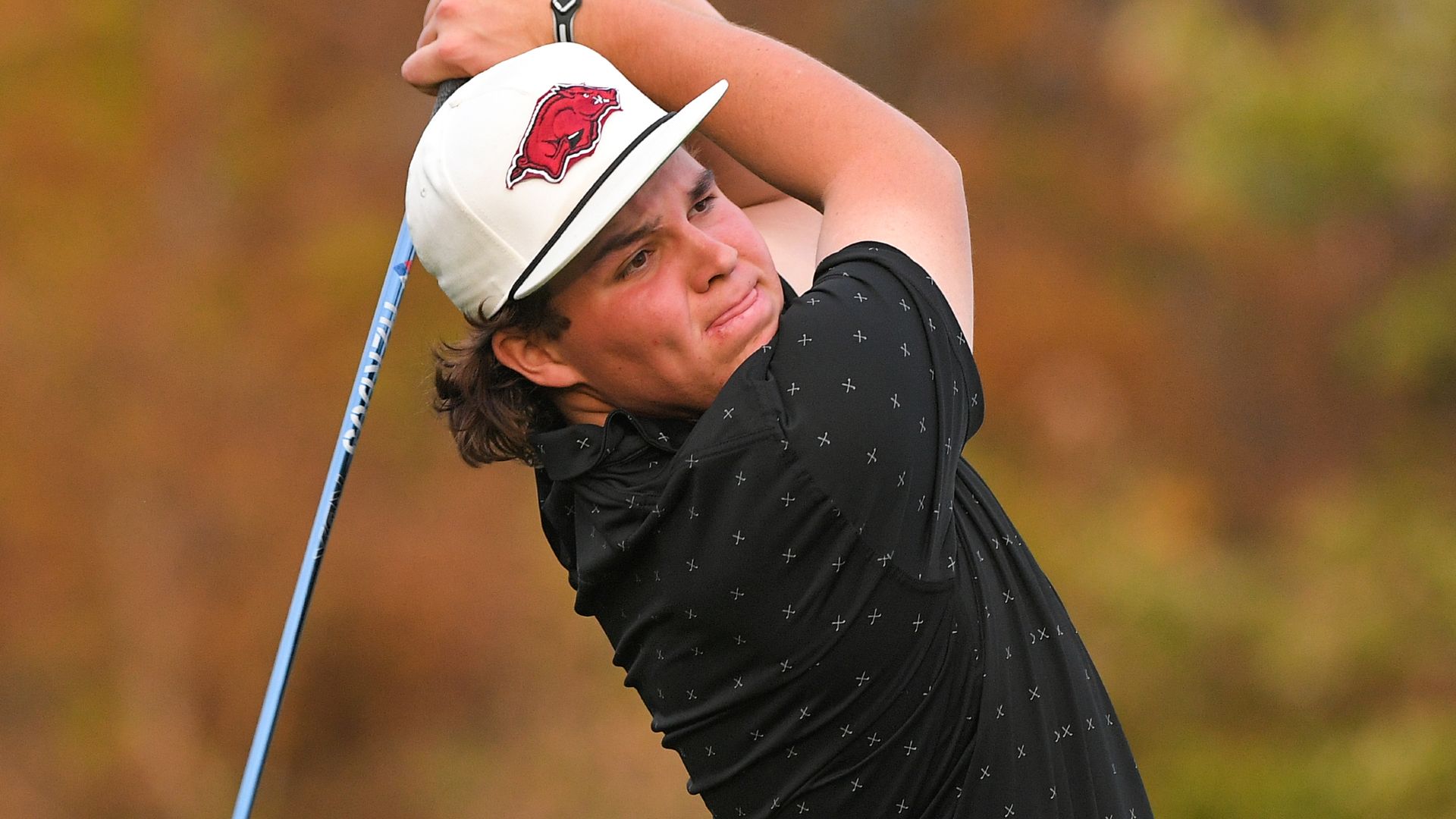
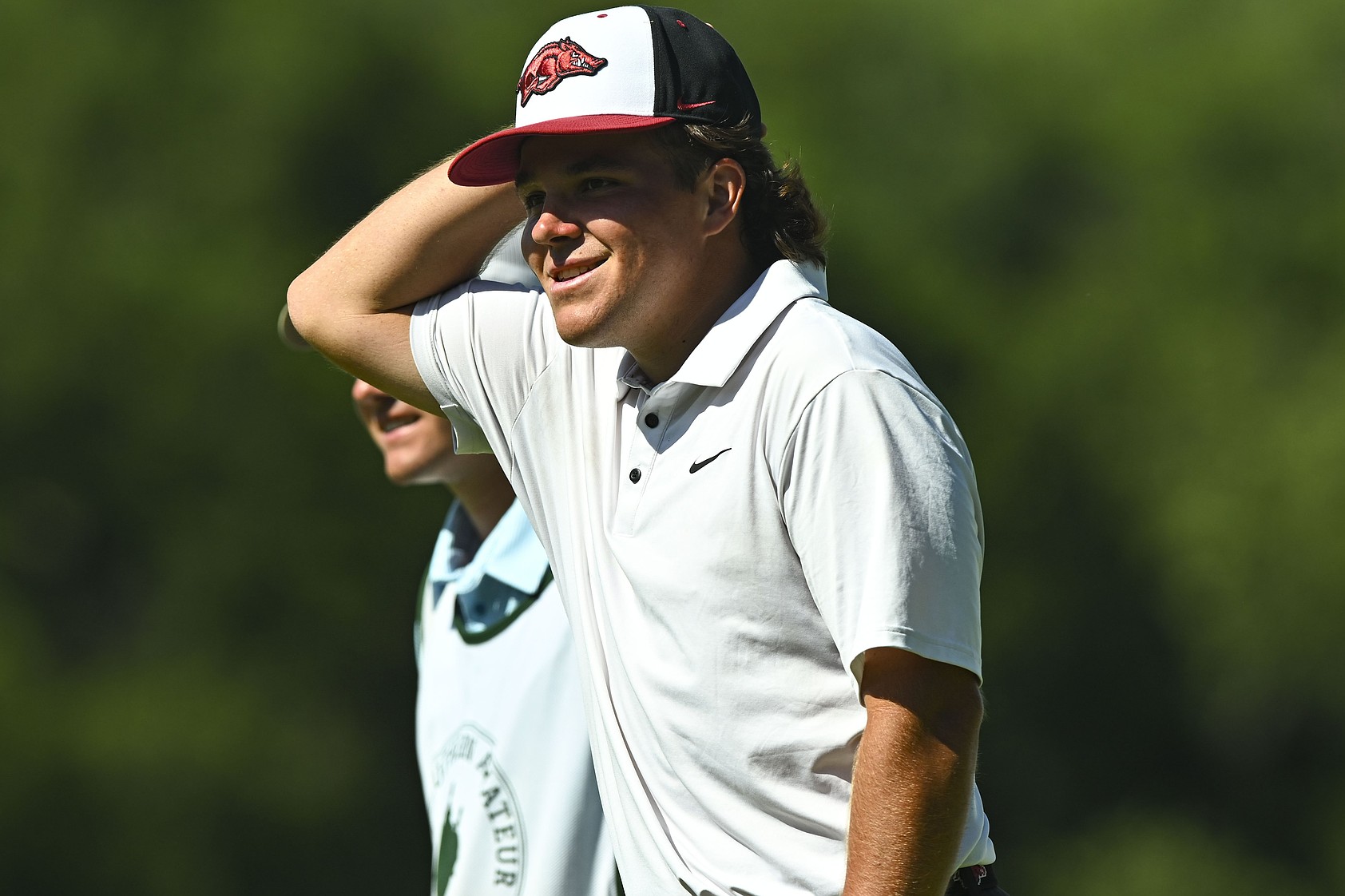
John Daly II represents a fascinating convergence of golfing pedigree, modern athletic development, and high-level collegiate competition. As the son of two-time major champion John Daly, "Little John" has navigated the transition from junior golf prodigy to a foundational player for the Arkansas Razorbacks men's golf team. Analyzing his performance metrics requires examining his driving distance, ball-striking consistency, short-game execution, and tournament results within the competitive landscape of the Southeastern Conference (SEC) and NCAA Division I golf.
Contents
The Golfing Pedigree and Early Development
Growing up surrounded by professional golf championships, John Daly II developed an early fluency with the game. Unlike many modern junior golfers who rely strictly on standardized, data-driven academies, Daly II grew up absorbing the unorthodox, high-swing-speed mechanics popularized by his father. However, his development has been distinctly modern, characterized by structured junior tournament schedules, competitive American Junior Golf Association (AJGA) events, and high-level amateur circuits.
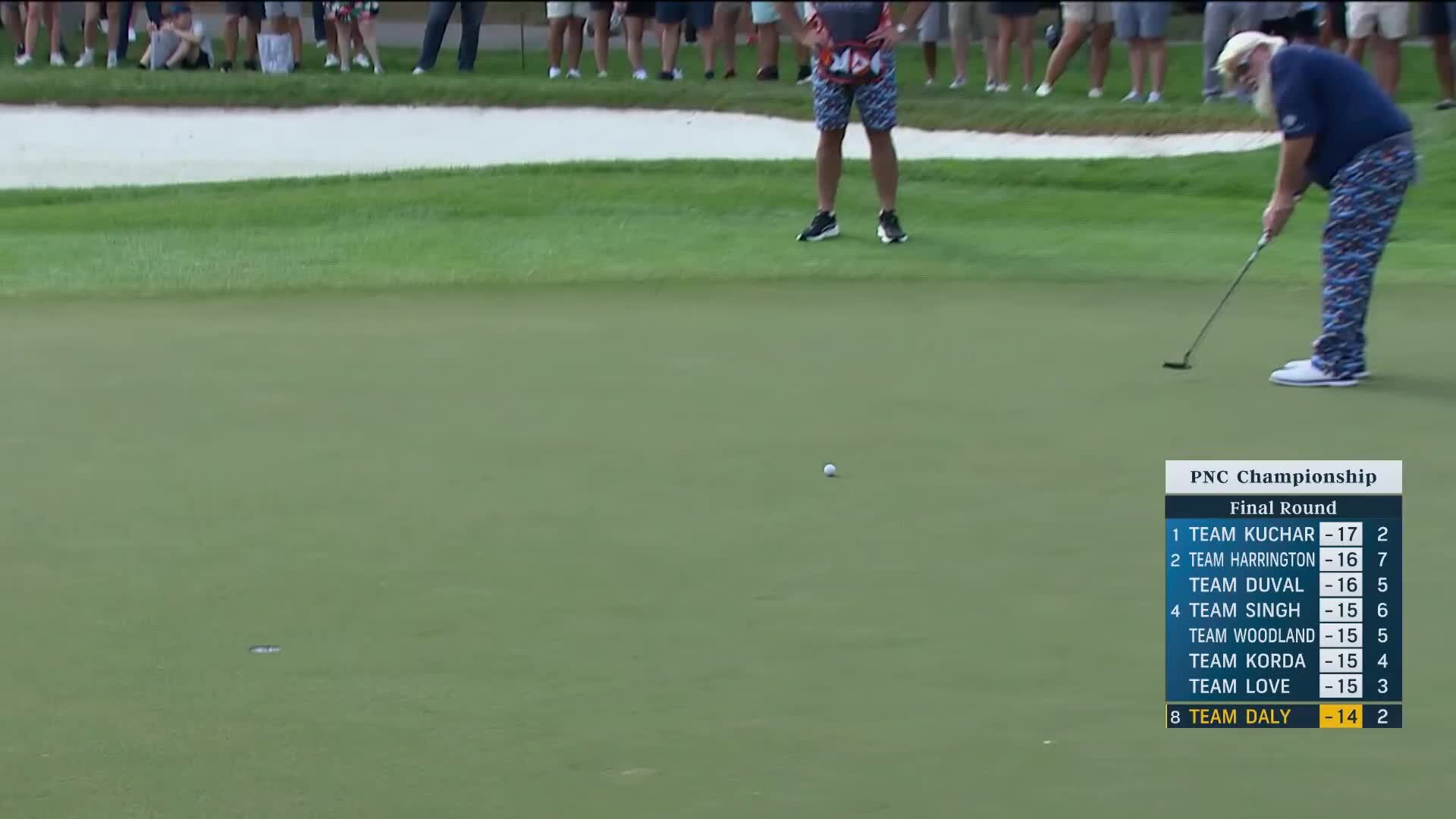
Before stepping onto a collegiate campus, Daly II established himself as a prominent name in junior golf. His notable amateur milestones include competing in high-profile junior invitationals and securing a victory alongside his father at the PNC Championship in 2021, where the duo defeated a field filled with major champions. While exhibition events like the PNC Championship showcase his ability to perform under media scrutiny, his true performance baseline is established through stroke-play events governed by the United States Golf Association (USGA), the R&A, and the NCAA.
Collegiate Career Transition to the Arkansas Razorbacks
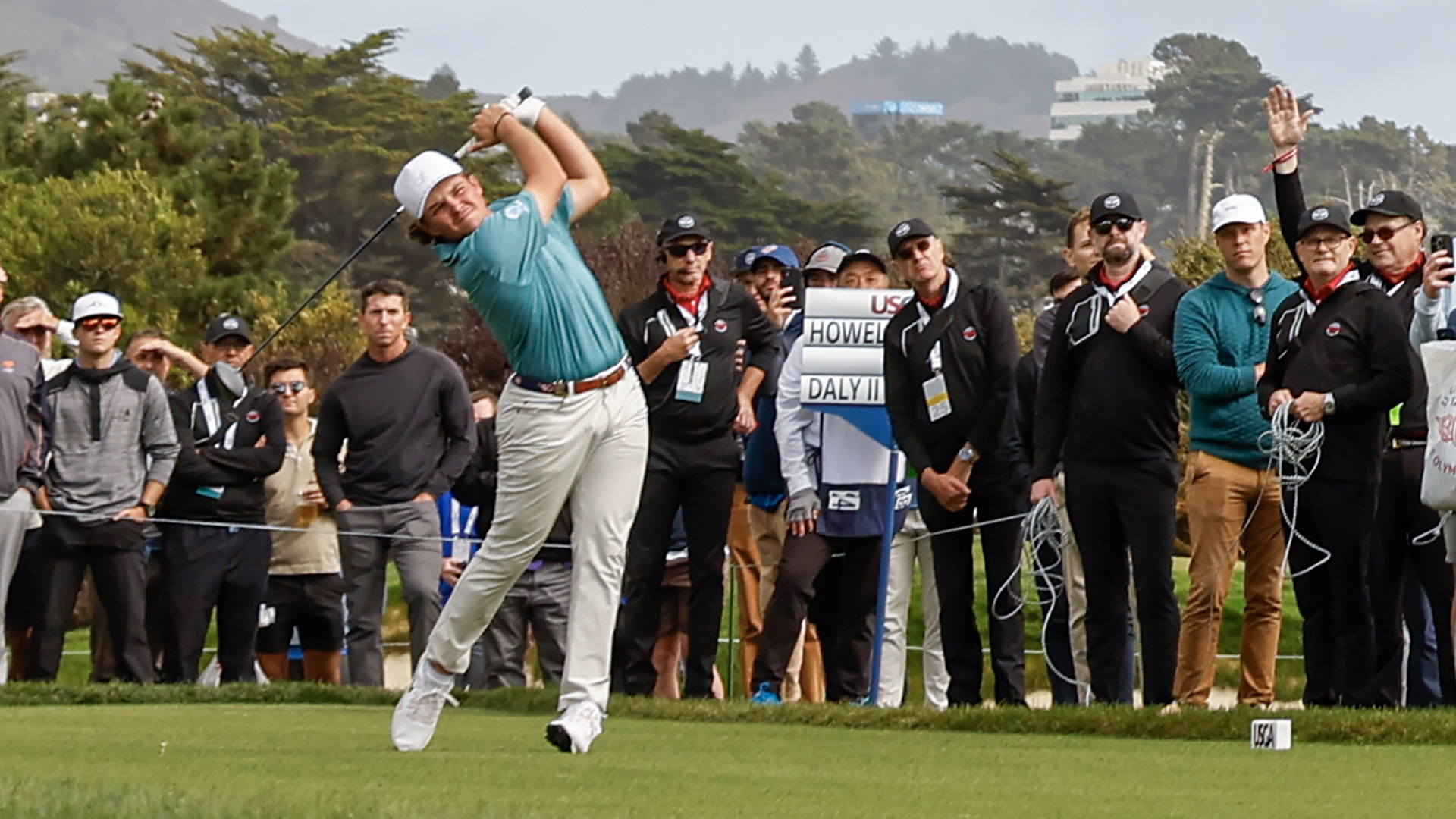
In the fall of 2021, John Daly II officially joined the University of Arkansas men's golf program, following in his father's footsteps—John Daly Sr. famously won the 1987 SEC Championship while playing for the Razorbacks. Playing in the SEC provides one of the most rigorous testing grounds in amateur golf, featuring perennial powerhouse programs such as Vanderbilt, Auburn, Florida, and Tennessee.
Transitioning to collegiate golf demands a shift from individual flash to sustained consistency. College tournaments use a five-count-four format for team scoring, meaning every shot across multiple rounds significantly impacts team standings. Daly II quickly integrated into the Razorbacks' lineup, earning valuable experience in tournament stroke-play formats. His statistics reflect the typical trajectory of a high-ceiling amateur refining his course management to match his considerable natural talent.
Core Performance Metrics and Technical Specifications
Evaluating a high-level amateur golfer involves looking beyond basic scoring averages to examine key performance indicators (KPIs) that translate to professional success. While collegiate tracking systems (such as Golfstat and Golfweek rankings) protect proprietary player analytics, public and tournament records provide a clear picture of Daly II’s game.
Driving Distance and Accuracy
True to the family name, distance off the tee is one of Daly II’s primary physical advantages. Modern tracking metrics in collegiate golf consistently place elite players in high-speed swing categories.
- Clubhead Speed: Estimated consistently in the upper tier of collegiate golfers, frequently exceeding 120+ mph.
- Ball Speed: Generates high launch velocity, regularly translating to driving distances well over 300 yards.
- Fairways Hit (Driving Accuracy): Historically the area of necessary refinement. Like his father, high swing speeds can introduce dispersion challenges, making tee-shot accuracy on tight, tree-lined courses a primary focus of his collegiate coaching staff.
Iron Play and Approach Statistics
Ball-striking from the fairway determines scoring efficiency in elite amateur and professional golf. Daly II utilizes a powerful, wide-arc swing that allows him to hit mid-to-long irons into greens that shorter hitters must attack with woods or hybrids.
- Greens in Regulation (GIR): Correlates strongly with his ability to capitalize on par-5s in two shots and attack back-pin placements.
- Proximity to Hole: Benefits from high-trajectory iron shots that hold firm greens, though distance control under varying wind conditions remains a constant technical objective.
Short Game and Putting
Scoring conversion relies heavily on scrambling percentages and putting performance inside 10 feet. While long-drive capability attracts media attention, collegiate champions are defined by their ability to save pars from difficult positions.
- Scrambling: Improvements in chipping versatility (utilizing both high-loft lob wedges and low-running bump-and-shots) have stabilized his round-to-round scoring variance.
- Putting Inside 8 Feet: Statistical analysis of top collegiate players emphasizes converting birdie opportunities generated by long drives. Daly II’s performance on the greens dictates whether a sub-par round turns into a low-60s scorecard.
| Performance Category | Key Metric / Attribute | Technical Focus & Impact |
|---|---|---|
| Off the Tee | High Clubhead Speed (>120 mph) | Generates exceptional distance; requires tight dispersion management. |
| Approach Play | Mid/Long Iron Trajectory | Allows for aggressive play on long par-4s and accessible par-5s. |
| Short Game | Scrambling & Recovery | Minimizes damage on missed greens; crucial for SEC tournament setups. |
| Scoring Average | Collegiate Stroke Play | Tracks consistency against top-ranked NCAA Division I fields. |
Comparative Analysis Within the SEC
The Southeastern Conference features some of the deepest rosters in collegiate golf history. Evaluating John Daly II requires contextualizing his scores against contemporary collegiate stars who frequently transition directly to the PGA Tour via PGA Tour University rankings.
While players like Fred Biondi, Gordon Sargent, and Nick Dunlap set exceptionally high benchmarks for amateur golf dominance, Daly II operates as a vital anchor for the Razorbacks. His scoring differential—the statistical measure of how many strokes a player shoots above or below the course rating—places him solidly within competitive tournament contention brackets. Unlike junior golf, where raw power can overwhelm a field, SEC tournaments require strategic patience, punishing rough, and lightning-fast Bermuda or zoysia greens. Daly II’s performance overview highlights an ongoing evolution from a power-dominant player to a complete, statistically sound collegiate competitor.
Common Misconceptions and Media Narrative
Public perception of John Daly II is often clouded by the towering shadow and colorful legacy of his father. Media coverage frequently emphasizes charismatic comparisons rather than stroke-play statistics. However, coaches and analysts evaluate him through an entirely different lens.
- The "Showman" Label: While comfortable in high-visibility media environments and pro-am events, his collegiate schedule demands intense, quiet focus. His preparation mirrors that of any elite NCAA athlete, focusing on sports science, trackman data analysis, and physical conditioning.
- Equipment and Technology Integration: Unlike older generations who relied purely on "feel," Daly II utilizes launch monitors, club-fitting data, and biomechanical assessments to optimize his equipment setup and swing efficiency.
- PGA Tour Readiness: While his long-term trajectory points toward professional golf, analysts note that full maturity in professional ranks depends on wedge-play precision and mental resilience over 72-hole stroke-play events rather than sheer distance alone.
Practical Outlook and Future Career Path
For golf enthusiasts and scouts tracking John Daly II stats performance overview metrics, the primary indicators of future success lie in his year-over-year scoring average reduction and performance in national amateur championships (such as the Western Amateur, North and South Amateur, and the U.S. Amateur).
As he continues his tenure with the Arkansas Razorbacks, his development offers a clear case study in modern golf development: combining generational athletic traits with data-driven coaching. Fans looking to follow his progress should monitor official NCAA tournament leaderboards, Golfstat player rankings, and SEC championship events where the true measure of his competitive game is recorded.
Frequently Asked Questions
What is John Daly II's current collegiate team?
John Daly II plays college golf for the University of Arkansas Razorbacks, competing in the NCAA Division I Southeastern Conference (SEC). He joined the program in the fall of 2021, continuing a family tradition established by his father.
How does John Daly II's driving distance compare to other players?
Daly II possesses well-above-average driving distance, frequently exceeding 300 yards off the tee. This power is supported by a high clubhead speed that ranks him among the longer hitters in collegiate golf, though it occasionally requires dispersion management.
What major amateur events has John Daly II played in?
In addition to his regular-season collegiate schedule with Arkansas, Daly II has competed in prominent junior circuits like the AJGA, high-level amateur invitationals, and unique professional-amateur exhibitions such as the PNC Championship, which he won alongside his father.
Is John Daly II eligible for the PGA Tour?
While he maintains his amateur status while competing in collegiate golf, players of his caliber frequently target professional pathways through the PGA Tour University ranking system or by successfully navigating Q-School and Korn Ferry Tour qualifiers upon completing their collegiate eligibility.
Where can I find official stats for John Daly II?
Official and up-to-date collegiate statistics, round-by-round scores, and national rankings can be tracked through platforms like Golfstat, Golfweek, and the official athletic department website of the Arkansas Razorbacks.
Image Gallery