What Year Was Term Life Insurance Introduced? A Historical Evolution
Modern term life insurance as a standardized commercial product emerged during the mid-18th to early 19th centuries, specifically with the founding of The Equitable Life Assurance Society in 1762. However, the first recorded individual...
Modern term life insurance as a standardized commercial product emerged during the mid-18th to early 19th centuries, specifically with the founding of The Equitable Life Assurance Society in 1762. However, the first recorded individual term-like policy was issued in London in 1583 for a duration of twelve months.
Contents
While life insurance concepts date back to Roman burial clubs, the transition from informal communal "tontines" to modern contracts required the development of actuarial science and mortality tables. Understanding the history of term life insurance reveals how financial protection evolved from a speculative gamble into a mathematical certainty designed to protect families in an industrial world.
The First Recorded Precursor: 1583
The earliest documented instance of a life insurance policy resembling "term" coverage occurred on June 18, 1583. A group of merchants in London, acting as individual underwriters, issued a policy to Richard Martin on the life of William Gibbons. The contract was for a specific "term" of twelve months.
This policy was not issued by a company but by private individuals in a manner similar to maritime insurance of the era. The premium was roughly 8% of the sum insured. Historically, this event is significant because it led to one of the first recorded legal disputes in insurance history. Gibbons died on May 29, 1584—just before the year expired. The underwriters argued that a "year" should be calculated as twelve 28-day lunar months, which would have meant the policy had already expired. The court ruled in favor of the beneficiary, establishing that a "year" in a life contract meant a full calendar year.
Despite this early milestone, this was a one-off contract. It would take nearly 150 more years for organized institutions to offer term-based death benefits to the public.
The Foundations of Predictable Premiums (1706–1762)
For much of the 17th century, "life insurance" was a chaotic mixture of gambling and mutual aid. The concept of a level premium or a defined term did not exist. Instead, participants joined "tontines" or assessment societies where members paid equal amounts into a pool, and the survivors or the families of the deceased split the pot.
The Amicable Society (1706)
The Amicable Society for a Perpetual Assurance Office, chartered in London in 1706, was the first successful attempt at a permanent life insurance company. However, it was not yet "term" insurance. Members aged 12 to 45 paid a flat annual fee, and the year’s total claims were paid out of the annual pool of contributions. Because the payout depended on how many people died that year, the benefit was never guaranteed.
The Equitable Life and the Birth of Actuarial Science (1762)
The true turning point for term life insurance arrived with the establishment of The Equitable Life Assurance Society in 1762. Founded by James Dodson and Edward Rowe Mores, it was the first organization to use scientific mortality tables to calculate premiums based on age.
This development allowed for the creation of:
- Whole Life Insurance: Coverage that lasts for the insured’s entire life.
- Term Insurance: Coverage for a specific number of years, providing a much cheaper alternative for those who only needed protection during temporary periods of high risk (such as during a sea voyage or for the duration of a loan).
The 19th Century: Formalization and Growth
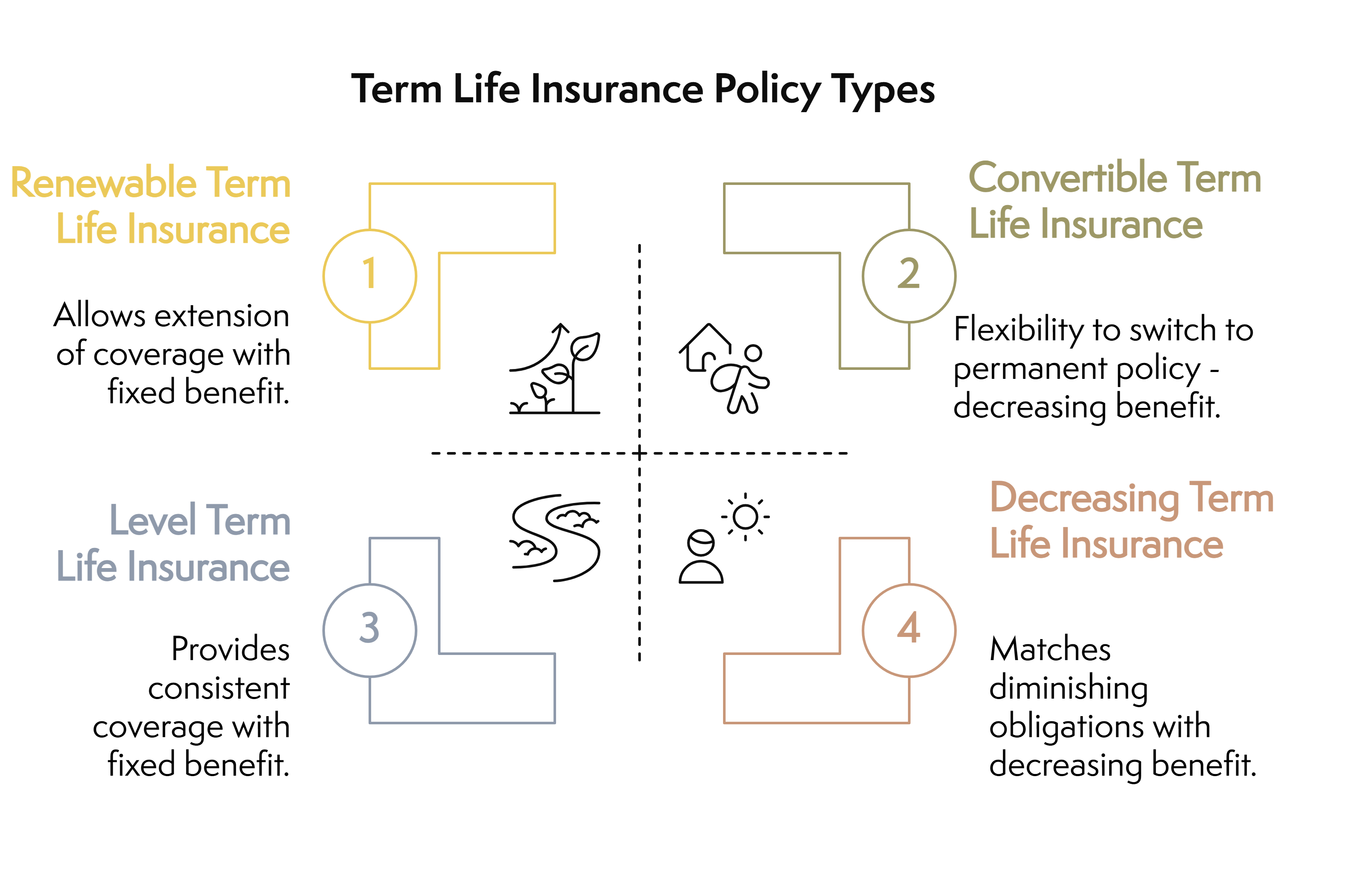
During the 1800s, term life insurance began to take its modern shape. This era saw the rise of "Renewable Term" insurance, which allowed policyholders to extend their coverage at the end of the term without needing a new medical exam.
In the United States, the industry began to flourish in the 1840s. Early American companies like New York Life (founded in 1845) and Mutual of New York (1843) primarily focused on whole life products. However, the economic volatility of the late 19th century created a demand for lower-cost alternatives.
The Rise of Assessment Societies
In the 1860s and 1870s, "assessment" societies became popular. These were essentially pure term insurance products where members paid only for the current risk of death. While they were cheap, many failed because as the membership aged and deaths increased, the "assessments" (premiums) became unaffordable for the remaining members. This failure led to the modern regulatory requirement for companies to maintain cash reserves, further distinguishing "Level Term" from the older assessment models.
The 20th Century: Accessibility and Marketing
The 20th century transformed term life insurance from a niche product for businessmen into a foundational tool for the middle class. Several key developments solidified its dominance:
- Group Life Insurance (1911): The first group life insurance policy was issued by Equitable Life to the employees of the Pantasote Leather Company. This was essentially a one-year renewable term product provided through an employer, a model that remains standard in 2026.
- The Armstrong Investigation (1905): This landmark investigation into the life insurance industry in New York led to strict regulations on how companies managed funds. It forced transparency and helped ensure that term insurance remained a viable, low-cost option rather than a predatory product.
- The 1970s and "Buy Term and Invest the Difference": This decade saw a massive shift in consumer philosophy. Figures like A.L. Williams began aggressively marketing term life insurance as a superior alternative to whole life. The argument was simple: buy the cheapest possible protection (term) and invest the money you saved in the stock market. This marketing push popularized the 20-year and 30-year level term policies that are standard today.
Comparison of Historical Insurance Models
To understand why the introduction of term life insurance was significant, one must compare it to the models that preceded or competed with it.
| Feature | Assessment Societies (1700s-1800s) | Early Whole Life (1762+) | Modern Term Life (20th Century-2026) |
|---|---|---|---|
| Premium Structure | Varied based on annual deaths in the group. | High, level premiums for life. | Low, level premiums for a set period. |
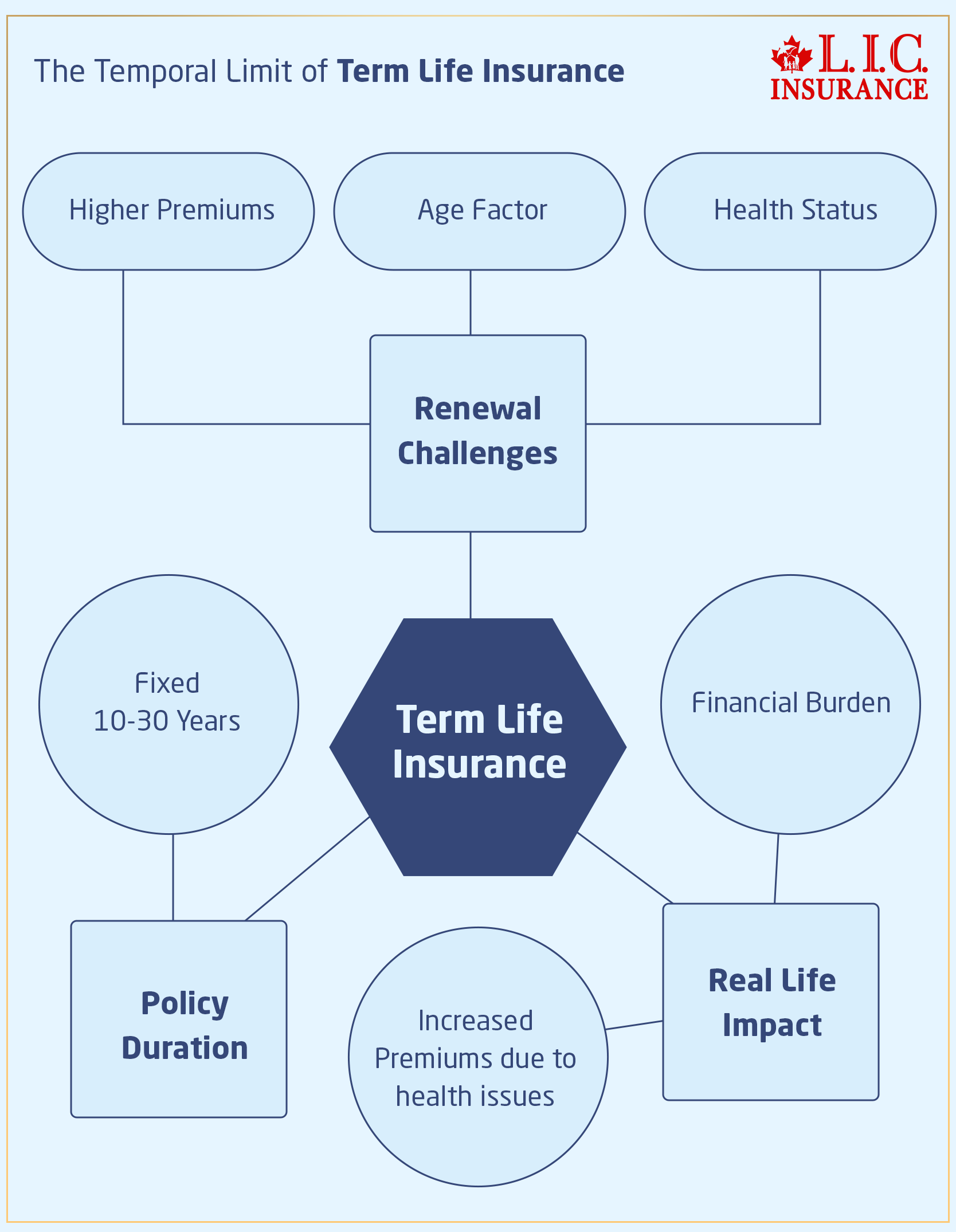
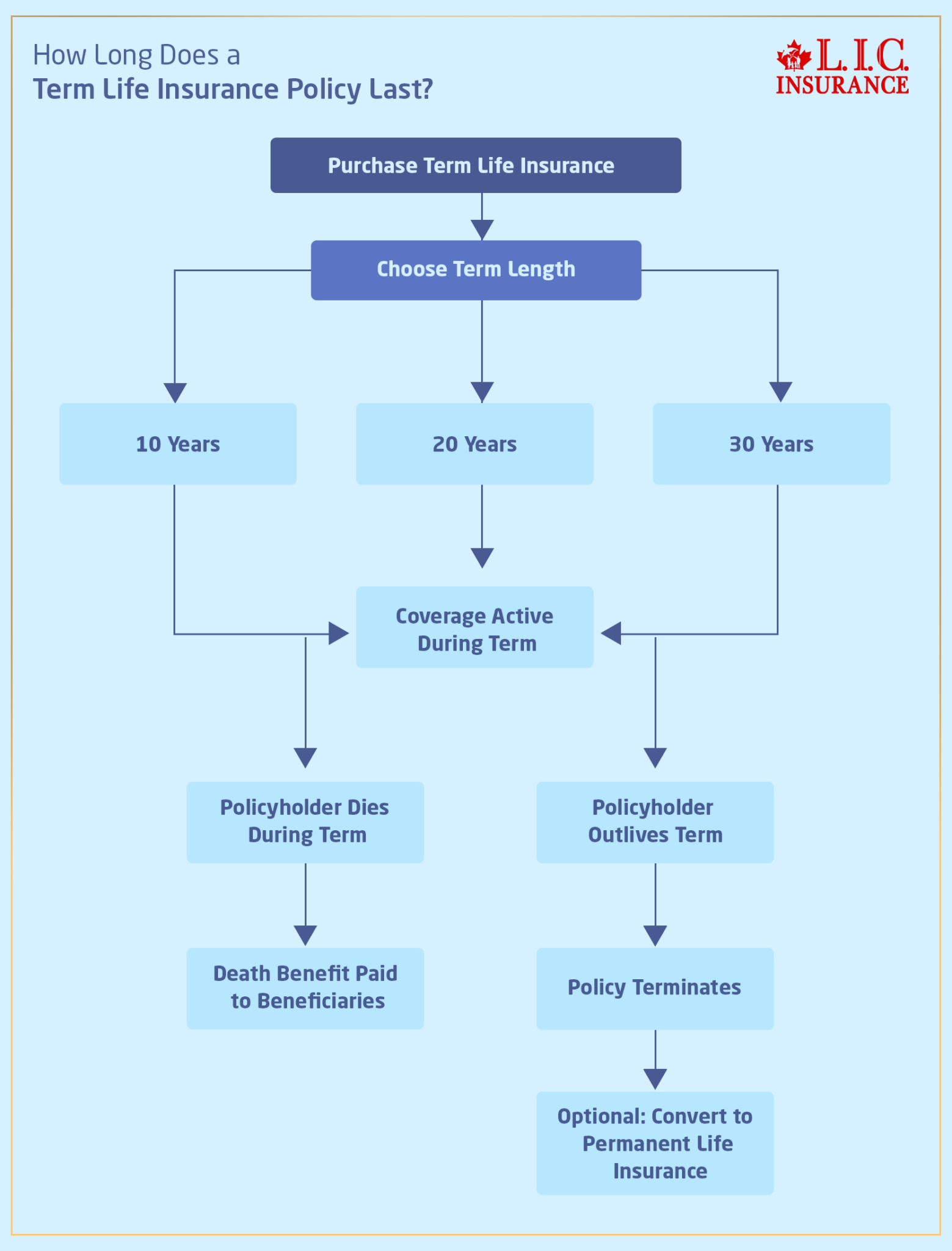
| Duration | Year-to-year or life. | Until death or age 100/121. | 10, 15, 20, or 30 years. |
| Cash Value | None. | Accumulated savings component. | None (Pure protection). |
| Actuarial Basis | Weak or non-existent. | Scientific mortality tables. | Highly refined data-driven pricing. |
| Target Audience | Mutual aid groups. | Wealthy individuals/Estate planning. | Young families and debt holders. |
Why Term Insurance Was "Introduced" Later Than Whole Life
It may seem counterintuitive that the simplest form of insurance (temporary protection) took longer to become a mainstream commercial product than permanent insurance. The reason lies in the risk profile for the insurer.
In the 18th and 19th centuries, medical data was sparse. Insurers preferred whole life insurance because the high premiums allowed them to build large reserves (cash value). This created a "buffer" if their mortality estimates were wrong. Term insurance, with its razor-thin profit margins and low premiums, was seen as much riskier for the insurance company. It wasn't until mortality data became highly reliable in the late 19th century that companies felt comfortable offering long-term (20-year) fixed-price term contracts without the safety net of a cash-value component.
Technical Specifications of Historical Coverage
The evolution of term insurance was also driven by changes in underwriting—the process of evaluating risk.
- The Medical Exam: In the early 1800s, "underwriting" often consisted of an applicant appearing before a board of directors who would look at them to see if they appeared "healthy." Physical exams by doctors became standard later in the century.
- Occupational Ratings: Early term policies often had "exclusion riders." For example, a policy might be void if the insured traveled south of the Mason-Dixon line during the summer (due to yellow fever risks) or if they worked on a steamship.
- The Incontestability Clause: Introduced in the late 19th century, this prevented insurers from denying a claim based on an error in the application after a certain period (usually two years). This gave term insurance the consumer trust it needed to scale.
Term Life Insurance in 2026
As of 2026, term life insurance has become a highly commoditized and digitized product. While the fundamental concept—paying a premium for a set number of years of protection—remains unchanged since the 18th century, the delivery has evolved.
Current 2026 trends include "fluidless" underwriting, where algorithms analyze prescription history, motor vehicle records, and even credit data to issue term policies in minutes rather than weeks. This is a far cry from the 1583 London merchants who had to manually debate whether a "year" was lunar or solar. Today, the "term" is clearly defined, the premiums are guaranteed, and the financial stability of the carriers is backed by modern reinsurance markets.
Frequently Asked Questions
What is the oldest life insurance company still operating?
The Amicable Society (1706) was eventually absorbed into Norwich Union, which is now part of Aviva. However, The Equitable Life Assurance Society (1762) is often cited as the oldest mutual life insurer that pioneered the modern actuarial methods still used for term insurance today.
Was term life insurance always as cheap as it is now?
Relative to inflation and average income, term life insurance is significantly cheaper in 2026 than it was in the 19th century. Advances in medicine, sanitation, and data science have lowered mortality rates and allowed insurers to price risk much more accurately, reducing the "safety margin" they used to charge consumers.
Why did people prefer whole life over term for so long?
Historically, life insurance was sold as a "forced savings" vehicle. Before the rise of modern 401(k)s and retail brokerage accounts, the cash value in a life insurance policy was one of the few ways a middle-class family could build liquid equity. It wasn't until the 1970s that the separation of "protection" (term) and "investment" (mutual funds) became the dominant financial advice.
Can you convert a term policy into a permanent one?
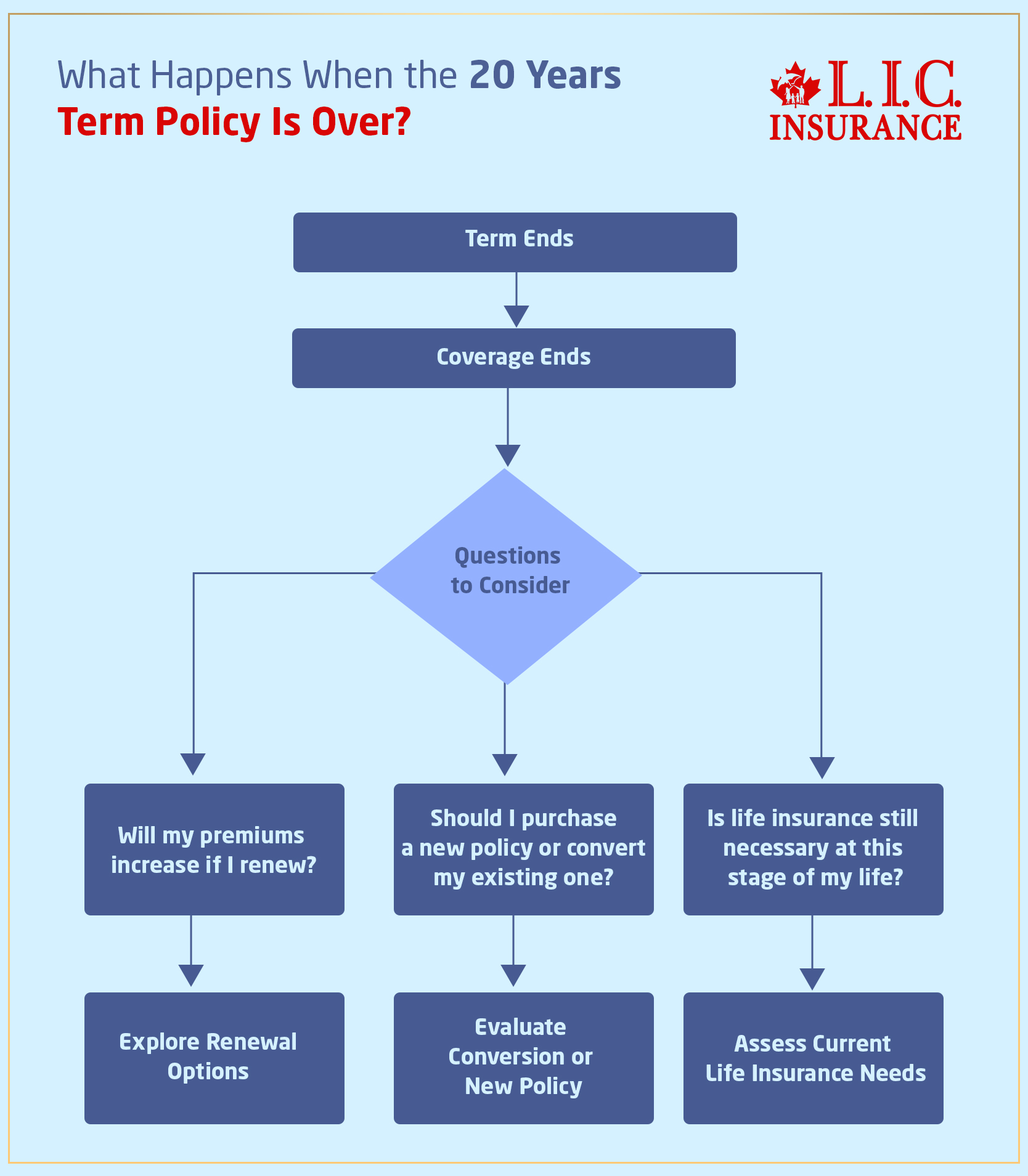
Most modern term policies issued through 2026 include a "conversion rider." This allows the policyholder to change their term coverage into a whole life or universal life policy without a medical exam, provided they do so before a specific age or the end of the term.
Is the 1583 Gibbons policy considered a "real" insurance policy?
It is considered a "real" legal contract for insurance, but it lacked the institutional structure of modern insurance. Because it was underwritten by individuals (merchants) rather than a regulated company with reserves, it was more akin to a private wager on a person's life than a modern financial product.
Recommendation for Modern Consumers
History shows that term life insurance was designed to provide the maximum amount of protection for the lowest possible cost during years of peak financial vulnerability. If you are evaluating coverage in 2026, prioritize "Level Term" policies from carriers with high financial strength ratings (such as A.M. Best "A" or higher).
While the history of this product spans over 400 years, the core goal remains the same: ensuring that a temporary period of risk—such as the years a mortgage is active or children are at home—does not result in permanent financial ruin for your survivors. Always verify that your policy includes a conversion option, as this provides a bridge between the historical utility of term insurance and the long-term estate planning benefits of permanent coverage.
Image Gallery