The Royal Yacht Britannia and Its Enduring Global Legacy
HMY Britannia served as the floating residence for Her Majesty Queen Elizabeth II and the Royal Family for over 44 years. Since its decommissioning in 1997, its legacy has evolved from a tool of maritime diplomacy into a world-class hi...
HMY Britannia served as the floating residence for Her Majesty Queen Elizabeth II and the Royal Family for over 44 years. Since its decommissioning in 1997, its legacy has evolved from a tool of maritime diplomacy into a world-class historical landmark in Edinburgh, symbolizing a vanished era of British global influence and naval prestige.
Contents
The story of the Royal Yacht is not merely one of luxury and ceremony; it is a narrative of engineering excellence, diplomatic "soft power," and the shifting geopolitical priorities of the United Kingdom. As of 2026, the ship remains one of the UK’s most popular cultural attractions, consistently topping tourism charts while serving as a preserved time capsule of mid-20th-century design and royal protocol.
The Conception and Construction of HMY Britannia
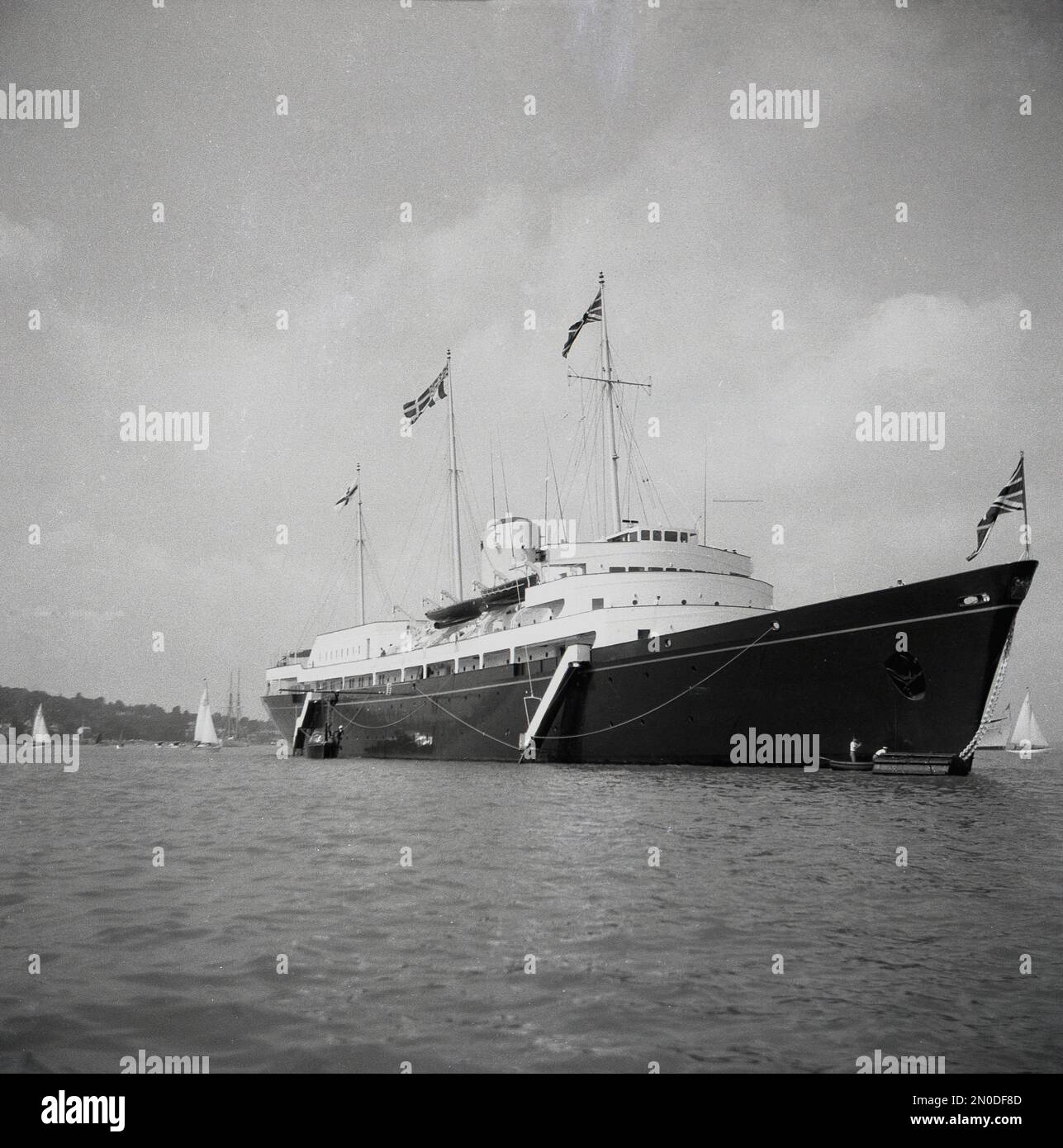
The decision to build a new Royal Yacht was made in the early 1950s, during a period of post-war austerity. King George VI felt that a new vessel was necessary to replace the aging Victoria and Albert III and to serve as a mobile base for royal tours across the Commonwealth. However, the King passed away before the ship’s completion, and it was his daughter, Queen Elizabeth II, who launched the vessel on April 16, 1953, at the John Brown & Co. shipyard in Clydebank, Scotland.
Design and Dual-Purpose Utility
From its inception, Britannia was designed with a dual role that many modern observers overlook. While primarily a Royal Yacht, the ship was technically designed to be converted into a hospital ship during times of war. This "convertibility" was a strategic requirement to justify the expenditure to the British taxpayer. The interior layout included space that could be transformed into wards, and the ship’s stability was engineered to ensure the comfort of patients. Although this conversion was never required, it influenced the ship's technical specifications, including its impressive speed and range.
The interior design, overseen by the Queen and Prince Philip, intentionally avoided the opulent, "gold-plated" aesthetic often associated with royal residences. Instead, it favored a "country house at sea" atmosphere. The State Apartments were furnished with items from the previous Royal Yacht and featured understated mahogany, white-painted woodwork, and comfortable, functional furniture.
A Global Diplomatic Powerhouse
The true legacy of HMY Britannia lies in its service as a diplomatic instrument. During its 44 years at sea, the ship steamed over one million nautical miles and conducted 968 official state visits. It was often described as the UK’s most effective ambassador, providing a neutral, prestigious, and secure environment for international negotiations.
The "Britannia Effect" on International Trade
The term "The Britannia Effect" refers to the tangible economic benefits that followed royal tours. The ship was frequently used to host "Sea Days"—business seminars and trade missions where British industry leaders could meet with foreign counterparts in a setting that exuded prestige and history. Research by the Overseas Trade Board in the 1990s suggested that billions of pounds in trade deals were secured as a direct result of these events.
The ship’s role during the handover of Hong Kong in 1997 remains one of its most poignant historical moments. As the vessel departed Victoria Harbour with the Prince of Wales and Governor Chris Patten on board, it signaled the end of the British Empire in the East, marking a definitive closing chapter in maritime history.
Technical Specifications and Naval Excellence
To understand why Britannia remains a marvel of naval architecture, one must look at the technical rigor required to maintain a vessel of its stature. Unlike modern cruise ships, Britannia was powered by steam turbines, providing a smooth and remarkably quiet journey.
| Feature | Specification |
|---|---|
| Length Overall | 412 feet (126 meters) |
| Beam (Width) | 55 feet (17 meters) |
| Gross Tonnage | 5,862 tons |
| Propulsion | Two sets of modern geared steam turbines (12,000 shp) |
| Maximum Speed | 22.5 knots |
| Range | 3,500 nautical miles at 14 knots |
| Complement | 21 Officers and 250 Royal Yachtsmen (Yotties) |
| Draft | 15 feet (4.6 meters) |
The Royal Yachtsmen: A Unique Naval Tradition
The crew of Britannia, known affectionately as "Yotties," were a specialized branch of the Royal Navy. Serving on the yacht was considered a high honor, but it required strict adherence to unique protocols. One such tradition was "the silent service": crew members were required to use hand signals for communication on the upper decks to avoid disturbing the Royal Family. Furthermore, any work on the decks had to be completed by 8:00 AM, ensuring that the ship appeared pristine whenever the royals emerged.
The Decommissioning and the Transition to Leith
The decommissioning of HMY Britannia in December 1997 remains a significant event in British royal history. Faced with mounting maintenance costs—estimated at £11 million per year—and a changing political climate under the New Labour government, the decision was made not to refit the aging vessel.
The decommissioning ceremony at Portsmouth was famously one of the few times the public saw Queen Elizabeth II shed a tear. The ship’s clocks were stopped at 3:01 PM, the exact time the Queen stepped off the vessel for the last time.
Preservation as a Museum
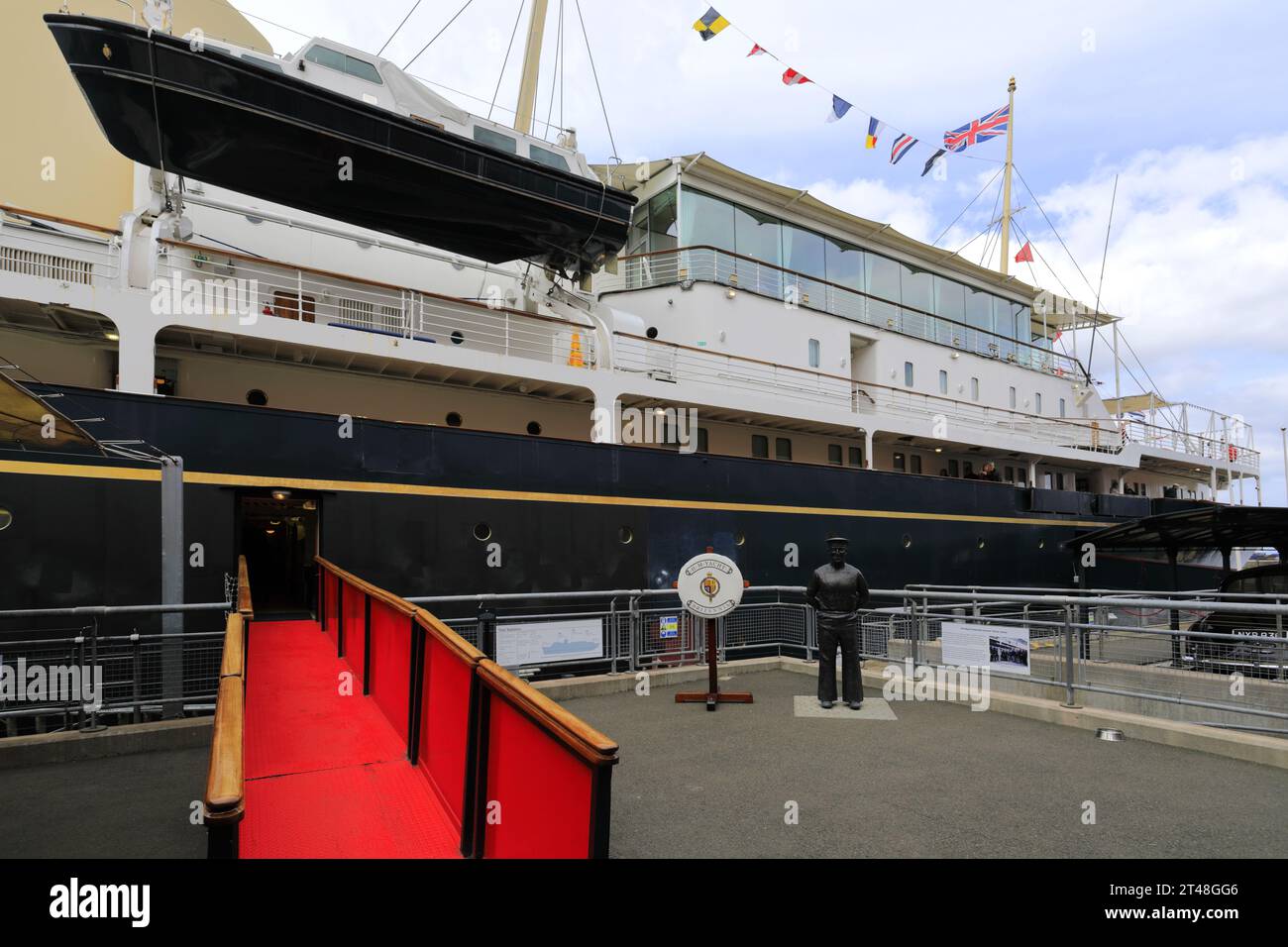
Following a competitive bidding process among various UK cities, Edinburgh was selected as the permanent home for Britannia. Since 1998, it has been managed by the Royal Yacht Britannia Trust, a non-profit organization. The ship is now permanently moored at Ocean Terminal in Leith.
The transition to a museum has been exceptionally successful. The Trust has maintained the ship to the highest naval standards, ensuring that it remains "in commission" in appearance if not in function. Visitors can explore the State Dining Room, the Queen’s Bedroom (the only bedroom of a living monarch the public has ever been allowed to see), and the engine room, which remains so pristine that it appears ready to restart at a moment's notice.
The Legacy of the "National Flagship" Successor
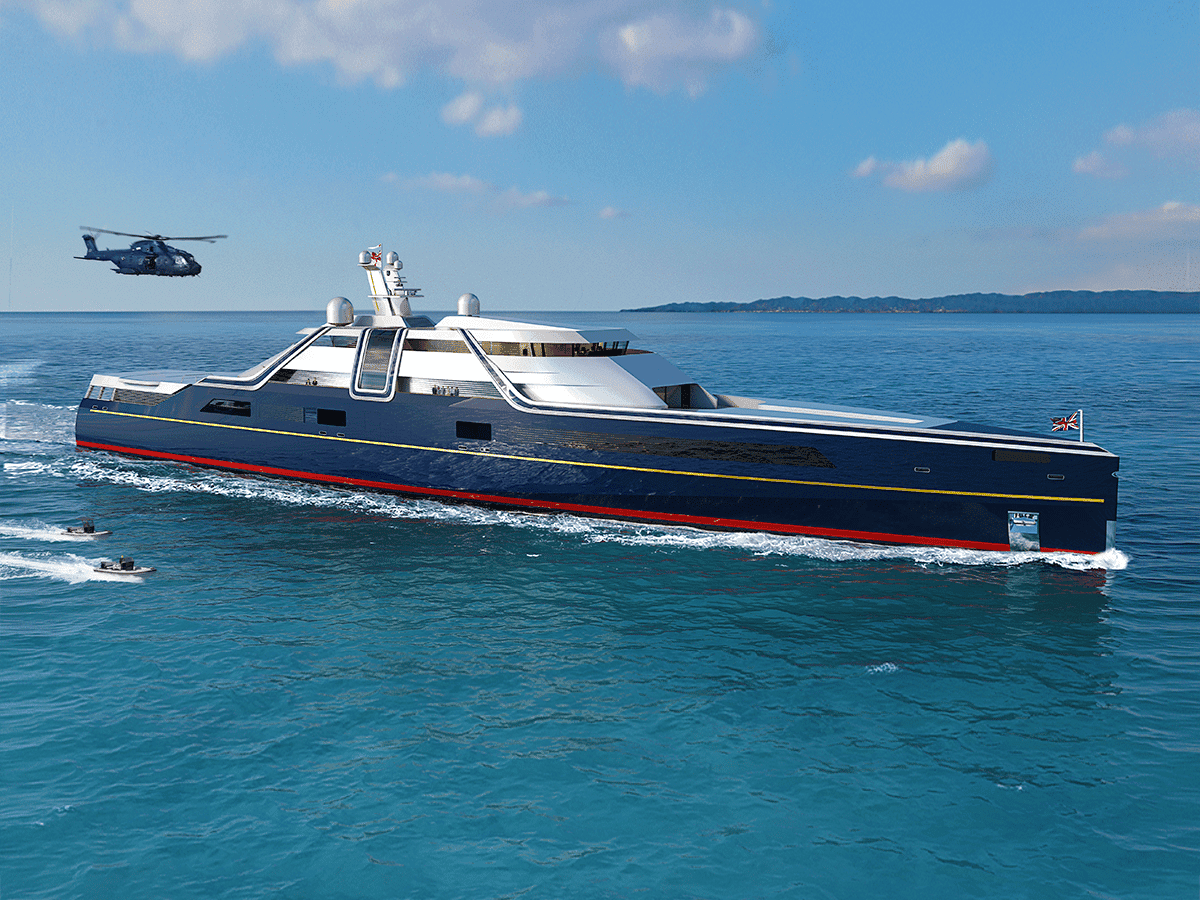
As of 2026, the debate over a successor to Britannia has largely settled into historical record. In the early 2020s, there were significant political discussions regarding a new "National Flagship"—a modern vessel intended to replicate the diplomatic success of the Royal Yacht.
However, the project faced several hurdles:
- Economic Constraints: With a projected cost of £250 million, the project was criticized during a period of high inflation and public spending cuts.
- Political Backlash: Critics argued that a new yacht was an outdated symbol in a digital age and that the "Britannia Effect" could not be easily replicated with a modern, utilitarian ship.
- The 2022 Cancellation: The UK government officially scrapped the National Flagship project in November 2022 to prioritize naval capabilities, specifically the Multi-Role Ocean Surveillance (MROS) ships.
By 2026, the legacy of the Royal Yacht remains uniquely tied to Britannia herself, as no successor has been built to fill her specific role. This has only increased the historical value of the preserved ship in Leith, as it represents the final iteration of a centuries-old tradition of royal seafaring.
Visiting HMY Britannia in 2026: What to Expect
For those looking to engage with this legacy, a visit to the ship provides a deep dive into both royal life and mid-century naval engineering. The tour is self-guided via an audio handset, which is available in over 30 languages.
- The Royal Deck Tea Room: Visitors can enjoy refreshments on the deck where the Royal Family once hosted world leaders.
- The Engine Room: A highlight for many, the engine room is a masterpiece of polished chrome and brass, reflecting the 24/7 dedication of the Royal Yachtsmen who maintained it.
- The Sick Bay and Laundry: These sections offer a glimpse into the self-sufficient nature of the ship, which functioned as a small city at sea.
Access to the yacht is via the Ocean Terminal shopping center in Leith. It is recommended to book tickets in advance, especially during the summer months, as the ship remains a top-tier attraction. Detailed information regarding opening times and pricing can be found on the official Royal Yacht Britannia website.
Frequently Asked Questions
Why was HMY Britannia not replaced?
The decision was primarily financial and political. The decommissioning in 1997 coincided with a drive to modernize the monarchy and reduce public expenditure. While a successor was proposed in 2021, the project was cancelled in 2022 because the government decided to prioritize direct military investment over a diplomatic vessel.
Can you still see the Royal Family's private rooms?
Yes. One of the primary draws of the Britannia museum is the ability to walk through the State Apartments. This includes the Queen’s bedroom, Prince Philip’s suite, and the State Dining Room where leaders like Winston Churchill, Nelson Mandela, and Ronald Reagan were once hosted.
Where is the Royal Yacht Britannia located now?
The ship is permanently moored at the Ocean Terminal in Leith, Edinburgh, Scotland. It has been there since 1998 and is accessible to the public year-round.
Is the ship still capable of sailing?
While the engines are kept in immaculate condition, the ship is no longer seaworthy in a legal or operational sense. The propellers have been removed, and the ship is securely moored as a permanent visitor attraction. Recommissioning the vessel would require an astronomical investment in modern navigation and safety systems.
How much does it cost to visit?
As of 2026, ticket prices for adults generally range between £19 and £22, with discounts available for children, seniors, and families. All proceeds go toward the long-term conservation of the ship, managed by the Royal Yacht Britannia Trust.
Final Recommendation
To truly appreciate the legacy of the Royal Yacht, one should view it not as a museum of wealth, but as a masterpiece of British maritime craftsmanship. If you are visiting Edinburgh, dedicate at least three hours to the tour. Pay close attention to the contrast between the understated elegance of the Royal Apartments and the functional, cramped quarters of the crew. This juxtaposition provides the most honest look at the social and operational hierarchy that defined the ship's 44-year career.
Image Gallery