Is Belize in the United States: Understanding Geographic and Political Distinctions
No, Belize is not part of the United States. It is a sovereign, independent nation located on the northeastern coast of Central America. While it maintains strong diplomatic, economic, and cultural ties with the United States, it occup...
No, Belize is not part of the United States. It is a sovereign, independent nation located on the northeastern coast of Central America. While it maintains strong diplomatic, economic, and cultural ties with the United States, it occupies a distinct geographic space, bordered by Mexico to the north, Guatemala to the west and south, and the Caribbean Sea to the east.
Contents
Geographic Realities of Belize
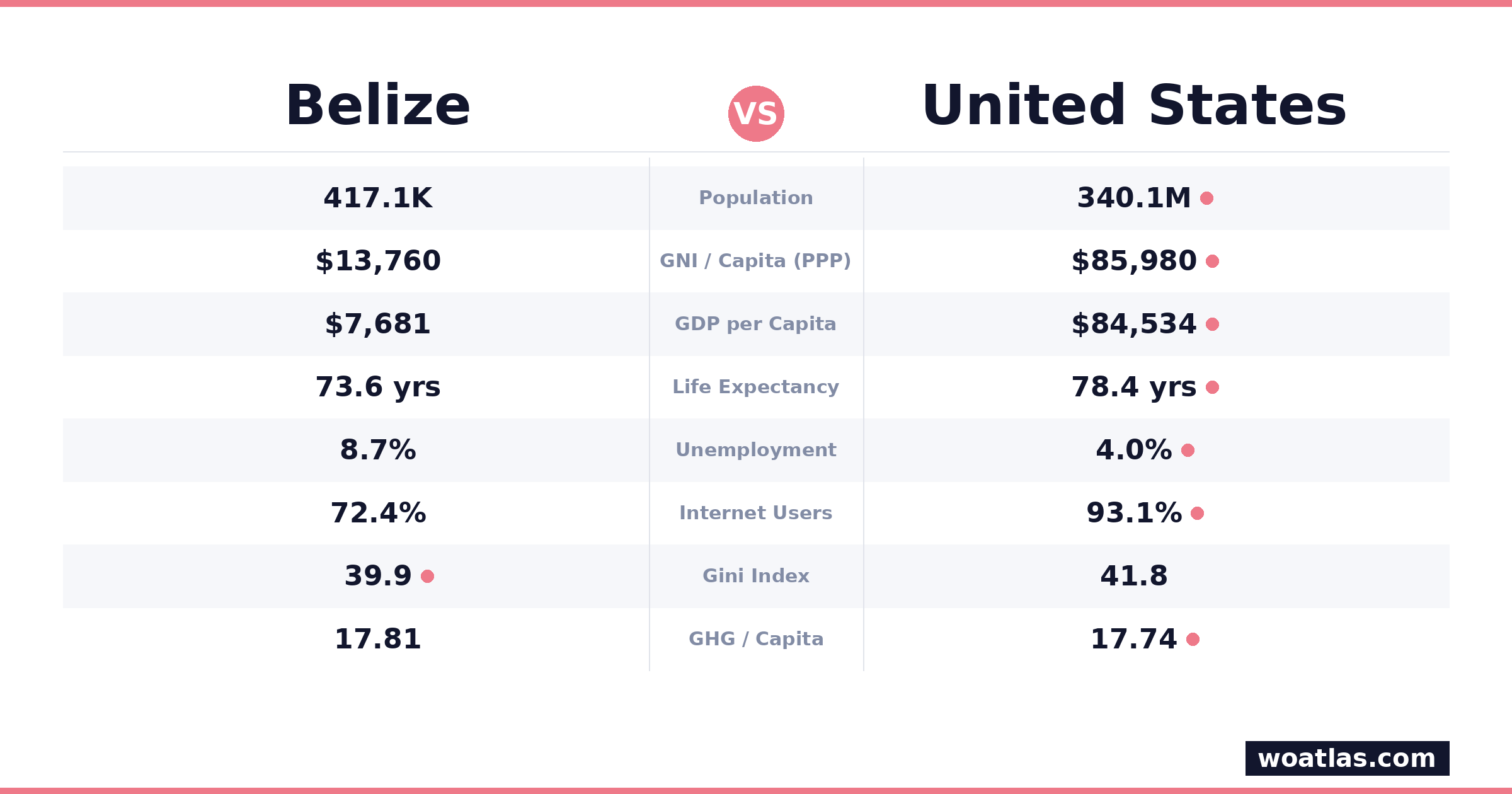
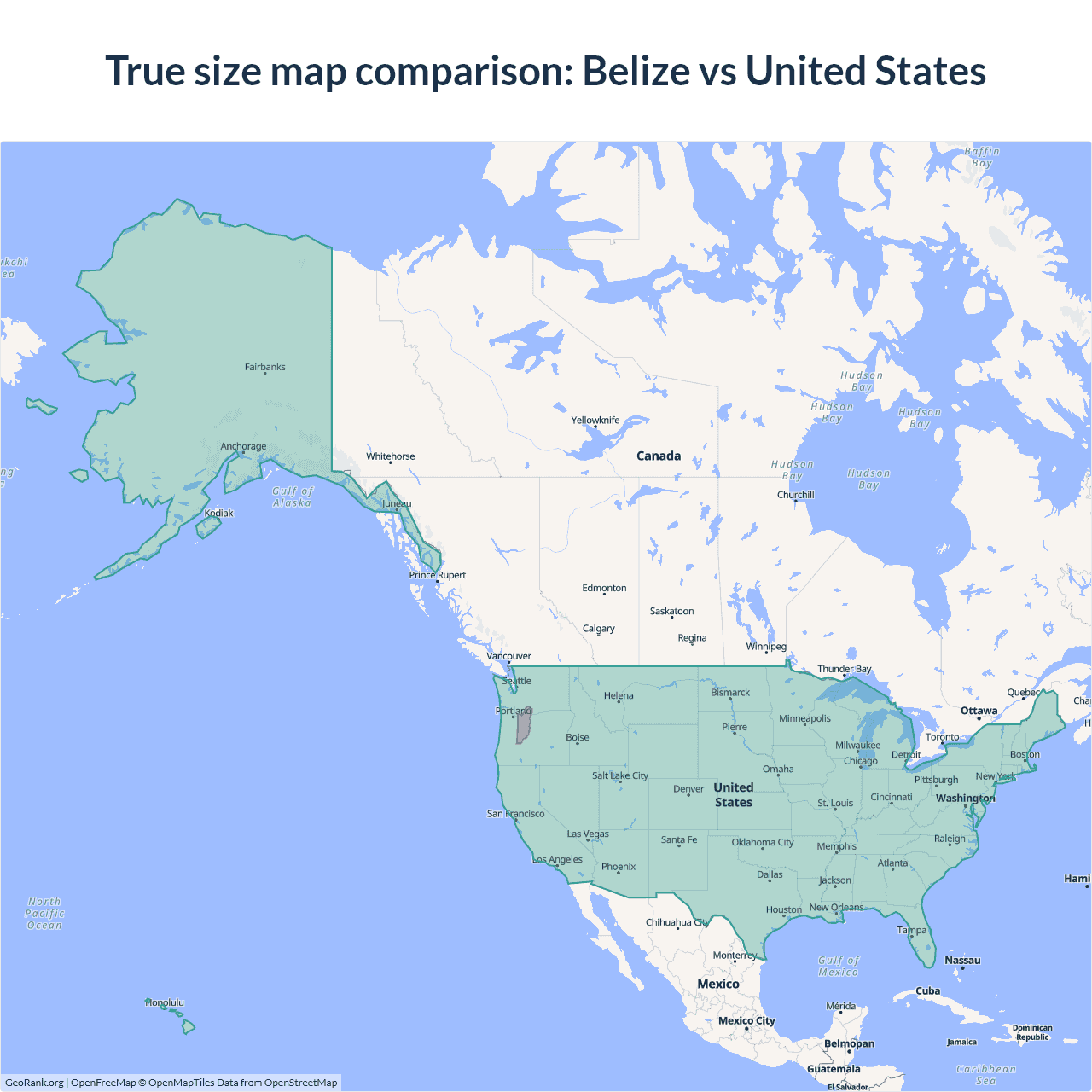
Belize is located on the Yucatán Peninsula, a geographic region shared with Mexico and Guatemala. Unlike many of its neighbors in Central America, Belize has a coastline solely on the Caribbean Sea rather than the Pacific Ocean. Its land area covers approximately 8,867 square miles, making it the second-smallest country in Central America.
Because of its location in the Caribbean Basin, Belize is often grouped with Caribbean nations. It is a member of the Caribbean Community (CARICOM), an organization of fifteen Caribbean nations and dependencies. This geographic and political alignment distinguishes it from the landmass of the United States, which is separated from Belize by the Gulf of Mexico and the sovereign territory of Mexico.
Political Status and Sovereignty
Belize gained its independence from the United Kingdom on September 21, 1981. Prior to this, it was a British colony known as British Honduras. As a sovereign state, Belize operates under a parliamentary democracy modeled after the British Westminster system. It maintains its own constitution, legislative body, judiciary, and executive branch.
The United States maintains formal diplomatic relations with Belize, and the two nations work together on issues such as regional security, counter-narcotics efforts, and environmental conservation. However, being a sovereign nation means that Belize exercises full jurisdiction over its territory, laws, and internal affairs. It is not a territory, commonwealth, or state of the United States.
Distinguishing U.S. Territories from Sovereign Nations
Confusion regarding the status of Belize often arises from the existence of various U.S. territories and freely associated states in the Caribbean and Pacific regions. The United States maintains territories such as Puerto Rico and the U.S. Virgin Islands. These locations are under the sovereignty of the United States, and residents of these areas are generally U.S. citizens.
In contrast, Belize is an entirely foreign country. Visitors from the United States to Belize are required to hold a valid U.S. passport and pass through international customs and immigration checkpoints. There is no domestic travel between the United States and Belize.
Comparison Table: Belize vs. U.S. Territories
| Feature | Belize | U.S. Virgin Islands | Puerto Rico |
|---|---|---|---|
| Sovereignty | Sovereign Nation | U.S. Territory | U.S. Territory |
| Head of State | King Charles III (Monarch) | President of the U.S. | President of the U.S. |
| Citizenship | Belizean | U.S. | U.S. |
| Currency | Belize Dollar (BZD) | U.S. Dollar (USD) | U.S. Dollar (USD) |
| Foreign Policy | Independent | Governed by U.S. | Governed by U.S. |
Economic and Cultural Ties
Despite being separate entities, the economies of Belize and the United States are deeply integrated. The United States is Belize’s largest trading partner. Much of the tourism industry in Belize is driven by visitors from the United States, and many American companies operate within the country.
The use of the English language as the official language of Belize—a legacy of its history as a British colony—makes it a common destination for American expatriates and retirees. This linguistic similarity, combined with the proximity to the U.S. mainland, often contributes to the misconception regarding its political status. However, the use of English and the heavy reliance on the U.S. dollar for tourism exchange rates are commercial and cultural adaptations, not indicators of political union.
Legal and Regulatory Implications
Because Belize is not in the United States, its legal system is based on English Common Law, specifically adapted for the nation. Property rights, labor laws, and commercial regulations are governed by the laws of Belize. Anyone looking to invest, purchase property, or conduct business in Belize must comply with Belizean statutes rather than U.S. federal or state laws.
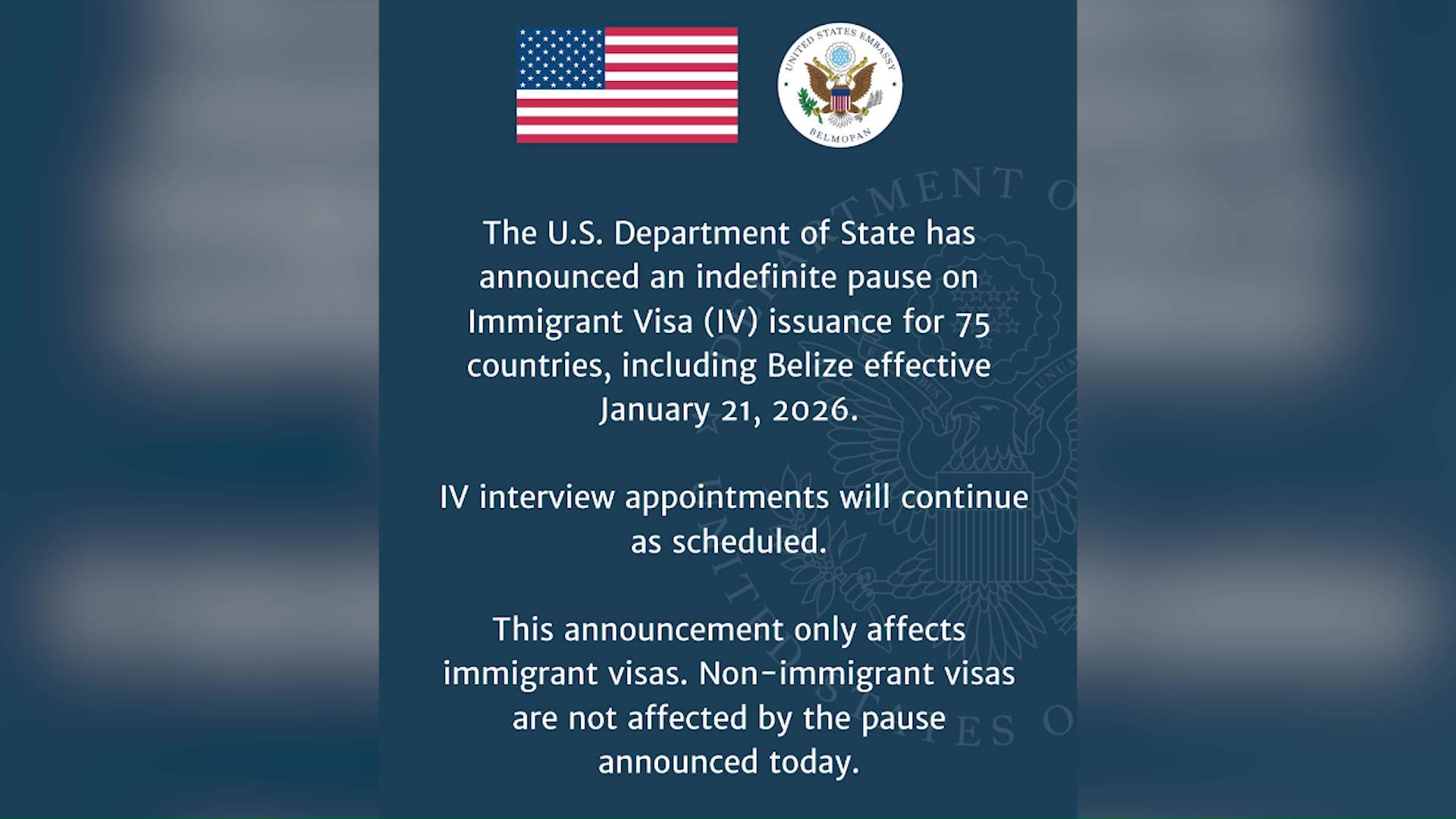
For those traveling or relocating, it is essential to recognize that U.S. consular services in Belize are limited to providing assistance to U.S. citizens and issuing visas for those wishing to travel to the United States. The U.S. Embassy in Belmopan functions as a representative office of the U.S. government within a foreign country, mirroring the relationship the U.S. has with other nations globally.
Frequently Asked Questions
Is Belize considered part of North America? Yes, geographically, Belize is part of the North American continent. However, "North America" is a continental designation, not a political one. Being on the North American continent does not imply being part of the United States.
Do I need a passport to travel to Belize from the U.S.? Yes. Because Belize is a sovereign country, all U.S. citizens are required to present a valid U.S. passport for entry. There are no exceptions for citizens, regardless of the mode of travel.
Is the U.S. dollar the official currency of Belize? No, the official currency is the Belize Dollar (BZD). However, the U.S. dollar is widely accepted throughout the country at a fixed exchange rate of 2 BZD to 1 USD, which facilitates travel and trade between the two nations.
Does the United States govern any part of Belize? No. Belize is a fully sovereign and independent nation with total control over its borders, military, and legal systems. The United States has no administrative, legislative, or judicial authority over Belize.
Can I move to Belize as easily as moving to a new U.S. state? No. Moving to Belize involves international immigration processes. While Belize offers various residency programs, such as the Qualified Retired Persons (QRP) program, it requires formal application and adherence to Belizean immigration laws, which are entirely distinct from U.S. internal migration rules.
Next Steps for Travelers and Investors
If you are planning to travel to or invest in Belize, your first step should be to consult the U.S. Department of State’s official travel advisory page for Belize. This provides the most current information regarding safety, entry requirements, and local laws. For those interested in business or property, it is strongly advised to engage local legal counsel in Belize who is well-versed in the nation's specific commercial and real estate regulations. Understanding that Belize is an independent jurisdiction is the foundational requirement for navigating any cross-border interaction effectively.
Image Gallery